Archive | Article RSS feed for this section

A Most Beautiful Thing

29 Jul

Pulling together: Boston filmmaker tells story of first Black rowing team

Boston filmmaker Mary Mazzio’s documentary “A Most Beautiful Thing,” which recounts the travails of the first Black high school crew team in the country, was supposed to open in theaters back in March but the COVID-19 swell altered that and still holds a lingering effect on the film’s release. AMC, the theater chain that Mazzio has an arrangement with, has yet to get back up and running and so Mazzio, with her finger on the pulse of social issues and more topographically, in light of the George Floyd slaying and subsequent Black Lives Matter protests, is pushing ahead with the film’s release on Xfinity Friday, July 31, and releasing on other major streaming platforms at staggered future dates — Sept. 1 on Peacock and Oct. 14 on Amazon Prime.

Mazzio, a former Olympic rower, notched her unique arrangement with AMC when the theater was exploring means to address complaints that most films exhibited carried unflattering stereotypes of people of color and underrepresented communities, and as a result was actively seeking more positive and aspirational material. “Positively diverse,” is how Mazzio said (then) CEO Gerry Lopez described it. It was a natural fit as AMC snapped up several of Mazzio projects like “Ten9Eight: Shoot for the Moon” (2009) that detailed a business plan competition with teen entrants from high-crime, inner city communities like Harlem, Compton, Chicago and Baltimore, and “Underwater Dreams” (2014), which chronicled teens of undocumented parents who come together and go head-to-head against MIT in an underwater robotics competition.

Continue reading

Peaceful Protests in Cambridge

7 Jun


Protesters gather Sunday in Porter Square after a renewed spate of nationwide deaths of people of color at the hands of police. (Photo: Tom Meek)

Around 200 residents assembled along Massachusetts Avenue in Porter Square on Sunday to protest police brutality and ask for justice in the Memorial Day death of George Floyd in Minneapolis – and in countless other blue-on-black incidents nationwide. The video of police officer Derek Chauvin kneeling on the neck of Floyd has sparked protests across the country, many turning violent as people join with uncertain motives and police respond.

Update from June 3, 2020: Police officers estimate that the protest “maxed out with about 100 participants,” according to Jeremy Warnick, director of communications and media relations for Cambridge police.

Curfews have been imposed in 40 cities; the National Guard has been called to 15. Social media is pulsing with videos of looting and police violence.

Not in Cambridge, though.

Chants of “Hey, hey, ho, ho, these racist cops have got to go,” and “No justice, no peace,” filled the area as cars drove by, honking in support. Signs demanding justice and the end of police brutality joined a sea of “Black Lives Matter” placards.

The protest, organized by North Cambridge attorney Gerry McDonough through social media, was peaceful and without incident. McDonough, launching an activist group Stand Out Against Racism, or Soar, said the day’s event was one of many to come. At the rally portion of the event, he announced a day of action slated for Saturday, when smaller groups in neighborhoods would stage similar protests.

Luis Cotto, Mercedes Soto and Ángel Cotto pause after creating a chalk memorial on the steps of City Hall. (Photo: Luis Cotto via Instagram)

Other signs of protest popped up around the city, from a “BLM” tag for the Black Lives Matter movement spray painted on a building at Kirkland and Beacon streets to the names of people of color slain by police chalked on the steps of City Hall. The names stretched back at least as far as Amadou Diallo, killed in New York in 1999.  

One of the concerns of protests and demonstrations in the time of the Covid-19 pandemic is public safety and social distancing. All demonstrators present wore masks, but a 6-foot rule was rarely achieved.

Mayor Sumbul Siddiqui said Saturday that she was planning an online vigil. “Facilitating a community healing process will be one of our most important jobs as elected officials, so we can collectively address the pain of this pandemic, the pain of this moment and the generational pain many of us carry in our bodies every day,” she said via social media.

Plans for the vigil, made public over the weekend, have it taking place from 5 to 5:30 p.m. Monday on cable Channel 22 and via Facebook Live. Details are here.

“Like many of you, I am navigating waves of anger and sadness as I think about [Floyd’s] life, his family and community – and about this country’s history of criminalizing blackness. George Floyd’s death should not have happened. May he rest in power,” Siddiqui said.

Work with City Manager Louis A. DePasquale and police commissioner Branville G. Bard Jr. is ongoing on “how best to keep our community safe from violence,” she said. “We must also work to keep people safe from discrimination and safe from displacement.”

Bard commented briefly on Floyd’s death as well. “Make no mistake about it, George Floyd’s death was the result of depraved indifference.” Bard said online Wednesday before expanding on his thoughts after the protest. Speaking to fellow law enforcement officials via tweet, he said, “I hope we realize that it will take more than words to correct this! Action, and only action will help to reverse this.”

Getting in two steel wheel in complicated times

31 May

Covid-19 makes bikes more important than ever; It also complicates everything about getting one

A line forms Saturday outside Ace Wheelworks between Porter and Davis squares in Somerville. (Photo: Marc Levy)

When gyms and parks were restricted and shuttered by the coronavirus shutdown, cycling saw a surge as a means of exercise, recreation and transportation – biking by definition has social distancing built into it, a sterling alternative to a crowded subway car where one good sneeze could have a devastating effect. As Massachusetts seeks to get back to normal, bikes will stay important for summer recreation and commuter options. Cambridge just announced a “Shared Streets” initiative to pair with Somerville, and over in Boston, Mayor Marty Walsh announced a “Healthy Streets” plan, safer paths encouraging new riders who were formerly deterred by the crush of regular motor vehicle traffic.

If you don’t have a bike and want to get on one, how do you do it with the Covid-19 restrictions still in place? One way is a bike share such as Blue Bikes, but most people will want the comfort and convenience of owning their own steel steed. Buying off Craigslist and the like is one option, but brings with it questions about bike size and other factors – including whether the bike was stolen. Bike stores offer professional advice and a better understanding of quality and cost, help for first-time buyers and assurance of help and service down the line.

Bike stores were deemed “essential” by Gov. Charlie Baker during the shutdown, and most in the Cambridge/Somerville area remained open. Now all are back online with the exception of Quad Bikes, which operates out of a Harvard-owned facility on Shepherd Street. During the stay-at-home mandate, maintenance and repairs were by curbside appointment, and it’ll be largely the same for the first phase of Baker’s four-phase return plan. One of the big challenges presented are hands-on sampling and test rides. Carice Reddien, owner of Bicycle Belle368 Beacon St., near Porter Square in Somerville, a specialist in cargo bikes, e-bikes and family-friendly extension bikes (and just reopened) said, “We’ve been doing socially distanced test rides outside the shop, and it seems to work.” Jason Paige, co-owner of Ace Wheelworks145 Elm St., between Porter and Davis squares in Somerville, whose shop was open for the duration, said, “We do a pretty thorough sales job on the phone, but the first time they ride it is when they pick it up curbside.” That model is flipped from before Covid-19, but Paige said the store has adopted a relaxed return and exchange policy to make shoppers more comfortable with a big purchase. “If you call with a price range and type of style, we’ll make something happen,” Paige said.

The bigger problem is supply and shipping in times of high demand. “Be patient,” Reddien said. “Supplies are low and shops are stretched thin trying to work in new and safe ways.” Paige said Wheelworks at one point had to stop taking orders over the phone because a salesperson would take an order only to have an online shopper beat them to the last SKU. (On the day that I wrote this, the website had a message saying “Sales temporarily suspended.”)

Other stores coming back are trying novel approaches to meet demand and their customer’s needs. Crimson Bikes, the Cannondale retailer at 1001 Massachusetts Ave., Mid-Cambridge, offers mobile visits to your home as well as curbside appointments; Cambridge Bicycle259 Massachusetts Ave., The Port, has something of what shop manager Josh Smith describes as an “Old West countertop service,” with accessories and helmets exhibited at the door for customers to review and try out. Cambridge Bicycle also offers limited test rides.

One thing all agreed on was that the shutdown has been both a boon for cycling. “More people now see cycling as a more attractive and viable thing,” Smith said. Paige said that he’s doing a lot more family sales, with overall sales in units notably up from last year, but accessory sales down. “Families are getting out and biking together,” he said. “That makes me emotional.”

The best way to buy a bike in these socially distancing times seems to start with online research, then a sales call before a scheduled test ride. And to remember, as Reddien said: “Be patient.”

The Brattle and COVID-19

18 May
The Marx Brothers’ “A Night at the Opera,” a repertory staple, plays to an empty house at The Brattle Theatre, which closed its doors to the public March 14. (Photo: The Brattle Theatre)

A four-phase strategy for reopening Massachusetts businesses and public facilities was announced this week by Gov. Charlie Baker. The plan was vague on details and dates leading up to a final “new normal,” which is something like where we were before Covid-19 turned Boston into a hot zone, though Phase I presumably kicks off May 18. Just what that means and for whom seems to be a bit of a moving target. Among those with questions is the “gathering industry,” as Ivy Moylan, executive director of The Brattle Theatre, explained was how the Harvard Square repertory institution and other arts venues were tagging themselves since the coronavirus outbreak.

“We’re hoping to heal and rebound and bring back the joy,” Brattle creative director Ned Hinkle said, “but not be too quick about it. The goal is to open as quickly as possible when it’s safe to do so.” The Brattle ran a survey of its members recently to gauge what “safe” means.

A smattering of drive-ins have opened around the country, and Universal released “Trolls World Tour” digitally (making more than $100 million in three weeks of digital release, something Hinkle says likely happened due to lack of competition) while art houses such as The Brattle and Somerville Theatre have been running Virtual Screening Room selections – smaller releases such as “Deerskin” and arthouse and foreign language classics with a portion of rental fees benefiting the theater you rent from.

“As a small business, we’re pretty agile,” Moylan said. “We could come back pretty quickly.” When shuttering March 14, The Brattle did not have to furlough its employees. “Most are part time,” Moylan said, “but when we shut down, they were our first priority. We want to protect them.” Moylan said at first the shutdown was terrifying, but as things went on managers realized going offline for a while and coming back was doable. “A couple of months,” she said. “A year would be hard.” The nonprofit theater has taken in a good sum through donations and has received Payroll Protection Program funding for its employees.

There’s also the dollars rolling in from the Virtual Screening Room. “It’s great,” Hinkle said, “but a good chunk of what we and theaters make is from concessions.” The Brattle during this time has also engaged filmgoers through virtual programing (movie lists, such as our Film Ahead section has morphed into), a podcast and Friday movie nights co-sponsored with the city.

Aside from slow openings, there’s another problem that will face mainstream theaters relying on the studio system for films, Hinkle said: a dearth of product. The latest James Bond (“No Time to Die”), the next two “Mission: Impossible” chapters, “A Quiet Place Part II” and the next “Wonder Woman” installment have all had their release dates pushed by months. The Brattle, on the other hand, which plays smaller releases and repertory fare, isn’t so reliant.

“We want to bring a rich experience back to our valued patrons,” Hinkle said, “people are hungry for that type of communal experience.” The looming question remains when.


Restaurants in the time of Covid-19

24 Apr

Season to Taste, Pagu mix it up after Covid-19, giving to-go meals the flavor of improvisation

Robert Harris prepares a to-go meal Tuesday at Season to Taste in North Cambridge. (Photo: Tom Meek)

Before the Covid-19 crisis, we were preparing to profile two semi-finalist James Beard best chefs from Camberville: Tracy Chang of Pagu and Carl Dooley, over at Table at Season to Taste (the other locals on the list, Seizi Imura of Cafe Sushi in Harvard Square and Cassie Piuma, serving up Turkish infused plates at Ana Sortun’s Sarma in Somerville, are repeat nominees). Both shut down before Gov. Charlie Baker’s St. Patrick’s Day mandate to close restaurants. But the ovens have remained hot, reflecting where we are and where we are going.

While Table at Season to Taste remains shuttered, chef-owner Robert Harris has continued to evolve catering at umbrella company Season to Taste. “I’ve got a plan to get us back to normal,” said Harris, who was on a ski trip in Colorado when the mandate came down. He returned to Cambridge to lay off 30 employees. Part of his plan is to make Season to Taste’s traditionally “bespoke” catering for corporate events, weddings and parties – with menus dictated by the client – into a Season to Go, a food pickup service at the 2447 Massachusetts Ave., North Cambridge, storefront. Continue reading

An Interview with Kelly Reichardt

14 Mar

Reichardt’s ‘First Cow’: Birthed of collaboration found on trail from Miami (with stops at Brattle)


“First Cow” is Kelly Reichardt’s seventh film, and second “anti-western” made in collaboration with the author Jonathan Raymond. (Photo: Tom Meek)

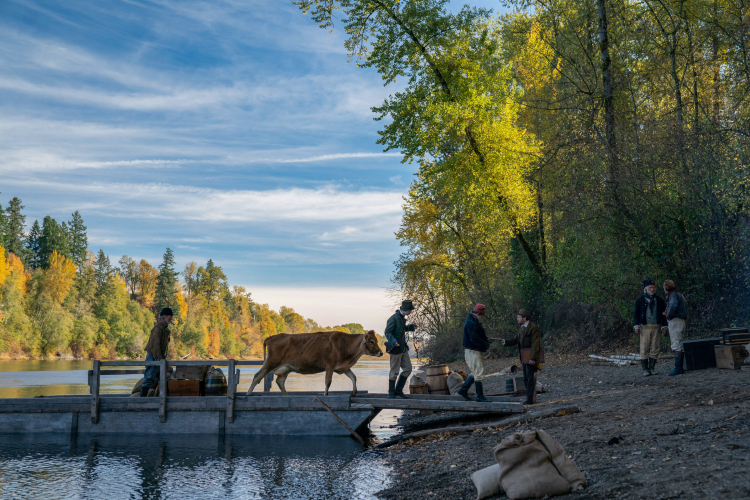
Kelly Reichardt’s latest, “First Cow,” an Oregon frontier saga about two outsiders trying to get ahead, marks her fifth collaboration with writer Jonathan Raymond and her seventh film overall. The film (screenplay by Raymond and Reichardt) is vastly different from Raymond’s novel “The Half-Life,” which, as Reichardt points out, “spanned four decades and two continents and didn’t have a cow in it. John invented the cow for the movie.” A fairly drastic realignment from any point of view, though the director is quick to add that the story still focuses on the bond between Cookie (John Magaro), an introverted cook, and King Lu (Orion Lee) an enterprising Chinese expat – though King Lu is a composite of two characters in the novel. The entrepreneurial endeavor the pair undertake in the book is exporting beaver oil to china; in the film, with the creation of a lone cow at a trading outpost, there’s milk and thus batter to make “oily cakes” (scones), a super hot item in a land where there is only mutton and slop.

Reichardt’s journey to the directorial chair is long and intriguing, with a crucial stop at The Brattle Theatre in Harvard Square. “I grew up in a cultural void as far as art goes, and in a family of cops,” Reichardt said. (The void was Miami.) Her mother was in drug enforcement and her father was a crime scene investigator, though they also opened her eyes to the arts. “My father listened to jazz and gave me a Pentax camera.” Reichardt got into photography, using expired rolls of film her father got her from the crime lab and taking lessons at a studio run by a notorious pornographer. Then the artist Christo came in 1983 to wrap his “Surrounded Islands” in Biscayne Bay. Reichardt, inspired by the grand installation, knew she’d have to go elsewhere to expand her cultural palette and find her calling. She landed with friends in Boston, where she studied art and film at the Massachusetts College of Art and Design and School of the Museum of Fine Arts. “But,” she added, “my real film education came at the Brattle Theatre, which played a different repertory pairing each night.”

tmp-cow

Reichardt met Raymond early in her career, becoming fast “pals” after being introduced by filmmaker Todd Haynes (“Carol,” “Velvet Goldmine” and most recently, “Dark Waters”). Both had collaborated with Haynes (“I was the one flicking the spit in “Poison,” Reichardt says of Haynes’ controversial, career-launching film) and he’s been an executive producer on most of Reichardt’s projects. After 2010’s “Meek’s Cutoff,” about my ancestor leading a posse across the Oregon desert, “First Cow” is the second anti-western by Reichardt and Raymond. “Westerns have alway been about a white man on a horse with all the power. This is about two outsiders finding a safe place with each other. They’re mindful and thoughtful, not physical,” Reichardt said.

Still, to prepare for the film, Magaro (who has a Bob Dylan-esque presence in the film) and Lee had to go through a survivalist boot camp to learn their characters’ skills, including lighting fires without matches and catching fish without hooks. “It wasn’t much fun,” Reichardt says, “because it rained most of the time.” To cast the two “mindful dreamers,” Reichardt interviewed and interacted with each actor via Skype, never meeting either in person until they were pretty much on set. Given the current state of things with the coronavirus spread, that virtual casting call feels eerily prescient: At the time of my interview, Reichardt had just been told her publicity tour for the film was being canceled, and the Harvard Film Archive was limiting the audience for Reichardt’s “in person” screenings on Monday and Tuesday to a max of 99 people. Then it suspended its spring schedule.

“First Cow” opens locally this Friday.

Corona and Film

14 Mar

Harvard Film Archive is closing through April; moviegoers start strategizing for safer seating

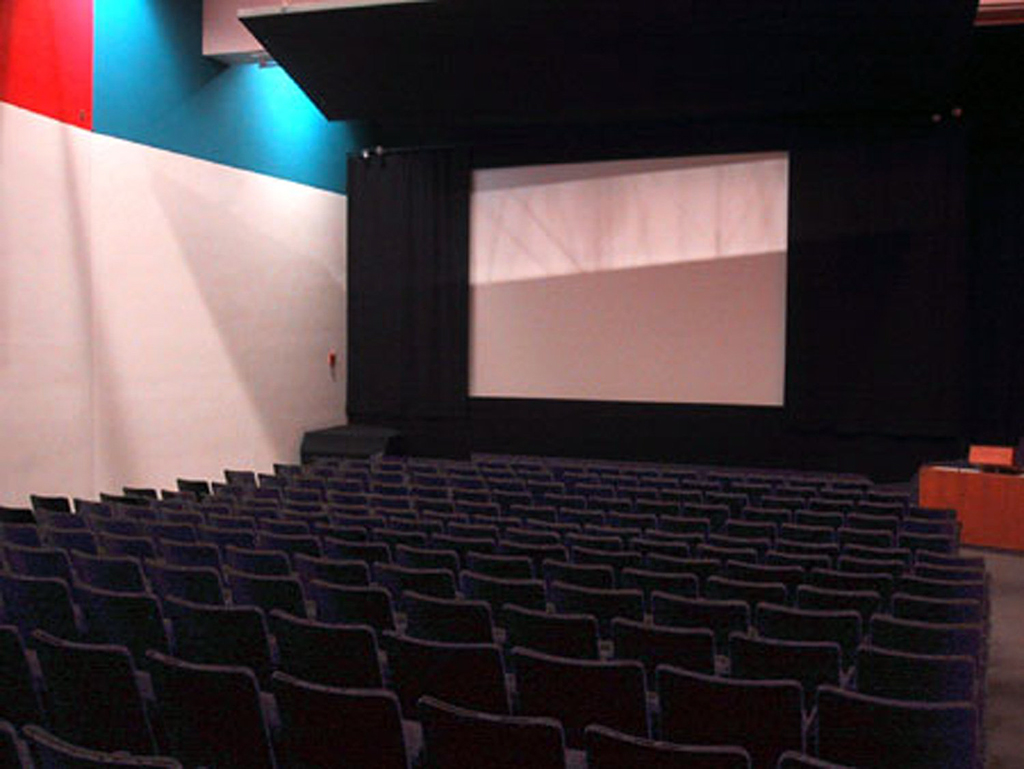
tmp-HFAThe Harvard Film Archive will be closed and empty through April, curators said Tuesday. 
With Gov. Charlie Baker declaring a state of emergency after reported Covid-19 infection cases hit 92 on Tuesday, Harvard and the Massachusetts Institute of Technology going online-only after their spring breaks and people encouraged to shelter in place as much as possible, what happens to our public cultural staples – sports, the arts and entertainment? The latest Film Ahead column of special events and local arthouse and repertory programs got halved as the Harvard Film Archive announced its screen would go dark after the Tuesday screening of “Wendy and Lucy” with director Kelly Reichardt in attendance.

The Archive will be closed through April. Films and programs will be rescheduled after a reopening in May. The closing – and suggestion of sports events being played in empty arenas – only triggers questions about other theaters’ response. Kendall Square and Somerville theaters wouldn’t comment; at The Brattle Theatre, the Archive’s neighbor in Harvard Square, executive director Ivy Moylan said it’s business as usual.

For now.

“We are taking it one day at a time. We have instructed our staff on increased cleaning and are staying up to date with city, state and [federal health] instructions,” Moylan said. “We are keeping an eye on things as they change.”

On social media, friends said that they’d be bringing Clorox wipes to the theater or, in theaters with assigned seating, pay the extra dollars for “firewall” seats that add distance from other patrons.

One thing about film: It has always been a great way to quiet the mind in trying times. It may be streaming services from Netflix, Amazon and the Criterion Channel that will more relaxing for some in the coming days. Nothing beats a trip to the theater, but the world cannot live without cinema.

Black History Month – Cambridge Notables

26 Feb

Black Bookmark Project highlights pioneers less known, but all worth taking a page from

An opportunity to remember William Henry Lewis, ‘great man’ of firsts


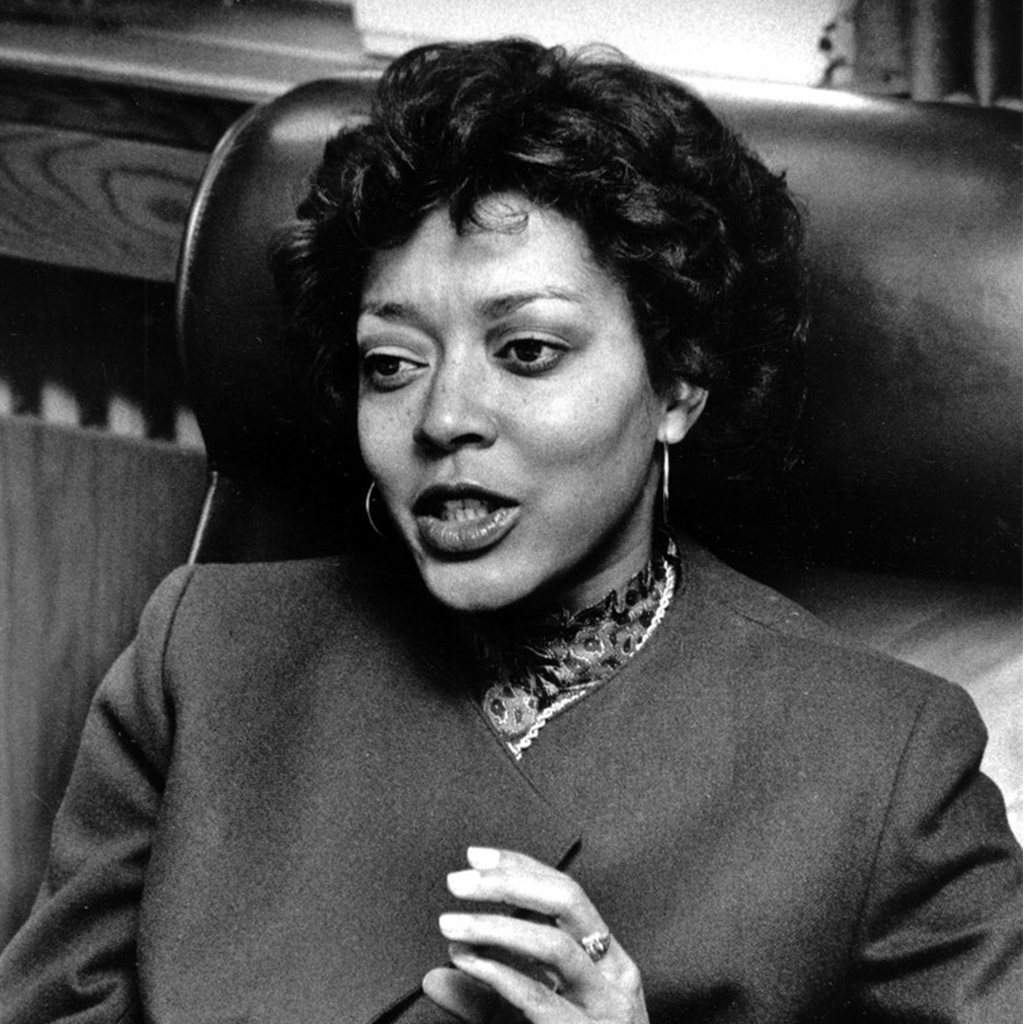
tmp-BHM1Joyce London Alexander, in an image from the Cambridge Black Trailblazers website.

This Black History Month sees the launch of the Cambridge Black Bookmark Project, giving young readers free bookmarks – photos on the front, biographies on the back – introducing more people to a generation of black trailblazers not yet given physical markers around the city.

The Cambridge Black Trailblazers project adds to and updates work begun by the Cambridge African American Heritage Alliance, which installed 20 markers citywide honoring the achievements of black leaders from the 1840s to World War II, said project coordinator James Spencer, representing a committee of another half-dozen people. The group printed 7,000 bookmarks, of which about 4,000 have been given to the school district. Others have gone to the City Council to hand out and to the families of the people being celebrated; a donation of up to 2,000 of the bookmarks to city libraries awaits permission, he said.

“This has been a labor of love … But this is just the beginning. In order to continue, the project will need additional resources,” said Spencer, a retired civil rights and diversity officer, describing plans for at least 20 bookmarks led by an initial seven.

Movers and shakers

The first batch includes Joyce London Alexander, who went from first black president of the CRLS student council to first black chief magistrate in the United States; Charles Leroy Gittens, the first black Secret Service agent and protector of U.S. presidents from Dwight D. Eisenhower to Gerald Ford before taking charge of all agency field offices; Elizabeth Rawlins, an educator who became a longtime dean at Simmons College; Leon West, who became famous as a chef in New Orleans; Roy Allen, a television producers and director who became the first black member of the Directors Guild of America; Henry Owens, the entrepreneur behind Green Moving; and civil rights activist Gertrude Wright Morgan, who recently got a street named after her in Canbridge Crossing – after work began on the trailblazers project.

“It is critically important that young people, as well as the larger Cambridge community, recognize the selfless and courageous contributions of these individuals in a generational period of painful discrimination,” Spencer said.

“This initial phase of the project was developed, researched, financed and launched by a committee of dedicated volunteers, with support from the Cambridge Historical Commission,” he said, calling sponsors – individual, corporate and philanthropic – vital to move the project forward from this hopeful start. Continue reading

“Cats” Keeps on Purring

5 Feb

The many lives and allure of big-screen ‘Cats,’ the hairball Hollywood coughed up into a cult


tmp-cats som
Usher Cat and Popcorn Tickets – staffers at the Somerville Theatre – run the weekend “audience participation” screenings of the film “Cats.” (Photo: Tom Meek)

A few weeks back I wrote about the second life (of nine?) for the failed film adaptation of Andrew Lloyd Webber’s hit musical “Cats” taking form at the Somerville Theatre. Turns out the film’s reincarnation as an “audience participation” cult – come in costume, drink alcoholic beverages and shout at the screen – has more claws than the studio’s initial Christmas release: Despite its Oscar ambitions, critics tanked it, and hardly anyone filled the theater. (Opening opposite a hotly anticipated “The Rise of Skywalker” probably wasn’t the wisest choice.) To date the film has made barely more than half its nearly $100 million budget and, because of massive digitalization gaffes, had to be reedited and rereleased by Universal two weeks in. As a regular seven-days-a-week run became just slots on the weekend, though, it’s those late-night Friday and Saturday showings that have sold out. To check out just the freaky furball fun and gauge the cinematic awfulness of the talent-laden miscue (it does have Oscar winners galore), I swung by the Somerville Theatre on Friday.

It was a robust (two-thirds full) and raucous crew (mostly millennials with a boomer here and there), but I was slightly disappointed no audience members were in costume – just the feline-fashioned hosts, Usher Cat and Popcorn Tickets (theater staffers, adding a twist to the phenom) who had a few rules for the audience to follow. “Rule No. 1,” growled Usher Cat, “Don’t be a jerk or a dog.” Another stipulation asked audience members to “take the kitty litter home and not throw any projectiles at the screen,” and lastly, “Cheer for milk!” (when you see it). There were a few rounds of trivia, including the naming of cats in the films “Alien” and “Breakfast at Tiffany’s,” Usher Cat made an oblique reference to “catnip edibles” (part of the conjecture for the the rise of “Cats,” theater manager Ian Judge surmised, is the recent legalization of recreational cannabis). Then it was showtime. Continue reading

Let the Furballs Fly

21 Jan

Better than ‘Cats’: Seeing oddly terrible film when ‘audience participation’ is encouraged

Here's The Second "Cats" Movie Trailer

I’ve yet to see the cinematic adaptation of Andrew Lloyd Webber’s “Cats.” Based on reactions from that first trailer and onward, I’ve been avoiding it. But now I might go check out the feline fetish flick that made Boston Globe film critic Ty Burr write, “I’d pay to unsee it.”

The reason? The critical and box office bomb has become something of an immersive joke, akin to Paul Verhoeven’s pole-dance disaster, “Showgirls” from back in 1995, which audiences came to adore as a garish train wreck.

Riding that wave, the Somerville Theatre has begun audience participation screenings (officially, the late-night Friday and Saturday shows, according to Facebook) with hooting and jeering not only okay, but encouraged.

“It started from the first few screenings,” theater manager Ian Judge said. “Once the word got out that something was horrendously wrong with the movie in terms of it just being so bad, so odd, so unsettling in its half-assed effects, so jumbled in plot and such a bizarre mix of stars and talents, people came in large numbers out of a curiosity.”

Raucous audience reactions didn’t sit well with everyone. “We had to issue free passes to a couple of patrons,” Judge said – leading to the more formal embrace of its lameness.

To get an idea of how bad “Cats” is, it’s a $95 million film that made only $6.6 million in its opening weekend, something a limited, arthouse release would be excited about but a death knell for a big-budget production. By comparison, “Star Wars: The Rise of Skywalker” made $177 million in its first days of wide release. On IMDB, “Cats” has a filmgoer rating of 2.8, which is lower than most films made by Steve Bannon (which I had the pleasure to research for the recent run of “American Dharma”). “Showgirls” has an IMDB rating of 4.8.

The film is directed by Tom Hooper, who has such Academy-recognized films in his pocket as “The King’s Speech” (2010) and “The Danish Girl” (2015), and it stars Taylor Swift, Judi Dench, Jennifer Hudson and Rebel Wilson. But it came under scrutiny as soon as its trailer release, with the poor quality and weirdness of its special effects going tsunami viral. An animated or live-action capture film from Pixar or James Cameron takes about four-plus years of visual rendering; the makers of “Cats” did theirs in seven months. The result was so shoddy and uneven that people began hunting immediately for weird and inconsistent fur patterns, bizarre genitalia and butt sculpting, not to mention creepy, monkey-like prehensile tails and scenes in which dame Dench’s human hand, replete with wedding band, showed up. (The studio has reedited and rereleased the film.)

As with classic midnight film “The Rocky Horror Picture Show,” people come to “Cats” dressed up – in cat ears and more. Judge suspects the legalization of recreational marijuana may be aiding in audience appreciation. And did I mention that the Somerville Theatre sells beer and wine? Belly up to the bar and get your best caterwaul on.

The “Cats” screenings with audience participation take place at 9:45 p.m. Friday and Saturday at the Somerville Theatre, 55 Davis Square. General admission is $11.