‘Faye’ (2024)
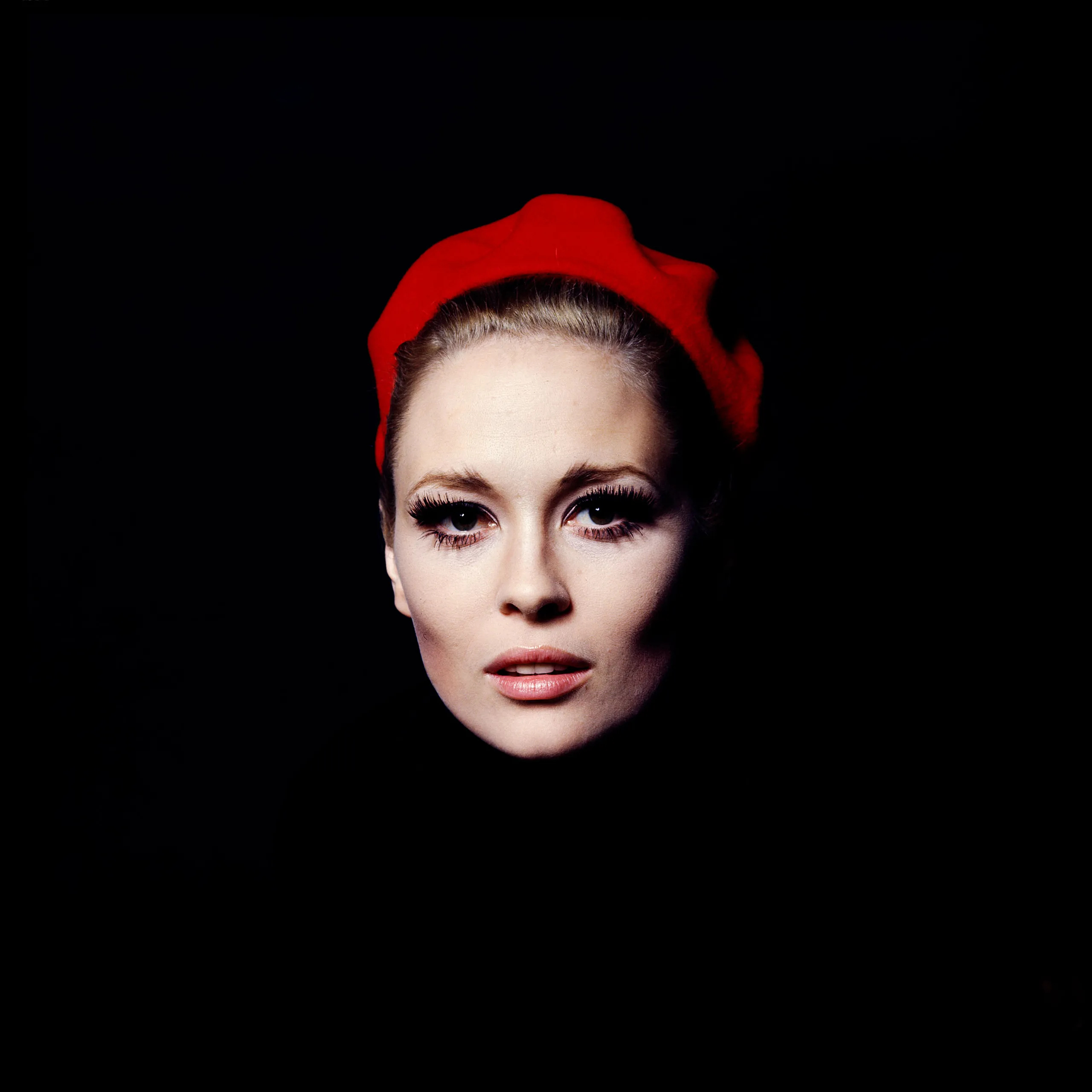

Faye Dunaway, who for my money was the actor who embodied the redefinition of women during the New Hollywood era – “the most exciting time in film,” she calls it in the new documentary from producer-turned-filmmaker Laurent Bouzereau. I couldn’t agree more. Dunaway’s chiseled, alluring countenance cut a striking image, and she was often a barn burner in her onscreen delivery. Dunaway would be Oscar nominated for her performances in “Bonnie and Clyde” (1967) and “Chinatown” (1974) and win the bald, golden guy for “Network” (1976). That body of work practically defined the time, with “Bonnie and Clyde” alone hailed as the cornerstone of a wave of classics that include the “Godfather” films, “The French Connection” (1971) and Monte Hellman’s “Two-Lane Blacktop” (1971). Bouzereau serves up a spry Dunaway (now in her 80s) reflecting on her childhood and marriage, relationships and affairs with Boston rocker Peter Wolf, film director Jerry Schatzberg (“Scarecrow,” “The Panic in Needle Park”) and Marcello Mastroianni among the starry lot. The Southern-born Dunaway had several ties to Boston besides Wolf: She attended Boston University, filmed the original 1968 “Thomas Crown Affair” with Steve McQueen here and sought regular guidance from playwright and Harvard professor William Alfred, whom she describes as the father she never had (her own father was an alcoholic, and her parents divorced when she was young). The jumping-off for the film is the iconic 1977 shot of Dunaway poolside at the Beverly Hills Hotel with her Oscar at an ungodly 6 a.m. the day after her win. The photo would lead to Dunaway marrying photographer Terry O’Neill; the couple would adopt Dunaway’s lone child, Liam, who in the film has much affection to offer about mom. Other talking heads that chime in are Mickey Rourke, who co-starred with Dunaway in the 1987 Charles Bukowski-inspired flick “Barfly” and fan-friend Sharon Stone, who broke a few glass ceilings in her own right, but there’s also no drop-in from “Chinatown” co-star Jack Nicholson. If there’s any downside to the film, it’s that it feels too curated by the actor and thus narrow in scope. Though we get Bette Davis making abundantly clear in one talk show clip that Dunaway was difficult to work with, even the Joan Crawford biopic “Mommie Dearest” (1981), which was critically drubbed at the time – especially Dunaway’s performance – gets spun in a way that pulls blame from Dunaway. The film touches on but does not delve into issues of mental health, a topic that feels so nonchalantly dropped in that it does the topic and the actor a disservice. “Faye” is a great rewind of one of (if not the) most defining periods in filmmaking, but holds the cards too tight on Dunaway as a person.
‘Skywalkers: A Love Story’ (2024)

One part promotion piece and one part jaw-dropping derring-do, this doc by Jeff Zimbalist (“Give Us This Day”) follows Angela Nikolai and Ivan Beerkus, Russian rooftoppers (people who climb skyscrapers illicitly for thrills) who during the last World Cup finals seek to climb the near-completed Merdeka tower in Malaysia – a 2,227-foot structure, the second-tallest in the world. It’s not quite “Man on Wire,” the fantastic 2008 Academy Award-winner that showcased Philippe Petit’s wire walk between the the World Trade Towers in 1974 (neither uses nets or wires, so what’s the difference between 1,368 and 2,227 feet if you fall?), but it grips in its own right. The staging and planning aspects provide intrigue, with World Cup mania leveraged as a distraction, and there’s the added challenge of Covid that shuts off the pair’s sponsorship funding; the couple are undaunted. Zimbalist delves into their strained relationship and backstories to add depth, but it’s not deep enough or blended in seamlessly enough and, if anything, detracts. Much of the stunt footage was shot by the couple, as it’s their bread and butter to garner likes and dollars on social media. It would have been interesting had Zimbalist peeled back more on how social media translate into dollars and how some of the amazing footage is captured – from what’s given, we can infer there are GoPros, selfie sticks and drones, but it’s all so polished there has to be more to it. There are accusations that much of what the pair do is staged and manufactured digitally, and while it doesn’t seem so, it’s another thing the film glosses over. Nikolai and Beerkus are bona fide artists and know how to strike a pose atop the universe (Nikolai will often bring a fancy dress), and the shots looking down are viscerally dizzying – if you have acrophobia, this is your content warning. Everyone else should hang on all the way through: Some of the most impressive stunt footage is at the end as the credits roll.
‘Land of Bad’ (2024)
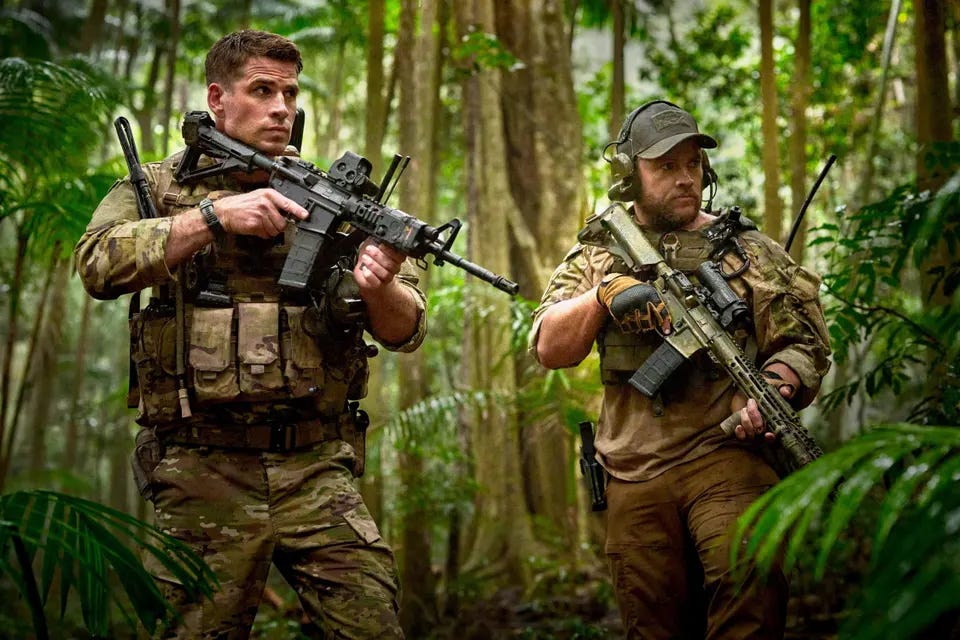
In this military actioner from director William Eubank in which U.S. Army Special Forces get dropped into a Philippine jungle to extract a CIA package, underpowered plot devices go off throughout: Turns out the simple in-and-out extraction isn’t so simple, as the camp the small strike force is sent into is a hive of international terrorists, largely unbeknownst to the smug higher-ups in intelligence. Shit goes south real fast, which leaves one soldier by the call name of Playboy (Liam Hemsworth) on the run from an endless “Assault on Precinct 13” horde of well-armed baddies. Getting to the extraction checkpoint is an endless task that keeps shifting as each possibility erupts into a new hot zone. The whole harrowing ordeal’s not far off from Marc Wahlberg-Peter Berg collaborations “Mile 22” (2020) and “Lone Survivor” (2013). Added to the mix is Russell Crowe as Reaper, a drone pilot back in Nevada keeping eyes on Playboy and occasionally firing off a Hellcat missile or two. (The two paired on the 2022 crime-thriller “Poker Face,” which Crowe directed.) Eubank, known for his lo-fi 2014 sci-fi thriller “The Signal,” delved into action with Kristen Stewart in the disappointingly unimpressive “Underwater” (2020) but improves here in his orchestration of race-against-time pow-bangs. Crowe and Hemsworth make the fairly pat play watchable, but Liam’s big bro, Chris (“Thor,” “Furiosa: A Mad Max Saga”) did the whole shebang a tad better in “Extraction” (2020), and “Guy Ritchie’s the Covenant” (2023) remains the best of the lot.
‘A Family Affair’ (2024)
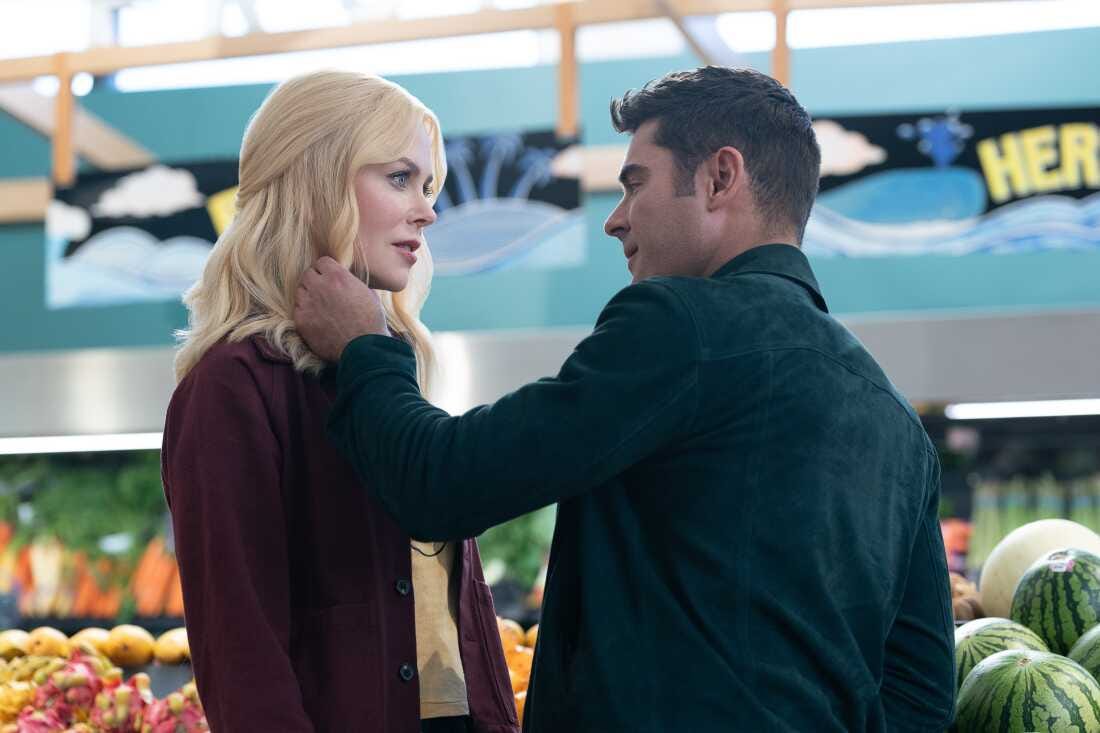

Light, silly rom-coms with predictable plots built around a Hollywood vet or two are a lo-fi way for streaming platforms to garner audiences. The Anne Hathaway mom-dating-younger-boy-band-hunk vehicle “The Idea of You” caught fire on Prime this year, and now on Netflix we have this Nicole Kidman-Zac Efron unlikelies-attract as Kidman’s widowed Brooke Harwood, an L.A. novelist, gets her groove back. She lives in a spacious, photo-worthy bungalow with her adult daughter Zara (Joey King, “The Kissing Booth”) who works for Efron’s Hollywood golden boy Chris Cole, something of a bland, watered-down hybrid of Tom Cruise and Robert Downey Jr. Chris is a dick of a boss who wants magical solutions to his first-world problems – my abs aren’t ripped enough, or my latte isn’t hot enough – and threatens to fire Zara in nearly every other frame. As you can expect, the family connection has him bumping into Brooke. Sparks fly, but Zara freaks out when she catches them in the act, especially knowing Chris is a serial dumper in addition to being a jerk to employees. The “affair” here, directed by Richard LaGravenese (“Living Out Loud”), is a plastic one, driven by hollow, entitled sorts with problems many would envy. Zara’s about the only one with a struggle that resonates (she wants to get into the film biz, but Chris keeps her locked into her gofer role). In the end, meandering the dew-misted produce aisles of a high-end boutique supermarket, she too gets shrink-wrapped.






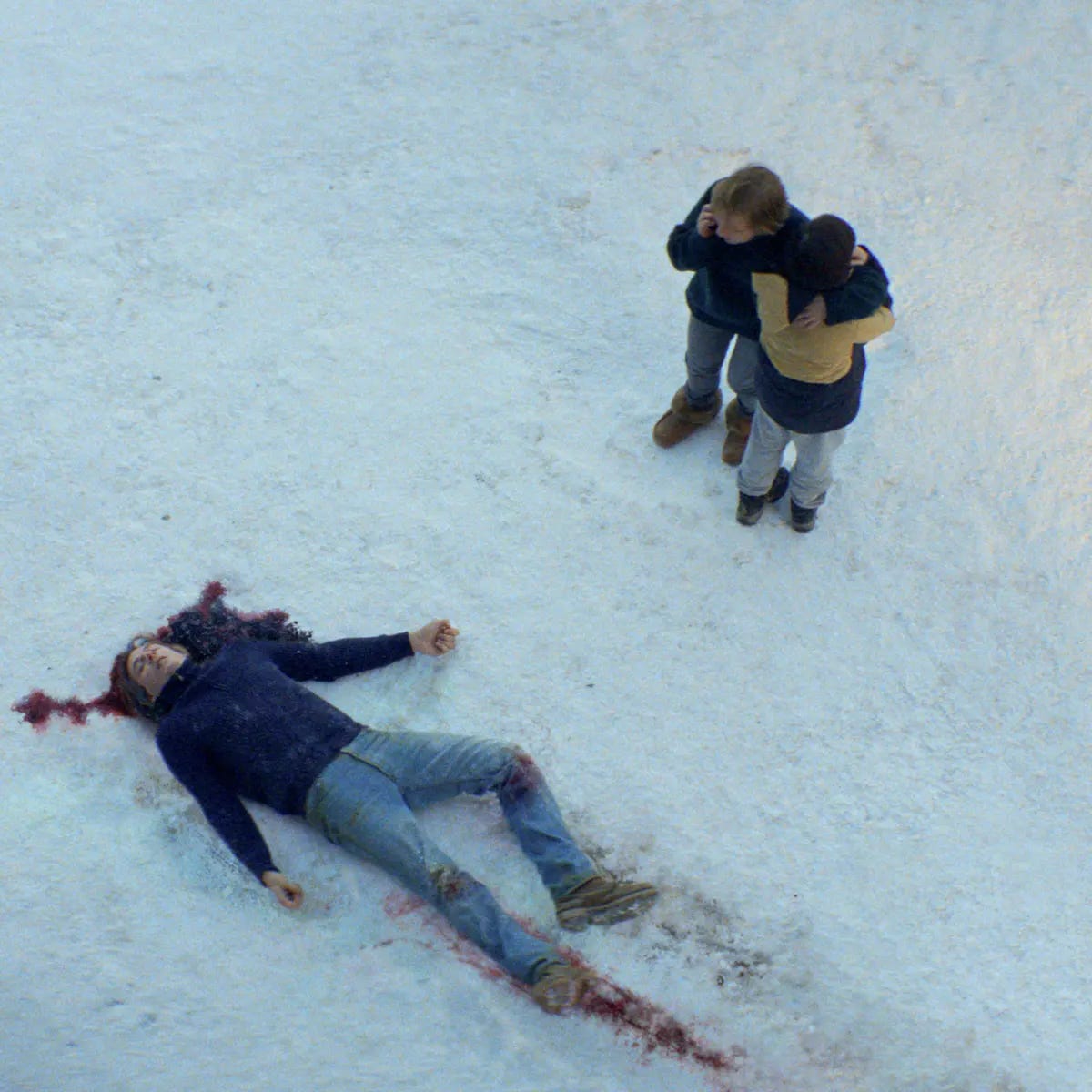



 Given all that, it’s still an unenviable task to have to take over the reins from J.J. Abrams, the creative wunderkind who helmed “The Force Awakens” and has a reputation for making what’s old trendy and hip again – i.e., the “Star Trek” reboot – but Rian Johnson, who also scripted, proves more than game to go where Abrams has taken the next franchise trilogy, and beyond. To be sure, there’s a lot going on in “Last Jedi”; the gaping absence of Han Solo (Harrison Ford), the elevation of Skywalker back to the fore (Hamill well up to the task), the deeper darkening of Darth Vader successor Kylo Ren (a palpably conflicted Adam Driver) and the Trump-like megalomania of the craggy supreme leader with the silly moniker of Snoke (Andy Serkis doing what he does best: seamless live-action capture) and even Yoda – yes, Yoda. But Johnson, who had so effectively juggled time travel threads folding back in on themselves in the satisfying sci-fi thriller “Looper” (2012), orchestrates it all masterfully, jumping from one far-flung point in the galaxy to the next without disconnect, and with plenty of humor and wit to fill any dead space.
  Set in Cold War-era Baltimore, the narrative flows through the mundane life of a demure, mute cleaning woman named Elsa (Sally Hawkins, who lays it all on the line and should be recognized for such a fine effort), who we learn grew up an orphan and was abused as a child. Given all that, Elsa’s got pretty neat digs above a classic nickelodeon (and del Toro has fun with the marquee and features it plays) and works the nightshift at a secretive military installation where all kinds of strange experiments growl and bark from behind steel doors – often requiring a SWAT team of cleaners to mop up the bloody aftermath.
 A key narrative device in “Wonder Wheel” are asides to the audience by a hunky Coney Island lifeguard named Mickey (Justin Timberlake) who patrols the shores sometime after the end of the Second World War, as America sits perched on the cusp of prosperity. Hope and prospect seem to be everywhere for everybody, except a merry-go-round operator named Humpty (Jim Belushi, interestingly cast and auspiciously named) and his wife, Ginny (Kate Winslet), a failed actress turned grousing waitress. They’re both on second marriages; he has problems with the sauce, and her preteen son from a previous marriage has an affinity for lighting impromptu fires. There’s also the matter of Humpty’s daughter, Carolina (an ebullient Juno Temple), whom Humpty disowned after she ran off and married a Miami gangster. Shortly into the film Carolina returns, seeking refuge with the desire to go to night school to become a teacher. It makes for a happy reunion until mob heavies from Miami show up looking for their boss’ dame.
 As if a Coen influence was not enough, the film stars Frances McDormand, who ruled the roost in the brothers’ masterworks “Blood Simple” (1984) and “Fargo” (1996), for which she won an Oscar. (She’s also married to Joel Coen). Here McDormand plays Mildred Hayes, a steely eyed woman who’s responsible for the three billboards of the film’s overly long title – and something of a bother to the town. Against blood-red backdrops the billboards say “Still No Arrests?”; “How Come, Chief Willoughby?”; and “Raped While Dying.” They concern the death of Mildred’s daughter, which has gone unsolved for months. Mildred blames the town’s beloved sheriff, Willoughby (Woody Harrelson, able to keep pace admirably with McDormand).
  Things pick up in the immediate aftermath of “BvS,” with Superman (Henry Cavill) still dead or comatose and his mortal darling Lois Lane (Amy Adams) burdened by grief and suffering reporter’s block. That leaves fellow “Leaguers” Wonder Woman (Gal Gadot) and Batman (Ben Affleck) to fend for the world as alien ghouls with dragonfly wings descend upon the planet in slow strokes, kidnapping folks. Batman (what is it with these movies where Christian Bale and Affleck talk in constipated growls from behind the mask, but are smoothly eloquent in Bruce Wayne mode?) deduces astutely that the nasty bug-beings are part of a bigger plot – to unite the three Mother Boxes (like the Infinity Gems over in the Marvel Universe) and give an entity known as Steppenwolf – not to be confused with the band founded by John Kay (“Born to be Wild”) or the novel by the tortured German novelist, Hermann Hesse – the ultimate power to terraform the earth and wipe out humankind.
  The intimate nature of the film (Gerwig also writes, but does not appear) builds in subtle yet palpable strokes with a devilishly barbed edge as it tackles the mandatory rites of senior year: prom, sex and college acceptance. One of the many angles that makes Christine such an intriguing character study isn’t so much her sass with a dash of surly, or red-shocked (dyed) locks that give her a tint of goth-punk, but the fact she’s a perpetual outsider, not religious and not well off, going to a parochial school and running in circles of affluence while dad (an endearing Tracy Letts), an outdated computer programmer, can’t land a job and mom (Laurie Metcalf, giving the best mom performance of the year behind Allison Janney in “I,Tonya”) hold the house together with stoic tough love.
