‘Where to Land’ (2025)


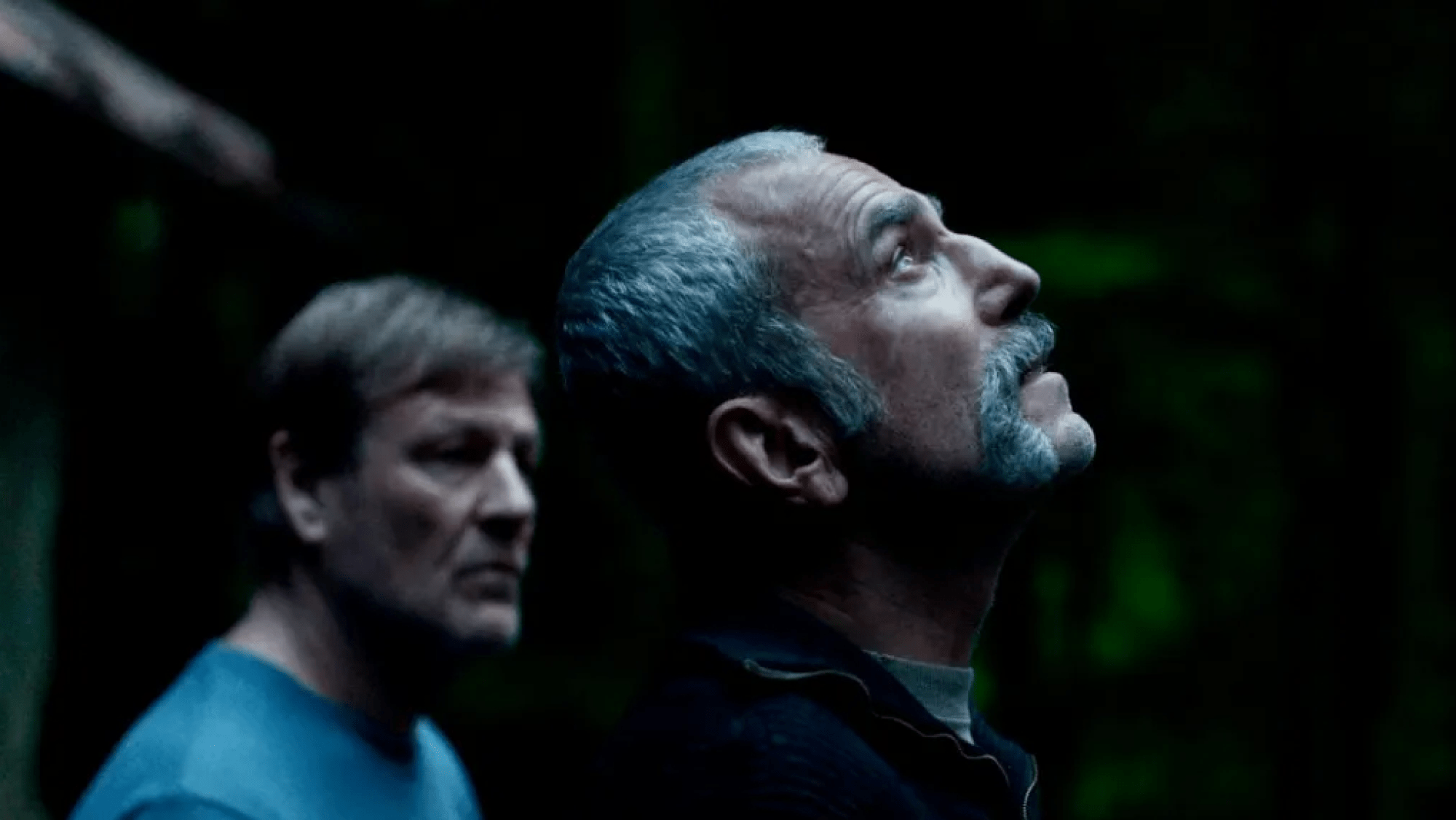
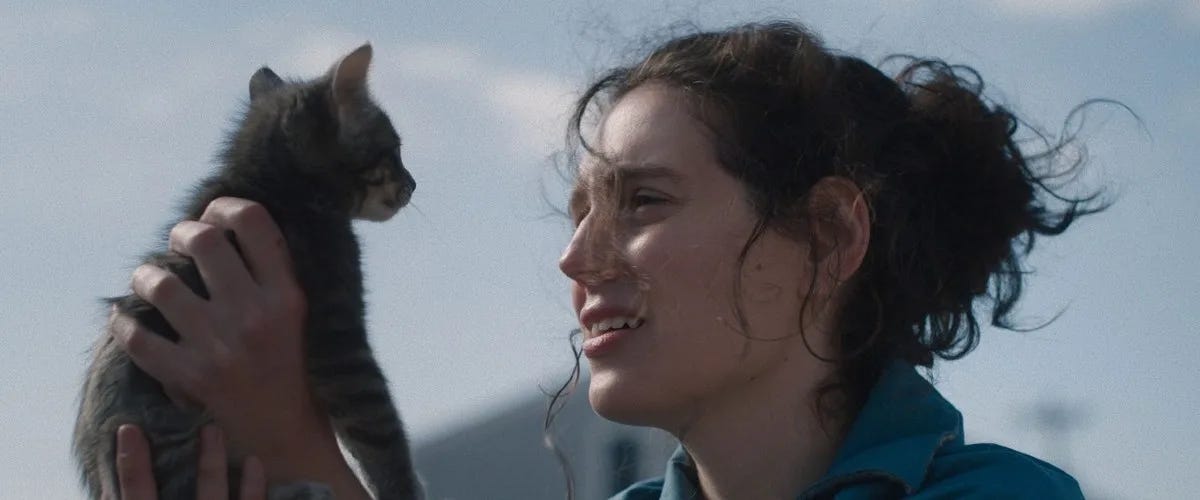
The first film from indie stalwart Hal Hartley in more than 10 years – a Kickstarter campaign got it off the ground before a Covid pandemic delay – is a loose, autobiographical reflection on the director’s life and body of work like Almodóvar’s deeply personal “Pain and Glory” (2019). At the center is Joseph Fulton (Bill Sage), a lion in winter edging toward 60 and one-time maker of successful romantic comedies who’s taking a break from the director chair to get his last will and testament together. He also has a desire to put his hands in mother earth, and applies for a job as a cemetery groundskeeper. Through a comedy of miscommunication, Joe’s girlfriend, Muriel (Kim Taff), an actor in Season 14 of her “Wonder Woman”-esque TV series, and his niece and assistant, Veronica (Katelyn Sparks) discover an unopened, confidential letter from a hospital and think it all adds up to Joe dying. Adding fuel to the fire is the subplot about a wannabe screenwriter (Jeremy Hendrik) claiming to be Joe’s son. It’s a stoic, reflective affair with some strong writing. The best moment is when a film studies professor (Aida Johannes) challenges Joe with SAT word salad and Rorschach test reasoning about the meaning of his films. It’s blazingly brilliant, but begs the question as to why Joe’s rom-coms are being intellectualized as if they’re “One Battle After Another.” No offense to rom-coms, but it’s apples and oranges – and Joe, a likable sort, doesn’t really emanate the auteur je ne sais quoi that many in the film seem to heap on him. As to the title, the film begins and ends with a Shackleton-esque-esque ship amid rough seas – a clear metaphor for hitting a patch of turbulence late in life and what to do. It works, even if weakly employed. As with most Hartley (or Mamet, for that matter) films, it’s less about the oblique references and more about matters of the heart and struggling soul.
Continue reading