Archive | Review RSS feed for this section

Short Takes: “Faye,” “Skywalkers,” “Land of Bad” and “A Family Affair”

27 Jul

‘Faye’ (2024)

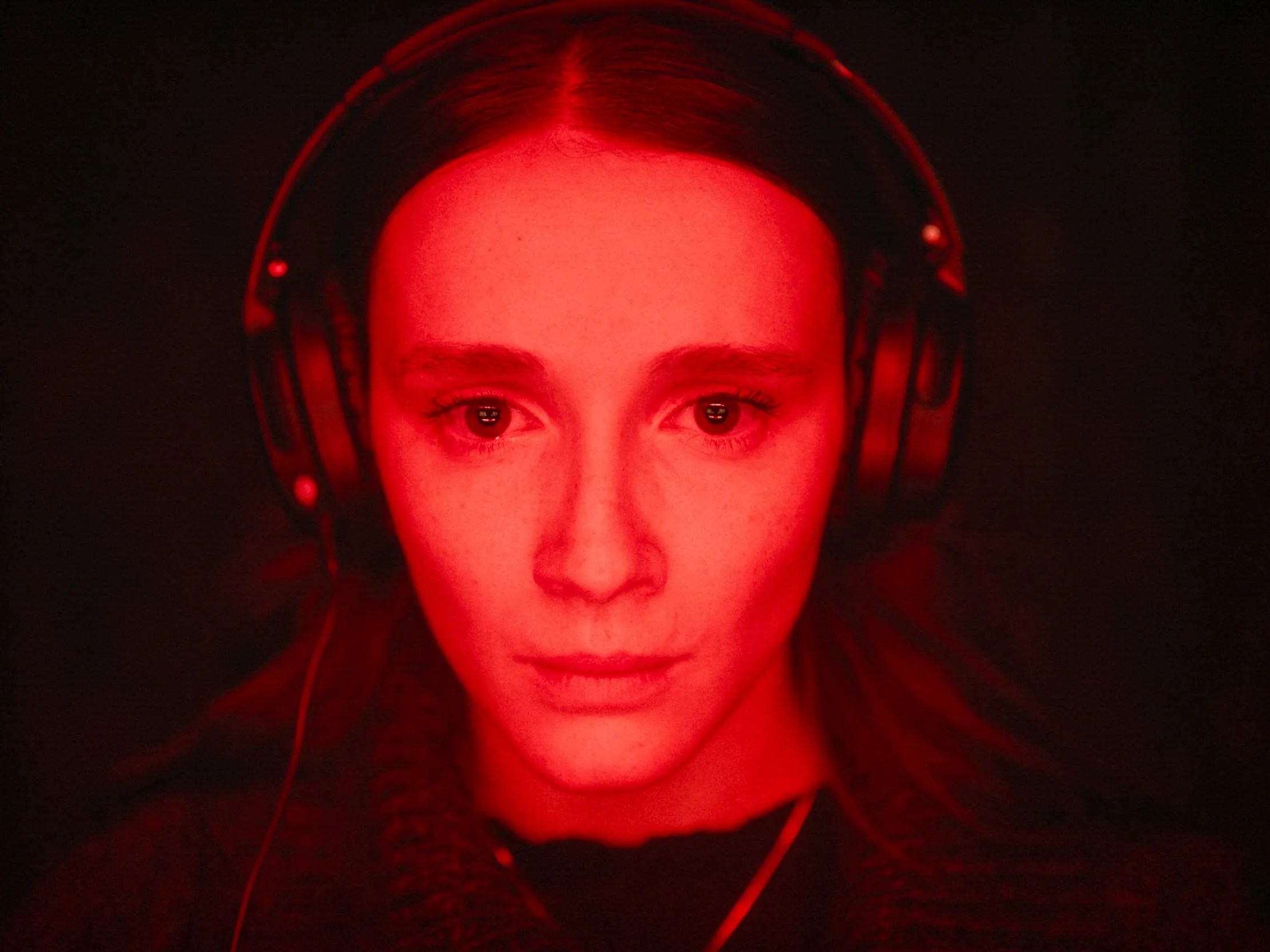
Faye Dunaway, who for my money was the actor who embodied the redefinition of women during the New Hollywood era – “the most exciting time in film,” she calls it in the new documentary from producer-turned-filmmaker Laurent Bouzereau. I couldn’t agree more. Dunaway’s chiseled, alluring countenance cut a striking image, and she was often a barn burner in her onscreen delivery. Dunaway would be Oscar nominated for her performances in “Bonnie and Clyde” (1967) and “Chinatown” (1974) and win the bald, golden guy for “Network” (1976). That body of work practically defined the time, with “Bonnie and Clyde” alone hailed as the cornerstone of a wave of classics that include the “Godfather” films, “The French Connection” (1971) and Monte Hellman’s “Two-Lane Blacktop” (1971). Bouzereau serves up a spry Dunaway (now in her 80s) reflecting on her childhood and marriage, relationships and affairs with Boston rocker Peter Wolf, film director Jerry Schatzberg (“Scarecrow,” “The Panic in Needle Park”) and Marcello Mastroianni among the starry lot. The Southern-born Dunaway had several ties to Boston besides Wolf: She attended Boston University, filmed the original 1968 “Thomas Crown Affair” with Steve McQueen here and sought regular guidance from playwright and Harvard professor William Alfred, whom she describes as the father she never had (her own father was an alcoholic, and her parents divorced when she was young). The jumping-off for the film is the iconic 1977 shot of Dunaway poolside at the Beverly Hills Hotel with her Oscar at an ungodly 6 a.m. the day after her win. The photo would lead to Dunaway marrying photographer Terry O’Neill; the couple would adopt Dunaway’s lone child, Liam, who in the film has much affection to offer about mom. Other talking heads that chime in are Mickey Rourke, who co-starred with Dunaway in the 1987 Charles Bukowski-inspired flick “Barfly” and fan-friend Sharon Stone, who broke a few glass ceilings in her own right, but there’s also no drop-in from “Chinatown” co-star Jack Nicholson. If there’s any downside to the film, it’s that it feels too curated by the actor and thus narrow in scope. Though we get Bette Davis making abundantly clear in one talk show clip that Dunaway was difficult to work with, even the Joan Crawford biopic “Mommie Dearest” (1981), which was critically drubbed at the time – especially Dunaway’s performance – gets spun in a way that pulls blame from Dunaway. The film touches on but does not delve into issues of mental health, a topic that feels so nonchalantly dropped in that it does the topic and the actor a disservice. “Faye” is a great rewind of one of (if not the) most defining periods in filmmaking, but holds the cards too tight on Dunaway as a person.


‘Skywalkers: A Love Story’ (2024)

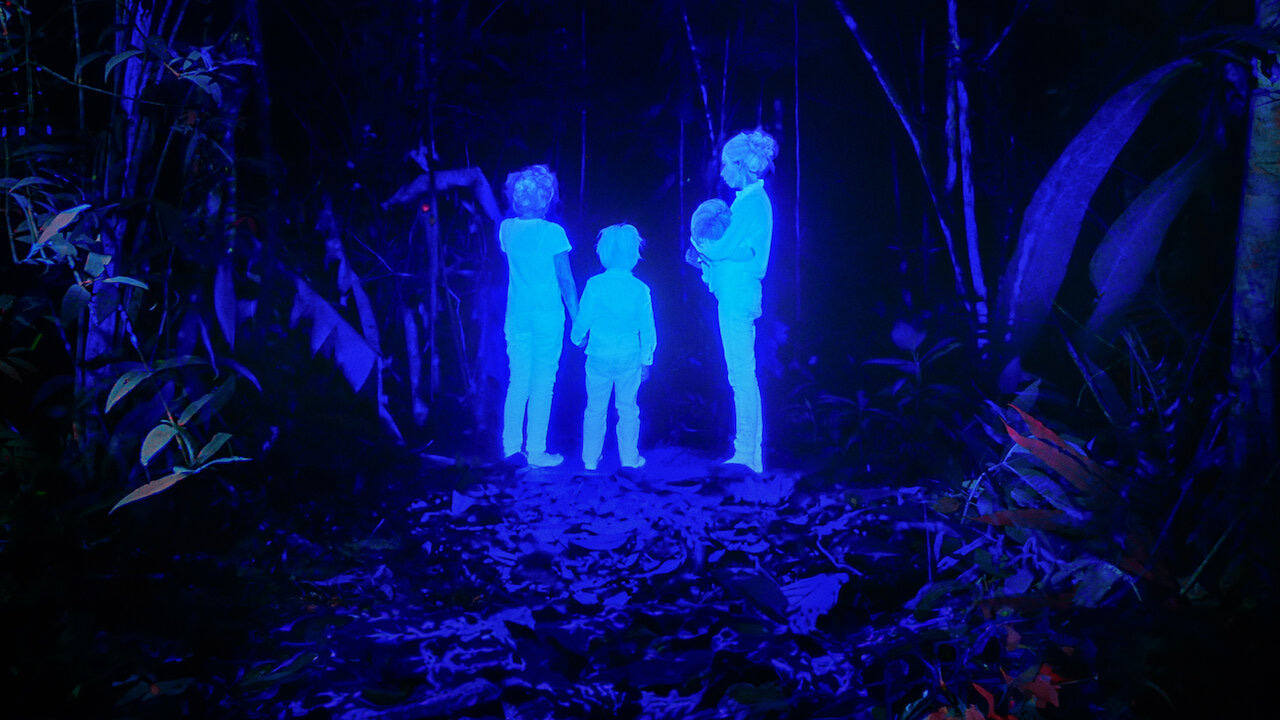
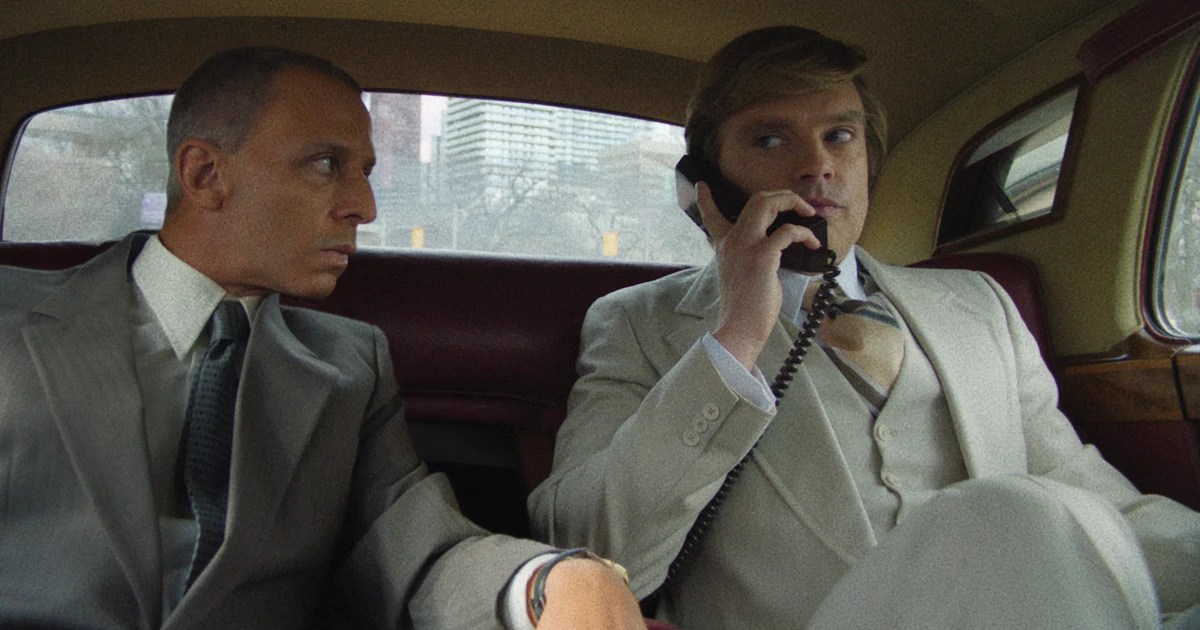
One part promotion piece and one part jaw-dropping derring-do, this doc by Jeff Zimbalist (“Give Us This Day”) follows Angela Nikolai and Ivan Beerkus, Russian rooftoppers (people who climb skyscrapers illicitly for thrills) who during the last World Cup finals seek to climb the near-completed Merdeka tower in Malaysia – a 2,227-foot structure, the second-tallest in the world. It’s not quite “Man on Wire,” the fantastic 2008 Academy Award-winner that showcased Philippe Petit’s wire walk between the the World Trade Towers in 1974 (neither uses nets or wires, so what’s the difference between 1,368 and 2,227 feet if you fall?), but it grips in its own right. The staging and planning aspects provide intrigue, with World Cup mania leveraged as a distraction, and there’s the added challenge of Covid that shuts off the pair’s sponsorship funding; the couple are undaunted. Zimbalist delves into their strained relationship and backstories to add depth, but it’s not deep enough or blended in seamlessly enough and, if anything, detracts. Much of the stunt footage was shot by the couple, as it’s their bread and butter to garner likes and dollars on social media. It would have been interesting had Zimbalist peeled back more on how social media translate into dollars and how some of the amazing footage is captured – from what’s given, we can infer there are GoPros, selfie sticks and drones, but it’s all so polished there has to be more to it. There are accusations that much of what the pair do is staged and manufactured digitally, and while it doesn’t seem so, it’s another thing the film glosses over. Nikolai and Beerkus are bona fide artists and know how to strike a pose atop the universe (Nikolai will often bring a fancy dress), and the shots looking down are viscerally dizzying – if you have acrophobia, this is your content warning. Everyone else should hang on all the way through: Some of the most impressive stunt footage is at the end as the credits roll.


‘Land of Bad’ (2024)

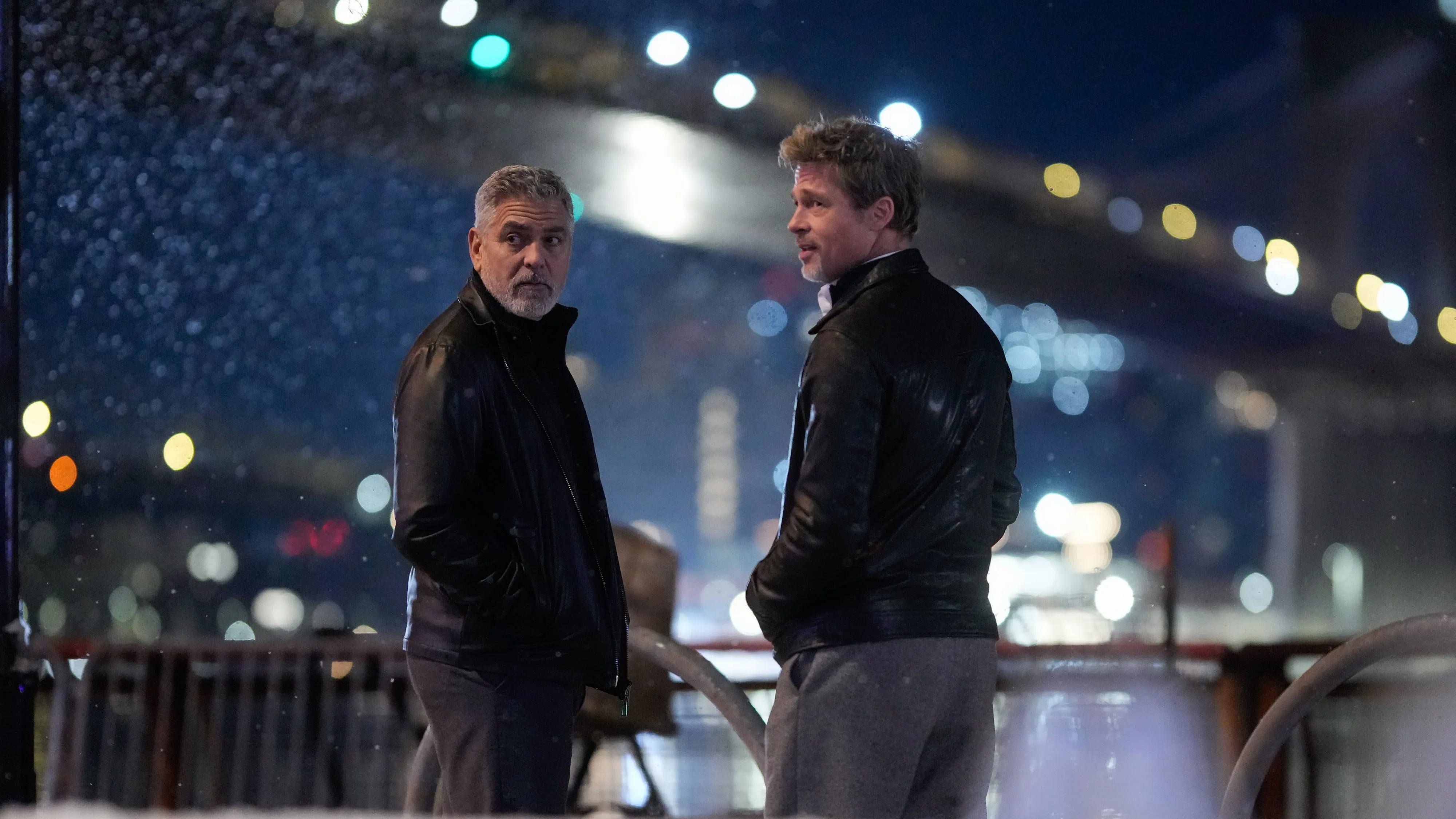
In this military actioner from director William Eubank in which U.S. Army Special Forces get dropped into a Philippine jungle to extract a CIA package, underpowered plot devices go off throughout: Turns out the simple in-and-out extraction isn’t so simple, as the camp the small strike force is sent into is a hive of international terrorists, largely unbeknownst to the smug higher-ups in intelligence. Shit goes south real fast, which leaves one soldier by the call name of Playboy (Liam Hemsworth) on the run from an endless “Assault on Precinct 13” horde of well-armed baddies. Getting to the extraction checkpoint is an endless task that keeps shifting as each possibility erupts into a new hot zone. The whole harrowing ordeal’s not far off from Marc Wahlberg-Peter Berg collaborations “Mile 22” (2020) and “Lone Survivor” (2013). Added to the mix is Russell Crowe as Reaper, a drone pilot back in Nevada keeping eyes on Playboy and occasionally firing off a Hellcat missile or two. (The two paired on the 2022 crime-thriller “Poker Face,” which Crowe directed.) Eubank, known for his lo-fi 2014 sci-fi thriller “The Signal,” delved into action with Kristen Stewart in the disappointingly unimpressive “Underwater” (2020) but improves here in his orchestration of race-against-time pow-bangs. Crowe and Hemsworth make the fairly pat play watchable, but Liam’s big bro, Chris (“Thor,” “Furiosa: A Mad Max Saga”) did the whole shebang a tad better in “Extraction” (2020), and “Guy Ritchie’s the Covenant” (2023) remains the best of the lot.


‘A Family Affair’ (2024)

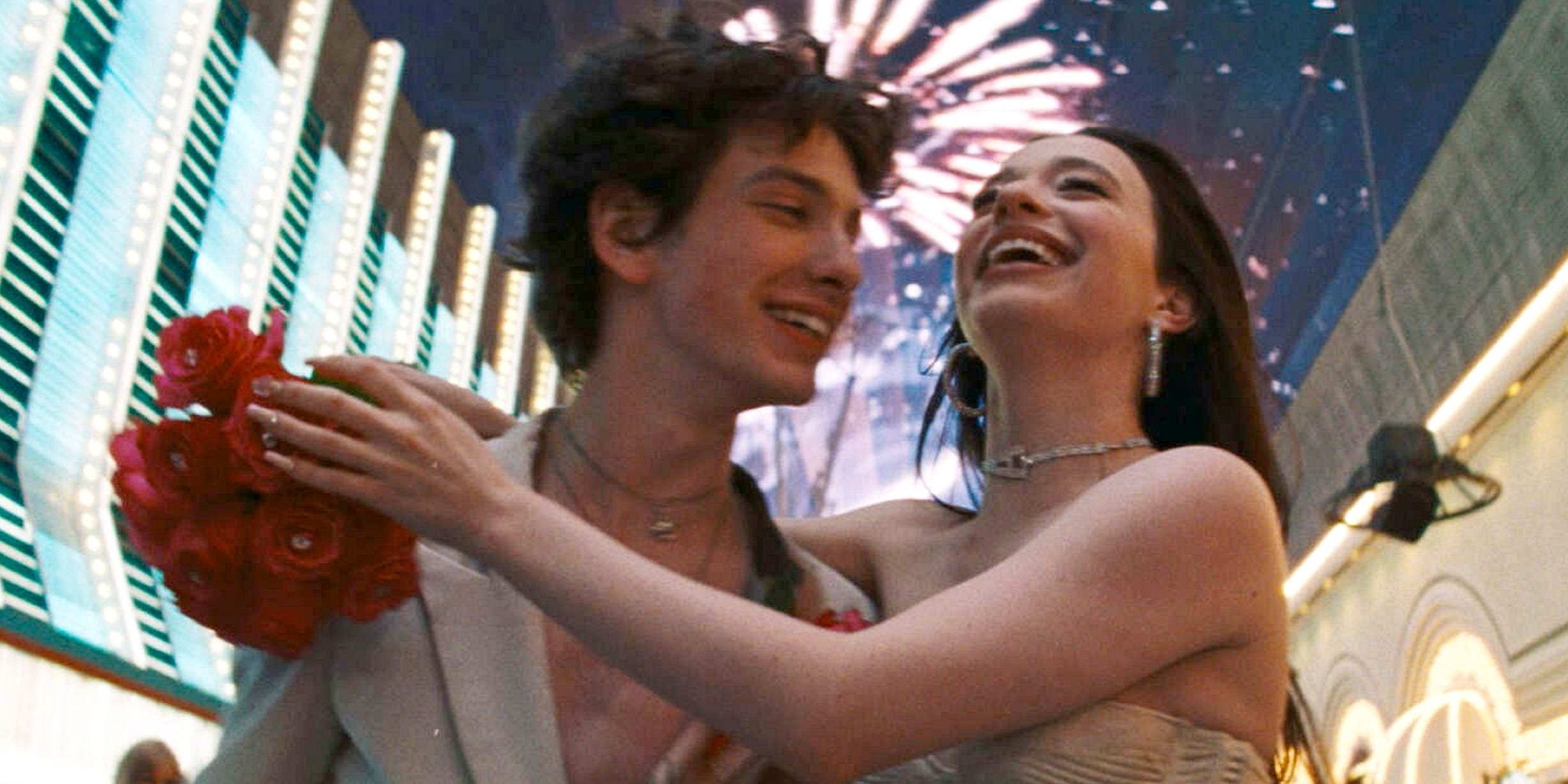
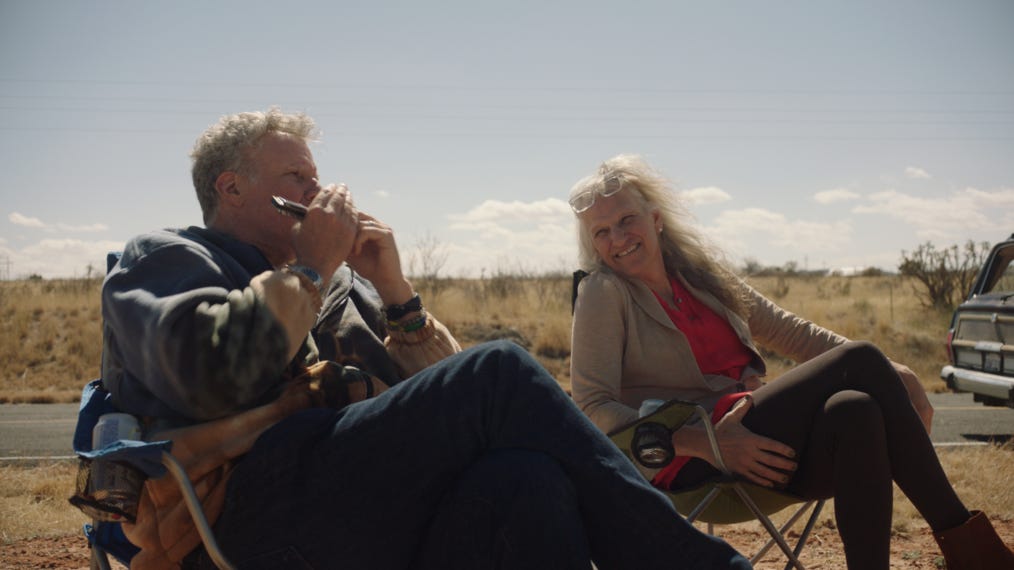
Light, silly rom-coms with predictable plots built around a Hollywood vet or two are a lo-fi way for streaming platforms to garner audiences. The Anne Hathaway mom-dating-younger-boy-band-hunk vehicle “The Idea of You” caught fire on Prime this year, and now on Netflix we have this Nicole Kidman-Zac Efron unlikelies-attract as Kidman’s widowed Brooke Harwood, an L.A. novelist, gets her groove back. She lives in a spacious, photo-worthy bungalow with her adult daughter Zara (Joey King, “The Kissing Booth”) who works for Efron’s Hollywood golden boy Chris Cole, something of a bland, watered-down hybrid of Tom Cruise and Robert Downey Jr. Chris is a dick of a boss who wants magical solutions to his first-world problems – my abs aren’t ripped enough, or my latte isn’t hot enough – and threatens to fire Zara in nearly every other frame. As you can expect, the family connection has him bumping into Brooke. Sparks fly, but Zara freaks out when she catches them in the act, especially knowing Chris is a serial dumper in addition to being a jerk to employees. The “affair” here, directed by Richard LaGravenese (“Living Out Loud”), is a plastic one, driven by hollow, entitled sorts with problems many would envy. Zara’s about the only one with a struggle that resonates (she wants to get into the film biz, but Chris keeps her locked into her gofer role). In the end, meandering the dew-misted produce aisles of a high-end boutique supermarket, she too gets shrink-wrapped.

Film Clips: “Touch” and “Long Legs

20 Jul

‘Touch’ (2024)

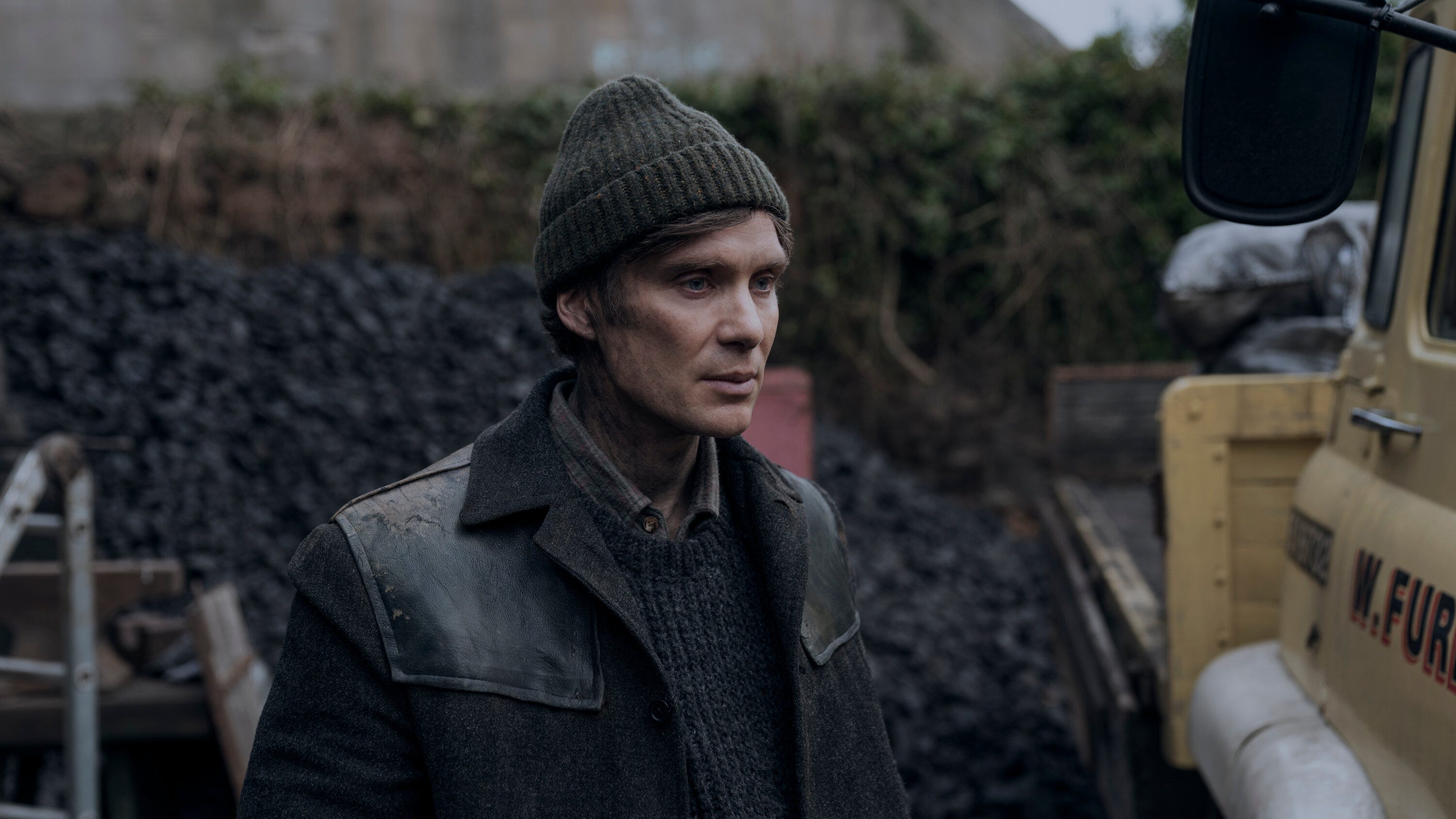
Not entirely a “missed connection” or even “the one that got away,” but more “the one that ran away.” Based on Ólafur Jóhann Ólafsson’s novel of the same name, Baltasar Kormákur’s pine-across-time-and-continents is bookended in two globally defining fates: the bombing of Hiroshima and the onset of Covid. Told in two timelines, “Touch” revolves around a 70-something Finnish gentleman by the name of Kristofer (Egill Ólafsson), a widower with a daughter who passes the time singing in a choir. He’s also recently diagnosed with early stage Alzheimer’s, and from his long, reflective face it’s clear he’s unsettled, memories a-flutter, unfulfilled; before the disease or virus can take hold, to London he goes, just as hotels and airlines are starting to mask up and shut down. The “why” we get in the other timeline – the 1960s – as a young Kristofer (played by the director’s son, Pálmi) drops out of school and takes up a job as a dishwasher in a Japanese restaurant. Kristofer bonds with the owner, Takahashi (Masahiro Motoki), who came to London to escape the pain and scars of the bombing, and with Takahashi’s daughter, Miko (Kôki). How events pan out in both timeframes take some painful and surprising turns. The ambient tenor orchestrated by Ólafsson is subtle and quietly moving, coming more from the soul and setting than from the flying of romantic sparks. It’s a reflective, internal story that plumbs tragedy and pain as much as it wells with hope and promise. The action takes place primarily in London with scenes in Finland and Japan; in this journey of the yearning heart, location is largely ancillary. The performers hit their marks well, though it’s hard to reconcile the lanky Pálmi with the stout Egill as the younger and older Kristofer. Given that much of “Touch” takes place in the kitchen of a Japanese restaurant, Ólafsson, the director, does a nice job of bringing the sensuality of the food to the fore, if not quite putting it in the company of “The Taste of Things” (2023) or “Babette’s Feast” (1987). 


‘Longlegs’ (2024)

All the hype about this serial killer chiller from Oz Perkins being the next “Silence of the Lambs” (1991) has been well chummed by releasing company Neon, almost to the point of the marketing becoming the reality. Nicolas Cage, also a producer on the film, makes for an unforgettable Hannibal Lecter-Buffalo Bill hybrid as the sadistic psycho of the title, and green FBI agent Lee Harker (Maika Monroe) pops out of the microwave like something of a reheated Clarice Starling as she lurches into dark, forbidding places looking to bag Longlegs. It’s a moody piece propelled by deftly heightened atmospheric dread and some great performances, but it blows its credibility in the final act, and much of what’s thrown onscreen from a crime investigation standpoint makes little sense despite all its ardor and articulation – the hand waving is impressive. Set in Oregon in the 1990s (Bill Clinton is the prez), there’s been a series of families killed over a 20-year period. The crimes look usually like murder-suicide by the dad, except for a series of cryptic notes left at the scenes. Early on we learn that Harker has innate instincts that go beyond profiling and may be tied to a childhood trauma. They get her put on the Longlegs case with senior agent Carter (a dutiful and on-point Blair Underwood). To say more about the plot would be to ruin the tense ride. Monroe was good as a stalked soul who fights back in “Watcher” (2022) and “It Follows” (2014) but is less effective here, if mostly because of the arduous bait-and-switch twists the plot opts for. Cage is unquestionably the reason to see the film: His well-meted appearances as the pasty, androgynous and indelibly ghoulish Longlegs make the film, though the upping of the ante gets to be a little much near the end. Also impressive is Alicia Witt as Lee’s mother, who has a few bad habits and more than a few skeletons in the closet. Perkins’ other films, including “The Blackcoat’s Daughter” (2017), have been equally dark and moody and on point in genre, but yet never quite transcended. “Longlegs,” with the killer turns from Cage and Witt, ups the game, but cliches and a soulless finale hobble it from reaching its full stride.

Share

A Quiet Place: Day One

2 Jul

Killer aliens in NYC? That calls for a slice of pizza, hunted silently

Are prequels necessary? I can say I had a damn good time with “Furiosa,” the “Mad Max: Fury Road” (2015) prequel this year and this, showing how world annihilation by alien invasion came to be a thing in the “Quiet Place” series. What the two films have in common is a can-do – er, make that, kick-ass – lead in the form of Anya Taylor-Joy in George Miller’s post-apocalyptic road-rage flick and here, in an apocalyptic preamble, the infallible Lupita Nyong’o, so compelling – and Oscar winning –  in “12 Years a Slave” (2013) and in two roles in Jordan Peele’s sophomore feature “Us” (2019). Nyong’o is the main reason “Day One” flies as Sam, a young woman who ostensibly has terminal cancer. She’s part of a hospice excursion (the only one without white hair and white skin) bused into New York City for a marionette performance. Then things go crash-bang out on the avenue. Meteors, or the like, are raining down. Explosions and soot and ash are everywhere. 

The imagery is evocative of 9/11. A disoriented Sam walks through the debris and billows of smoke, clinging to her service cat, Frodo, while survivors around her shout out for loved ones. For their efforts they are eviscerated by the velociraptorlike xenomorphs we came to know in the John Krasinski-helmed films. The bloody assault comes on like a flash, akin to the zombies in “World War Z” (2013). People are picked off and picked apart left and right, though as we know from Krasinski’s future chapters, this species of eradicating aliens can’t see; they home in for the kill by sound.

Cut-off survivors hole up in crumbling penthouse-crowned skyscrapers as military Black Hawks fly overhead. Those trapped in Manhattan are told to shelter in place silently and that boats will come to evacuate them – the military has blown the bridges around the island, having learned that water is pretty perilous to the invaders. Sam, with her wide, luminous eyes doing the communicating and Frodo in her clutch, has other ideas and heads for a visit to the old studio apartment where she penned poetry and to get a slice at the best pizza shop in Harlem. She’s going in the opposite direction of everyone else, but a British law school student (Joseph Quinn) tags along with her despite her gestured objections. 

Competently directed by Michael Sarnoski, who punched his ticket with the Nicholas Cage curio “Pig” in 2021, “Day One” builds with purpose and fervor, but ultimately drifts into the predictable.  The use of thunder and rain and a deflating car tire offer up nice flourishes, but not quite to the degree that Krasinski scored on the two chapters starring his wife, Emily Blunt. Djimon Hounsou, who had a significant role as Henri in “Part II” plays the crossover character trapped in the city with Sam. He’s in the film just enough to make the link; this is the Sam show. No Nyong’o, no movie.

The Bikeriders

23 Jun

The gang revs up to go idling through the heartland

By Tom Meek

In the latest from Jeff Nichols, a dying way of life receives a nostalgic elegy. Beyond the big gleaming chrome growl of the Harley hog, “The Bikeriders” is something of a kindred spirit to the 1983 Francis Ford Coppola adaptations of the S.E. Hinton novels “Rumble Fish” and “The Outsiders.” Like those gritty, spare portraits of Midwestern isolationism, “The Bikeriders” embeds us with a tribe who exist on the fringe of society and abide by their own laws. In this case it’s a fictional bike gang named the Vandals that operates on the outskirts of Chicago in the late 1950s and 1960s. The film depicts the chopper brigade as more misunderstood than hood at first, but there’s a shift from freedom of expression (“Easy Rider”) to the more criminal (“Sons of Anarchy”) as new blood infuses the ranks.

Inspired by Danny Lyon’s 1968 similarly titled photo collection – making it like Larry Clark’s provocative “Tulsa,” which was a film and book of photographs – “The Bikeriders” flexes epic aspirations early on while centering on the bromance between gang leader Johnny (Tom Hardy) and his mercurial sergeant-at-arms Benny (“Elvis” himself, Austin Butler) with Benny’s (initially) reluctant love interest Kathy (Jodie Comer, “Killing Eve”) regularly at odds with Johnny in a battle for the man’s soul, if you will. 

Lyon is a character in the film, played by Mike Faist (“Westside Story,” “Challengers”), who hangs occasionally with the Vandals and shoots them while carousing at their biker bar hangouts or drunken campground jamborees. Much of the film’s narrative is meted through his tape-recorded interviews with Kathy over the years as she recounts the rise and fall of the Johnny-led Vandals. It’s a neat device that allows the film to be agile in its temporal movements; the downside is that it saps the grit and grimness of the road and the gang. Imagine if Lorraine Bracco’s Karen Hill narrated “Goodfellas” (1990).

Nichols’ films – “Mud” (2013) and “Take Shelter” (2011) to name two – have generally been about discovery in the heartland. He stretches here. There are moments that punch and pull and others that feel like they are leading somewhere new yet never quite arrive. One of the film’s minor missteps is in Benny, a lone wolf and a romantic, as the film avers through the eyes of the deeply invested Johnny and Kathy. But the character we are given never feels as compelling as we are told. We buy it because of Butler’s ingrained natural charisma and his haunting splash of Johnny Depp’s “Cry-Baby” (1990) simmer.

Hardy (“The Dark Knight Rises,” “Mad Max: Fury Road”), a thinking man’s thug if ever there was one, does much of the heavy lifting as a man who relishes the power of his post but knows there’s a target on his back from the Vandal code, which says members can challenge him to fight to settle a disagreement or move up in rank. What Hardy renders onscreen feels pulled from Brando in “The Wild One” (1953) with a bit of a Boston accent poured on.

The cast of old-school riders is an eclectic mix that features Michael Shanon and Joel Edgerton, who have worked with Nichols before individually (“Take Shelter” and “Loving,” respectively) and collectively (“Midnight Special”), as well as Norman Reedus, who’s a natural on a hog (he did have his own motorcycle travelogue show on AMC); Emory Cohen, the crew’s lovable Squiggy, who goes by the moniker Cockroach because he likes to eat bugs; and Toby Wallace, who plays Sex Pistol guitarist Steve Jones in the Danny Boyle series “Pistol” and kindles more of that menacing youthful sneer here as The Kid, an ambitious punk who wants admittance to the Vandals but runs afoul of Johnny. It’s a Shakespearean kick that needed more revving for its payoff.

Shot by longtime Nichols collaborator Adam Stone, “The Bikeriders” looks the part, capturing the grungy, neon-lit shanty bars and vast farmlands in the day’s dying light. The performers are all in character too, yet the grind of the gangland network gets occasionally sidetracked and lost is in the melodrama of minutiae.

Furiosa: A Mad Max Saga

25 May

Series put in reverse to fill in the gaps on a map of dangerous ground

Hard to believe it’s been nearly 10 years since George Miller punched us all in the face with “Fury Road,” his amped-up reenvisioning of the post-apocalyptic “Mad Max” universe. A phenomenal cast and action scenes that arguably topped the original trilogy’s signature episode, “The Road Warrior” (1981), made that spectacle of a lawless world taken over by marauding tribal factions a reboot like no other. “Furiosa: A Mad Max Saga,” the new nitro-injected prequel to that 2015 desert storm, is a high-energy affair, to be certain. It doesn’t move the needle, but it is game to try to keep pace.

One of the perverse pleasures of those late 1970 and 1980s films (“Mad Max” and “Beyond Thunderdome” bookending “Road Warrior”) was Miller’s minimal backstory or world building. In voiceover we’re told only that fuel become scarce, nations went to war over it and nukes happened – leaning in on catastrophic climate change before COP 21 was even a glimmer in the U.N.’s eye. Then again, global nuclear warfare pretty much leapfrogs an environmental crisis. 

As always, scarce resources are the crux of conflict in “Furiosa” and the reason for the rise of ’roid-rage tyrants such as the Morlock-ish Immortan Joe or our new dispenser of wasteland sadism, Dr. Dementus (Chris Hemsworth), whose MO is drawing and quartering by motorcycle after a bit of “Squid Game” fun. (This younger Immortan Joe is played by Lachy Hulme, replacing Hugh Keays-Byrne from the 2015 film. Keays-Byrne, also indelible as Toecutter in the original “Mad Max” in 1979, died in 2020.) As we know from “Fury Road,” young, fertile women are worth warring over as well, or more so to be hoarded away in chastity belts with the intent to propagate legacies Genghis Kahn style. 

Miller and his longtime co-scribe Nick Lathouris, had a small part in the 1979 film, do a yeoman’s job of fleshing out the chaotic, dust-choked universe conjured up in “Fury Road.” In this chapter we actually get to go to the Bullet Farm and Gas Town, fortified encampments that loomed across the desert but were never visited or sieged by Immortan Joe’s pasty white phalanx of War Boys. “Furiosa” also becomes the first “Max” flick to play significantly off plot developments from another chapter (though to belie the title, while there is a Max stand-in, there is no one named Max). The film’s five segments begin in the Green Place of Many Mothers where “Fury” essentially ends, as a young Furiosa (Alyla Browne) is kidnapped by the minions of Dementus. Her mother (Charlee Fraser), a hell of a shot with a rifle, follows along in a pursuit. It’s long-simmering scene with the potent poetry of the grueling desert march from “Lawrence of Arabia” (1962). Jumping forward in time, an older Furiosa played by Anya Taylor-Joy (“The Queen’s Gambit,” “The Witch”) has been traded from Dementus to Joe to stave off a war and later, through near-death happenstance, goes incognito in Joe’s mountain cliff complex known as the Citadel. 

Given that what much of what goes down in wasteland has to do with dick waving (I mean, we have characters called Rictus Erectus, Scrotus and Pissboy) and prison-yard, alpha-male domination, the uneasy peace and trade accords with Gas Town and the Bullet Farm begin to fray, with Furiosa and her own agenda in play as war looms. This is also the first “Mad Max” to have hordes of equally matched factions go at it, not the haplessly underarmed and helplessly outnumbered stranded and beset in their own personal “Rio Bravo” (1959). And despite the outwardly mean, masculine veneer, like “Fury Road,” “Furiosa” is decidedly female in its humanist gaze and nurturing of hope for a better tomorrow. 

Taylor-Joy is seamless as the can-do, younger version of what Charlize Theron brought to the screen nine years ago. Equally superb is Browne as the adolescent Furiosa, and not enough can be said about Fraser’s mad mom, who may be the most formidable wasteland warrior of all. Hemsworth tries, but he’s no Lord Humungous, and his bawdy bad-ass retorts have a bit too much “Thor” jokiness to them. The other near miss is Tom Burke (Orson Welles in “Mank”) as Praetorian Jack, a weak-tea distillation of Mel Gibson’s morally ambiguous roamer from the initial films who lacks the harrowed, frying-pan-into-the-fire immediacy of Tom Hardy in the last go-round; a relationship dynamic between Jack and Furiosa that Miller aims for as they ride out into the wasteland in the requisite fortified tanker never really takes hold, because Taylor-Joy’s grease-smeared avenger is so much more fully baked and fire-breathing. 

“Furiosa,” as gorgeous as it is to take in, is long, and Miller and Lathouris unwisely rehash moments from past films (Gyro Captain ultra-lights, a botched Molotov catching fire on the legs of a hapless combatant and the whole “You want to get out of here, you talk to me” swagger line, among the many) as homage, which just weakens them. You can’t fault the film’s furious pacing, jaw-dropping action sequences and dutiful connecting of dots, but is it needed? “Fury Road” was a mic drop; “Furiosa” is a victory lap, the “Silmarillion” of the series. 

Kingdom of the Planet of the Apes

11 May

Reboot hails Caesar

And so we enter into our next “Planet of the Apes” trilogy. Back in the ’60s and ’70s, theaters were packed for people in ape suits chasing after hunky Hollywood sorts such as Charlton Heston (the 1968 original with a script by “Twilight Zone” creator Rod Serling) and James Franciscus (“Beneath the Planet of the Apes”) playing men caught out of time and in the wrong place – a world ruled by talking apes where humans were largely mute also-rans. They were the kindlings of the blockbuster before there was “Jaws” (1975) or “Star Wars” (1977) Those films, all starring Roddy McDowall, were a five-pack with the actor playing the demure, science-minded chimp Cornelius in the first three and then his son, Caesar in the last two, “Conquest for the Planet of the Apes” (1972) and “Battle for the Planet of the Apes” (1973).

Skipping over Tim Burton’s 2001 stinker, the 2011-2017 trilogy (“Rise,” “Dawn,” “War for …”) wasn’t so much a reboot as a retooling that leveraged CGI and the talents of motion-capture actor extraordinaire Andy Serkis playing the series centerpiece, Caesar, who leads the apes out of human tyranny and along the path to a peaceful sovereign existence. In that series, apes achieved higher intelligence and the ability to speak because of humankind’s meddling and experimentation, while humans turned aphasic and dimwitted due to a virus that pretty much shut down the planet – this being pre-Covid, mind you. 

“Kingdom of the Planet of the Apes” is a new grab at a franchise (“From the beginning we thought about this as a trilogy,” director Wes Ball told Empire) that serves up a warm embrace of Caesar and his legacy. Since “War for the Planet of the Apes” the solidarity of ape-dom has fragmented and gone feudal. We’re a few generations out as the eagle clan of apes, a peaceful treehouse encampment-aviary, raise eagles to help them fish, scout and defend themselves. Humans are rare and believed to be near extinction. 

Our protagonist is Noa (Owen Teague), a coming-of-age chimp whose father (Neil Sandilands) is leader of the clan and harsh to his own. On an excursion to find coveted eagle eggs and rise in rank and stature, Noa and his posse see signs of a lone human in the woods and other forces moving through the valley as well. The latter turns out to be a column of soldier apes sent forth by a bonobo known as Proximus Caesar (Kevin Durand), who, like any good Roman leader seeking to expand the empire, does so by sacking and enslaving – which is exactly what happens to the eagle clan. In the aftermath Noa links up with Raka (a beautifully baritoned Peter Macon), a hermit orangutan well versed in the teachings of Caesar (“Ape not kill ape,” which Proximus Caesar, who trades on the name for effect and de facto authority, violates regularly) and keeper of books, which Noa has never seen. Noa’s also never seen a human, but sure enough, the waif in the woods, (Freya Allen, “The Witcher”), now trailing them for food scraps, comes out of the dark and joins them on their quest to infiltrate Proximus Caesar’s seaside fortress – an enormous, rusted-out aircraft carrier or cargo ship beached up against the rocky cliffside – and free the eagle clan survivors, Noa’s mother and a budding love interest among those imprisoned. It’s no spoiler to say that Allen’s Mae (the apes call all human women “Nova” by default) can speak, which blows even Raka’s mind.

The film’s gorgeously shot and boasts some imaginative world building, but there’s a lot going on, perhaps too much: Proximus Caesar’s larger agenda is to gain access to an old military silo for the ostensible humanmade war machine relics inside; to date, their big tactical weapon is an electric cattle prod; other than that, it’s knives, spears and fists. Several plot threads never get tied up, and Noa and Mae are thinly drawn – twice as much so if you hold them up against Serkis’ Caesar. Part of that is the uneven pacing by Ball, who cut his teeth on the “Maze Runner” series, another dystopian sci-fi concept. That said, there are some nice homages to the 1968 original, including a dark horse ambling regally down a deserted beach, those eerie scarecrow totems from the forbidden zone and the ominous trumpeting of a ram’s horn before a siege.

The film is less steeped in the metaphorical references to slavery and racism layered into the 1963 “Apes” novel by Pierre Boulle (who also wrote the novel that “The Bridge of the River Kwai” was based on) and more front and center in the earlier franchise. What we do get is some megalomaniacal clinging to power that feels Trumpian and plenty of fair digs about human hubris and the past due to repeat itself, as well as the perils of game-changing war technology falling into the wrong hands. Not much of it’s fresh, but it is dutiful and likely do well enough to ensure the next two chapters before another pause and a reboot. It’s how it goes, damn them all to hell.

Film Clips

27 Apr

Of Beavers and Boys, reviewed: ‘Hundreds of Beavers’ and ‘Boy Kills World’

Cult camp is an odd genre bucket that collects a vast variety of films dumped there for varying reasons. Some (“El Topo,” “Barbarella” and even the recently released “Sasquatch Sunset”) end up there by design; others (“Showgirls,” “Mommy Dearest”) wind up there because they’re unintended, rubbernecking-worthy spectacles. Two films from this week’s roundup land there with mixed results: “Hundreds of Beavers,” which had a held-over-by-popular-demand extended run at the Somerville Theatre this year and is now available on streaming platforms, and “Boy Kills World,” which played as part of the Boston Underground Film Festival at The Brattle Theatre and opens at Apple Cinemas Fresh Pond on Friday. Two different films with distinctly different outcomes.

‘Hundreds of Beavers’ (2022)

“Beavers,” co-written by director Mike Cheslik and star Ryland Brickson Cole Tews, shoots for something new and markedly left of center. What the pair has concocted is slapstick, silent-era comedy mixed with loopy Looney Tunes animation and modern-day special effects. Made for a mere $150,000, the film has a premise that feels affectionately borrowed from Chaplin or Keaton: A 19th-century applejack seller named Jean Kayak (Tews), perpetually hopped up on his own hooch, gets into a skirmish with an army of beavers in the frozen wilds of the northern Midwest – think “Jeremiah Johnson” (1972) by way of “The Gold Rush” (1925). The beavers aren’t cute CGI creations, but dudes in suits with ginormous buckteeth. There’s something to do with a fur trader (Doug Mancheski) and his winsome daughter (Olivia Graves) whom Jean fancies, but it’s mostly Jean versus the bevy of beavers with cartoonish boinks and bams and some fairly taxing physical comedy performed by Tews as he hops from one log to another in a sawmill and slip-slides his way across the ice as a legion of angry beavers chases after him. No dialogue is spoken, and it’s shot in black and white. The experience (did I mention the daughter is pretty good at disemboweling beavers with a knife?) gets a bit repetitious, but Cheslik and Tews, all in on the hijinks, save some zaniness for the last go-round.

whitespace

‘Boy Kills World’ (2023)

“Boy Kills World” jumps out of the gate with promise; in the near dystopian future the aristocracy keep the masses in check with an annual lottery/purge called the “Culling.” What the film is, however, is a fairly pat, years-in-waiting revenge drama centered on a warrior known just as Boy (Bill Skarsgård, “Barbarian”) under the tutelage of a sensei (Yayan Ruhian, from the “Raid” films and “John Wick: Chapter 3 – Parabellum”) to beef up and exact revenge on Hilda Van Der Koy (Famke Janssen), the elitist who sanctioned the execution of his parents when he was an adolescent. The gimmick is that Boy can’t talk, yet the whole movie is narrated by him in voiceover. That’s done by H. Jon Benjamin (the voice of “Archer”), who makes Boy sound something like a cross between the gruff growl of Christian Bale’s caped crusader in Christopher Nolan’s “Batman” trilogy with the wily witticisms of Bruce Campbell in any of the Sam Raimi “Evil Dead” flicks. That is somewhat fitting, as Raimi serves as executive producer here, and though directed by Moritz Mohr, “Boy Kills World” has plenty of Raimi influences. The plot of rebel forces fighting an aristocratic tyranny means comparisons to films such as “V for Vendetta” (2005) are sure to drop, but the lesser, forgotten 1992 Mick Jagger vehicle “Freejack” is the more apt comparison, as the fun of watching Skarsgård the avenger’s parkour-propelled takedown of legions of baddies ultimately palls. Skarsgård, almost as jacked as older bro Alexander was in “The Northman” (2022), makes for an impressive onscreen presence, as does Jessica Rothe as the skilled assassin known as June27 equipped with a neat combat helmet that’s a cerebral message board of sorts. It’s too bad the narrative arc they ride isn’t as sleek and mean

Challengers

20 Apr

Triples tennis, lacking in rules

Luca Guadagnino knows how to stoke the erotic and push the boundaries of moral comfort (and then some) while delving into complex, fully formed souls living preternatural existences on the fringe of society. Take “I Am Love” (2009), in which Tilda Swinton played a well-to-do wife having an affair with her cook, or Timothée Chalamet as a fine young cannibal in “Bones and All” (2022) or even Guadagnino’s Oscar winner “Call Me by Your Name” (it won Best Screenplay and Chalamet and the film were nominated) that made him an international talent. They’re all rooted in viscerally deep carnal connections.

His latest, a fierce, fast passion play, hops into the ranks of pro tennis at the level just below Serena and Federer superstardom. You’re immediately wowed by bristling chemistry between its three wholesome leads, the raffish Josh O’Connor, also now on the screen in Alice Rohrwacher’s “La Chimera,” Mike Faist, who broke through as Riff in Steven Spielberg’s “West Side Story” (2021) and Zendaya, currently ruling the desert in “Dune: Part Two.” O’Connor and Faist play Patrick Zweig and Art Donaldson, besties since the age of 12 and more than pretty good with a racket. The flashbacks to their teenage doubles matches are showcases in cocky bravado that spill over into the after-parties that are all about netting members of the opposite sex. Now, however, the two are not so close. Art’s looking to play in the U.S. Open. He’s got a slam within his reach, but a recent slide has his confidence shaken and his game off, so his wife-coach Tashi (Zendaya) decides to have him play in a warmup tournament in nearby New Rochelle. It’s B-league, sponsored by a local tire outlet, but also draws Patrick, who lives pretty much hand to mouth sleeping in his car at tourneys. They haven’t seen each other in nearly 13 years, since Art won the hand of Tashi – who had been dating Patrick.

In rewinds (there’s a bevy of ’em, but with the help of Trent Reznor and Atticus Ross’ electric score and some slick, attentive costuming, it’s done pretty seamlessly) we learn that Tashi – then Tashi Duncan – was the next big thing in tennis, a Naomi or Coco heading to Stanford before owning the world. A knee injury changes all that. The three initially meet at a tourney where Tashi is the big draw. At the trophy awards ceremony, both lads jockey for her favor and invite her back to their stylish hotel room for a beer. Ultimately the evening turns into a three-way makeout session, with Tashi subtly sliding out of the triple tongue tickle, which proves to be an eye-popping realization for Art and Patrick and emblematic of Tashi being perpetually one step ahead and pulling the strings.

As energetic and comely as our gamers are in the reignited love triangle, there are reasons for pause. Namely their stoic, unbridled sense of self interest and lack of emotional connection or fealty; Art and Tashi have a young daughter in a hotel room she scoots out on to have illicit meetups with Patrick. It’s like a 150 mph ace serve, awesome to behold but hollow, if that’s all the match is: Pretty but cold, not the intoxicating grit of a hard-fought Connors-McEnroe marathon hanging on every stroke, antic and bead of sweat. That happens in the on-court sequences, which are viscerally and kinetically staged, but not off-court. The fault is not on the performers so much as on the script by Justin Kuritzkes, which has zing and zip but not depth. In execution it’s not far from Zendaya’s 2021 outing “Malcolm and Marie,” in which Sam Levinson’s framing of a marriage pushed to the edge is more cool conceit than credible lived experience. How “Challengers” ends, there’s no true match point. That may sit well with those smitten by the film’s postured aesthetics, but others searching for something more reflective will likely be left at the midcourt line, tennis’ version of no man’s land.

Short Takes: “The Ministry of Ungentlemanly Warfare” and “Sasquatch Sunset”

20 Apr

Sasquatch Sunset

David and Nathan Zellner churned out quirky, experimental indie works such as “Plastic Utopia” (1997) and “Goliath” (2008) and later veered into slightly more digestible alternative fare with “Kumiko, the Treasure Hunter” (2014), about a depressed Japanese office worker obsessed with the movie “Fargo” (1996) who searches for that film’s lost suitcase of cash. They opt for something more fantastic and scatological here as they embed us in a group of Sasquatch over the course of a calendar year. The film’s not far off from “The Dawn of Man” sequence in Stanley Kubrick’s “2001: A Space Odyssey” (1968); no human words are uttered, though there are plenty of human gestures. Amid the lush greenery of the Pacific Northwest we get to know our clan of cryptids; the brusque alpha male (co-director Nathan Zellner), the lone female (Riley Keough), the more demure junior male (Jesse Eisenberg) and an ostensibly adolescent ’squatch (Christophe Zajac-Denek). Early on we get a fairly gratuitous sex scene right out of “Clan of the Cave Bear” (1986), then there are bouts of masturbation and self-exploration of genitalia (yup, you get full-frontal bigfoot). As base as that may sound, the film unfurls more like a stock nature documentary until things move toward the comic and absurd: Employing a turtle withdrawn into its shell as something of a cellphone; or the alpha munching on what can best can be described as herbal hallucinogens and laying his desire for sex on a mountain lion, which does not go so well. It feels like “The Three Stooges” by way of Nat Geo, and near going over the top. There’s plenty of pissing and shitting too, especially when the clan discover a logging road running through their territory (it’s up to this point that it’s unclear if we’re in the Paleolithic or the present) and experience the need to mark it. As much as you could say it’s a “Beavis and Butt-Head” spin on the Pakuni from the 1970s Saturday morning TV staple “Land of the Lost,” there is vulnerability, fear, compassion, grief and a sense of community that registers onscreen. Well crafted (the costume, makeup and cinematography impress), “Sasquatch Sunset” is at turns weirdly touching and, as the title suggests, there is the heartbreak of witnessing what may be the last of a rare breed.


The Ministry of Ungentlemanly Warfare

The title might tie you up with thoughts of “The League of Extraordinary Gentlemen,” and isn’t too far off – both are about teams assembled by the British government to stave off evil forces with world domination in mind, and both have links to James Bond (more on that later). Beyond that, one is based on a comic book and the other on the real-life derring-do by a ragtag team of World War II commandos trying to cripple the Nazi naval war machine as Britain remains the lone European holdout against Hitler and prays for the entry of the United States into the war. 

Based on Damien Lewis’ 2016 nonfiction book spun up from Winston Churchill’s declassified papers, the Guy Ritchie-helmed film homes in on Operation Postmaster, one of Churchill’s unauthorized and unsanctioned covert ops that proved instrumental in swaying the balance of power in the war.

The rich potpourri of strapping can-dos is led by Maj. Gus March-Phillips (Henry Cavill, aka Superman, rocking a killer handlebar mustache), sprung from the brig for the suicide mission. With him are explosives expert Freddy Alvarez (Henry Golding, “Crazy Rich Asian”), Henry Hayes (Hero Fiennes Tiffin), captain of the modest fishing vessel used for the operation, and gleeful Scandinavian killing machine Anders Lassen (Alan Ritchson), who would give Alexander Skarsgård’s berserker in “The Northman” (2022) a run for his money in bloodletting and wear a broad beaming smile while doing it. The target is a critical Nazi supply ship (of CO2 filters for U-boats) and ammo depot on the West African island of Fernando Po, then a Spanish colony. Along the way the raffish rascals sink a Nazi patrol boat, liberate tactical strategist and ladies man Geoffrey Appleyard (Alex Pettyfer) and tangle with a British destroyer. They have operatives on the island as well with Richard Heron (Babs Olusanmokun) who, a la Rick in “Casablanca” (1942), runs a casino, and club chanteuse Marjorie Stewart (Eiza González), who’s deadly with a pistol but oft dangled as bait to ply Nazi command.

Ritchie, known for his cheeky, stylistic verve (“Lock, Stock and Two Smoking Barrels” and “The Gentlemen”), which the director set aside for his other “truly happened” effort “Guy Ritchie’s The Covenant” (2023), reverts pleasingly back to his roots. It’s “The Guns of Navarone”(1961) if reenvisioned through an “Inglourious Basterds” (2009) lens. The cast is all in, even if the narrative, long for its two-hour running time, ebbs when it should be cresting.

Back to that Bond thing: Under hushed asides from Churchill (played by Rory Kinnear, so electric in “Men” but no Gary Oldman here) there’s a Brigadier Gubbins code-named “M” (Cary Elwes) and his aide, a young Ian Fleming, the guy who would go on to pen the secret-agent novels–allegedly inspired by Cavill’s suave Major. The original 007, Sean Connery, played Allan Quatermain in that other “Gentlemen” movie. 

The Beast

12 Apr

Meeting again for the first time, hopping from disaster to disaster via DNA

Bertrand Bonello’s unsettling yet alluring contemplation on fate and the future, “The Beast,” is an enigmatic weave of three periods in which two actors – Léa Seydoux (“Dune: Part Two,” “Blue is the Warmest Color”) and George MacKay (“1917”) – play roughly the same attracted-to-each-other, but unable-to-connect souls. It’s based loosely on or, I’d say, more inspired by Henry James’ 1903 short story “The Beast in the Jungle.” In the story, a fickle man of stature feels fated to suffer infamy, and as a result, lives a cautious, coddled existence trying to avoid the inevitable. The punchline is that it’s this that makes him notorious. Bonello’s reimagining is more “Cloud Atlas” (2012) by way of “Mulholland Drive” (2001) than anything truly Jamesian.

The film begins with Gabrielle (Seydoux), a pianist and French socialite, perusing an art exhibit in a Parisian gallery circa 1910. Amid the meandering cascade of transmogrified nude men captured in various torturous states, mouths agape and phalluses prominently on display, she bumps into a young British aristocrat named Louis (MacKay) who claims they have met before. Whether the claim is true or a ploy, the connection between the two feels instant and deep and immediately illicit, as Gabrielle’s husband is in the next room. The flirtation as they walk and talk in dour, somber tones isn’t sexual per se, but more soulful, as Louis vows to be Gabrielle’s savior when she, à la James’ protagonist, professes a perpetual fear she cannot fully articulate. From there we jump to 2044 Paris with Gabrielle working with an AI assistant – they have progressed to fully realistic, near-flesh incarnations and can even engage in sex – to try to find work, but can’t because she is too cluttered by emotion (that fear?) and thus less desirable (because emotions make you less effective, or so that is the premise). In both the Belle Époque and future Paris, the streets are nearly bare, as if a pandemic or apocalypse has occurred. All we ever see is Gabrielle and maybe one or two other wandering souls. The gorgeously shot, stark framing is beyond visceral, and that 1910 timeframe is intentional: The sequence takes place right after the Great Flood of Paris, when the Seine overflowed and the streets were knee deep in water, a historic occurrence that later folds into the plot with dire consequences as Lous and Gabrielle pay a visit to the doll factory owned by her husband (a stoic and purposeful Martin Scali).

The third and most jarring of threads takes place in Los Angeles 2014. Gabrielle is an aspiring actor housesitting a spartan glass manse in a upscale neighborhood while Louis, a never-been-kissed incel who vlogs his hate for women, catches sight of Gabrielle at a club and begins to stalk her. Like that Parisian flood, it’s a natural catastrophe – an earthquake – that becomes an agent of fate for the two.

Given all the time and personal hopping, Bonello’s tight narrative control is more than a neat party trick, but beyond that it’s the immersed performances by the actors that compel. Seydoux, whose Gabrielle is driven by a perennial sense of not knowing and doom, is the more rooted across the chapters, though her opening green screen scream scene and audition clips are priceless, eye-popping pullouts. MacKay is the one asked to do some broad changeups, toggling from dutiful gentleman to angry misogynist blaming the world for his failures. You know that in the filmmaking process there was time to change wardrobe and get into character, but as rendered it feels like bold turns on a dime – a wonderment, to be sure.

Pages from other films are clearly borrowed, but feel new. Gabrielle 2044 undergoing a DNA purification process to become a more employable candidate lies in a black isolation pool with a mechanical arm inserting a long needle into her ear. It’s a scene that feels pulled right from a Cronenberg body mutilation movie, which is hauntingly apt; Seydoux appeared in the auteur’s most recent endeavor, “Crimes of the Future” (2022). With the human-AI emotional connection there’s “Her” (2013), and a bit from Michael Haneke’s grim “Funny Games” (1997 and 2007), in which the rewind of video footage plays into the reshaping of the narrative.

The essence of “The Beast” is not unlike Kar-Wai Wong’s haunting elixir “2046” (2004). It’s imbued with a sense of bridled passion as the future and the past inform and influence each other. There’s dread and desire in every frame. Not all of it clicks, but overall its tonality mesmerizes, captivate and drives at you from within.