Written and directed by Brent Dawes and Phil Cunningham, “David”’s animation is on par with Pixar. It sticks to the part of the Biblical story that chronicles the rise of the young shepherd and poet who would become the unifying King of Israel. Of course, David slays Goliath, repels the Philistines, deals with King Saul’s January 6th cling to power and ultimately makes Jerusalem the capital of Israel — all this around 1,000 BC. David (well voiced by Brandon Engman) is an earnest, reluctant leader full of brio, no matter the tall odds.
Scenes of battle and violent conflict are tres G-rated—think fights in “The Lion King.” As David matures as a military leader, he is not the conflicted warrior king depicted in the streaming series “House of David” and the Bible itself, the one who commits adultery with Bathsheba and subsequently hatches a plot to kill her husband. No, this David often breaks into song and follows prophecy to the letter. It’s crisp animation and tight story-telling.
Eyeballs are gouged, testicles put to a blade, and blood spurts in this Sam Rami film. It’s not quite as gory as Rami’s “Evil Dead” films, but it is not exactly shy. Rachel McAdams, dorked out with greasy hair and frumpy clothes, plays an office drone at some cutting-edge tech company. Linda Little is a numbers geek, apt to rise from her cubicle and chat up her bosses with tuna fish smeared to her upper lip. Bradley Preston (played by Dylan O’Brien of “Maze Runner”), becomes Linda’s new boss after his father dies (“Evil Dead”’s Bruce Campbell). Bradley, the jerk, welches on a promised promotion and relocates her to a new Bangkok office. Linda learns of the betrayal en route to Thailand with Bradley and his biz-school bros. The plane goes down, and Linda—a “Survivor” aficionado who has dreamed of a role on the show—suddenly becomes indispensable in hunting, kindling and scavenging. The sex-and-power reversal evokes Ruben Östlund’s darker “Triangle of Sadness” (2022). But “Send Help,” driven by flimsy pretexts for improbable hidden agendas, takes a softer bite of social commentary. The film has Linda and Bradley transitioning from uneasy codependency to something resembling “Lord of the Rings” without earning it. What begins as an empowerment fantasy grows banal. “Send Help” is whimsically entertaining. McAdams’s bravado carries the paunchy plot.
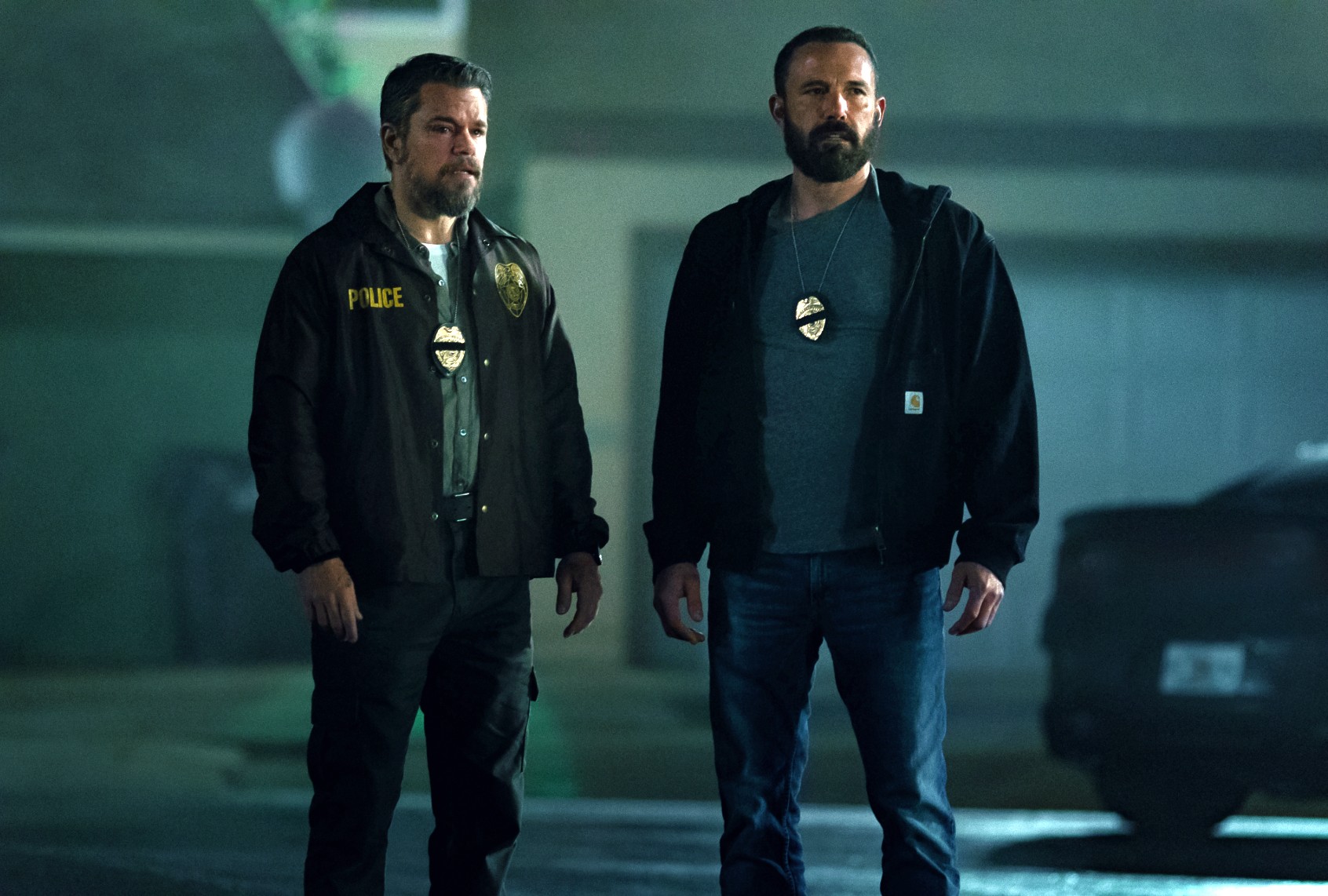
With a cast of Ben Affleck, Matt Damon, Teyana Taylor, Kyle Chandler and Stephen Yeun, one couldn’t possibly go wrong, right? All but one have been nominated for, or won, an Academy Award. Alas, in “The Rip,” writer/director Joe Carnahan (“Boss Level,” “Copshop”), bobbles the ball here with an overly complicated script that confusingly employs misdirection.
Cambridge besties Affleck and Damon play Miami detectives J.D. Byrne and Dane Druthers, who are caught up in the aftermath of another detective (Lina Esco) being executed while investigating the “stash house” of a drug cartel. Byrne and Druthers are brought in for questioning about the murder. But they also have a lead on the house and assemble a crew of trusted associates (Taylor, Yuen, and Catalina Sandino Moreno) to move in. Inside they find only a young woman (Sasha Calle) house-sitting what she says is the property of her recently deceased grandmother. When $20 million in bills is found in plastic paint buckets in the attic, she claims ignorance. Druthers takes everyone’s cellphone while he “figures thing out,” then, a-la “Assault on Precinct 13,” the streets around the abode go vacant, telephone pole lights start to blink and a barrage of bullets fly. The sum of “the rip” (confiscated drug money) was initially purported by intel to be 150K, so right away we know something’s off and that one of the crew is the rat that killed Esco’s cop and is trying to abscond with the green. As suspicions rise, hidden agendas surface and outside forces add to the pressure point. The result is a clunkier “Reservoir Dogs” (1992) or “The Usual Suspects” (1995). Affleck and Damon lean into their parts, though most of the rest of the cast, save Calle, hang in the orbit of their swagger. That’s part of the problem with this big budget escape room caper – it’s more about muscle than character or intrigue. You really want to like “The Rip,” but its stitching is too loose.
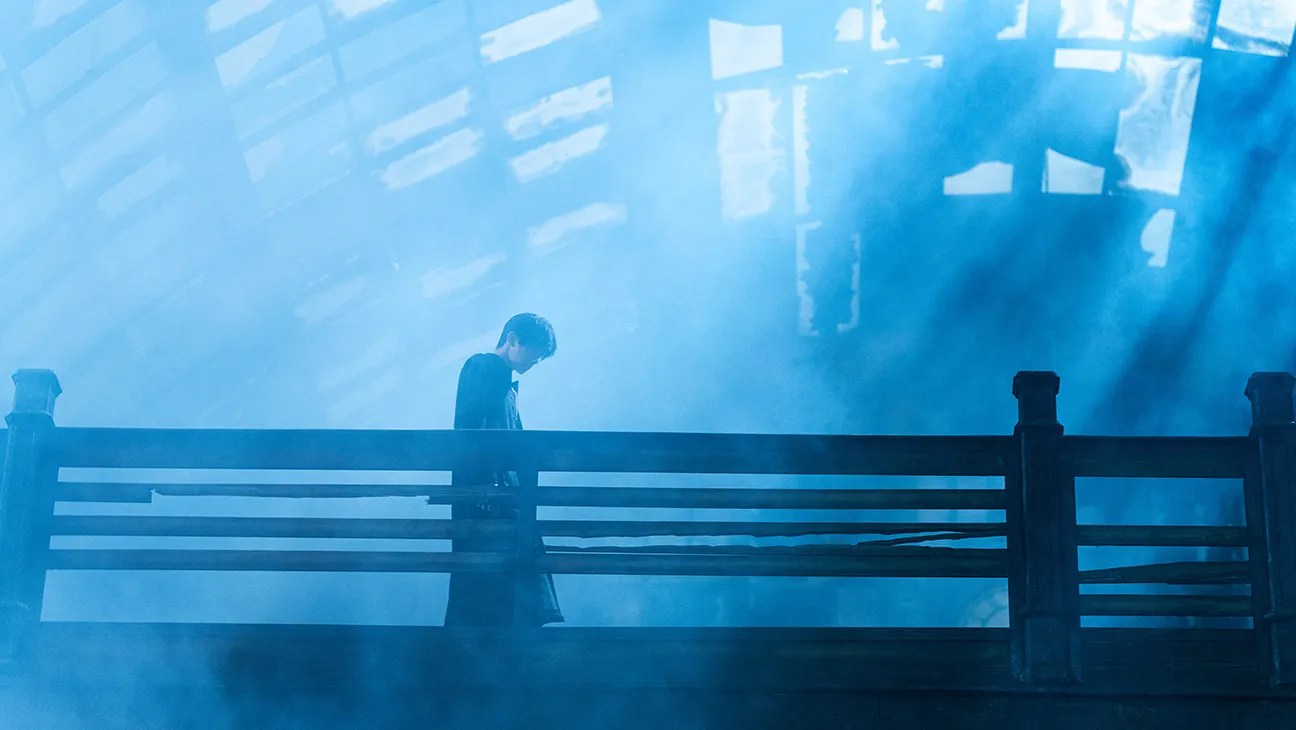
Bi Gan’s dazzling, cerebral sci-fi phantasm folds memory, myth and cinematic form into a single, dream-logic tapestry. Set in a future in which humanity has traded the ability to dream for immortality, “Resurrection” follows the last remaining “deliriant” (Jackson Yee), a Frankenstein-like being still capable of dreaming, and the woman (Shu Qi) tasked with entering his subconscious to retrieve buried truths. What unfolds is an episodic odyssey through visions shaped by Chinese history, genre homage and shifting perspectives. It’s a visually sensual smorgasbord told in chapters aligning with a different sense and narrative style — we begin with German expressionism and wind up with one of the most stunning long shots ever projected on a screen. It’s bathed ominously in languid red and takes place in a trash-strewn, cyberpunk part of the city that hosts a vampire lair where a young punker (Yee again, who plays five roles — one per sense) has come to profess his love for a mercurial chanteuse (Gengxi Li) This bold, poetic nightmare resonates with humanity and wonder. “Resurrection” should be expressly seen on the big screen to drink in Gan’s riveting dreamscape meander.
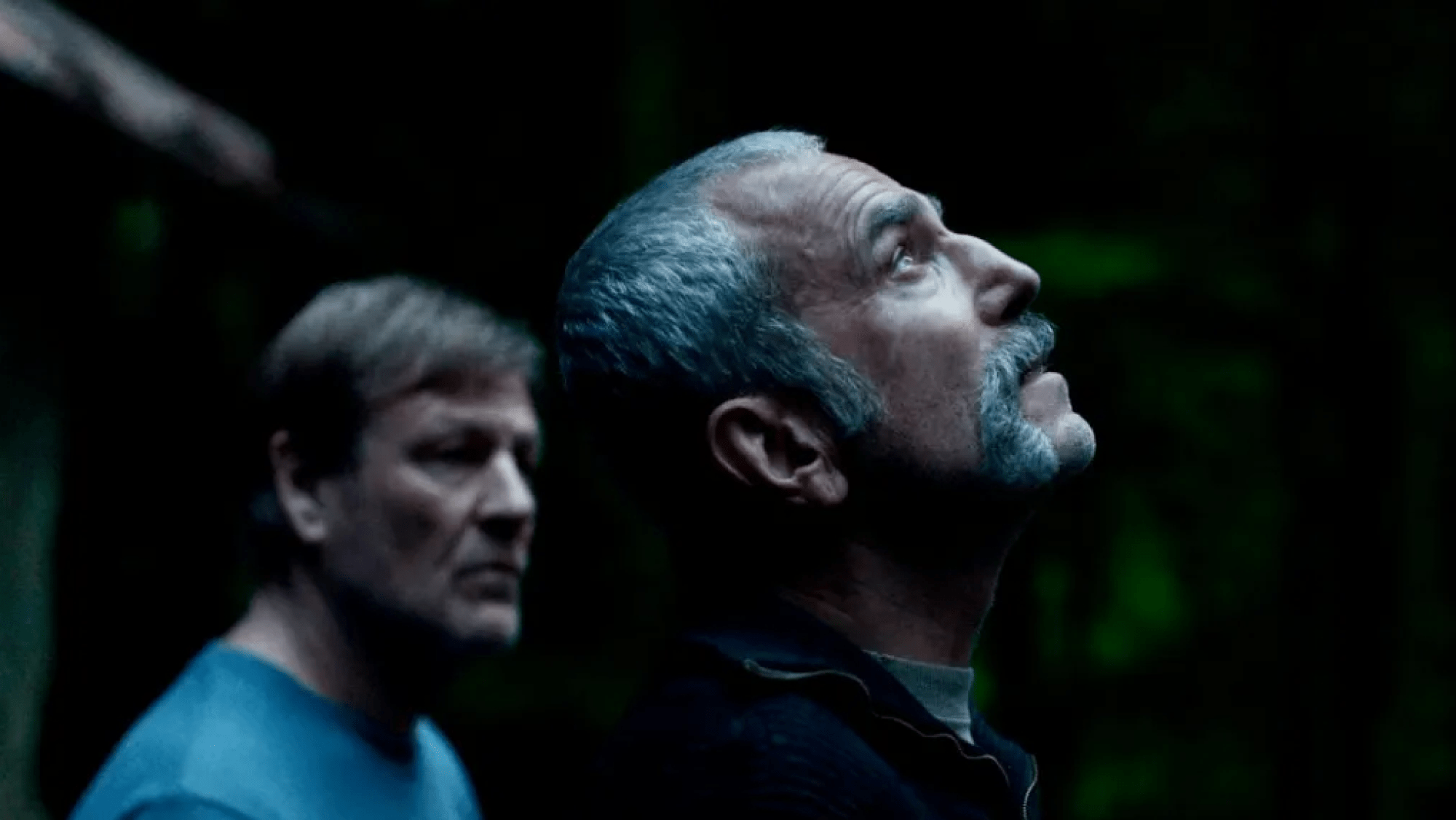
A deeply engrossing, if uneven, sojourn into the realm of reckoning and redemption. The ace in the hole here would be Daniel Day-Lewis, who came out of retirement (in 2017, with the release of “Phantom Thread,” he implied it would be his last film before the camera) to make this deeply emotionally portrait with his writer-director son Ronan in his filmmaking debut. The senior Day-Lewis co-wrote the script, but from the overall scrumptious look and intensity, Ronan is an up-and-comer to watch. The title refers to the delicate and sensitive flower that closes up when touched and is evocative of Day-Lewis’ Ray, who has dropped out of society and is living off the grid in the woods of Northern England. For nearly 20 years, his brother Jem (Sean Bean) has been rearing Ray’s son Brian (Samuel Bottomley, “How to Have Sex”) after marrying Ray’s former lover, Nessa (Samantha Morton). In short, Jem stepped in when Ray stepped out on the pregnant Nessa; Jem ventures out to find Ray now because Brian is struggling. To say why Ray has gone into isolation wouldn’t be a spoiler, but it’s besides the point – involving Ireland’s violent Troubles, with the present-day of “Anemone” set in the early to mid-1990s. Much of the early segments of the film are long, speechless moments between Jem and Ray in the lush, deep forest that offers access to a remote beach and nearby stream. The intensity that defined Day-Lewis and earned him three Best Actor Oscars (the only male lead to do so; Katherine Hepburn notched four) is on full display in the red flicker of his cottage’s fireplace as he delivers two big soliloquies that give us Ray’s “why.” Cutbacks to Nessa and Brian in a distant working-class borough fill out the picture, and Bean and his character know the landscape and their place in it. The film, shot by Ben Fordesman (“Love Lies Bleeding,” “Out of Darkness”) and scored by Bobby Krlic, is a stunning fusion of sound and image – intimate yet expansive with deep eerie chords that conjure wonderment and a haunting sense of foreboding. Not all of it melds, yet it rivets in nearly every frame.
Brothers who direct together don’t always stay together. We know this from the Coens, who after 30-something films went off to do solo projects, and it seems to be the same for the Safdie brothers (“Good Time,” “Uncut Gems”), with Benny breaking out for this biopic about MMA fighting pioneer Mark Kerr (Dwayne Johnson) when the sport was mostly in Europe and Japan. Much of the action takes place there, and it’s an odd sojourn. You can see Safdie, so good at channeling the freneticism of fringe personalities in “Gems” and “Good Time,” constrained here by facts versus fiction and straining to find a character motivation or that challenging event that drives the protagonist. Kerr’s challenges with painkiller addiction and recovery come early in the film, and there are domestic struggles at his Arizona hacienda with significant other Dawn (Emily Blunt), but otherwise no real arc. It’s more a meandering love letter to Kerr and an era, and in some ways has a docudrama feel. Johnson, jacked up to seam-bursting size, acts his pants off. It’s an impressive immersion and a major turn in his career, fusing his WWE roots and aspirations to be taken as more of a serious actor than straight-up action star or Schwarzenegger-ish comedian. Blunt, close in tenor to Amy Adams as the girlfriend in “The Fighter,” is good too but never gets enough breathing space to make Dawn fully formed, and the role comes dangerously close to lapsing into rote hysteria. The one seam Safdie finds is the camaraderie and bonding among the athletes, namely between Kerr and friend-coach-rival Mark Coleman (MMA fighter Ryan Bader, who nearly wrestles the film from Johnson and Blunt). It’s a soulful meander in search of a reason to go to the mat.
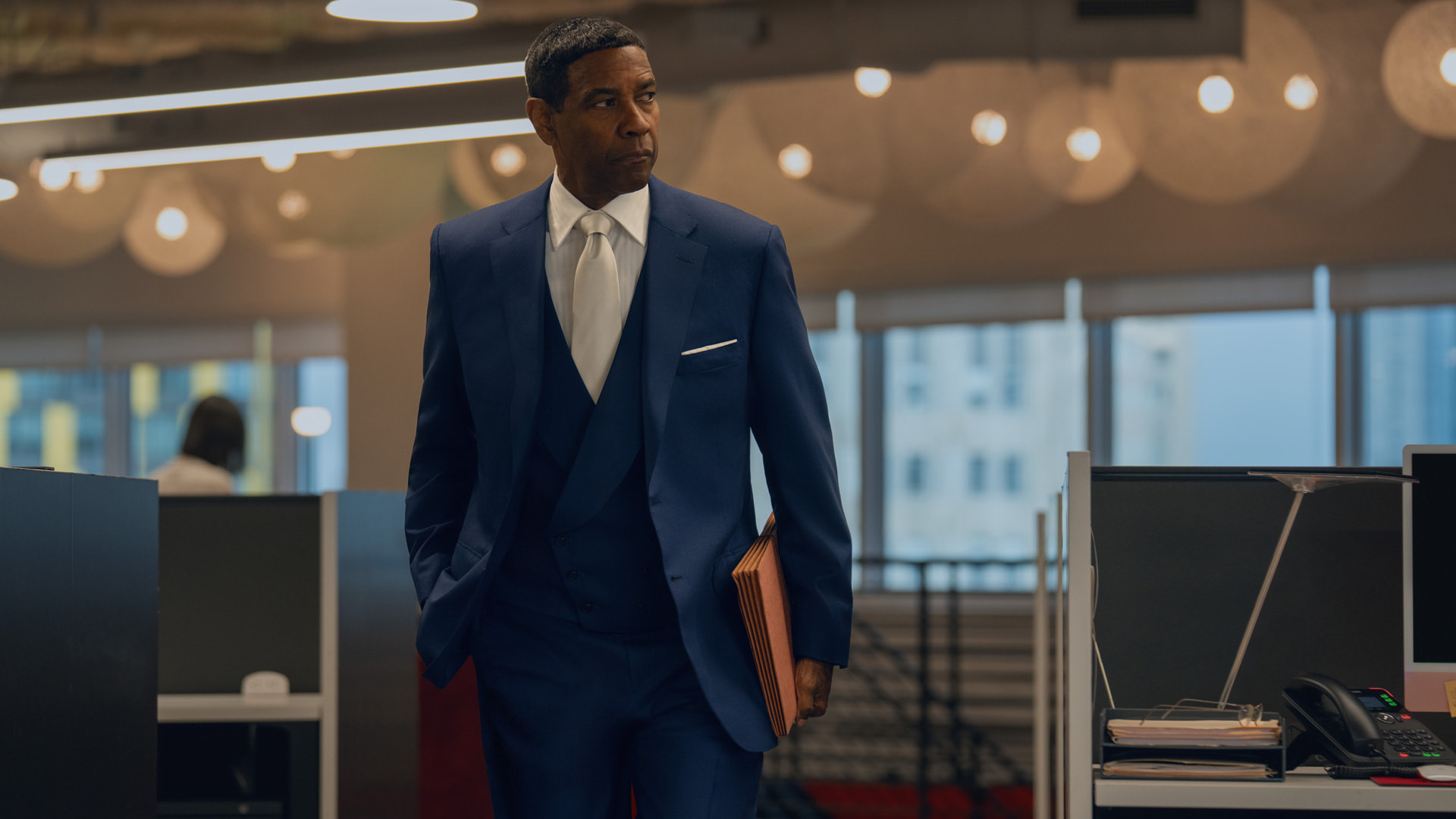
The latest Spike Lee Joint might not be the director’s tightest, but it is a passion project as playful as it is nostalgic. New York gets a lot of love, as do Spike’s earlier films – Rosie Perez and Nick Turturro show up in pop-off-the-screen bits – and New York sports teams. The last time Lee adapted a film that was considered an untouchable masterpiece (Park Chan-wook’s “Old Boy”) didn’t go so well; it felt flat, a rote redoing. He’s done better here in reenvisioning Akira Kurosawa’s great 1963 kidnap noir, “High and Low” starring the indelible Toshiro Mifune and adapted from Ed McBain’s novel “King’s Ransom,” flipping a shoe executive whose son is targeted for kidnapping during a corporate merger for a music mogul arguably fashioned after Jay-Z. Denzel Washington reunites with Lee for the first time in 19 years (they have five collaborations, with the previous being “Inside Man”) to play the exec, David King, looking to buy back control of his records label when the kidnapping goes down. The ransom is $17.5 million, which is the money David needs to get his Stackin’ Hits back. But there’s a hitch: Who’s snatched from camp is not David’s son Trey (Aubrey Joseph) but Kyle (Elijah Wright), the son of his loyal chauffeur and right hand man Paul (Jeffery Wright, Elijah’s dad IRL), mistaken for Trey by the kidnapper. It’s here that David has a crisis of conscience when he balks at paying for Kyle, causing a rift between David and Paul and raising questions of character and selfishness from David’s wife (Ilfenesh Hadera, elegant with a capital E) and son.
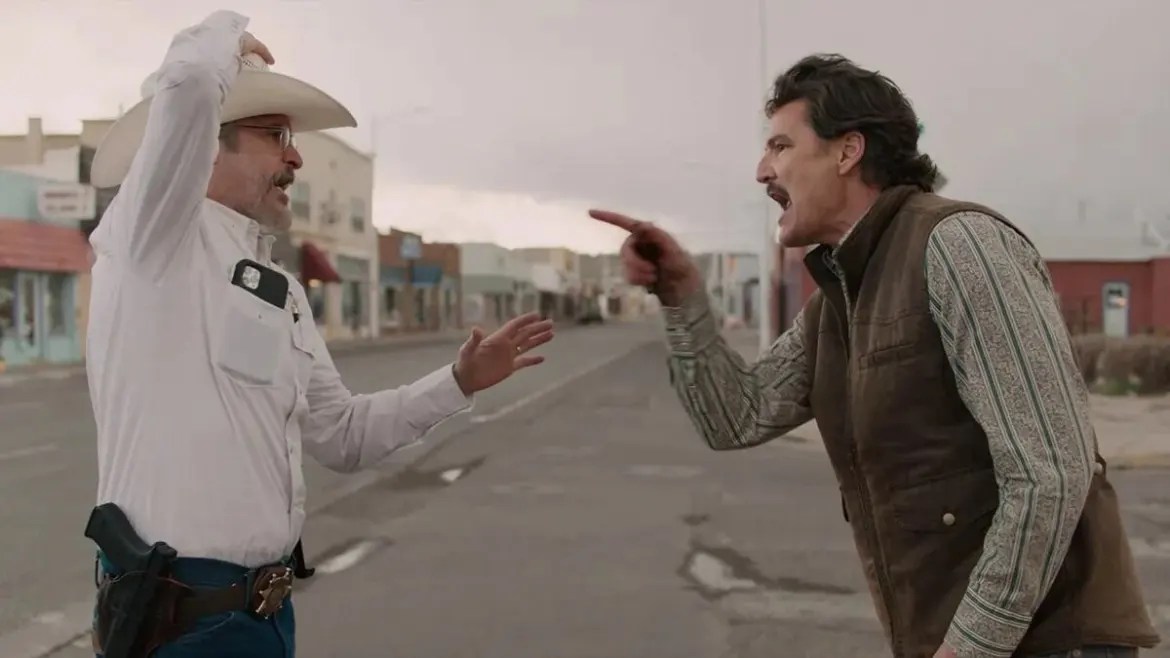
The latest from art house horror darling Ari Aster, like his last outing, “Beau is Afraid” (2023), isn’t quite the occult blood-and-guts fest one has come to expect from an auteur of the macabre (“Hereditary,” “Midsommar”). But it is an American horror story to be certain. Set in the fictional Southwestern town of the title, “Eddington” takes place during the height of the Covid pandemic, with ripple effects of George Floyd’s murder and the Black Lives Matter movement factoring large into the equation. Eddington is a small, financially struggling New Mexican town of 2,000 that abuts a Pueblo Indian reservation. Beau, I mean Joaquin Phoenix, plays Joe Cross, the county sheriff who, despite orders from the governor and mayor (Pedro Pascal, who seems to be popping up everywhere), refuses to wear a mask. He’s not an antivaxxer or Covid denier per se, but close enough – and as a result, decides to challenge Pascal’s smooth and composed Ted Garcia for his mayoral seat.
The pratfalls and ills of social media and social politics drive the film for nearly two-thirds of its two and a half hours. It’s imbued with the shaggy-dog docudrama vibe of a Richard Linklater or Paul Thomas Anderson film, sans the slack, droll wit. Some of the satire on white privilege, however, lands quite cuttingly, especially as one pasty young man (Cameron Mann) shouting from a podium tells reluctant listeners that he’s become an antiracist and is ready to sit down and listen to others, but only after he’s had his time at the mic to “racesplain.” Also in focus is Cross’ Black deputy (Michael Ward) as BLM protesters jam the streets, and the sovereignty of the Pueblo Peoples and their lines of jurisdiction overlap with Cross’ and become a point of contention during a murder investigation. On all pointed matters (social media, race and pandemic policy), both sides get their due without a lean – that’s left to the audience.
Adapted from the similarly titled Stephen King novella from the collection “If It Bleeds,” “The Life of Chuck” has to be the best feel-good downer of a film – maybe ever. It’s got everything, from a mysterious apocalyptical event to a rigorous dance number. Wang Chung shoehorns its way into the action too. (The band has little to do with the dance number, though it may have been the inspiration.)
“Chuck” unfolds in three acts told in reverse. In Act III, “Thanks Chuck,” small-town schoolteacher Marty Anderson (Chiwetel Ejiofor) tries to reconnect with his ex-wife, Felicia (Karen Gillan), as the world implodes in small, eerie waves. Traffic backs up, technology goes on the fritz and the busy hospital where Felicia works is suddenly empty one day. Then glowing billboards thanking Chuck “for 39 great years” start popping up everywhere with the bespectacled mug of a guy who looks like a meek, mild local TV host. He’s the Chuck of the title, played by Tom Hiddleston – more commonly known as Loki in the Marvel Universe and a Bond-esque presence in “The Night Manager” streaming series. Things get weird and even more Chucky when the power goes out and his glowing visage starts projecting from the windows of the houses in Felicia’s neighborhood.
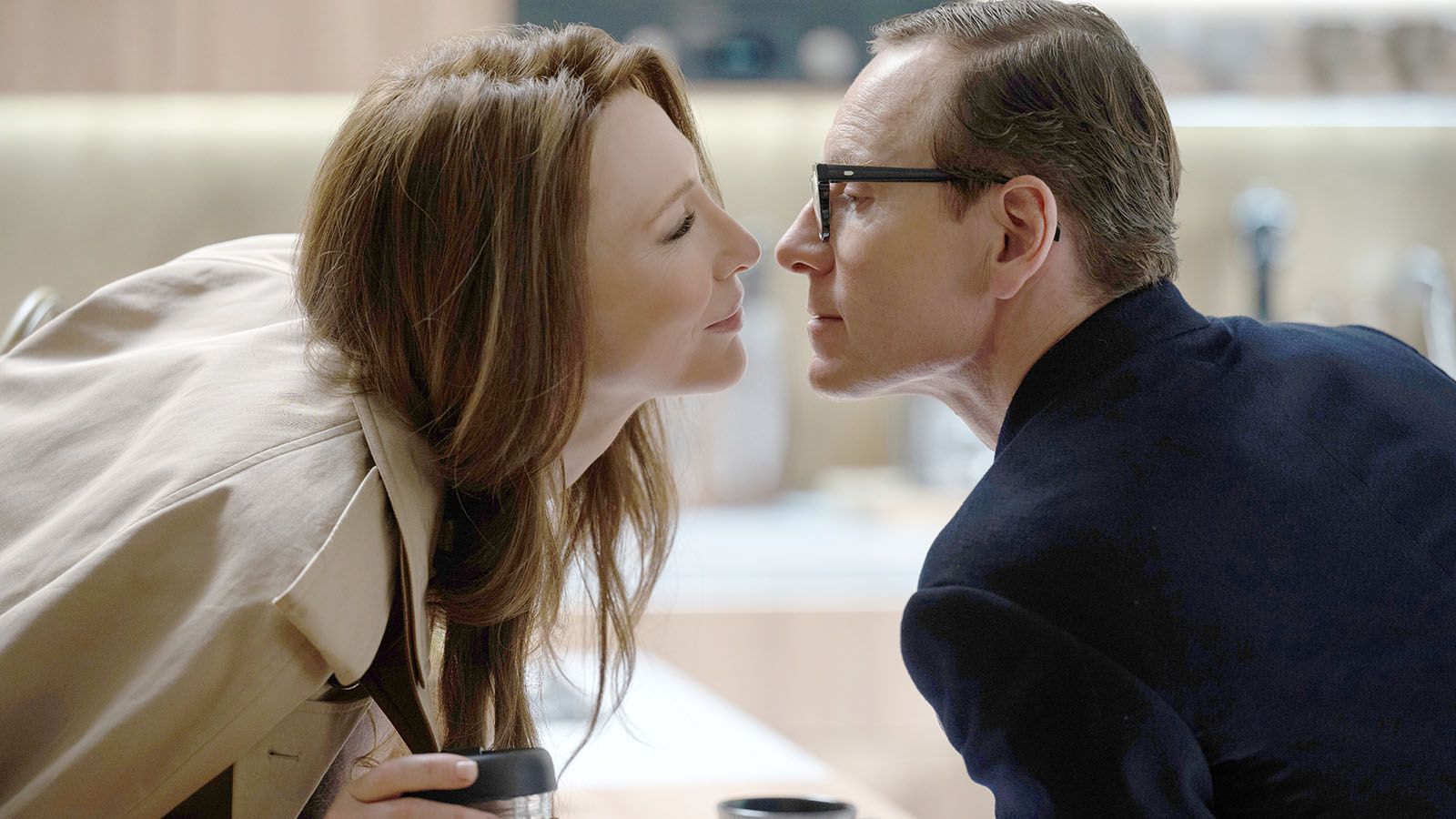
The latest from prolific filmmaker Stephen Soderbergh (“Ocean’s Eleven,” “Traffic”) is a sharp, thoughtful spy thriller in the neighborhood of “Tinker Tailor Soldier Spy” (2011), if updated for these high-tech times and tossed on a treadmill. There’s plenty of cloak and dagger, but the story’s center is the relationships between husbands, wives and lovers, be they deviously duplicitous, of high fealty or otherwise. “Black Bag” comes in at about 90 minutes, matching the paranormal psycho-thriller “Presence” released this year by Soderbergh. Who drops two utterly different films within weeks of each other? Both were written by “Jurassic Park” (1993) scribe David Koepp, who outdoes himself here, and both were shot in limited locations, though “Black Bag” has a bigger, world-hopping feel to it. The London-set work and contrasting light-dark framings brought together warmly by a deep, bass-driven jazz score impress in craftsmanship and seamless ease. At the epicenter of the smoldering espionage are British operatives George (Michael Fassbender) and his wife Kathryn (Cate Blanchett). George has been alerted to a mole at the agency and tasked to find them – and given just a week to do so. On the list of five possible double dealers: his wife. Hanging in the balance is a nuclear meltdown and the potential death of 20,000 people, but that’s just a side issue to what interests Soderbergh and Koepp. We begin with George inviting the suspects to his and Kathryn’s posh London flat for a lovely lamb roast. Every guest is a professional liar, but did I mention the gravy’s laced with a truth serum? The other attendees are grizzled party-boy Freddie (Tom Burke), his latest office fling and X factor Clarissa (Marisa Abela), the hunky yet generic Col. Stokes (Regé-Jean Page of “Bridgerton”) and the agency’s resident psych, Zoe (Naomie Harris), who, because of a departmental mandate, has regular sessions with everyone at the table. She’s also having a fling with the colonel. As the serum kicks in and courses come and go, infidelities are confessed. The meal culminates with a knife pinning one diner’s hand to the table. George sifts through the fallout as he finds Kathryn plans to travel and a movie ticket stub for two in the wastebasket of her boudoir. When inquired as to the destination of her trip, “black bag” is Kathryn’s response; the info can’t be divulged, with no exceptions for spouses. The chemistry between Fassbender and Blanchett is intellectually and erotically electric, and George and Kathryn have a fashion sense to die for. The casting overall is a coup, though Pierce Brosnan, still dapper as ever as an agency higher-up, feels stirred in as an afterthought. The casting and lean, well-honed and MacGuffin-driven script by Koepp make the film work, as well as the tightness of the final product as pulled together by Soderbergh, who edits and shoots as well.









 For What it's Worth