Tag Archives: movies

Film Clips: “Touch” and “Long Legs

20 Jul

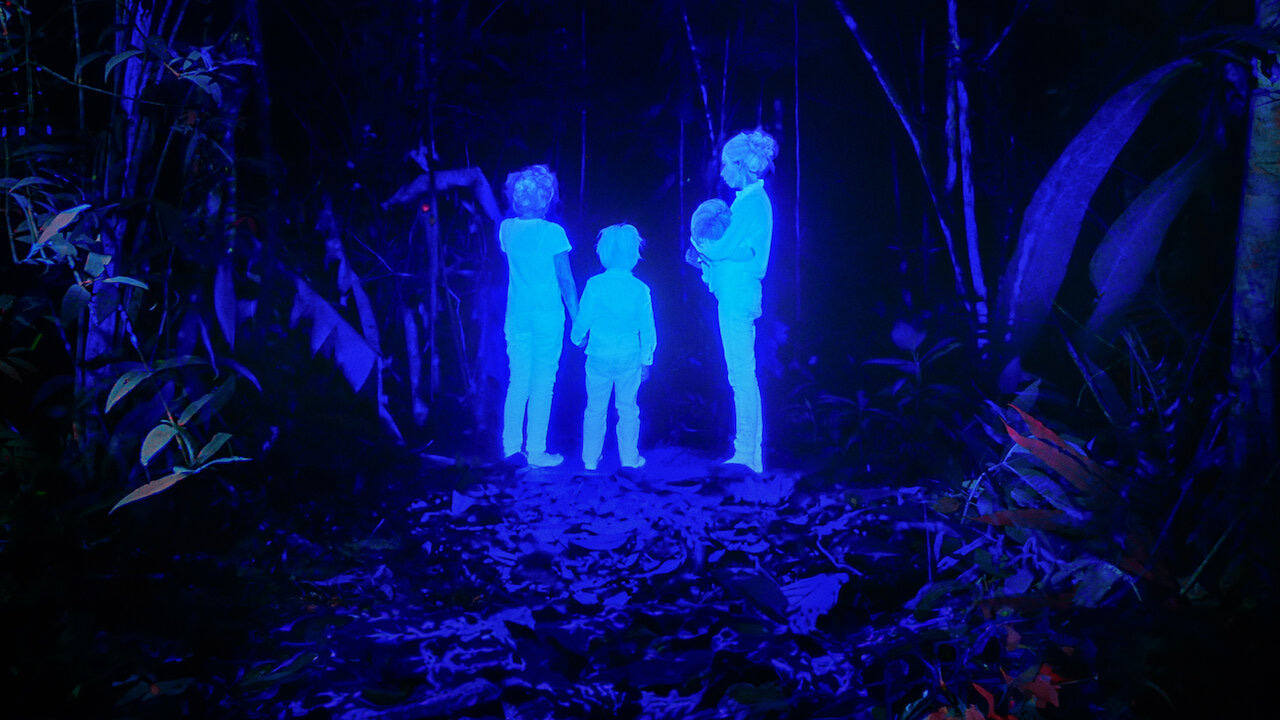
‘Touch’ (2024)

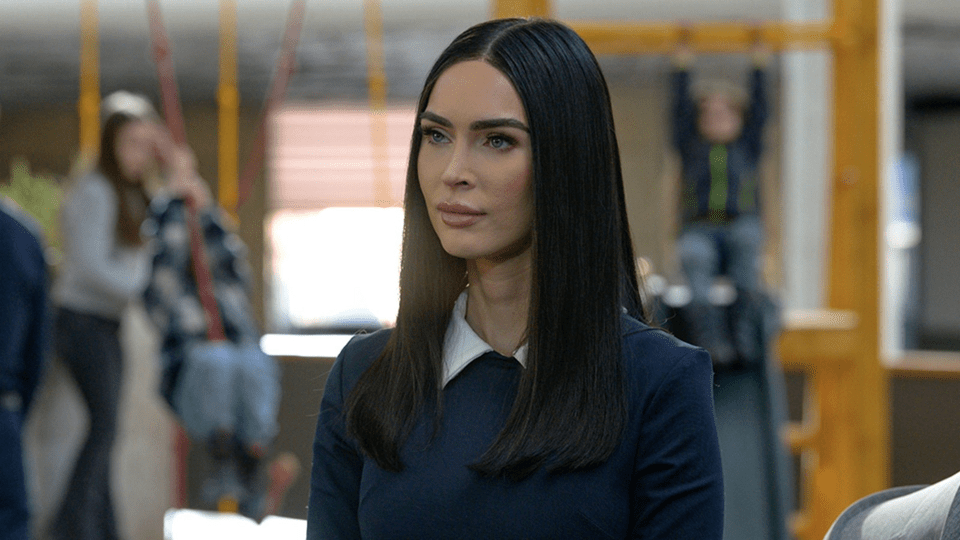
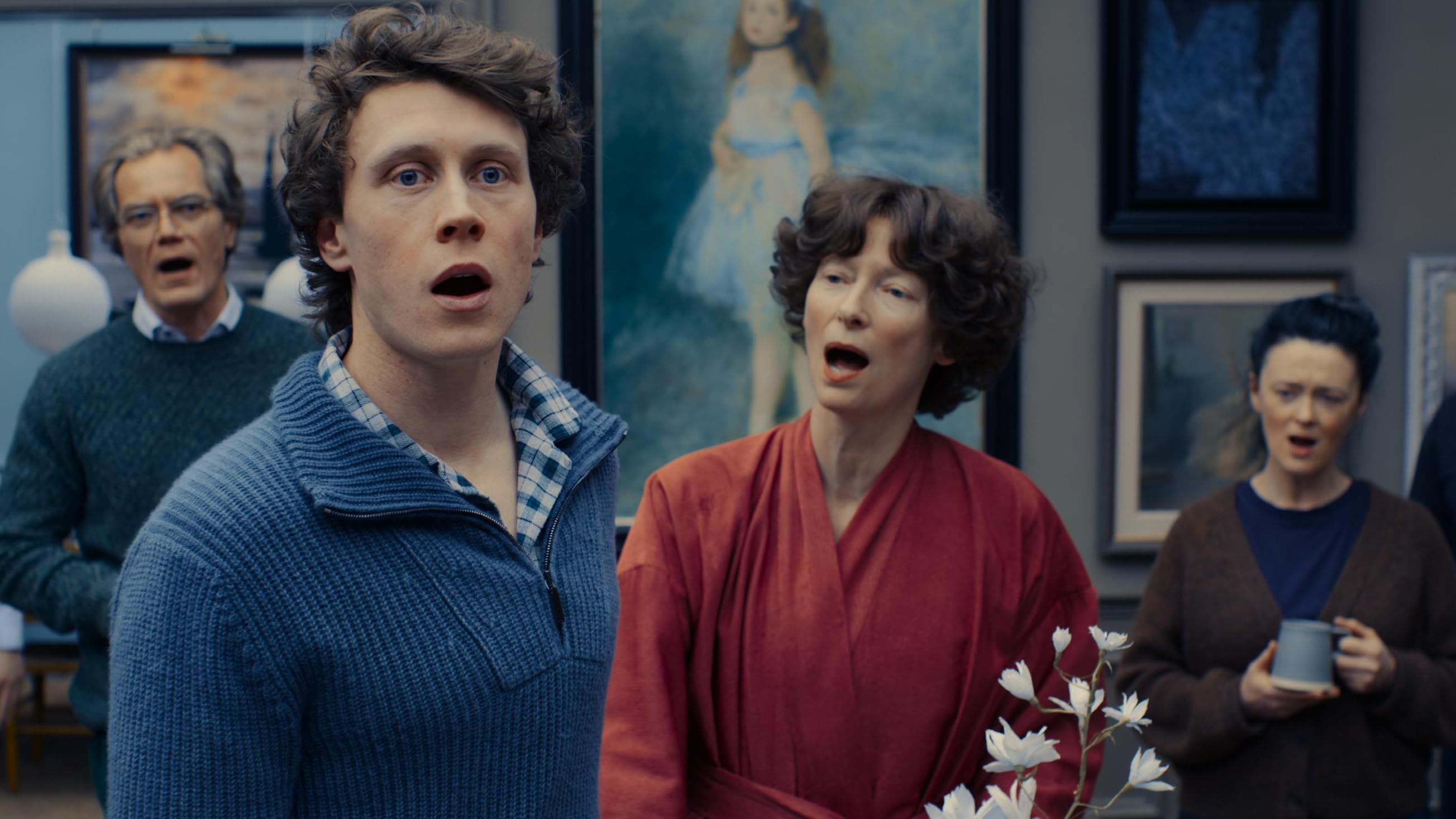
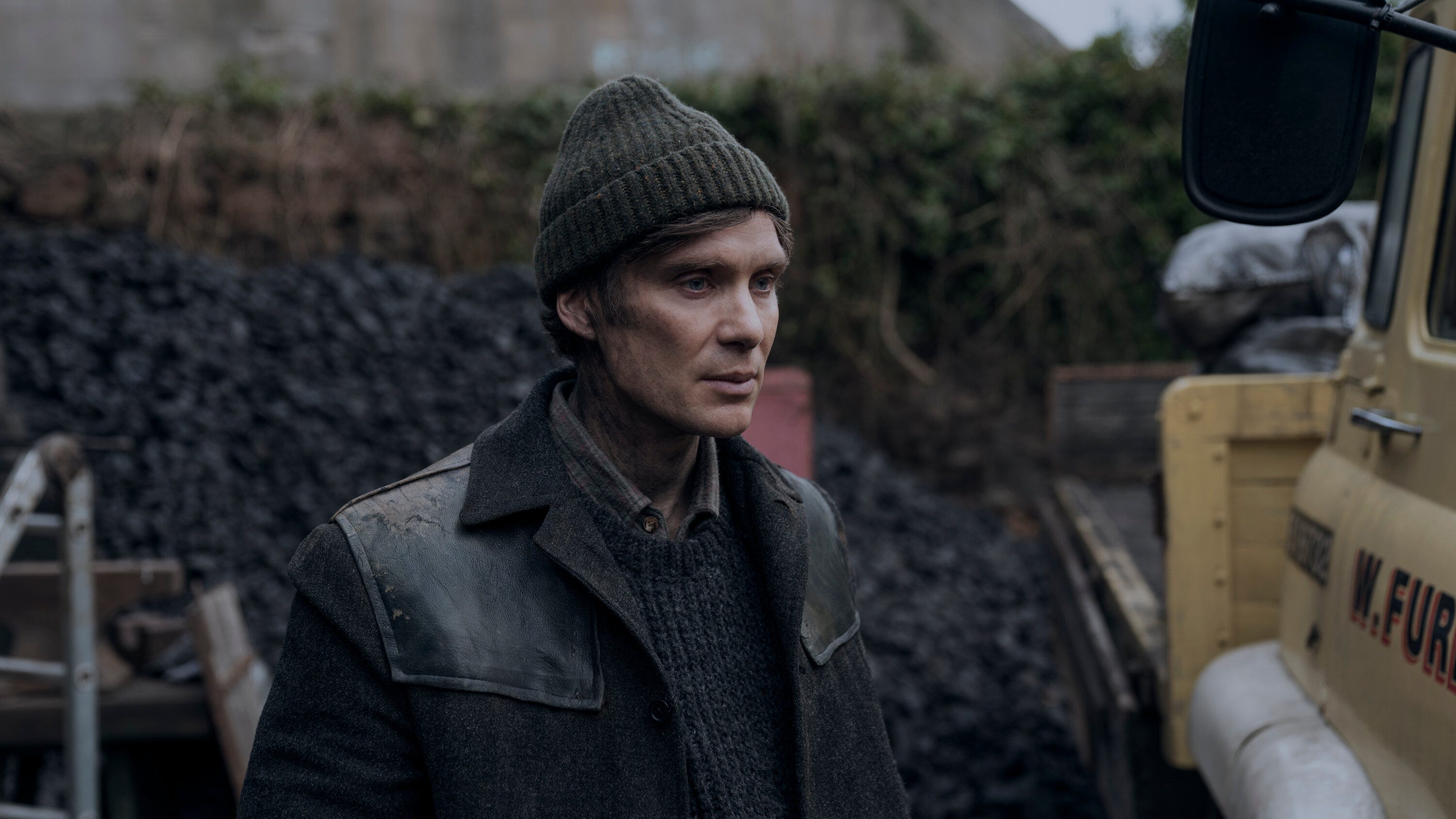
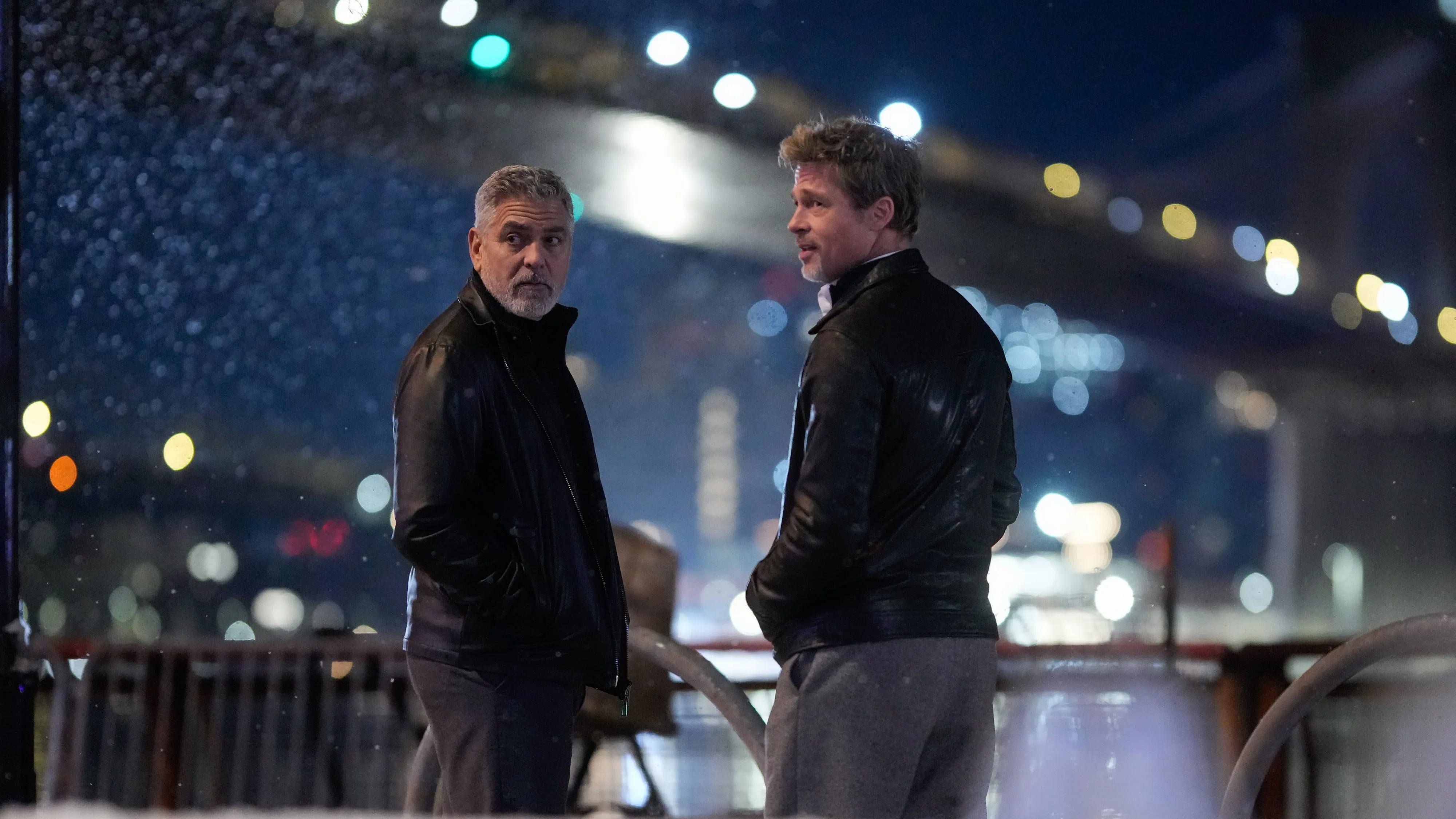
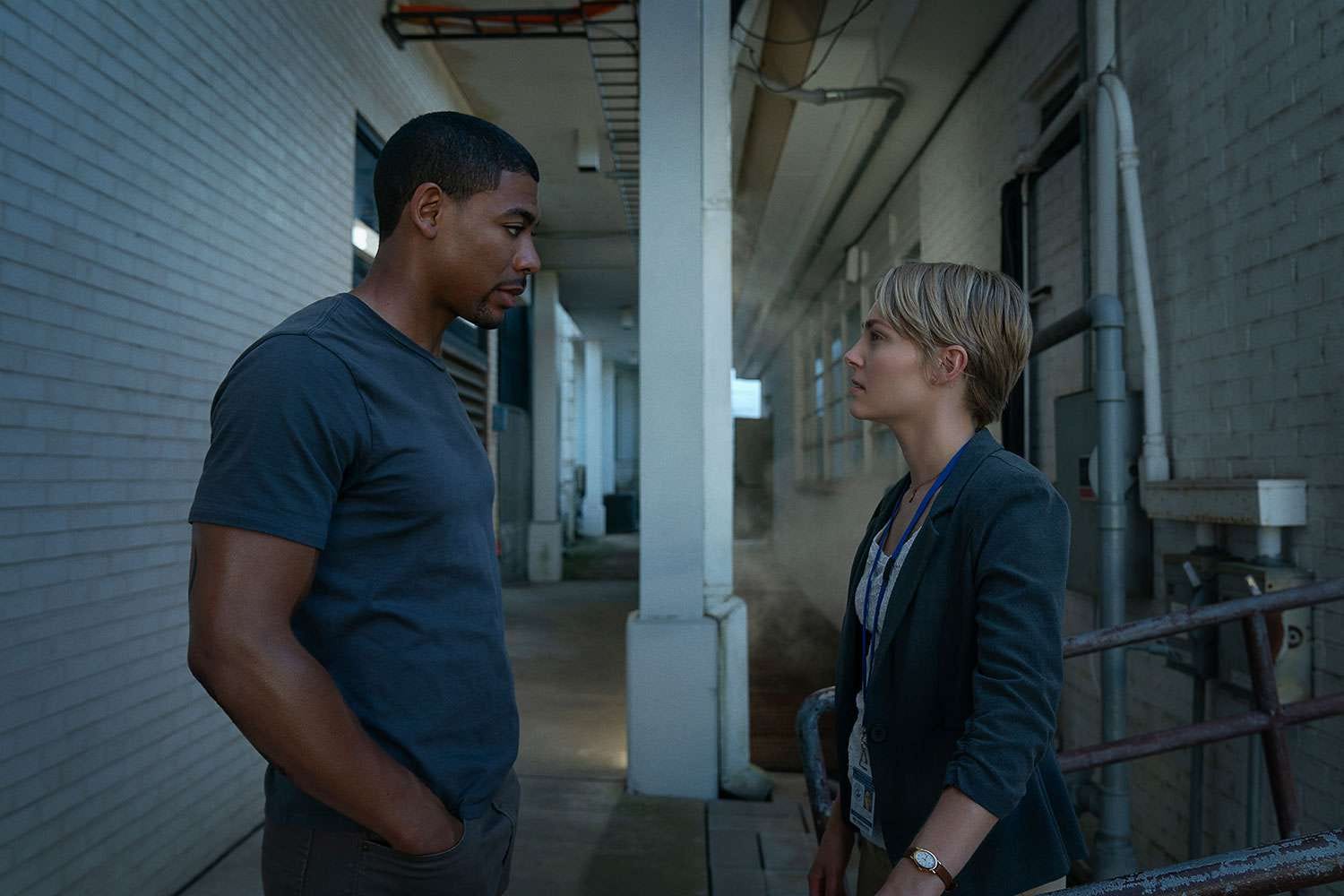
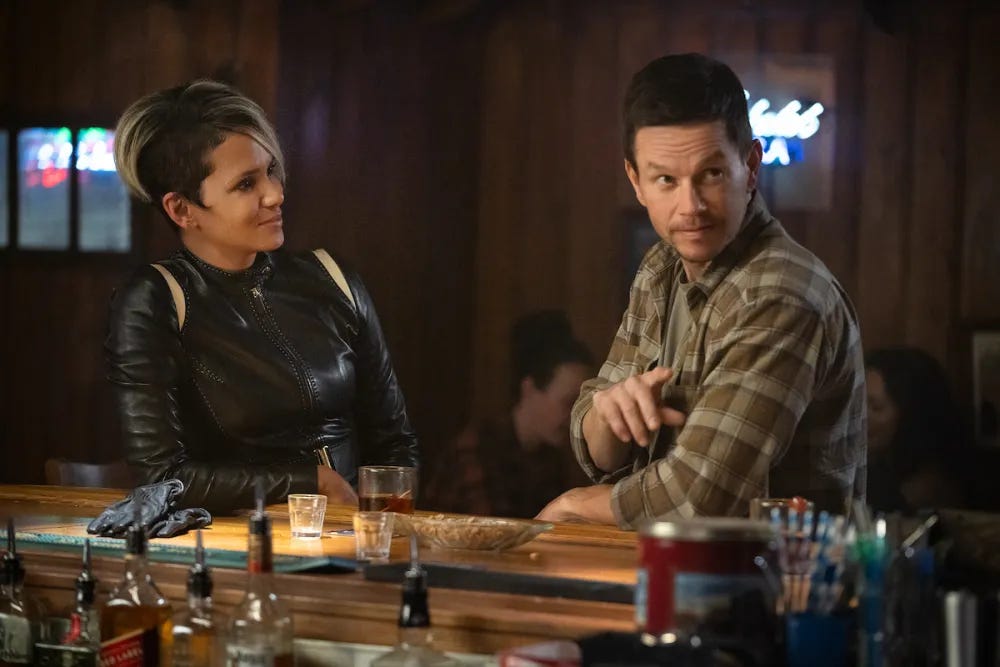
Not entirely a “missed connection” or even “the one that got away,” but more “the one that ran away.” Based on Ólafur Jóhann Ólafsson’s novel of the same name, Baltasar Kormákur’s pine-across-time-and-continents is bookended in two globally defining fates: the bombing of Hiroshima and the onset of Covid. Told in two timelines, “Touch” revolves around a 70-something Finnish gentleman by the name of Kristofer (Egill Ólafsson), a widower with a daughter who passes the time singing in a choir. He’s also recently diagnosed with early stage Alzheimer’s, and from his long, reflective face it’s clear he’s unsettled, memories a-flutter, unfulfilled; before the disease or virus can take hold, to London he goes, just as hotels and airlines are starting to mask up and shut down. The “why” we get in the other timeline – the 1960s – as a young Kristofer (played by the director’s son, Pálmi) drops out of school and takes up a job as a dishwasher in a Japanese restaurant. Kristofer bonds with the owner, Takahashi (Masahiro Motoki), who came to London to escape the pain and scars of the bombing, and with Takahashi’s daughter, Miko (Kôki). How events pan out in both timeframes take some painful and surprising turns. The ambient tenor orchestrated by Ólafsson is subtle and quietly moving, coming more from the soul and setting than from the flying of romantic sparks. It’s a reflective, internal story that plumbs tragedy and pain as much as it wells with hope and promise. The action takes place primarily in London with scenes in Finland and Japan; in this journey of the yearning heart, location is largely ancillary. The performers hit their marks well, though it’s hard to reconcile the lanky Pálmi with the stout Egill as the younger and older Kristofer. Given that much of “Touch” takes place in the kitchen of a Japanese restaurant, Ólafsson, the director, does a nice job of bringing the sensuality of the food to the fore, if not quite putting it in the company of “The Taste of Things” (2023) or “Babette’s Feast” (1987). 


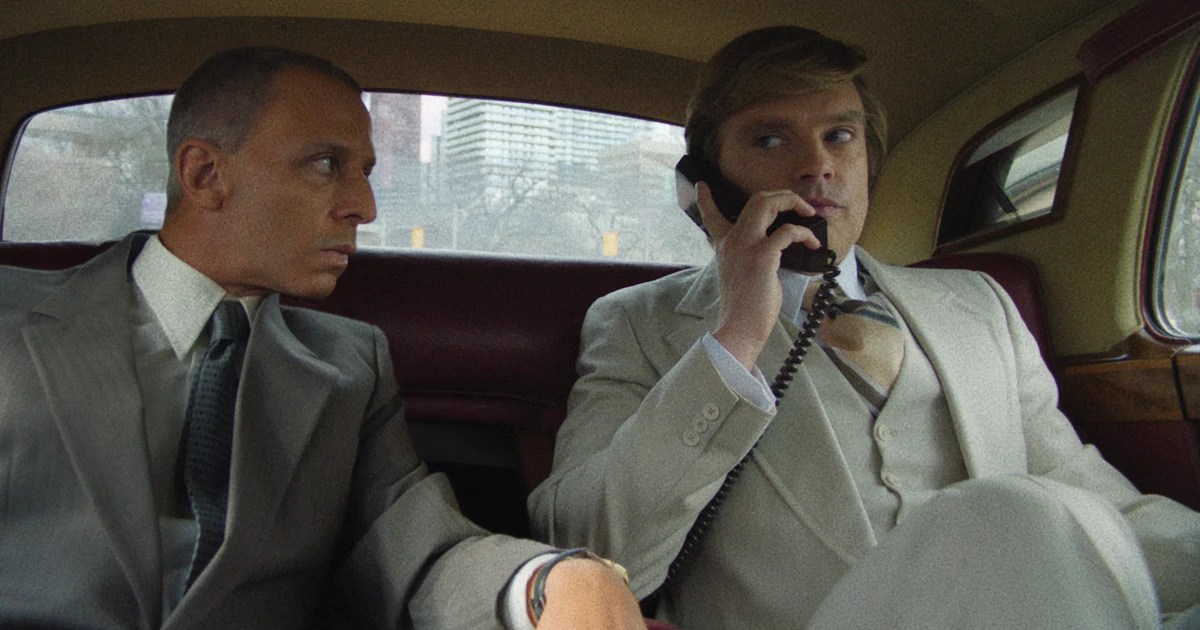
‘Longlegs’ (2024)

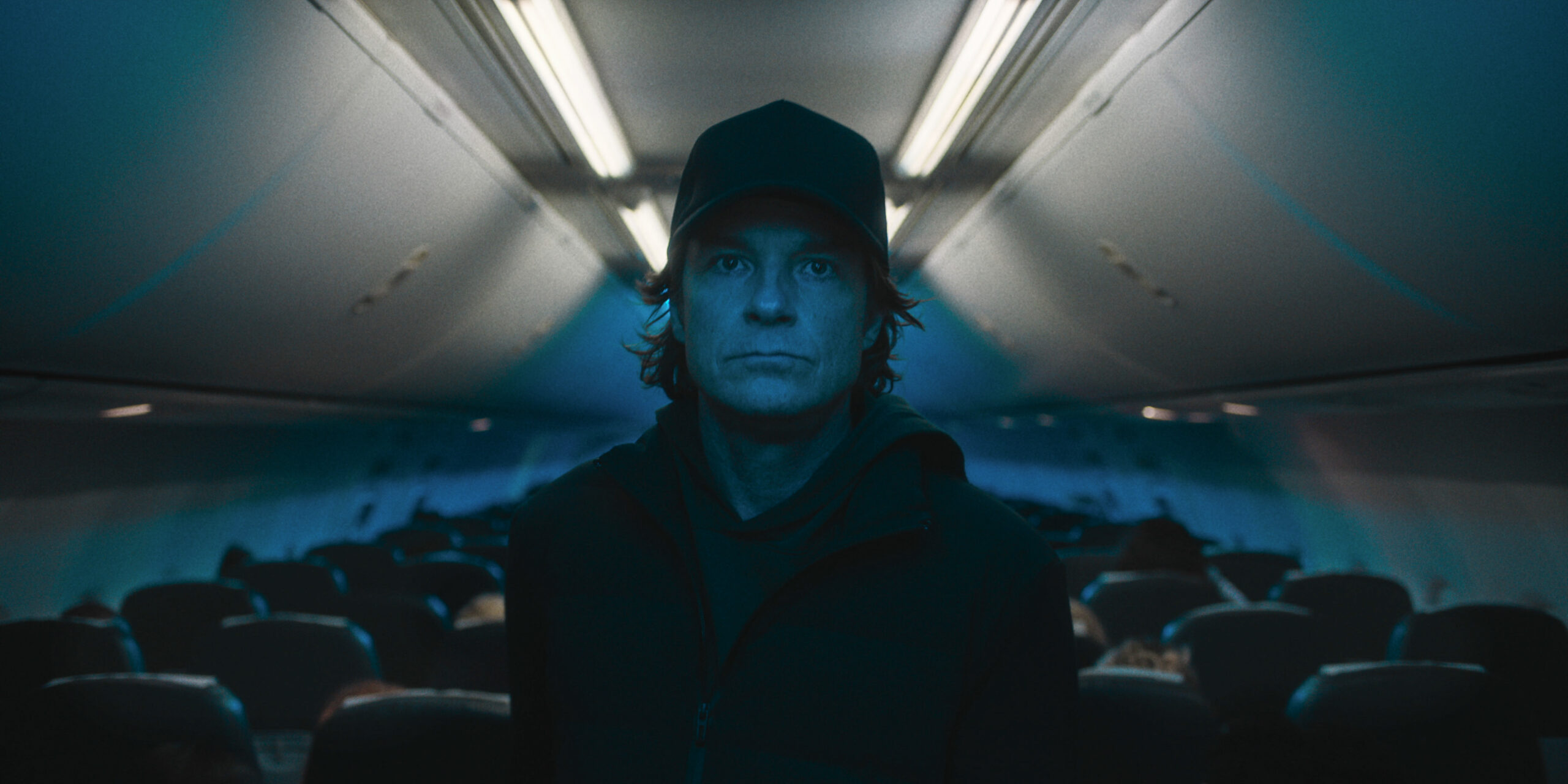
All the hype about this serial killer chiller from Oz Perkins being the next “Silence of the Lambs” (1991) has been well chummed by releasing company Neon, almost to the point of the marketing becoming the reality. Nicolas Cage, also a producer on the film, makes for an unforgettable Hannibal Lecter-Buffalo Bill hybrid as the sadistic psycho of the title, and green FBI agent Lee Harker (Maika Monroe) pops out of the microwave like something of a reheated Clarice Starling as she lurches into dark, forbidding places looking to bag Longlegs. It’s a moody piece propelled by deftly heightened atmospheric dread and some great performances, but it blows its credibility in the final act, and much of what’s thrown onscreen from a crime investigation standpoint makes little sense despite all its ardor and articulation – the hand waving is impressive. Set in Oregon in the 1990s (Bill Clinton is the prez), there’s been a series of families killed over a 20-year period. The crimes look usually like murder-suicide by the dad, except for a series of cryptic notes left at the scenes. Early on we learn that Harker has innate instincts that go beyond profiling and may be tied to a childhood trauma. They get her put on the Longlegs case with senior agent Carter (a dutiful and on-point Blair Underwood). To say more about the plot would be to ruin the tense ride. Monroe was good as a stalked soul who fights back in “Watcher” (2022) and “It Follows” (2014) but is less effective here, if mostly because of the arduous bait-and-switch twists the plot opts for. Cage is unquestionably the reason to see the film: His well-meted appearances as the pasty, androgynous and indelibly ghoulish Longlegs make the film, though the upping of the ante gets to be a little much near the end. Also impressive is Alicia Witt as Lee’s mother, who has a few bad habits and more than a few skeletons in the closet. Perkins’ other films, including “The Blackcoat’s Daughter” (2017), have been equally dark and moody and on point in genre, but yet never quite transcended. “Longlegs,” with the killer turns from Cage and Witt, ups the game, but cliches and a soulless finale hobble it from reaching its full stride.

Share

Furiosa: A Mad Max Saga

25 May

Series put in reverse to fill in the gaps on a map of dangerous ground

Hard to believe it’s been nearly 10 years since George Miller punched us all in the face with “Fury Road,” his amped-up reenvisioning of the post-apocalyptic “Mad Max” universe. A phenomenal cast and action scenes that arguably topped the original trilogy’s signature episode, “The Road Warrior” (1981), made that spectacle of a lawless world taken over by marauding tribal factions a reboot like no other. “Furiosa: A Mad Max Saga,” the new nitro-injected prequel to that 2015 desert storm, is a high-energy affair, to be certain. It doesn’t move the needle, but it is game to try to keep pace.

One of the perverse pleasures of those late 1970 and 1980s films (“Mad Max” and “Beyond Thunderdome” bookending “Road Warrior”) was Miller’s minimal backstory or world building. In voiceover we’re told only that fuel become scarce, nations went to war over it and nukes happened – leaning in on catastrophic climate change before COP 21 was even a glimmer in the U.N.’s eye. Then again, global nuclear warfare pretty much leapfrogs an environmental crisis. 

As always, scarce resources are the crux of conflict in “Furiosa” and the reason for the rise of ’roid-rage tyrants such as the Morlock-ish Immortan Joe or our new dispenser of wasteland sadism, Dr. Dementus (Chris Hemsworth), whose MO is drawing and quartering by motorcycle after a bit of “Squid Game” fun. (This younger Immortan Joe is played by Lachy Hulme, replacing Hugh Keays-Byrne from the 2015 film. Keays-Byrne, also indelible as Toecutter in the original “Mad Max” in 1979, died in 2020.) As we know from “Fury Road,” young, fertile women are worth warring over as well, or more so to be hoarded away in chastity belts with the intent to propagate legacies Genghis Kahn style. 

Miller and his longtime co-scribe Nick Lathouris, had a small part in the 1979 film, do a yeoman’s job of fleshing out the chaotic, dust-choked universe conjured up in “Fury Road.” In this chapter we actually get to go to the Bullet Farm and Gas Town, fortified encampments that loomed across the desert but were never visited or sieged by Immortan Joe’s pasty white phalanx of War Boys. “Furiosa” also becomes the first “Max” flick to play significantly off plot developments from another chapter (though to belie the title, while there is a Max stand-in, there is no one named Max). The film’s five segments begin in the Green Place of Many Mothers where “Fury” essentially ends, as a young Furiosa (Alyla Browne) is kidnapped by the minions of Dementus. Her mother (Charlee Fraser), a hell of a shot with a rifle, follows along in a pursuit. It’s long-simmering scene with the potent poetry of the grueling desert march from “Lawrence of Arabia” (1962). Jumping forward in time, an older Furiosa played by Anya Taylor-Joy (“The Queen’s Gambit,” “The Witch”) has been traded from Dementus to Joe to stave off a war and later, through near-death happenstance, goes incognito in Joe’s mountain cliff complex known as the Citadel. 

Given that what much of what goes down in wasteland has to do with dick waving (I mean, we have characters called Rictus Erectus, Scrotus and Pissboy) and prison-yard, alpha-male domination, the uneasy peace and trade accords with Gas Town and the Bullet Farm begin to fray, with Furiosa and her own agenda in play as war looms. This is also the first “Mad Max” to have hordes of equally matched factions go at it, not the haplessly underarmed and helplessly outnumbered stranded and beset in their own personal “Rio Bravo” (1959). And despite the outwardly mean, masculine veneer, like “Fury Road,” “Furiosa” is decidedly female in its humanist gaze and nurturing of hope for a better tomorrow. 

Taylor-Joy is seamless as the can-do, younger version of what Charlize Theron brought to the screen nine years ago. Equally superb is Browne as the adolescent Furiosa, and not enough can be said about Fraser’s mad mom, who may be the most formidable wasteland warrior of all. Hemsworth tries, but he’s no Lord Humungous, and his bawdy bad-ass retorts have a bit too much “Thor” jokiness to them. The other near miss is Tom Burke (Orson Welles in “Mank”) as Praetorian Jack, a weak-tea distillation of Mel Gibson’s morally ambiguous roamer from the initial films who lacks the harrowed, frying-pan-into-the-fire immediacy of Tom Hardy in the last go-round; a relationship dynamic between Jack and Furiosa that Miller aims for as they ride out into the wasteland in the requisite fortified tanker never really takes hold, because Taylor-Joy’s grease-smeared avenger is so much more fully baked and fire-breathing. 

“Furiosa,” as gorgeous as it is to take in, is long, and Miller and Lathouris unwisely rehash moments from past films (Gyro Captain ultra-lights, a botched Molotov catching fire on the legs of a hapless combatant and the whole “You want to get out of here, you talk to me” swagger line, among the many) as homage, which just weakens them. You can’t fault the film’s furious pacing, jaw-dropping action sequences and dutiful connecting of dots, but is it needed? “Fury Road” was a mic drop; “Furiosa” is a victory lap, the “Silmarillion” of the series. 

Kingdom of the Planet of the Apes

11 May

Reboot hails Caesar

And so we enter into our next “Planet of the Apes” trilogy. Back in the ’60s and ’70s, theaters were packed for people in ape suits chasing after hunky Hollywood sorts such as Charlton Heston (the 1968 original with a script by “Twilight Zone” creator Rod Serling) and James Franciscus (“Beneath the Planet of the Apes”) playing men caught out of time and in the wrong place – a world ruled by talking apes where humans were largely mute also-rans. They were the kindlings of the blockbuster before there was “Jaws” (1975) or “Star Wars” (1977) Those films, all starring Roddy McDowall, were a five-pack with the actor playing the demure, science-minded chimp Cornelius in the first three and then his son, Caesar in the last two, “Conquest for the Planet of the Apes” (1972) and “Battle for the Planet of the Apes” (1973).

Skipping over Tim Burton’s 2001 stinker, the 2011-2017 trilogy (“Rise,” “Dawn,” “War for …”) wasn’t so much a reboot as a retooling that leveraged CGI and the talents of motion-capture actor extraordinaire Andy Serkis playing the series centerpiece, Caesar, who leads the apes out of human tyranny and along the path to a peaceful sovereign existence. In that series, apes achieved higher intelligence and the ability to speak because of humankind’s meddling and experimentation, while humans turned aphasic and dimwitted due to a virus that pretty much shut down the planet – this being pre-Covid, mind you. 

“Kingdom of the Planet of the Apes” is a new grab at a franchise (“From the beginning we thought about this as a trilogy,” director Wes Ball told Empire) that serves up a warm embrace of Caesar and his legacy. Since “War for the Planet of the Apes” the solidarity of ape-dom has fragmented and gone feudal. We’re a few generations out as the eagle clan of apes, a peaceful treehouse encampment-aviary, raise eagles to help them fish, scout and defend themselves. Humans are rare and believed to be near extinction. 

Our protagonist is Noa (Owen Teague), a coming-of-age chimp whose father (Neil Sandilands) is leader of the clan and harsh to his own. On an excursion to find coveted eagle eggs and rise in rank and stature, Noa and his posse see signs of a lone human in the woods and other forces moving through the valley as well. The latter turns out to be a column of soldier apes sent forth by a bonobo known as Proximus Caesar (Kevin Durand), who, like any good Roman leader seeking to expand the empire, does so by sacking and enslaving – which is exactly what happens to the eagle clan. In the aftermath Noa links up with Raka (a beautifully baritoned Peter Macon), a hermit orangutan well versed in the teachings of Caesar (“Ape not kill ape,” which Proximus Caesar, who trades on the name for effect and de facto authority, violates regularly) and keeper of books, which Noa has never seen. Noa’s also never seen a human, but sure enough, the waif in the woods, (Freya Allen, “The Witcher”), now trailing them for food scraps, comes out of the dark and joins them on their quest to infiltrate Proximus Caesar’s seaside fortress – an enormous, rusted-out aircraft carrier or cargo ship beached up against the rocky cliffside – and free the eagle clan survivors, Noa’s mother and a budding love interest among those imprisoned. It’s no spoiler to say that Allen’s Mae (the apes call all human women “Nova” by default) can speak, which blows even Raka’s mind.

The film’s gorgeously shot and boasts some imaginative world building, but there’s a lot going on, perhaps too much: Proximus Caesar’s larger agenda is to gain access to an old military silo for the ostensible humanmade war machine relics inside; to date, their big tactical weapon is an electric cattle prod; other than that, it’s knives, spears and fists. Several plot threads never get tied up, and Noa and Mae are thinly drawn – twice as much so if you hold them up against Serkis’ Caesar. Part of that is the uneven pacing by Ball, who cut his teeth on the “Maze Runner” series, another dystopian sci-fi concept. That said, there are some nice homages to the 1968 original, including a dark horse ambling regally down a deserted beach, those eerie scarecrow totems from the forbidden zone and the ominous trumpeting of a ram’s horn before a siege.

The film is less steeped in the metaphorical references to slavery and racism layered into the 1963 “Apes” novel by Pierre Boulle (who also wrote the novel that “The Bridge of the River Kwai” was based on) and more front and center in the earlier franchise. What we do get is some megalomaniacal clinging to power that feels Trumpian and plenty of fair digs about human hubris and the past due to repeat itself, as well as the perils of game-changing war technology falling into the wrong hands. Not much of it’s fresh, but it is dutiful and likely do well enough to ensure the next two chapters before another pause and a reboot. It’s how it goes, damn them all to hell.

Challengers

20 Apr

Triples tennis, lacking in rules

Luca Guadagnino knows how to stoke the erotic and push the boundaries of moral comfort (and then some) while delving into complex, fully formed souls living preternatural existences on the fringe of society. Take “I Am Love” (2009), in which Tilda Swinton played a well-to-do wife having an affair with her cook, or Timothée Chalamet as a fine young cannibal in “Bones and All” (2022) or even Guadagnino’s Oscar winner “Call Me by Your Name” (it won Best Screenplay and Chalamet and the film were nominated) that made him an international talent. They’re all rooted in viscerally deep carnal connections.

His latest, a fierce, fast passion play, hops into the ranks of pro tennis at the level just below Serena and Federer superstardom. You’re immediately wowed by bristling chemistry between its three wholesome leads, the raffish Josh O’Connor, also now on the screen in Alice Rohrwacher’s “La Chimera,” Mike Faist, who broke through as Riff in Steven Spielberg’s “West Side Story” (2021) and Zendaya, currently ruling the desert in “Dune: Part Two.” O’Connor and Faist play Patrick Zweig and Art Donaldson, besties since the age of 12 and more than pretty good with a racket. The flashbacks to their teenage doubles matches are showcases in cocky bravado that spill over into the after-parties that are all about netting members of the opposite sex. Now, however, the two are not so close. Art’s looking to play in the U.S. Open. He’s got a slam within his reach, but a recent slide has his confidence shaken and his game off, so his wife-coach Tashi (Zendaya) decides to have him play in a warmup tournament in nearby New Rochelle. It’s B-league, sponsored by a local tire outlet, but also draws Patrick, who lives pretty much hand to mouth sleeping in his car at tourneys. They haven’t seen each other in nearly 13 years, since Art won the hand of Tashi – who had been dating Patrick.

In rewinds (there’s a bevy of ’em, but with the help of Trent Reznor and Atticus Ross’ electric score and some slick, attentive costuming, it’s done pretty seamlessly) we learn that Tashi – then Tashi Duncan – was the next big thing in tennis, a Naomi or Coco heading to Stanford before owning the world. A knee injury changes all that. The three initially meet at a tourney where Tashi is the big draw. At the trophy awards ceremony, both lads jockey for her favor and invite her back to their stylish hotel room for a beer. Ultimately the evening turns into a three-way makeout session, with Tashi subtly sliding out of the triple tongue tickle, which proves to be an eye-popping realization for Art and Patrick and emblematic of Tashi being perpetually one step ahead and pulling the strings.

As energetic and comely as our gamers are in the reignited love triangle, there are reasons for pause. Namely their stoic, unbridled sense of self interest and lack of emotional connection or fealty; Art and Tashi have a young daughter in a hotel room she scoots out on to have illicit meetups with Patrick. It’s like a 150 mph ace serve, awesome to behold but hollow, if that’s all the match is: Pretty but cold, not the intoxicating grit of a hard-fought Connors-McEnroe marathon hanging on every stroke, antic and bead of sweat. That happens in the on-court sequences, which are viscerally and kinetically staged, but not off-court. The fault is not on the performers so much as on the script by Justin Kuritzkes, which has zing and zip but not depth. In execution it’s not far from Zendaya’s 2021 outing “Malcolm and Marie,” in which Sam Levinson’s framing of a marriage pushed to the edge is more cool conceit than credible lived experience. How “Challengers” ends, there’s no true match point. That may sit well with those smitten by the film’s postured aesthetics, but others searching for something more reflective will likely be left at the midcourt line, tennis’ version of no man’s land.

Short Takes: “The Ministry of Ungentlemanly Warfare” and “Sasquatch Sunset”

20 Apr

Sasquatch Sunset

David and Nathan Zellner churned out quirky, experimental indie works such as “Plastic Utopia” (1997) and “Goliath” (2008) and later veered into slightly more digestible alternative fare with “Kumiko, the Treasure Hunter” (2014), about a depressed Japanese office worker obsessed with the movie “Fargo” (1996) who searches for that film’s lost suitcase of cash. They opt for something more fantastic and scatological here as they embed us in a group of Sasquatch over the course of a calendar year. The film’s not far off from “The Dawn of Man” sequence in Stanley Kubrick’s “2001: A Space Odyssey” (1968); no human words are uttered, though there are plenty of human gestures. Amid the lush greenery of the Pacific Northwest we get to know our clan of cryptids; the brusque alpha male (co-director Nathan Zellner), the lone female (Riley Keough), the more demure junior male (Jesse Eisenberg) and an ostensibly adolescent ’squatch (Christophe Zajac-Denek). Early on we get a fairly gratuitous sex scene right out of “Clan of the Cave Bear” (1986), then there are bouts of masturbation and self-exploration of genitalia (yup, you get full-frontal bigfoot). As base as that may sound, the film unfurls more like a stock nature documentary until things move toward the comic and absurd: Employing a turtle withdrawn into its shell as something of a cellphone; or the alpha munching on what can best can be described as herbal hallucinogens and laying his desire for sex on a mountain lion, which does not go so well. It feels like “The Three Stooges” by way of Nat Geo, and near going over the top. There’s plenty of pissing and shitting too, especially when the clan discover a logging road running through their territory (it’s up to this point that it’s unclear if we’re in the Paleolithic or the present) and experience the need to mark it. As much as you could say it’s a “Beavis and Butt-Head” spin on the Pakuni from the 1970s Saturday morning TV staple “Land of the Lost,” there is vulnerability, fear, compassion, grief and a sense of community that registers onscreen. Well crafted (the costume, makeup and cinematography impress), “Sasquatch Sunset” is at turns weirdly touching and, as the title suggests, there is the heartbreak of witnessing what may be the last of a rare breed.


The Ministry of Ungentlemanly Warfare

The title might tie you up with thoughts of “The League of Extraordinary Gentlemen,” and isn’t too far off – both are about teams assembled by the British government to stave off evil forces with world domination in mind, and both have links to James Bond (more on that later). Beyond that, one is based on a comic book and the other on the real-life derring-do by a ragtag team of World War II commandos trying to cripple the Nazi naval war machine as Britain remains the lone European holdout against Hitler and prays for the entry of the United States into the war. 

Based on Damien Lewis’ 2016 nonfiction book spun up from Winston Churchill’s declassified papers, the Guy Ritchie-helmed film homes in on Operation Postmaster, one of Churchill’s unauthorized and unsanctioned covert ops that proved instrumental in swaying the balance of power in the war.

The rich potpourri of strapping can-dos is led by Maj. Gus March-Phillips (Henry Cavill, aka Superman, rocking a killer handlebar mustache), sprung from the brig for the suicide mission. With him are explosives expert Freddy Alvarez (Henry Golding, “Crazy Rich Asian”), Henry Hayes (Hero Fiennes Tiffin), captain of the modest fishing vessel used for the operation, and gleeful Scandinavian killing machine Anders Lassen (Alan Ritchson), who would give Alexander Skarsgård’s berserker in “The Northman” (2022) a run for his money in bloodletting and wear a broad beaming smile while doing it. The target is a critical Nazi supply ship (of CO2 filters for U-boats) and ammo depot on the West African island of Fernando Po, then a Spanish colony. Along the way the raffish rascals sink a Nazi patrol boat, liberate tactical strategist and ladies man Geoffrey Appleyard (Alex Pettyfer) and tangle with a British destroyer. They have operatives on the island as well with Richard Heron (Babs Olusanmokun) who, a la Rick in “Casablanca” (1942), runs a casino, and club chanteuse Marjorie Stewart (Eiza González), who’s deadly with a pistol but oft dangled as bait to ply Nazi command.

Ritchie, known for his cheeky, stylistic verve (“Lock, Stock and Two Smoking Barrels” and “The Gentlemen”), which the director set aside for his other “truly happened” effort “Guy Ritchie’s The Covenant” (2023), reverts pleasingly back to his roots. It’s “The Guns of Navarone”(1961) if reenvisioned through an “Inglourious Basterds” (2009) lens. The cast is all in, even if the narrative, long for its two-hour running time, ebbs when it should be cresting.

Back to that Bond thing: Under hushed asides from Churchill (played by Rory Kinnear, so electric in “Men” but no Gary Oldman here) there’s a Brigadier Gubbins code-named “M” (Cary Elwes) and his aide, a young Ian Fleming, the guy who would go on to pen the secret-agent novels–allegedly inspired by Cavill’s suave Major. The original 007, Sean Connery, played Allan Quatermain in that other “Gentlemen” movie.