Reviewed: ‘The Monkey’ and ‘Elevation’ in theaters and streaming now
‘The Monkey’ (2025)
Osgood Perkins, a dead ringer for dad Anthony Perkins (“Psycho”), continues the family tradition from the other side of the lens with this spin on horror master Stephen King’s 1980 short story. The not-so-slow burn is set in Casco, Maine, where we open with Capt. Petey Shelborn (Adam Scott) walking into a pawn shop covered in blood to fix his windup mechanical monkey. After a flamethrower, a speargun and a rat enter the scene, we learn that the monkey is not a toy, a point hammered home regularly by those possessing it. It is something evil, if not death itself. Its victims of ghoulish, cartoonish circumstance are random – only the person winding up the monkey is safe. When the monkey plays its drum, anyone nearby is at risk. Petey’s twin sons Hal and Bill (both Christian Convery) later discover the monkey in a closet in their unhappy home; their dad is now a deadbeat, as their mom, Lois (Tatiana Maslany), tells us. A few cranks of the monkey’s key by the curious kids and mayhem ensues among mom, babysitter Annie Wilkes (Danica Dreyer) and Uncle Chip (Perkins), who moved in to care for the boys with his swinger wife, Aunt Ida (Sarah Levy). The twins behead the mechanical monkey, throw it in the trash and down a well, but it always returned. Flash forward 25 years, and Hal (now played by Theo James) works at a supermarket and visits his own son Petey (Colin O’Brien) once a year out of fear of cursing him. Hal, the film’s occasional narrator, tells us that he and his brother don’t get along. Bill is now totally unhinged and wants to bond with the windup wingding of disaster, with Petey and Hal looped in to his demented scheme as much of Casco gets sent to the great beyond in bloody ways. Part of the fun is Theo James’s yin-and-yang roles as the buttoned-up, protective and paranoid Hal and the delusional Bill, who sports a pseudo-mullet and “damn it all to hell” gusto. Elijah Wood (“Lord of the Rings”) pops in for a dark turn as dim-witted Ted, employed by Bill to retrieve the monkey. Levy’s Aunt Ida is unforgettable for all the wrong reasons, with an unsettling sexual aura and a plotline that’s a creepshow instant classic.
Not sure this fourth flick was necessary, but I’m happy it exists. Renée Zellweger’s goofball heroine has always been a lovable hot mess of miscues and tribulations, and is again here. Of course the series being so British – dry and droll, with cheeky nods and winks – only deepens the buttoned-up hijinks. In the last chapter (“Bridget Jones’s Baby”), Hugh Grant’s Daniel Cleaver, one of the two gents who vied for Bridget’s love in the 2001 original, is presumed dead; in this nearly 10-year follow-up, Mark Darcy (Colin Firth), the guy who won her heart and had two children with her, really is dead. (Something about a humanitarian aide mission gone awry in the Sudan.) As a single mom, Bridget can’t boil a pot of water and has zero romantic prospects, though her friends push her to Tinder and other romantic meetup venues. “Labia adhesion is a thing,” one friend tells her when Bridget admits to not having sex in more than four years. Relief comes in the form of a handsome 29-year-old bloke named Roxster McDuff (Leo Woodall, “The White Lotus”), who rescues Bridget (she was 43 when she had her son in the last installment) and her children (a younger daughter in the mix now) from being treed in a park. Bridget does slowly get her groove back and returns to her old gig as a TV producer. How the happily ever after or never not pans out, I won’t say. Returning players include Emma Thompson as Bridget’s old ob-gyn who extols the virtues of a rife sex life and Jim Broadbent and Gemma Jones in a requisite cameo as Bridget’s parents. Strangely enough, Firth and Grant show up too, though I won’t spoil how. Also in the mix is the always excellent Chiwetel Ejiofor (“12 Years a Slave”) as Bridget’s son’s music teacher. Just who “the boy” is, is a bit unclear; is it Bridget’s son, William (Casper Knopf), the hunky Roxster or maybe even Hugh Grant, who starred in a movie called “About a Boy” in 2002? The answer doesn’t much matter, as it’s Bridget’s world and we‘re just happy to spend a few madcap moments in it.
Reviewed “Presence,” “I’m Still Here” and “You’re Cordially Invited”
‘You’re Cordially Invited’ (2025)
A pat comedy with few surprises and several gags that don’t quite land makes it over the hump – just barely – on the likability and natural chemistry of Will Ferrell and Reese Witherspoon. They play Jim and Margot, charged with coordinating and executing the weddings of their daughter and sister, respectively. Los Angeles-based Margot is a bit distant from her Atlanta clan but dutifully books the revered Palmetto House, a quaint island inn on a Georgia bay that the family has always gathered at. Jim, who married there – but a single parent since his wife got sick and died years ago – books his daughter’s wedding for the same day. Whoops: Old-school pen and paper and a sudden heart attack are to blame for a booking gaffe at an inn not really equipped for two large parties. After some push and shove, all agree to make a go of it, but infringements, jealousy and sabotage turn the happy nuptials into something of “The Wedding Crashers” (2005) by way of “The War of the Roses” (1989). Jim is also having a hard time letting go of his daughter, Jenni (a fiery Geraldine Viswanathan, “Drive Away Dolls”), while Margot wrestles with the down-home narrow-mindedness of her extended family around her sis’ choice of husband, a Chippendale dancer. A rogue alligator, “Islands in the Stream” duets, Nick Jonas and Peyton Manning all make their way into the jumble with varying effect. Comedians Rory Scovel and Leanne Morgan are effective in small parts as part of Margot’s “chaos monkey” inner circle, and Jack McBrayer works as the befuddled innkeeper. The strength of the film, written and directed by Nicholas Stoller (“Forgetting Sarah Marshall,” “Get Him to the Greek”), is the rom-com power pairing of Farrell and Witherspoon, who seem like they could do this all day long and we’d be only happy to tag along.
Payal Kapadia’s somber meditation on womanhood and companionship amid the bustling streets of Mumbai feels like a living and breathing document. It follows the lives of three intertwined women, two of whom are nurses and roommates. The more dour of the duo, Prabha (Kani Kusruti), is estranged from her arranged husband, who is now working in Germany, and moves through her days with restrained and wistful introspection. The younger of the two, Anu (Divya Prabha), is bright-eyed, perky and naively idealistic as she constantly overspends and often asks Prabha to cover her rent. She has a secret Muslim lover who asks her to wear a burka when sneaking over for their trysts. That’s one of the interesting things about Kapadia’s portrait of Mumbai – it delves into and illuminates the myriad subtle cultural, linguistic and religious identities that coexist nearly seamlessly in the dense urban setting. The movie places the patriarchy under a microscope, not by lambasting double standards and gender inequality, but by showing the sisterhood formed through common causes and tribulations. Prabha and Anu are busy working out their romantic and professional futures while the third woman, the hospital’s cook, Parvaty (Chhaya Kadam), a steely, no-nonsense, middle-aged widow, rails in vain against a developer who wants to displace her. “All We Imagine as Light” is a quiet film that affects the viewer in ebbs and flow, and Kapadia’s poetic cinematic flourishes add a dreamy, hypnotic affect to the deeply emotional sojourn. Kapadia was recently in Brookline to show the film at the Coolidge Corner Theatre and was rightly praised as a breakthrough filmmaker. The texture and tenor of “All We Imagine as Light” is reminiscent of Deepa Mehta’s Elements trilogy, which bodes well for Kapadia’s future endeavors.
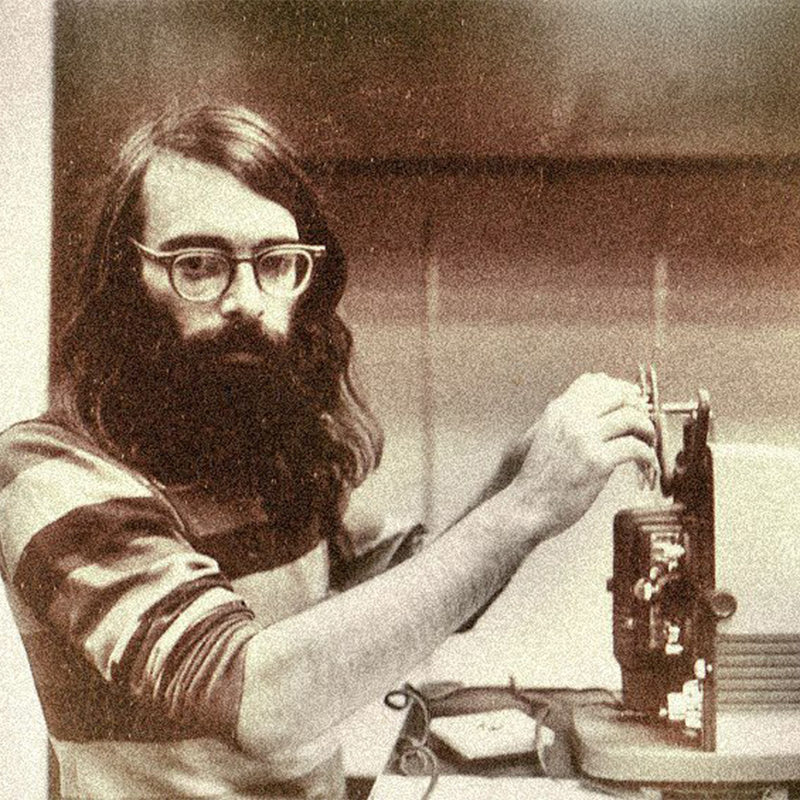
The Revolutions per Minute Festival hosts 10 works by Somerville experimental filmmaker Saul Levine at The Brattle Theatre on Sunday.
Not sure what experimental films are? If you’ve ever been to Boston’s Institute of Contemporary Art and seen trippy, surreal video installations, you’re on your way. Experimental or avant-garde film is usually deeply personal, often sociopolitical in context and reflective of the artist’s life in the moment.
Levine, born 1938, has been producing films for nearly 60 years; he was a professor in the Visual Arts Program at MassArt for 39 years.
Levine started his filmmaking career with “Salt of the Sea” (1965), featuring footage of his friends hopping from a boat to a buoy in the New Haven harbor. “I tried to make the jump with the camera,” Levine said, “and I fell into the water but held on to the camera.” The waterlogged footage, which Levine described as “abstract swirls of magenta and turquoise,” was turned into a four-minute short that ended with a clear shot of his friend perched upon the buoy.
If you watch Levine’s later works, such as his series “Driven (Boston After Dark)” (2002-present), in which Levine rides around in a car filming subjects and captures moments in time, or “Sun Drum Moon Note” (2018), which screens Sunday, you’ll notice shaky camera work. Part of that is Levine’s editing style, but adding to it are genetic neurological ticks – what Levine refers to as “tremors” – that he’s had since birth. As a result, Levine also speaks with a noticeable stammer.
Age and neurological affliction keeps Levine from getting behind the camera as much as he used to. Levine’s time at MassArt was also cut short, ending with his resignation in 2018. He said he felt “forced out” after school administrators accused him of harming students by showing his compiled film “Notes After a Long Silence” (1989), a collage that includes scenes of him having sex with his then partner. “It was ridiculous,” Levine said, as he’d screened “Notes” over several years without complaint and “the film was posted on the school’s website.” Levine gave passionate commentary on the situation in a video on Facebook, saying he felt “ambushed” by the school’s administration. The same year, fellow MassArt professor Nicholas Nixon, a Guggenheim fellow and photographer, came under scrutiny in a Boston Globe article for more severe, yet similar allegations of inappropriate academic behavior. The Globe mentioned Levine in conjunction with Nixon, who also resigned.
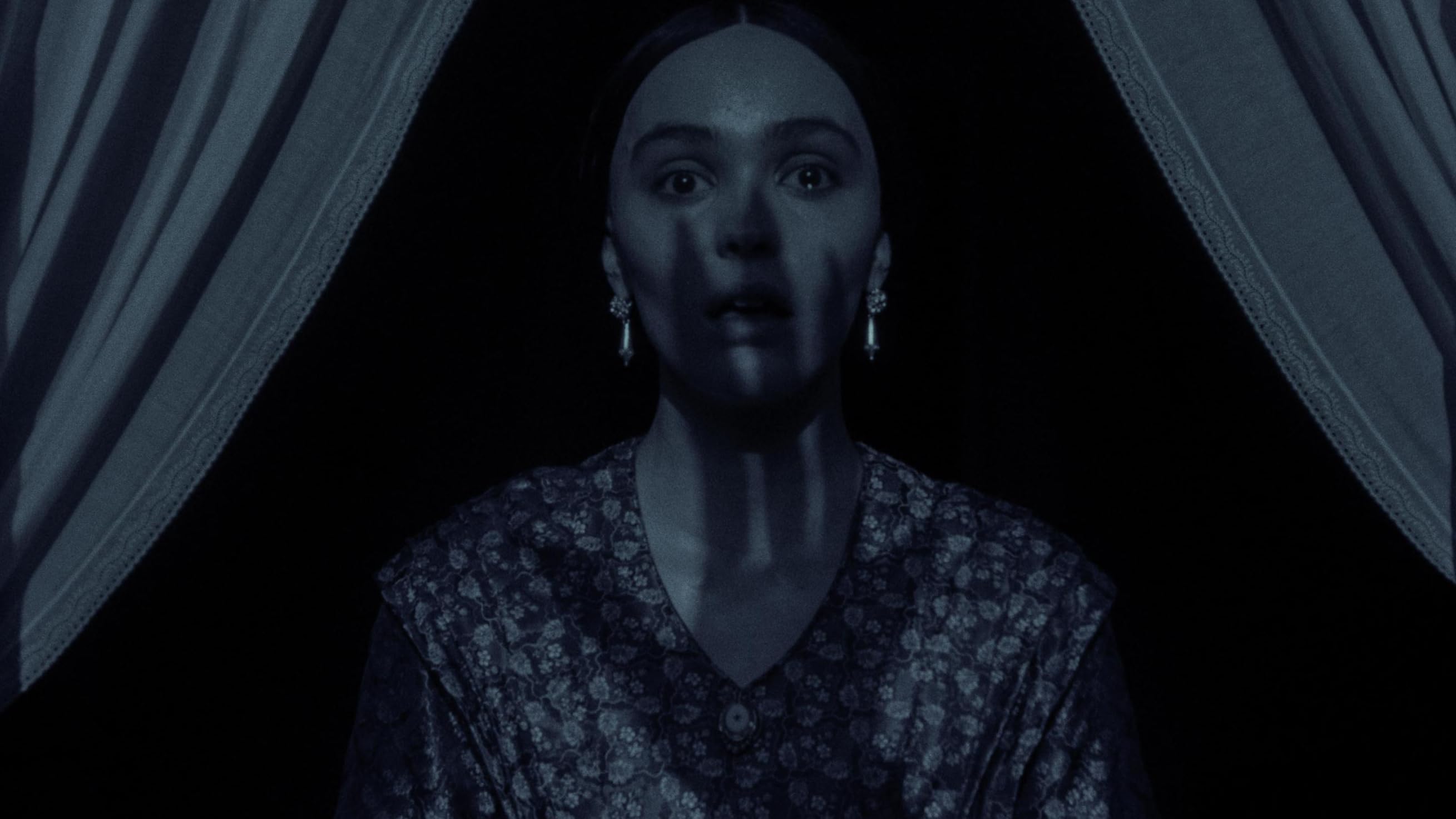
Robert Eggers’ remake of F.W. Murnau’s indelible 1922 classic is more akin in plot and scope to Francis Ford Coppola’s 1992 film “Bram Stoker’s Dracula” than Murnau’s inaugural cinematic adaptation, which was inspired by Stoker’s classic 1897 vampire tale. What’s the difference between Dracula and Nosferatu? Drac’s more dashing and suave, whereas the nosferatu named Count Orlok is a bald, withered being, grotesque by most human norms of comeliness and hygiene. Murnau, a master of practical effects, cranked up the mystical mind control aspects and educed a once-in-a-century performance from Orlok portrayer Max Schreck. Here, as played by Bill Skarsgård, whose brother Alexander worked with Eggers on “The Northman” (2022), Orlok is a shadowy incarnation that never comes into the light the way Schreck or even Klaus Kinski did in Werner Herzog’s 1979 take. Despite the title “Nosferatu the Vampyre” on the Herzog version, Kinski’s count is listed as “Dracula” and was something of a blend of the Bela Lugosi and Schreck incarnations. Eggers, who has made his name with eerie ambient immersions into the outré – “The Witch” (2015) and “The Lighthouse” (2019) – does more of the same here with strong black-and-white visuals delivered by director of photography Jarin Blaschke, who’s worked with Eggers on all his films, and the sonorous bolstering of Orlok’s gravelly intonations. The object of the carnivorous count’s desire is Ellen Hutter (Lily-Rose Depp), a young German woman with whom he forges a psychic connection despite residing far away in Transylvania (a picture can do that). To meet IRL, Orlok summons Ellen’s real-estate lackey husband, Thomas (Nicholas Hoult, now on-screen in “Juror #2”), to his castle to receive a deed to the flat across the way from their apartment in Wisborg. The count drains half the hemoglobin in Thomas’ body – nothing like weakening your rival in love before moving in. Once ashore in Wisborg (the scenes of Orlok dining on the crew while at sea are the most grim and gruesome), Orlok unleashes a plague and takes over the souls of a few townsfolk to employ as minions in pursuit of Ellen. In his adaptation, Eggers pays sincere homage to Murnau and Herzog’s versions. The result feels new in look and posture, but it doesn’t innovate much in the vampiric pantheon. Depp turns in the film’s most palpable performance, and for a Christmas treat, Eggers regular Willem Dafoe drops in as a batty academic and occult expert intent on sending Orlok back to the beyond for good.
‘Babygirl’ (2024)
Keeping with the psychosexual power games, Nicole Kidman notches her second Christmas film that features her bare derrière. That other movie, Stanley Kubrick’s 1999 swan song, “Eyes Wide Shut,” has grown on me over the years, especially the theme of small indulgences having larger, unintended ripples. Here Kidman plays Romy, the very in-charge chief executive of an e-commerce company named Tensile Automation – basically Amazon on crack. Romy lives in a palatial Manhattan condo with her husband Jacob (Antonio Banderas), a noted New York theater director, and two precocious teen daughters (Esther McGregor and Vaughan Reilly), but something’s clearly amiss. After sex, Romy runs off to another room to watch incest porn; then there’s the new intern Samuel (Harris Dickinson) who seems to know how to push every one of Romy’s buttons and regularly challenges her authority and proclamations in public forums – something few if any in the C-suite of Tensile Automation would dare to consider. Samuel chooses Romy as his mentor, and in their one-on-ones, keeps on pushing. Outside the office, the relationship turns physical with Samuel subjecting Romy to the kind of erotic B&D shenanigans that made “9½ Weeks” (1986) a kinky cultural staple for decades. Like Todd Field did with “Tár” (2022), writer-director Halina Reijn (“Bodies Bodies Bodies”) does a deft job of flipping the gender power paradigm. Kidman is superb as she riffles through the masks her character wears – nurturing mother, caring wife, nonapologetic CEO, lonely, unfulfilled soul and object of sexual subservience – often on a dime. Dickinson’s Samuel, by contrast, feels underwritten and hollow, which is a letdown given the strong performances he delivered in “Beach Rats” (2017) and “Triangle of Sadness” (2022). We never get the why of Samuel doing what he does, and when he starts threatening to upend Romy at the office or her coddled home life (he shows up uninvited for one of the girls’ birthday parties), he takes on the role of cruel manipulator as well as wormy opportunist, one we find ourselves rooting for a billionaire exec to take down. Also notable in the web of desire and deceit is Sophie Wilde (“Talk to Me”) as Romy’s protégée, who ends up dating Samuel as the affair becomes combative.
‘The Fire Inside’ (2024)
Cambridge-born filmmaker Rachel Morrison, the first woman cinematographer to receive an Oscar nod (“Mudbound”) in the category, makes her directorial debut with this biopic about Claressa “T-Rex” Shields, the first U.S. woman to win gold in Olympic boxing. The focus of Morrison’s film (working from a script by “Moonlight” director Barry Jenkins), is not her current pinnacle of pow, however, as she is still stalking opponents in the ring and undefeated as a pro, but Shields’ challenging early years in Flint, Michigan, where she was raised by a distracted single mother (the father was in jail) and lacking resources to get by. As Shields, Ryan Destiny brings a fierce pugnaciousness to the part. It’s an impressive, all-in performance not without nuance and a vein of vulnerability. The heat – and heart – of the film lies in Shields’ relationship with trainer Jason Crutchfield (Brian Tyree Henry), who backfills as a father figure. Bigger matters around Shields’ rise to prominence are a persisting gross gender disparity when it comes to compensation, respect and beyond, with a U.S. Olympic Committee publicist on Shields constantly to be more “ladylike.” Well-crafted and shot (by music video pro Rina Yang, not Morrison), with deep, palpable performances from Destiny and Henry, “The Fire Inside” strangely plays out somewhat flat-footed. Part of that’s the overuse of genre clichés (something you would not expect from the normally reliable Jenkins, but then again, consider his new “Mufasa”) and the knowledge that Shields would go on to become the Tom Brady of her sport. I’m not sure what’s next on Morrison’s plate, but “The Fire Inside” displays enough poise and promise to to get me off my stool for another round.
‘Homestead’ (2024)
Angel Studios, the family-themed, faith-based production company behind last year’s box office wonder “Sound of Freedom” (made for a cool 14 mill, it grossed near 200) saddles up with this post-terrorist-attack survival drama in which food, water and other life-sustaining needs become scarce as infrastructure and the law crumbles. The what and the why is a dirty bomb delivered by sailboat, detonated just off the L.A. coastline. Communications go silent, and the folks living on a sprawling, vineyard-esque estate of the title go into lockdown mode. The patriarch of the gorgeous grounds, billionaire Ian Ross (played by the steely eyed Neal McDonough) hires his own security detail headed by ex-Green Beret Jeff Eriksson (Bailey Chase) to keep out the riffraff (people seeking food and shelter). Based on the “Black Autumn” series by Jeff Kirkham and Jason Ross and directed patly by Ben Smallbone, “Homestead” wafts wisps of provocations – the haves versus the have-nots, what to eat when the corner market is bare and commitment to community, i.e., helping your fellow human in the wake of a societal collapse, but none really excite. Part of that is because Ross and his crew are so inherently entitled that you half want to see the hordes at the gate come for them Marie Antoinette style, and Chase’s operative is cold, aloof and always sizes up a situation with a finger on the trigger; neither character is particularly empathetic. The film does work its way around in the end, but feels rote. Alex Garland’s “Civil War,” released this year, covered similar territory with more bite. You do have to marvel at the spread that Ross and his family are holed up in, and much of the film feels like a grand mansion tour (despite the California setting, it’s in Bountiful, Utah, not too far from Angel Studios HQ).
A silly concept well-played, thanks largely to lead Megan Fox leaning in on her screen persona. It’s not the first time for Fox, who rose to notoriety as eye candy for teenage boys in the “Transformer” films: In 2009 she paired with “Girlfight” (2000) director Karyn Kusama and writer Diablo Cody (“Juno”) for the deconstructive horror-comedy “Jennifer’s Body.” Here she plays Alice, a droid nanny in a clingy maid outfit. She’s what’s known as a “sim,” mass-produced humanlike robots programmed to help out around the house, hospital, worksite or whatever. Alice is brought into the fold of a family to aid Nick (Michele Monroe) in the care of his daughter (Matilda Firth) and infant son because mom (Madeline Zima) is waiting on a heart transplant and might not be in the picture long. There’s tension because Nick is a construction worker dealing with the issue of sims replacing him and his crew at work, yet also sexual tension between him and Alice that’s pretty high from the get-go, added by glimpses of Alice in her babydoll garb and undies. The catalyst that turns Alice into a “M3gan”-esque terminator (yes, Megan goes M3gan) is the movie “Casablanca” – no joke. Nick’s a fan, and when Alice sits down to watch it with him one night and fires off a salvo of film factoids, Nick asks her if there is anyway to expunge the info from her memory banks so she might enjoy the cinematic experience organically. The answer is a disastrous reset that renders Alice jailbroken and able to go off script. Fox does a commendable job of physically articulating the tics and quirks of being a ’bot. How the film directed by S.K. Dale, who worked with Fox on “Till Death” (2021, also streaming on Netflix), evolves from there, packs a few neat curveballs and leaves things open for a sequel, but you’ve seen this bad ’bot plot before – and better.
‘Red One’ (2024)
Still playing in theaters but also now on Amazon Prime for free this week is this ho-ho-ho, so-so comedy-adventure that has Saint Nick (J.K. Simmons) kidnapped so an evil impish creature can take over the reins of Christmas. “The Nightmare Before Christmas” (1993) this is not. Simmons’ Santa is a bit of a change-up from your usual: He works out, hates macaroons and has a tricked-out sled with grotesquely jacked CGI reindeer. In this winter wonderland universe directed by Jake Kasdan (“Zero Effect”) there’s an org called the Mythological Oversight and Restoration Authority that’s trying to “rewild” the world with entities of myth and lore. One such is Grýla (Kiernan Shipka), the winter witch from Icelandic lore wants to take over the sleigh and deliver snow globes to the naughty that will imprison them in the globe for life. This is cause for pause, because is imprisoning potential future sociopaths a bad thing (well, yeah, because it’s kids, and naughty doesn’t mean homicidal), and did Grýla in the plotting of her scheme ever contemplate a three-strikes policy? In the mix to save the day are Dwayne Johnson as Nick’s head of security, Chris Evans as a hacker and bungling pa who accidentally gives away the secret locale of Santa’s operations, and Lucy Liu as a Mora operative. Thankfully, the ever-cantankerous Krampus (Kristofer Hivju, “Cocaine Bear”) makes an appearance and brings fire and fun to the few scenes he’s in. “Red One” is relatively watchable family fare, but as ephemeral and forgettable as a first dusting of snow.
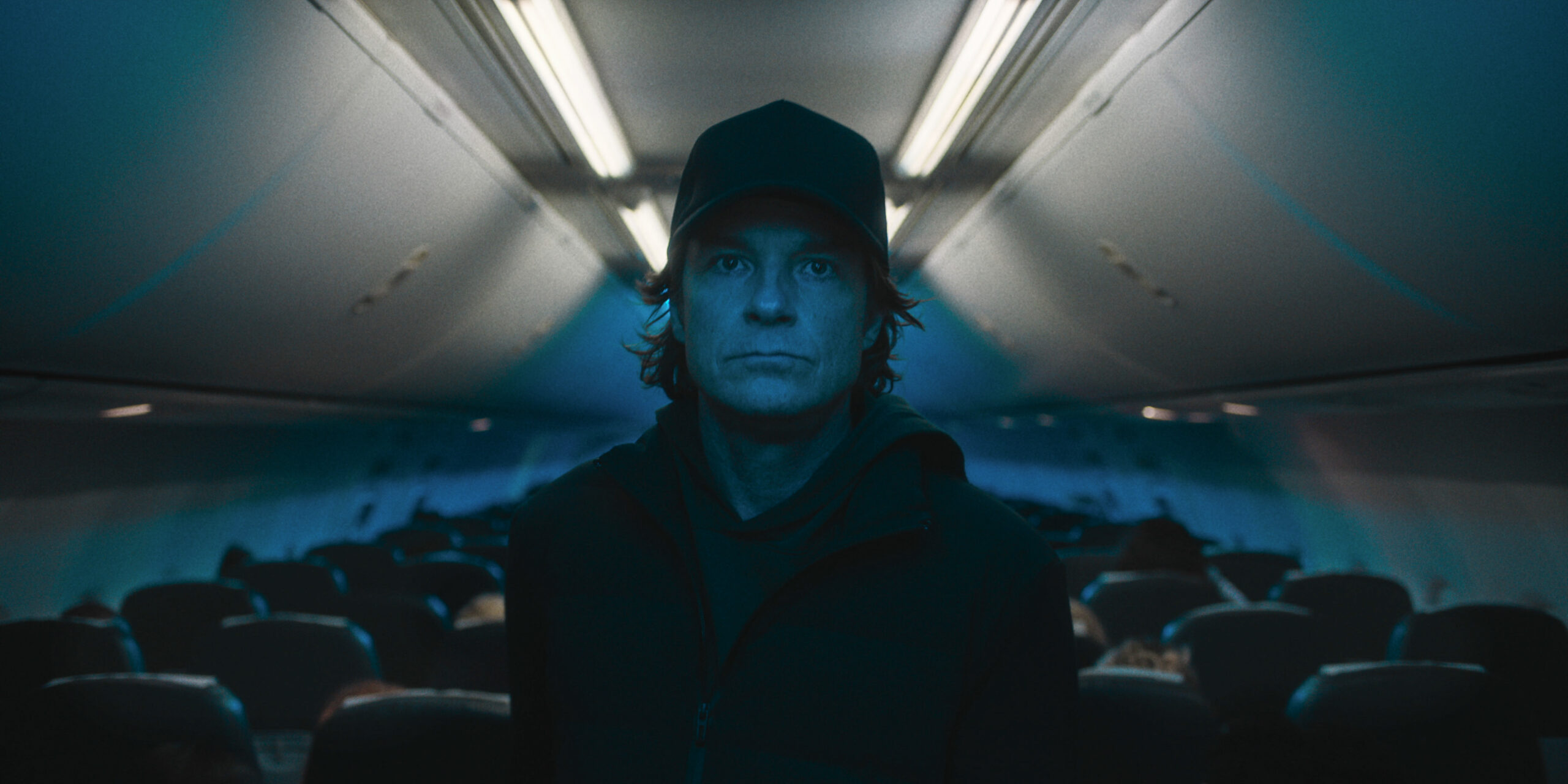
Another just-watchable holiday-themed flick that treads heavily on its “Die Hard” (1988) aspirations, starting with an East Coast fish-out-of-water Jersey boy hero, now played by Taron Egerton (Elton John himself from “Rocketman”), trying to thwart a terrorist strike in a bustling L.A. complex. Egerton plays Ethan Kopek, an underachieving TSA officer and cop wannabe who regularly shows up late for airport shifts and, as a result, draws menial shit job duties and can’t get a promotion. It’s Christmas Eve and, as is his MO, Ethan shows up late and is assigned a luggage-scanning post. Unbeknown, the station is the target of terrorists trying to get a briefcase full of the lethal Russian nerve gas Novichok onto a plane. The motive has to do with framing the Russians by killing a congresswoman aboard and thus generating contracts for U.S. military contractors, or something like that, not the most inventive MacGuffin. The terrorists, led by a calm, cool Jason Bateman (“Ozark”), get the bag through the checkpoint through a threat to Ethan: that his pregnant girlfriend (Sofia Carson) working in another wing of the airport is in a sniper’s scope and will be shot should he not comply with their every instruction. It’s a pat but passable thriller, with credit to Bateman’s wormy confidence and Danielle Deadwyler, good here as a cop in the mix and even better in “The Piano Lesson” this year. But they’re not enough to elicit a “Yippee-ki-yay.”
Long, overindulgent and absolutely riveting, the first feature film by Harvard grad Joshua Oppenheimer is hard to make heads or tails of as it explores life after the end of the world. The cinematic visionary who blew audiences away with his imaginative documentaries on the Indonesian death squads of the 1960s (“The Act of Killing” and “The Look of Silence,” both Oscar nominated) saddles up with Tilda Swinton, it boy George McKay of “1917” – already having a banner year with “The Beast” and the hard-hitting “Femme” to his credit – and Michael Shannon, who starred in the similarly themed, “Take Shelter” (2011). They play Mother, Son and Father, respectively. Along with “Nightbitch,” also currently in theaters, this no-name concept seems to be the arthouse convention du jour.
We catch up with the trio living the posh life in a bunker a half-mile underground after the rest of the world has been burned to a crisp. The shelter is in the labyrinth of an abandoned salt mine bought presciently decades ago by Father, a former oil exec (who, by proximity, had a hand in the incineration of humankind). Son was born in the bowels of that salt mine, and the well-tended-to trio are not alone in their enclave. With them are a doctor (Lennie James, “The Walking Dead”), a cook (Bronagh Gallagher) and a butler (Tim McInnerny, “Gladiator II”). Everything for the most is safe and good, and their biggest discomfort is the bitter sourness of the wine they vinify. Then an interloper drops in – almost literally. The arrival of the young woman known as Girl (Moses Ingram) is not welcomed. Mother and Father have a xenophobic policy and initially restrain and restrict Girl; eventually they admit her into their midst, where as you can guess, sexual tensions with Son rise quickly and cause social dynamics and routines to shift.
Did I mention that “The End” – not to be confused with the similarly titled and themed 2013 film “This is the End” starring Jonah Hill and James Franco – is a musical? For his two Indonesian hit-squad docs, Oppenheimer stepped outside the boundaries of nonnarrative convention and gave former squad leaders resources (money and cameras) to make their own films depicting their recollection of their parts in the bloody overthrow. One made a garish musical with former killers dressed in drag and singing alongside the cascading waters of a grand waterfall. Could that have been the inspiration for the cast of “The End” to break into song in the dusty corridors of a salt mine? The probability is too overwhelming to deny.
The overall fabric of “The End” is not too far from L.Q. Jones’s postapocalyptic“A Boy and His Dog” (1975), in which Don Johnson as that “boy” discovers an underground Eden and ultimately upends an order serving mostly an elite few. Besides the gender role swap, the other notable delta between the films is the causality for eradication – global nuclear annihilation or human-triggered climate change catastrophes. Oppenheimer doesn’t harangue the audience by climbing onto the climate change pulpit, a theme more clearly held off in the corner of the frame. For his microsociety, there’s no wrestling with what-ifs, because it’s already happened, but members have guilt and admit to things they did that led to the perishing of others.
Given the texture of his films, it’s clear that the cleansing power of confession is something that drives Oppenheimer – it was the thing he sought to educe from Indonesian militia leaders after decades of denial. The result in those films was stunning, emotionally impactful and horrific; here, narrative artifice diminishes that impact, but “The End” is effectual in its own right. It is gorgeously framed and shot, with near period-piece delicacy, and the performers create sharp characters and prove quite capable when dropping into song. The offset between Swinton’s subtle, ethereal otherworldliness and Shannon’s gruff bristle takes a while to digest, but serves the film well. “The End” does go on a bit too long for the concept, but effectively provokes with themes of isolationism, empowered entitlement and one’s responsibility to a fellow human, as well as stewardship of the vast blue orb we’ve indelibly infected through negligence and avarice.
Luca Guadagnino’s adaptation of William Burroughs’ semiautobiographical novella is a steamy walk on the wild side set in 1950s Mexico City and destinations south. Bond guy Daniel Craig goes all-in as Burroughs alter ego William Lee, a compulsive yet civil expat with means and a predatory tick. For those who wondered what Craig would do after letting go of 007, “Queer” signals something more than just the bawdy good fun of his Benoit Blanc romps (“Knives Out,”“Glass Onion”). Here, the actor turns in a bold change-up that’s more than worthy of awards banter. Lee has relocated to Mexico, because – at the time – it was one of the few havens for a man of stature wanting to pursue same-sex dalliances as well as illicit drug use without the inherent social and legal persecution that was (and still is?) rife and looming in the states. Beyond the bustling “queer” community Lee’s embedded in, he can score smack or coke easily around the corner, a real win-win for a gentlemanly hedonist. The film’s broken into three chapters, the first two focusing on Lee’s obsessive pursuit of a tall, sculpted, younger lad by the name of Eugene Allerton (Drew Starkey), another American hanging out in Mexico City trying to work out their place in the world and through the bigger ideological issues that confronted Burroughs and his fellow Beats. For a good long while, Allerton remains at an arm’s length, aloof and just out of reach, but “Queer” morphs into something of a buddy road trip as we steer into the third chapter and the pair head to Ecuador and Panama with the goal of greater euphoria and enlightenment (and telepathy, Lee hopes). The circumstances that led Burroughs to Mexico, and to write “Queer,” are intriguing: He had just accidentally shot and killed his wife, Joan Vollmer, during a drunken game of Willam Tell (leading also to Burroughs’ 1954 novel, “Naked Lunch,” adapted adroitly to the screen by David Cronenberg in 1991). Given its content, “Queer” would not get published until 1985. Guadagnino, who’s skilled at projecting carnivorous carnality on screen (“Suspiria,”“Challengers,”“Bones and All”), simmers up a slow-building character study steeped in lust and drugs. As with all the Italian auteur’s films, “Queer” is crafted gorgeously from a cinematic standpoint, but its dips into surrealism late in the film are narratively awkward. There’s a thinness and slight disjointedness that at times threaten to pull one out, but even those foibles are offset easily by Craig’s screen-consuming commitment to the part.
‘Nightbitch’ (2024)
Rachel Yoder’s novel, which touched a nerve about the disproportional contributions the male and the female of the species make when it comes to child rearing, looked primed for the big screen with Amy Adams cast in the lead and the capable Marielle Heller to direct. Heller, as you may recall, blazed her way onto the screen with the intimate 2015 coming-of-age drama “The Diary of a Teenage Girl,” but here, with Yoder’s experimental text about a mother who may or may not be transforming into a dog (thus the title), domestic themes dealing with the onus of matronly nurture, the male provider complex and even the glass ceiling feel contrived and forced. “I don’t want to be trapped inside a 1950s marriage,” says Adams’ Mother (the characters have no names) to her clueless husband (Scoot McNairy). He’s not a bad guy, but does regularly drop into video game oblivion as Mother, ever put upon (or so that’s the lens of the film), tends to their 2-year-old. “Nightbitch” is a deeply internal film, with Mother reflecting regularly on (and brooding about) her status and the relative (in)equality in the homestead. The kick comes when she starts to commune with the pack of dogs that roam her suburban neighborhood; later her teeth get sharp and pointy, meat becomes a must munch, patches of fur begin to spring up here and there and there’s the unsavory discovery of a burgeoning tail. “An American Werewolf in London” (1981), this is not. The context of what is real and what is not is often hard to glean – and more so, you just don’t care. Sure, it’s a clear manifestation of Mother’s emotional state and a bigger metaphor for the unrecognized burden of motherhood being taking for granted, but as presented it’s lazily murky, unlike how Mary Harron’s “American Psycho” (2000) deftly blurred reality, delusion and the externalization of emotional anxiety. Adams puts in a game effort, but Mother’s not that deep or interesting, and neither is McNairy’s husband, resulting in a generic couple living generic lives and going through generic ennui. The pooch stuff, as rendered, feels tacked-on. As a feminist poke, “Nightbitch” makes its point, but not convincingly so. It’s frustrating to watch the talented Adams (“Arrival,” “American Hustle”) dig deep only to get collared by a flat script, and the cinematic act of going from reality to body-morphing alter reality should have been punched up more. “Nightbitch” whimpers slowly into the night, a fangless could-have-been.
“Do Not Expect Too Much from the End of the World,” “Small Things Like These” and “The Lost Children”
‘Do Not Expect Too Much from the End of the World’ (2024)
A sardonically black political comedy that’s right out of left field, powered by witty takes on hot topics (Andrew Tate, Putin and Pornhub, to name a few) and a killer performance by Ilinca Manolache, without whom the movie could not be. Manolache plays Angela, a feisty Romanian woman looking to make it in the gig economy as a filmmaker and TikTok sensation. Her main hustle is as a production assistant for a company that makes safety videos, kind of – on many shoots, Angela coaches accident victims, often in wheelchairs, to talk about the safety measures they should have taken to have avoided injury versus the clear negligence of the employer to provide a safe workplace. They’re more CYAs than PSAs, and that’s the degree of biting humor imbued by writer-director Radu Jude (“Bad Luck Banging or Loony Porn”).
When we meet Angela, she’s buck naked, on her bedside table is Proust, a half-drunk beer and a glass of wine. From her unapologetic posture as she drags herself out from under the covers at 5 a.m. we know she’s a take-no-shit sort. Donning a sequin dress, Angela wills her way through the day, which includes several safety shoots, chatting with director Uwe Boll about beating the bejesus out of critics who take exception to his lowly regarded films (“BloodRayne,” “Alone in the Dark”), a quickie in her SUV, where nearly half the film takes place, and frequent TikTok dispatches as her evil alter-ego, a bald, bushy-browed incel named Bobiţă who boasts of sexual conquests and hanging out with Tate, the controversial purveyor of all things manly and macho.
Jude employees a unique stylistic palette to frame his modern absurdity; much of Angela in transit is shot in matted black-and-white (reminiscent of Pawel Pawlikowski’s wonderful “Cold War”) while her TikTok and safety videos are shot in color. Jude too infuses footage from the 1981 film “Angela Goes On” about a female cab driver in communist Romania. The thematic juxtaposition (of constantly driving and having a hard time getting from point A to point B) is all about the bureaucratic nonsense that confronts and confounds the two Angelas back during the days of Ceaușescu’s police state and in the capitalist now.
Manolache, who feels like she could slide easily into an early Almodovar or classic Fellini romp, is all-in as the foul-mouthed Angela, full of vim and palpable vigor, and quite muscular and confident in the way she defines her womanhood and place in society. Along with Mickey Madison’s bravura turn in “Anora,” it’s the most pop-off-the-screen performance by an actress this year – Angela and Anora could easily team up and rule the world, and given where we’re heading, that would likely be a good thing.
The ending long take, a filming of a PSA at the site of an accident, is the most somber and dark absurdity in the film, with telling plays on Putin and Ukraine, American TV and the devious use of Bob Dylan’s “Subterranean Homesick Blues” placards to further victimize and subjugate the maligned.
‘Small Things Like These’ (2024)
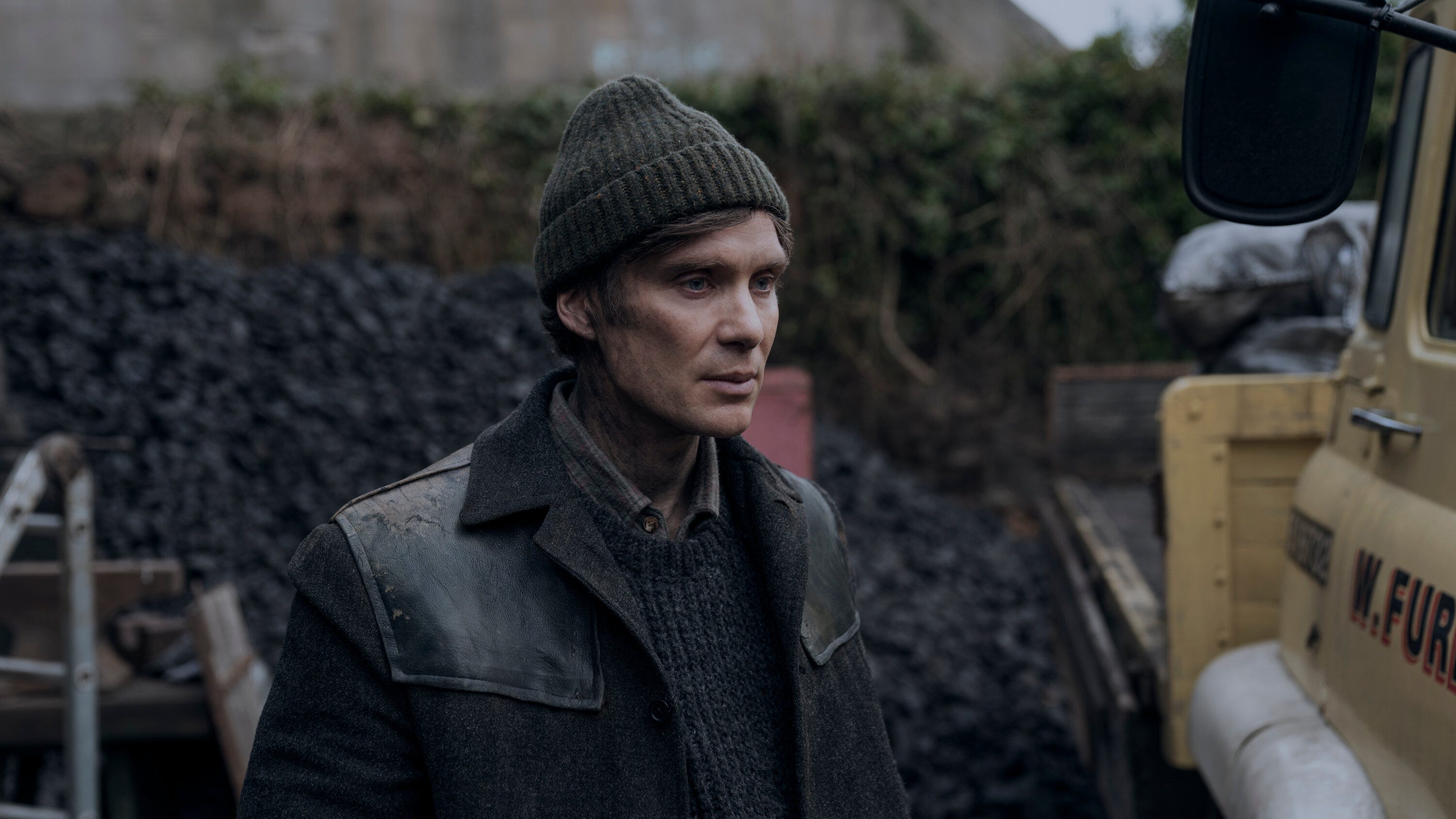
Based on Claire Keegan’s novel about the Magdalene Laundries in Ireland, this project directed by Tim Mielants draws emotional depth from an all-in performance by star Cillian Murphy, nearly even more internalized and conflicted here than he was for his Oscar win as Oppenheimer in the Christopher Nolan-helmed biopic last year. The Laundries were a series of so-called asylums for wayward girls, unwed mothers and “fallen women” (former sex workers, recovering addicts, etc.) run by nuns. Keegan’s story targets their sordid history of using women as indentured labor, housing them in prisonlike lockdowns and often taking their babies forcibly from them so the institution could profit from the adoptions. The misdeeds are revealed through the meanderings of Bill Furlong (Murphy), a merchant in 1985 Ireland who provides one such institution with coal. Seeking a signature for an order one day, he witnesses a girl being dragged across the hall screaming. She mouths to him for help. For a frozen second he thinks to act, but the steely eyed sister in charge (Emily Watson) swoops in to explain things away with a cup of tea. Later, Bill discovers a young pregnant girl shackled in the coal shed – yep, it’s that kind of shop of little horrors. Then there’s Bill’s own backstory, his five daughters (his wife is played by Eileen Walsh, who starred in 2002’s “The Magdalene Sisters,” a film that went at the same subject), which serve as a point of reflection and increasing concern, and the boy down the street, often shoeless and starving. Much of what appears quiet, composed and buttoned-down is anything but. The Magdalene Laundries operated from the 1800s to, amazingly, up through the 1990s. In scope, as Mielants and Keegan (“The Quiet Girl”) tell it, “Small Things Like These” feels not too far off from our own Catholic Church abuse scandal (“Spotlight”): cover-ups over decades, victimization of the vulnerable and the leveraging of religious righteousness to make it happen. It’s a somber weaving of disturbing discoveries, but not one without threads of humanity and compassion brought to the screen by Murphy’s deeply emotive performance.
‘The Lost Children’ (2024)
A hackneyed documentary about the incredible true story of survival by four children (ages 11 months to 13 years) in the Colombian rainforest for 40 days after their plane crashed in May of last year. The three adults aboard (including the pilot and the mother of the Indigenous children) perished upon impact. The Colombian military takes up the search and are later joined by a legion of Indigenous volunteers. Directed by Orlando von Einsiedel, Jorge Duran and Lali Houghton, the film focuses hard on this point to showcase the jungle knowledge of the Indigenous searchers and their unease working with the military because, as the film has it, the factions have been at opposite sides of conflicts over decades. Specifics are never really provided, which is one of the film’s major annoyances. The dramatic recreations of the search feel sloppy and staged (often people in arguably real footage have their faces blurred), though the wildlife photography is top shelf. The reason to stay with the film is the chilling footnote that the children’s father and stepfather, Manuel Ranoque, initially at the fore of the search and a seeming heroic figure, is accused (by talking heads, the mother’s aunt and sister) as an abuser, suggesting the children could be evading the search effort to avoid him. The dubbing is mumblecore awful and the staging of Indigenous rituals and ways borders on exploitative arrogance, even though it ostensibly aims to be embracing.

















 For What it's Worth