If 2025 proved anything, it’s that cinema remains most alive when it resists easy definition. This was a year of films that slipped between categories — between art-house and genre (”Sinners,” “Bring Her Back”), intimacy and spectacle (”Resurrection”), sincerity and provocation — often in the same breath. The most compelling work didn’t shout its importance; it lingered, unsettled (”Die My Love,” “Sorry Baby”), and quietly reoriented how we look at the world, and at ourselves (One Battle After Another).
This was a year shaped less by consensus hits (”Fire and Ash” noted) than by films that demanded engagement–”Sinners” per se. Stories of grief (”Hamnet”), obsession, identity, and endurance unfolded in unexpected registers: tender where you expected bombast (”The Life of Chuck”), abrasive where comfort once reigned (”If I Had Legs I’d Kick You”). Even familiar auteurs–Paul Thomas Anderson, Ryan Coogler, Richard Linklater and Chloé Zhao to name a few–arrived with sharpened (or re-honed in the case of Zhao) instincts, pushing past their own signatures to interrogate aging, memory, power, and the quiet violence of love. Meanwhile, emerging voices (Eva Victor, “Sorry Baby”) brought urgency and texture, reminding us that cinema’s future is not only global, but defiantly personal. Female debuts behind the lens resonated in 2025, others being Mary Bronstein (“If I Had Legs I’d Kick You), Kristen Stewart (“Chronology of Water”), Kate Winslet (“Goodbye Jane”), “CSI” icon Mariska Hargitay (“My Mom Jayne”) and kind of (she co-directed a film with “Anora” helmer Sean Baker some 20 years ago), Shih-Ching Tsou (“Left-Handed Girl”).
If there’s a through-line to 2025, it’s an insistence on presence — emotional, political, and sensory. Films that ask us to sit with discomfort, to embrace ambiguity, and to find meaning not in resolution but in reckoning. They linger long after the credits roll, less concerned with tidy conclusions than with the residue they leave behind.
This year’s top 10 isn’t about consensus or cultural dominance. It’s a snapshot of a moment when filmmakers trusted audiences to lean in, to feel deeply, and to meet the work halfway. In a year defined by uncertainty and recalibration, these films reminded us why we keep returning to the dark: not for escape, but for illumination.
1. “One Battle After Another”
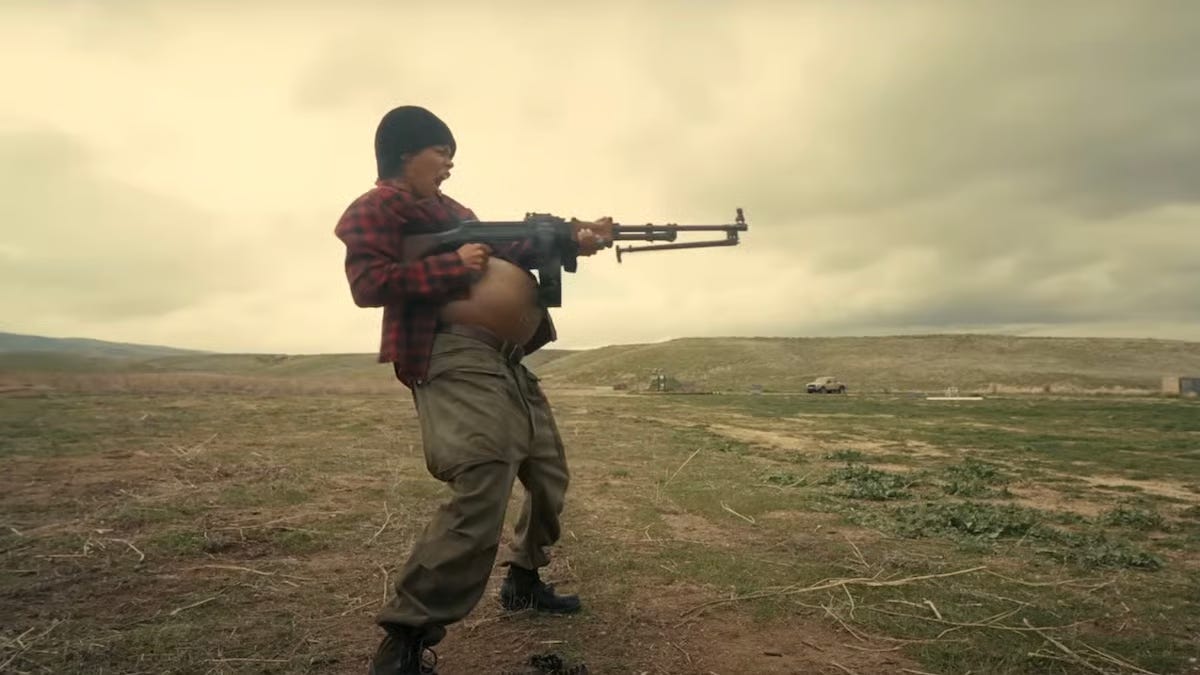
Paul Thomas Anderson’s kinetic adaptation of Thomas Pynchon’s sprawling 1990 novel “Vineland” marries blistering set-pieces with sharp political satire. At its core, the film pulses with high-octane action—an expertly staged car chases through downtown streets and mirage infused desert pursuits—with a taut script that never lets up on the stakes. Leonardo DiCaprio leads as the hapless yet engaging Bob, a former radical now on the run and is well supported by dynamic turns from Teyana Taylor, Benicio Del Toro, and Sean Penn as the chillingly square-jawed antagonist with strange views on race and patriotism. Anderson’s use of widescreen formats like VistaVision and evocative cinematography by Michael Bauman give the movie a distinctive visual punch that feels custom-built for the big screen aesthetics. While a few sequences meander longer than necessary, the film’s relentless momentum and tonal agility—shifting from the absurd to visceral tension—keep it gripping throughout. It’s a film you need to see two or three times to fully appreciate how much is packed in with such seemingly seamless orchestration.
2. “Sentimental Value”
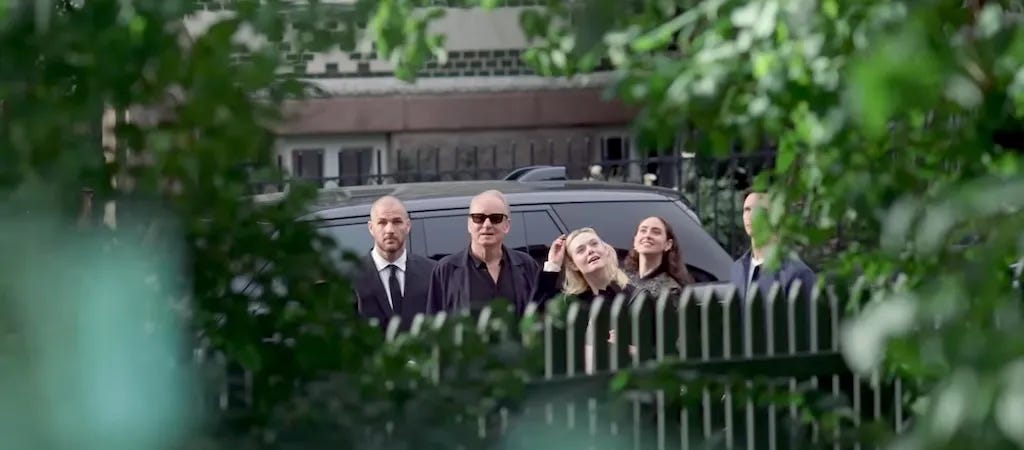
As much as Stellan Skarsgård’s male egotist is the catalyst for all that happens in this story of grief, struggle and reconciliation, it’s the feminine side of the house that gives “Sentimental Value” its heart and humanity. Skarsgård plays a filmmaker on the magnitude of Bergman – his name is Borg – looking to make one final picture and fix transgressions with his daughters in the wake of his ex-wife’s death. Art and the desire for legacy are at the fore, but the real heart is the connection between the sisters played by Renate Reinsve, who worked with director Trier on the much heralded “Worst Person in the World” (2019), and Inga Ibsdotter Lilleaas as they grapple with their sense of identity and familial truths. It’s very Bergman-esque. Complicating the picture is a famous American actor (Elle Fanning, great, and also wickedly funny in this year’s “Predator: Badlands”) who steps into a part of Borg’s endeavor written for his elder daughter (Reinsve), who, due to past deeds or misdeeds, declines. The script is from the heart, and the ensemble near untouchable.
3. “Resurrection”
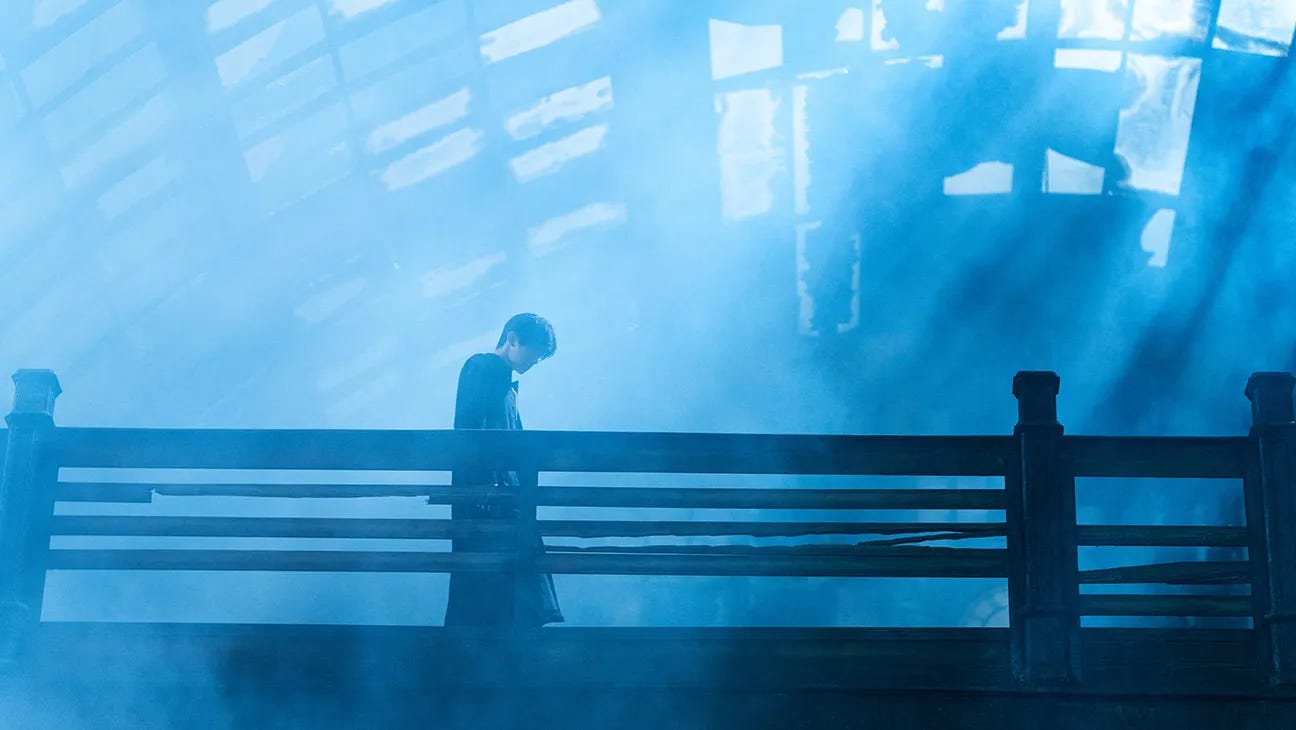
Bi Gan’s dazzling, cerebral sci-fi phantasm folds memory, myth and cinematic form into a single, dream-logic tapestry. Set in a future in which humanity has traded the ability to dream for immortality, “Resurrection” follows the last remaining “deliriant” (Jackson Yee), a Frankenstein-like being still capable of dreaming, and the woman (Shu Qi) tasked with entering his subconscious to retrieve buried truths. What unfolds is an episodic odyssey through visions shaped by Chinese history, genre homage and shifting perspectives. It’s a visually sensual smorgasbord told in chapters aligning with a different sense and narrative style – we begin with German expressionism and wind up with one of the most stunning long shots ever projected on a screen. It’s bathed ominously in languid red and takes place in a trash-strewn, cyberpunk part of the city that hosts a vampire lair where a young punker (Yee again, who plays five roles – one per sense) has come to profess his love for a mercurial chanteuse (Gengxi Li). It’s a bold, poetic nightmare that resonates with humanity and wonder.
4. “Nouvelle Vogue”
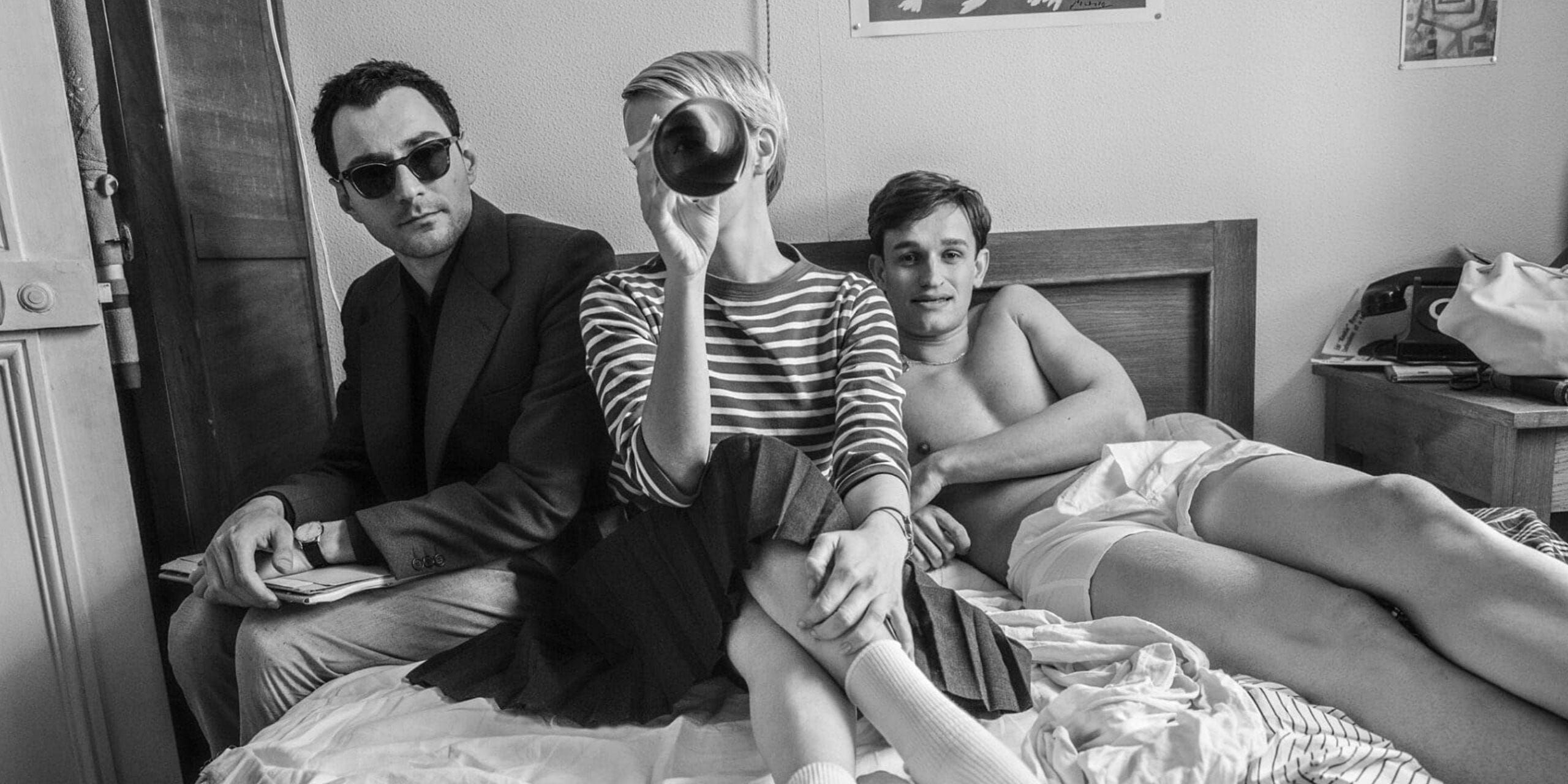
Richard Linklater’s love letter to the French New Wave is driven by the unwavering, near-maniacal vision of first-time filmmaker Jean-Luc Godard (Guillaume Marbeck) shooting “Breathless” in the Paris of 1959 (the film was released in 1960) with a relatively unknown Jean-Paul Belmondo (Aubry Dullin) and reluctant American actor Jean Seberg (Zoey Deutch, “Juror #2”). Like “Sentimental Value,” the film is about a genius and their pursuit of art at all costs while exposing the foibles and flaws of the artiste under the scrutiny of the filmmaker’s lens – very meta. The script by Vincent Palmo Jr. and Holly Gent, who partnered with Linklater on “Me and Orson Welles” (2008), is spry, lean and witty. Linklater even frames it in polished black-and-white, with a 4:3 aspect ratio to invoke the look of the era. Among the many notable cinematic faces portrayed in small bits are Claude Chabrol (who, along with Truffaut, helped conceive the storyline for “Breathless”), Jacques Rivette, Agnès Varda, Jacques Demy, Jean-Pierre Melville, Roberto Rossellini and Robert Bresson (“Au hasard Balthazar”). This was a very good year for Linklater (“Boyhood,” “Dazed and Confused”); he also delivered “Blue Moon,” which is garnering Oscar talk for Ethan Hawke getting small and short as musical songwriter Lorenz Hart.
5. “If I Had Legs I’d Kick You”
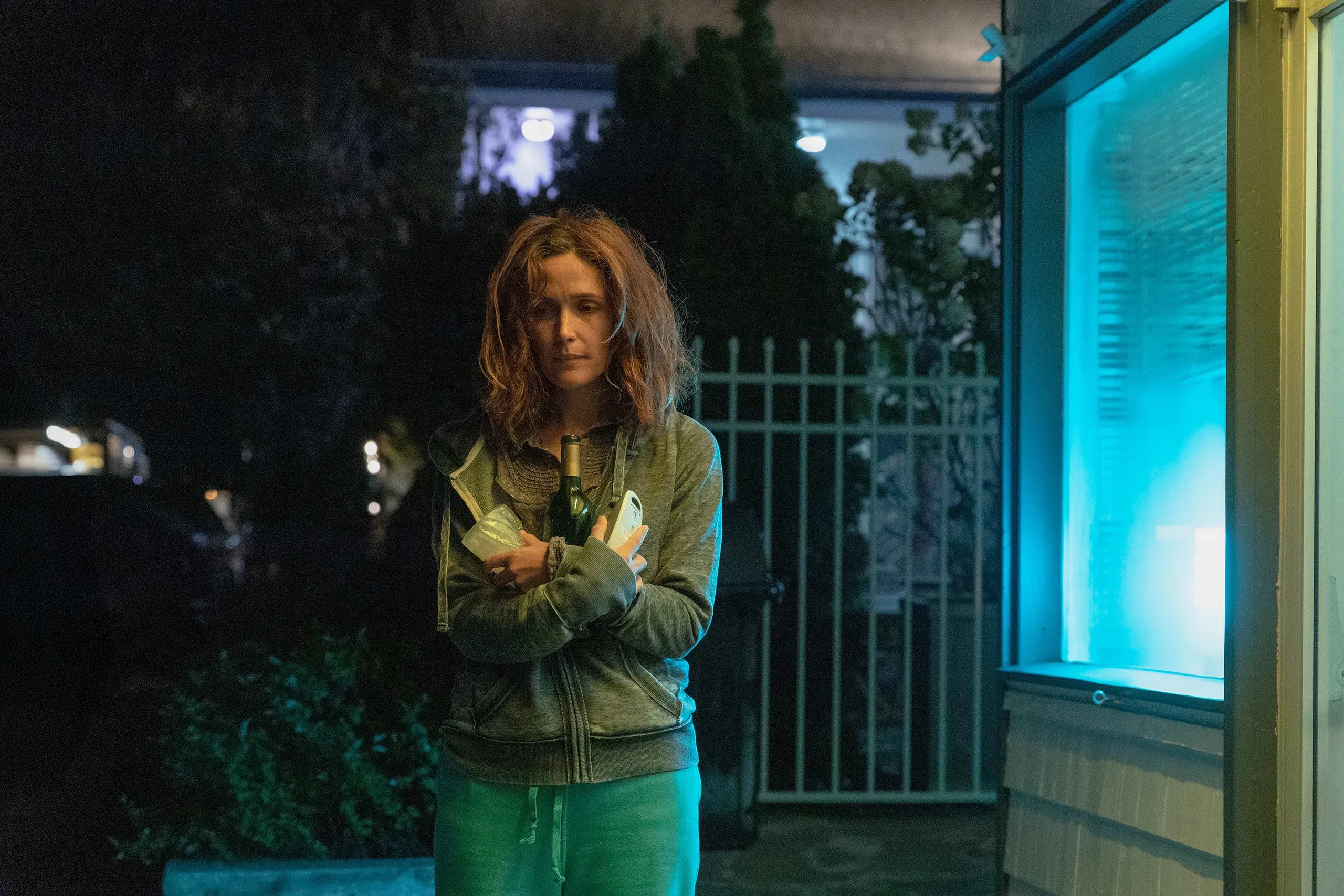
An emotionally attuned debut form Mary Bronstein (one of two female-lead, first-time efforts to make the list) that finds dark humor and quiet devastation in the blur of caregiving, burnout, and self-erasure. The action revolves around a mother (Rose Byrne) stretched past her limits, living in a hotel with her special needs daughter (medical) as home has a massive hole in the roof—and dad (Christian Slater) is forever on the phone and never in scene. The narrative plumbs how love and obligation can coexist with exhaustion, resentment, and offer moments of startling clarity. Its strength lies in observation rather than escalation: the camera lingers on glances, hesitations, and bodily fatigue, allowing meaning to accumulate without being underlined. The lead performance by Byrne—one of the very best of a strong year—is raw yet controlled, conveying both vulnerability and simmering resolve as the character navigates an existence defined by relentless need. What emerges is not a story of redemption or collapse, but of endurance — messy, human, and often darkly funny. With its intimate scale and emotional honesty, “If I Had Legs I’d Kick You” offers a quietly devastating portrait of care as both an act of love and a profound act of self-negotiation.
6. “Sorry, Baby”
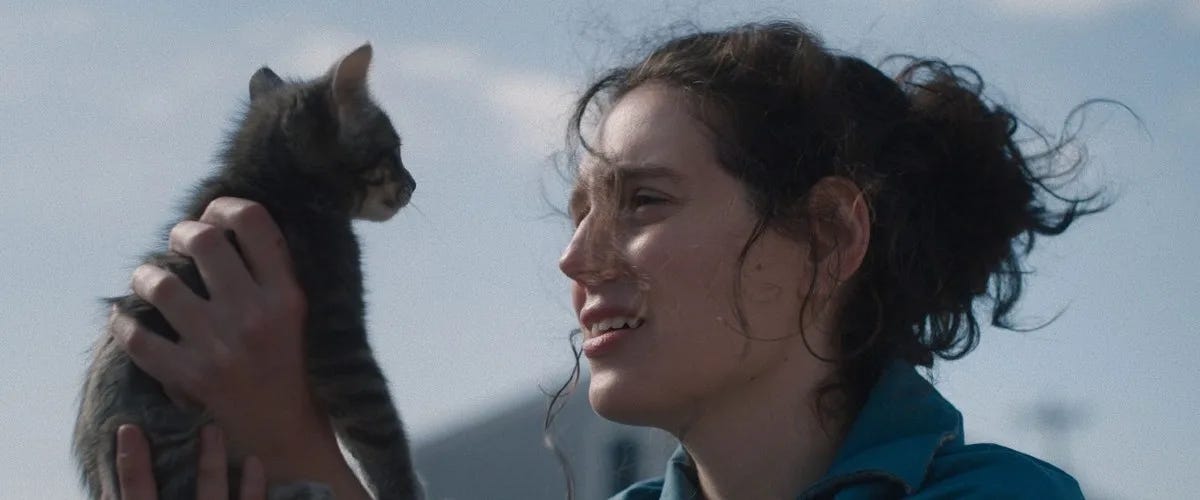
Eva Victor’s quietly devastating filmmaking debut—that other first timer—shot on the North Shore captures an emotional rupture with startling precision and restraint. Centered on a young woman reeling from a sexual assault, “Sorry, Baby” resists melodramatic shortcuts, and Instead observes how trauma can roil in the everyday in uneven, often invisible ways. The film’s quiet resonance lies in what it withholds: the dialogue is spare, reactions are internalized, and moments of silence carry as much weight as confrontation. It moves in haunting fragments rather than plot arcs, mirroring the way memory and recovery rarely move in straight lines. Anchored by Victor’s deeply controlled lead performance, “Sorry, Baby” finds grace in small gestures—awkward conversations, interrupted routines, fleeting connections—that reveal resilience without forcing resolution. There’s a quiet moral clarity to the filmmaking, one that trusts viewers to sit with discomfort rather than offering catharsis on demand. Modest in scale but emotionally exacting, “Sorry, Baby” is a striking, humane portrait of survival that lingers long after its final frame, reminding us how healing often unfolds in partial steps rather than clean conclusions.
7. “Train Dreams”
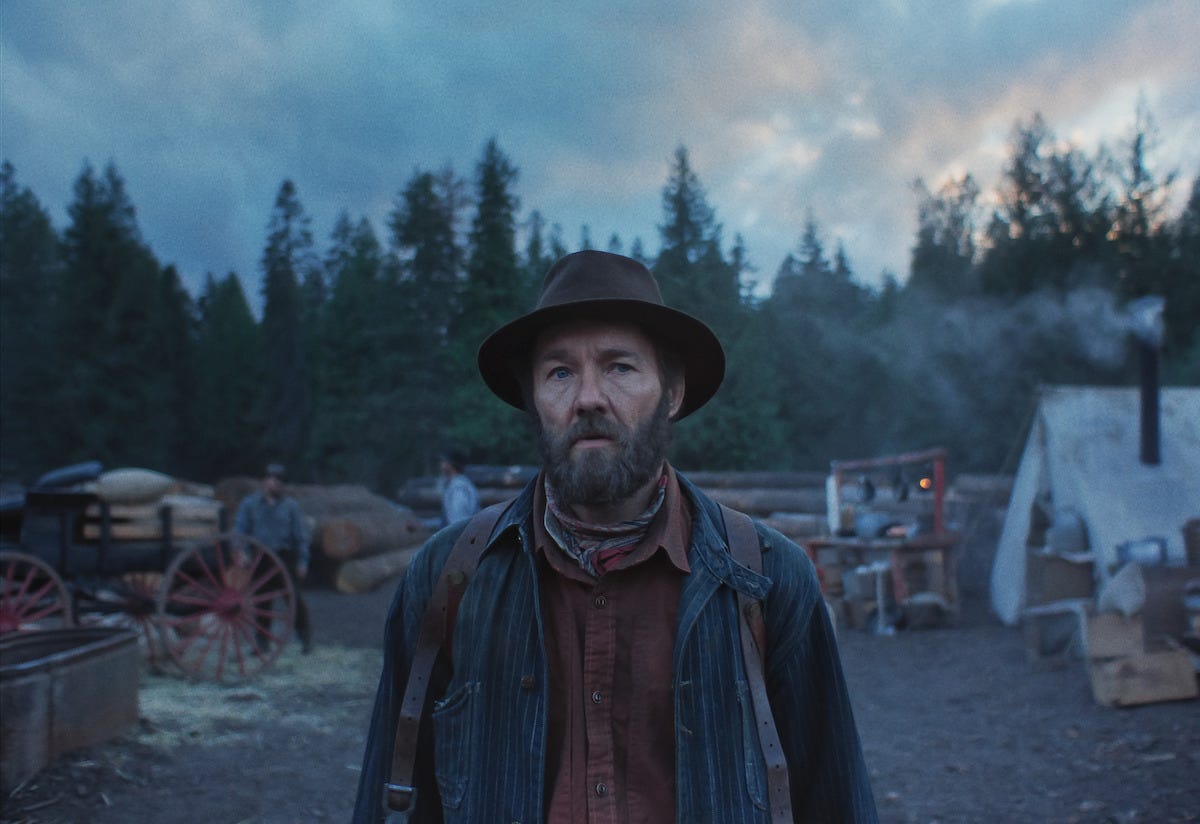
This quietly powerful period drama transforms Denis Johnson’s compact 1996 novella into a reflective, visually rich cinematic experience. Anchored by a deeply felt, understated performance from Joel Edgerton as Robert Grainier — a laborer and logger in the early 20th-century Pacific Northwest — the film traces a life marked by work, love, loss, and the relentless advance of modernity. The narrative unfolds with a meditative calm, allowing the rugged landscapes and the rhythms of everyday toil to shape audience engagement as much as plot. Through contemplative pacing and evocative imagery, the movie situates Grainier’s unadorned existence against broader themes of change and resilience, with standout contributions from Felicity Jones and William H. Macy enriching the emotional texture. The adaptation’s use of languid narration and immersive cinematography deepens the sense of personal memory and meaning, balancing moments of intimacy with sweeping natural vistas. In its quiet insistence on dignity and endurance, “Train Dreams” stands as an affecting, thoughtfully crafted portrait of a man and a world in transition, where beauty and sorrow co-exist.
8. “Sirat”

This sprawling wonderment directed by Óliver Laxe unfurls as a stark meditation on faith, displacement, and moral endurance. Set in the harsh, borderless landscape of the endless Moroccan dessert–and its precipitous mountains—a father and son go looking for their missing daughter/sister who’s embedded with a nomadic rave crowd parting in the vast open nowhere. The film’s a spiritual journey shaped as much by silence and ritual (the raves parties are transfixing) as by events–some startling and shocking. Laxe frames fate and belief not as certainty but as friction — between devotion and doubt, discipline and compassion, and isolation and responsibility. Beneath its austere beauty, “Sirat” (the name loosely meaning the path to spiritual enlightenment or paradise) engages quietly but pointedly with contemporary political tensions, touching on migration, gender identity, radicalization, and the fragile line separating faith from ideology. Driven by a pulsating techno score by David Letellier (known professionally as Kangding Ray) that’s practically a prime player, “Sirat” resists easy allegory while allowing meaning to emerge through gesture, and repetition. The nuanced performances by the ensemble are restrained and inward, grounding the film’s metaphysical questions in palpable human vulnerability.
9. “Weapons”
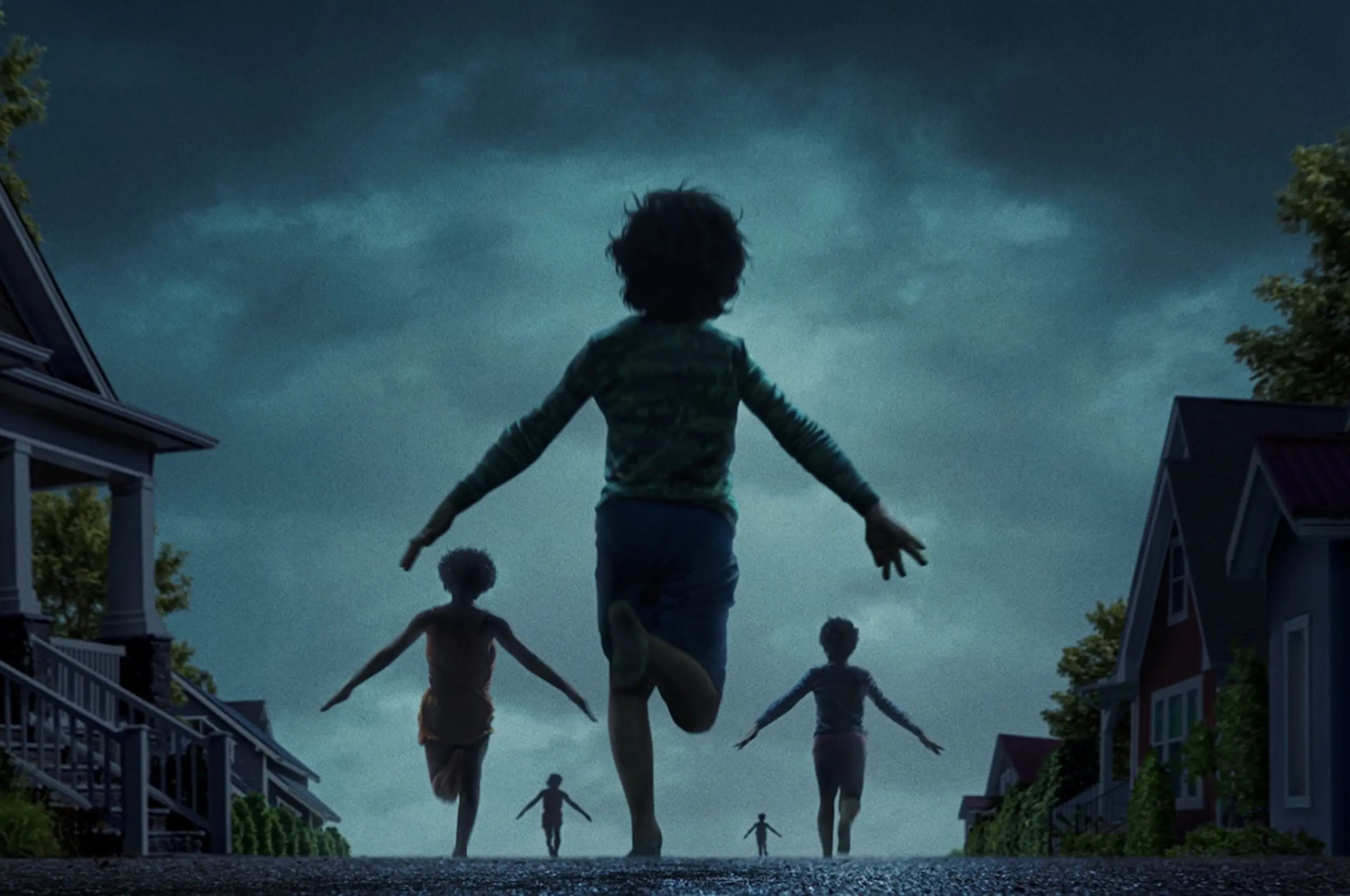
Zach Cregger’s follow-up to his 2022 surprise art house horror hit “Barbarian” builds just as confidently with moxie and an acrid, enigmatic mood. “Weapons” has you from the get-go as a young child from the fictional town of Maybrook, Pennsylvania, informs in a soft voice-over how one night 17 children left their suburban homes at exactly 2:17 a.m. and, holding their arms out like birds about to take flight, ran into the night and vanished. There’s a liberating joyousness to the otherwise ominous exodus. Reveals are measured out effectively in multiple POVs: the schoolteacher (Julia Garner, “The Assistant,” “Ozark”) whose class is emptied of all but one of her students; a grieving father (Josh Brolin) who won’t give up the pursuit; the reflective principal (Benedict Wong) trying to hold the community together; the town junkie (Austin Ames) who sees all; and the troubled, lone boy from that classroom (Cary Christopher). Creepy, eerie and enigmatic, the ending is pure cathartic carnage.
10. “One to One: John & Yoko”
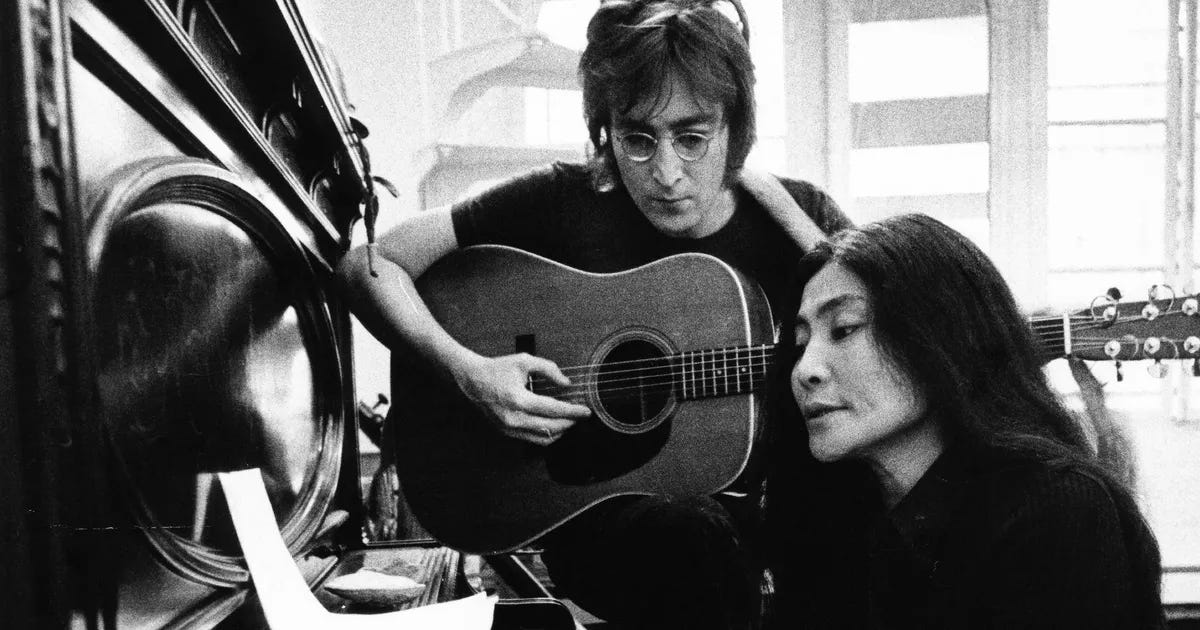
A lively, engaging documentary that resurrects the spirit of John Lennon and Yoko Ono’s 1970s activism with a raw, free-wheeling energy. Rather than a conventional concert film, it blends restored footage of the duo’s historic One to One benefit concerts with broader cultural context, portraying Lennon and Ono not just as music icons but as outspoken figures deeply entwined with the social and political upheavals of their time. The film’s strength lies in its unvarnished intimacy: Lennon’s wit and volatility play off Ono’s conviction and conceptual rigor, while archival voices — including some sharply hostile critics — underscore the resistance they faced. The result is a portrait that feels grounded rather than mythic, attentive to the risks and resolve behind their work. With a brisk pace and thoughtful construction, the film balances performance, politics, and personality, allowing the artists’ bond and shared purpose to emerge naturally. “One to One: John & Yoko” ultimately stands as a vivid, emotionally resonant snapshot of two cultural forces working in tandem, their influence still echoing decades later.
Those of merit and in the hunt: “Left-Handed Girl,” “Black Bag,” “Afternoons of Solitude,” “The Mastermind,” “Magazine Dreams,” “The Secret Agent,” “Die My Love,” “Marty Supreme,” “Ephus,” “Blue Moon,” “Endless Cookie,” “Chronology of Water” and “The Life of Chuck.”
 For What it's Worth
Leave a comment