Reviewed: ‘Bound,’ ‘Holland’ and ‘We Were Dangerous’
‘We Were Dangerous’
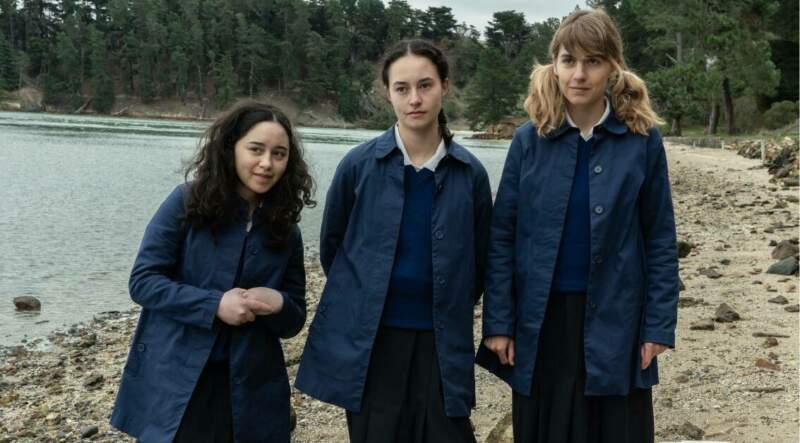

The historical ills of the three Cs (colonialism, capitalism and Christianity) loom at the fore of Josephine Stewart-Te Whiu’s feature debut, a coming-of-age tale about two Māoris and one Pākehā (a white New Zealander) sent to an island reform school for delinquent girls. Nellie (Erana James) and Daisy (Manaia Hall) are sent to the school to whitewash the Māori out of them and accept the word of god. Lou (Nathalie Morris), a rebellious, well-off white girl, is there for remediation of sexual perversions – nothing worse than dad catching you making out with your female babysitter back in the conservative 1950s. As in RaMell Ross’ adaptation of Colson Whitehead’s “Nickel Boys” last year, there are different rules when it comes to people of color, even in a hellhole. In the still of the night, from one hut, blood-curdling screams are heard. We never really learn what goes on there, just that whatever it is, it isn’t good, and that the school marm (Rima Te Wiata, “Hunt for the Wilderpeople”) is quick to slap any Māori incantation from the mouths of Nellie and Daisy, even though she is of Māori origin and ostensibly came up through the same system. Tellingly, Daisy can’t read and the school doesn’t seem interested in her education; just her assimilation and Christian brainwashing. Part of the school’s mission is to keep the teens chaste (a remote island helps with that logistically) and get them prepared to become demurring housewives, a low bar made even lower by the persistent patronization and Draconian discipline. The driving force to the film is the playful kinship between the trio (aided by the chemistry among the three performers) and their never-give-in resolve despite the dead-end hopelessness of their situations. Gorgeously shot by Maria Ines Manchego (“Uproar”) and executive produced by Taika Waititi (“Wilderpeople,” “JoJo Rabbit”), “We Were Dangerous” is a quiet reminder of the sins of religious imperialism, the agency of lateral violence that accompanies it and the sexual oppression and subjugation of women during the rising tide of world prosperity.
‘Holland’
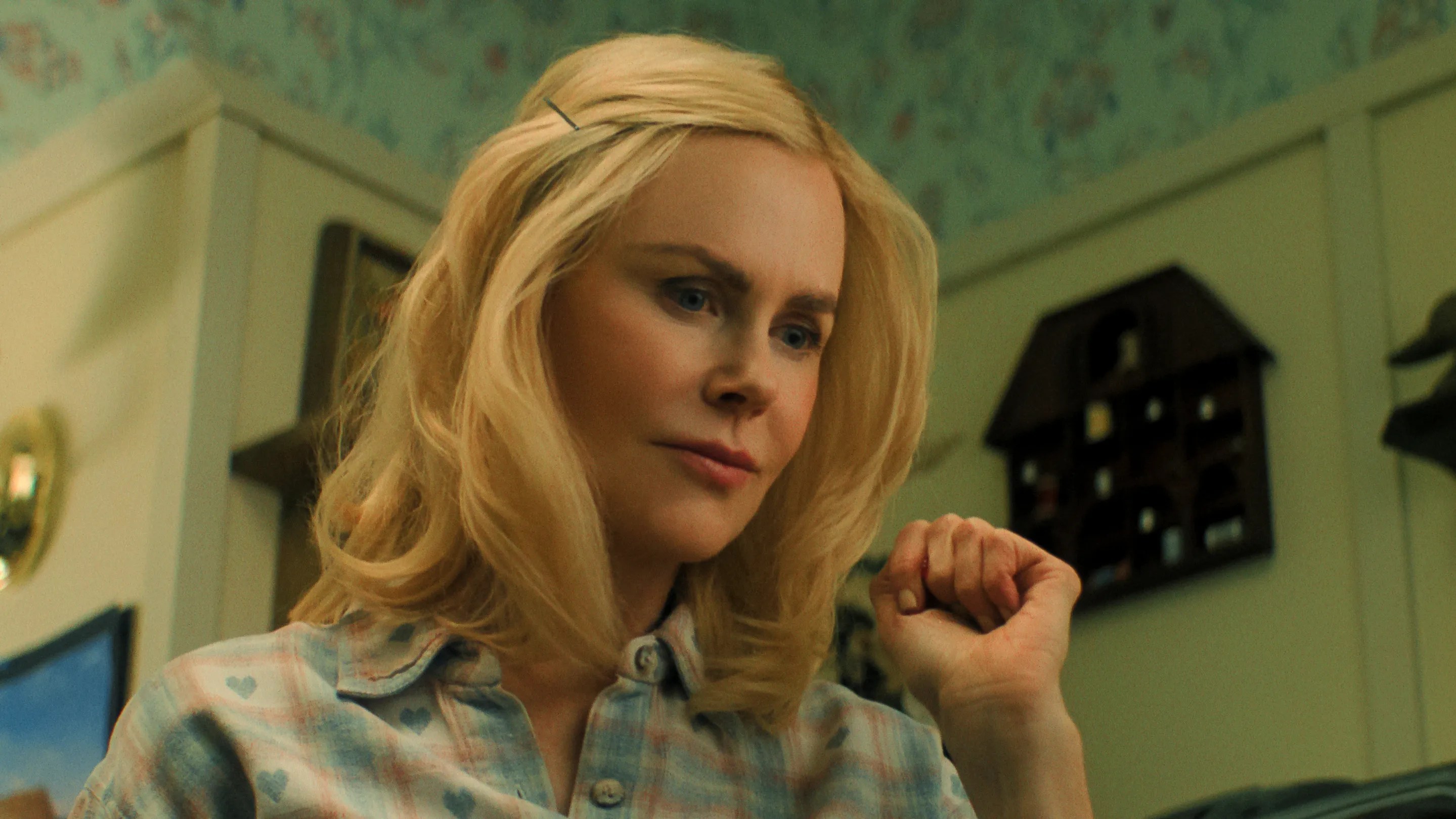

With this streaming dark comedy, “A Family Affair” (2024) and the “Big Little Lies” series, Nicole Kidman seems more and more at home on the small screen, even though we last saw her in widescreen format as a chief executive caught up in a tryst in “Babygirl.” Here there’s plenty of moral skewering too, though it’s hard to reveal just where “Holland” goes without major spoilers. The title refers to a Dutch-origin town in Michigan where Kidman’s Nancy Vandergroot is a schoolteacher, dutiful wife and nurturing mom. She’s a Stepford wife with “Ozzie and Harriet” pizazz. Holland is a town of secrets behind picket fences. To say there’s a Coen-esque or Lynchian vibe in the air would be fair, but the film doesn’t have the vim or vision of a “Fargo” (1996) or “Blue Velvet” (1986), not even close – and director Mimi Cave did this kind of thing better and before with “Fresh” (2022). Here, Nancy believes her husband, Fred (Matthew Macfadyen of “Succession” notoriety), the amiable optometrist of Holland, may be having an affair because of his sudden and regular trips for conventions and whatnot to places such as Cedar Rapids and Des Moines. To suss out what’s happening, Nancy enlists the help of Dave Delgado (Gael Carcía Bernal), a co-worker at school and one of the few brown people in Holland, to go on sleuthing stakeouts. As amateur detectives they’re more than inert; fate and comic circumstance work in their favor, but if you take a half-step backward, not much of it adds up. Kidman and Macfadyen make “Holland” more watchable than it should be.
‘Bound’ (2023)
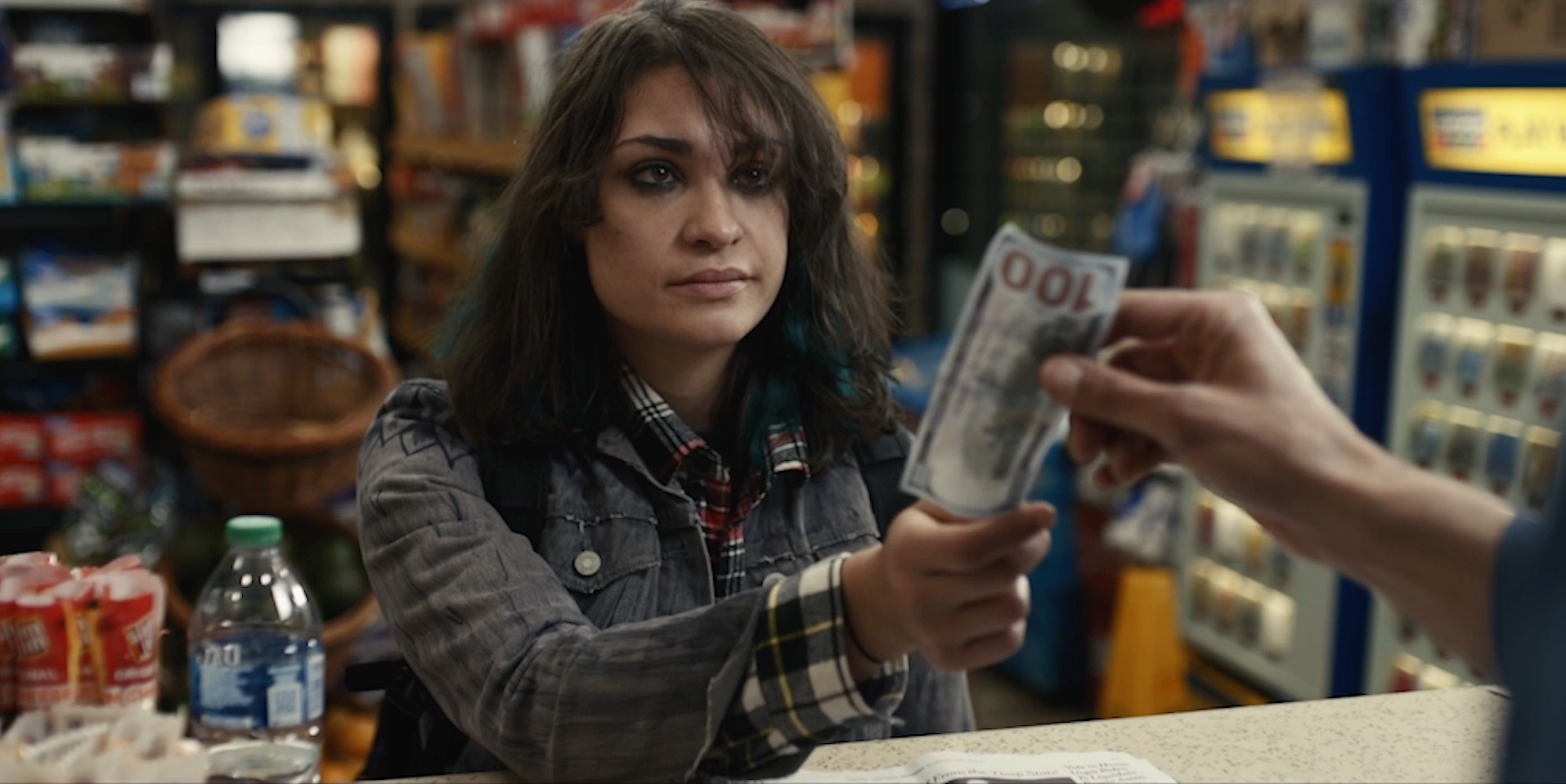
Toxic domestic situations, drugs and shady financial dealings drive Isaac Hirotsu Woofter’s tense psychological thriller that shows its indie, DIY roots with pride and punch. Alexandra Faye Sadeghian stars as Bella, a young woman struggling to come to terms with the death of her father and dealing with her violent stepfather, Gordy (Bryant Carroll), who’s sucking the life out of her mom (Pooya Mohseni). Mom’s in a near catatonic state from drug use and an eating disorder and sweaty, good ’ol boy Gordy has murky dealings with city slickers who drop by under the cover of night. Bella hops a train into the city and goes off the grid. A bag of white powder she stole from Gordy (smack or coke, we never really know) endears her to a posse of punks, and for the most, she lives resourcefully on the street until she’s given a job as a barista by a vet turned coffee shop owner (Ramin Karimloo) and a couch to sleep on at the bar next door by Marta (Jessica Pimentel) in exchange for her labor. Being an aspiring artist (dad was a welder), Bella makes sparkly, abstract metal objects that adorn the coffee shop and a copse of trees in Central Park that she used to sleep under at night. It’s through her art that she strikes up a kinship with the flamboyant Standrick (Jaye Alexander), a gay Black man who pops with pizzaz and puts the “s” in sassy. Much about white privilege and undocumented citizens (such as Marta) gets bandied about, while matters upstate regarding the mental, emotional and physical wellness of Bella’s mother make for a constant distraction. The stakes, already high, go to another level when the criminal elements start to bleed in. It’s a game, plucky performance by Sadeghian that anchors the film, while the edgy slide guitar score by Ethan Startzman goes far to help ratchet up the tension. There’s no denying the passion that Woofter has poured into the project, but some of the plot threading and editing choices confuse or, worse, seem simply improbable, robbing the film of potential. The secret star is a wee critter named Bandit, Bella’s cute sugar glider.
 For What it's Worth
Leave a comment