The lates from Lanthimos imagines a CEO as a threat to humanity, but what’s the the weird part?
If you like your Yorgos Lanthimos films outré and boundary-pushing like “Poor Things” (2023) as opposed to something more rooted in the simmering edginess of the day-to-day – say, “The Killing of a Sacred Deer” (2017) or last year’s underappreciated “Kinds of Kindness” – “Bugonia” is your cup of crazy chai.
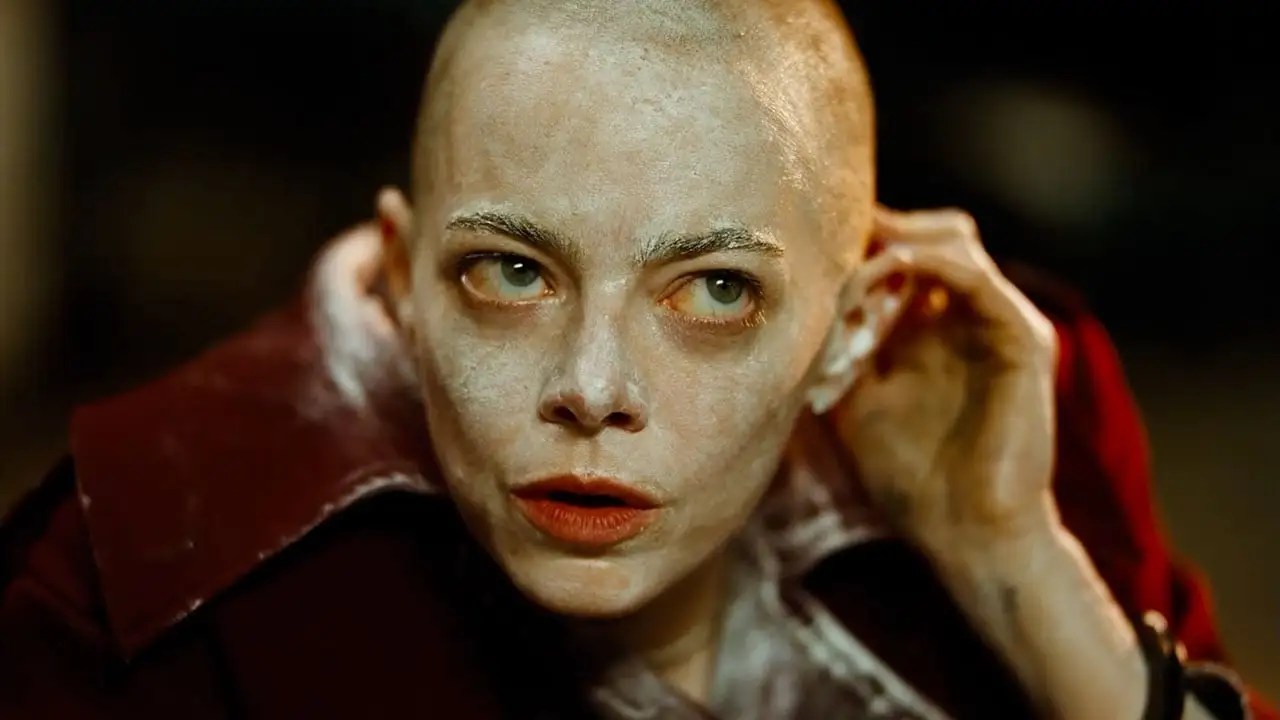
Lanthimos’ muse for his past four features, Emma Stone (she won gold for her portrait of a female Frankenstein’s monster discovering the power and pleasure of sex in “Poor Things”) stars as Michelle, the chief executive of Auxolith, a boffo biotech company outside Atlanta. We first meet Michelle making corporate messaging videos about diversity and workers’ rights. After one fumbled miscue and a retake, it’s abundantly clear that Michelle’s not a woke woman trying to raise others up, but doing a performative ass-covering for lawsuit prevention – “you can go home at 5:30 if you want,” she tells one employee, and then another, “but if you still have work to do …”
It was a strange year in cinema, a year where blockbuster success at the box office was rare (“Inside Out 2” was the top grab, followed by the overdone “Deadpool & Wolverine” superfrenemy romp) and outshone by adult-themed animation, non-English-language and documentary offerings. Also strong were films featuring women’s voices and indie creep-outs – a combination best embodied and exemplified by TJ Mollner’s “Strange Darling,” Anna Kendrick making her directorial debut with “Woman of the Hour” and the gonzo body-horror spectacle “The Substance.” None of which made mt top 10, but were squarely in the hunt.
A sardonically black political comedy that’s right out of left field, powered by witty takes on hot topics (Andrew Tate, Putin and Pornhub, to name a few) and a killer performance by Ilinca Manolache, without whom the movie could not be. Manolache plays Angela, a feisty Romanian woman looking to make it in the gig economy as a filmmaker and TikTok sensation. Her main hustle is as a production assistant for a company that makes safety videos, kind of – on many shoots, Angela coaches accident victims, often in wheelchairs, to talk about the safety measures they should have taken to have avoided injury despite the clear negligence of the employer to provide a safe workplace. They’re more CYAs than PSAs, and that’s the degree of biting humor imbued by writer-director Radu Jude (“Bad Luck Banging or Loony Porn”)
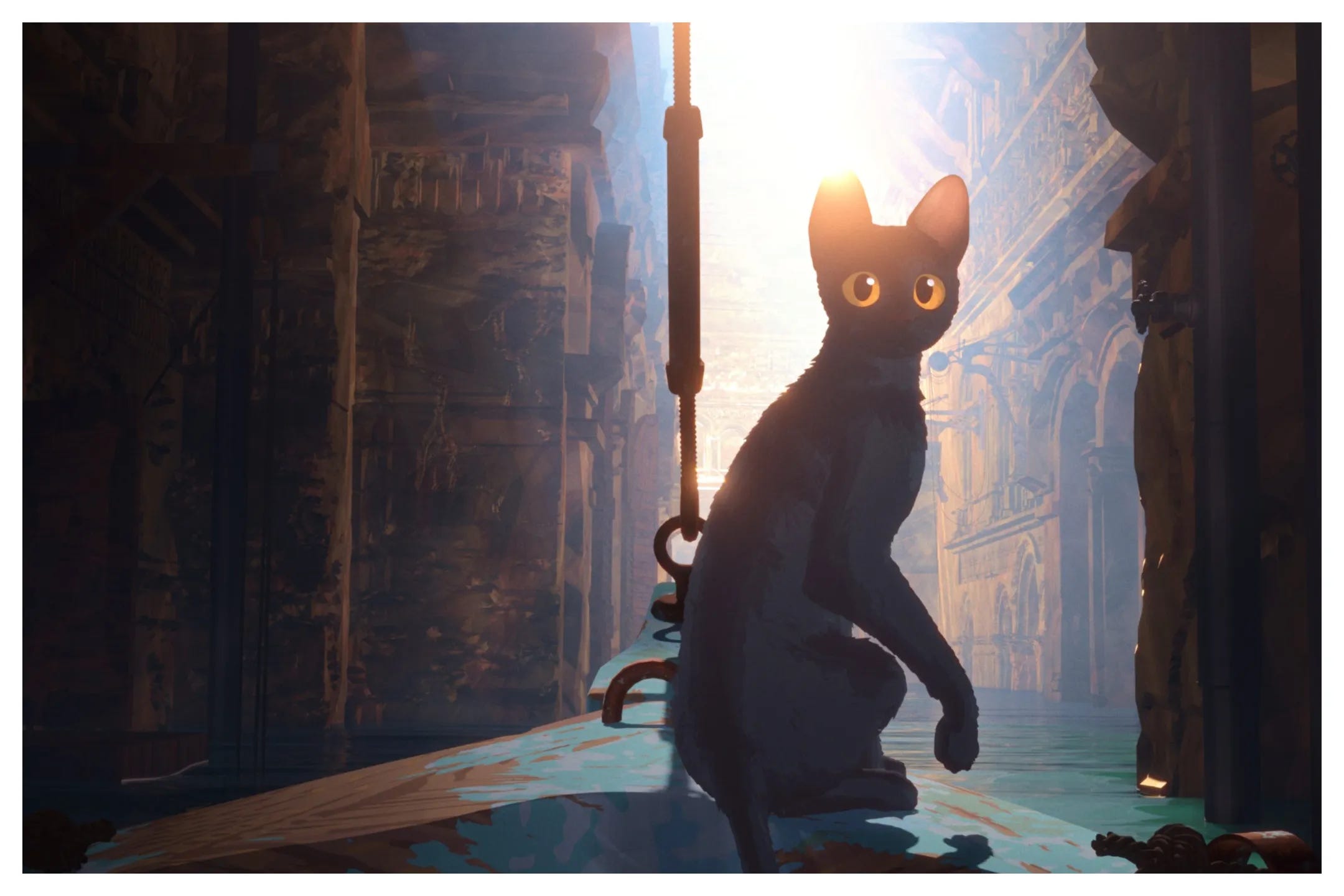
2. “Flow”
The official Oscar nominee from Latavia, is a mesmerizing, dialogue-free animated adventure about a cat and all the other birds, dogs and capybara that out feline encounters. Themes of climate change—flash floods and tsunamis are the reason the cat and fellow animals find themselves adrift on a sailboat—and a peaceful world sans the presence of man and mankind’s destructive ways pervade Gints Zilbalodis’s gorgeously stylized of an Eden like end to the world. Visually “Flow” has all the beauty and poetry of a Hayao Miyazaki masterpiece and the way it navigates mature matters makes it multi-tiered and applicable for all members of the family regardless of age.
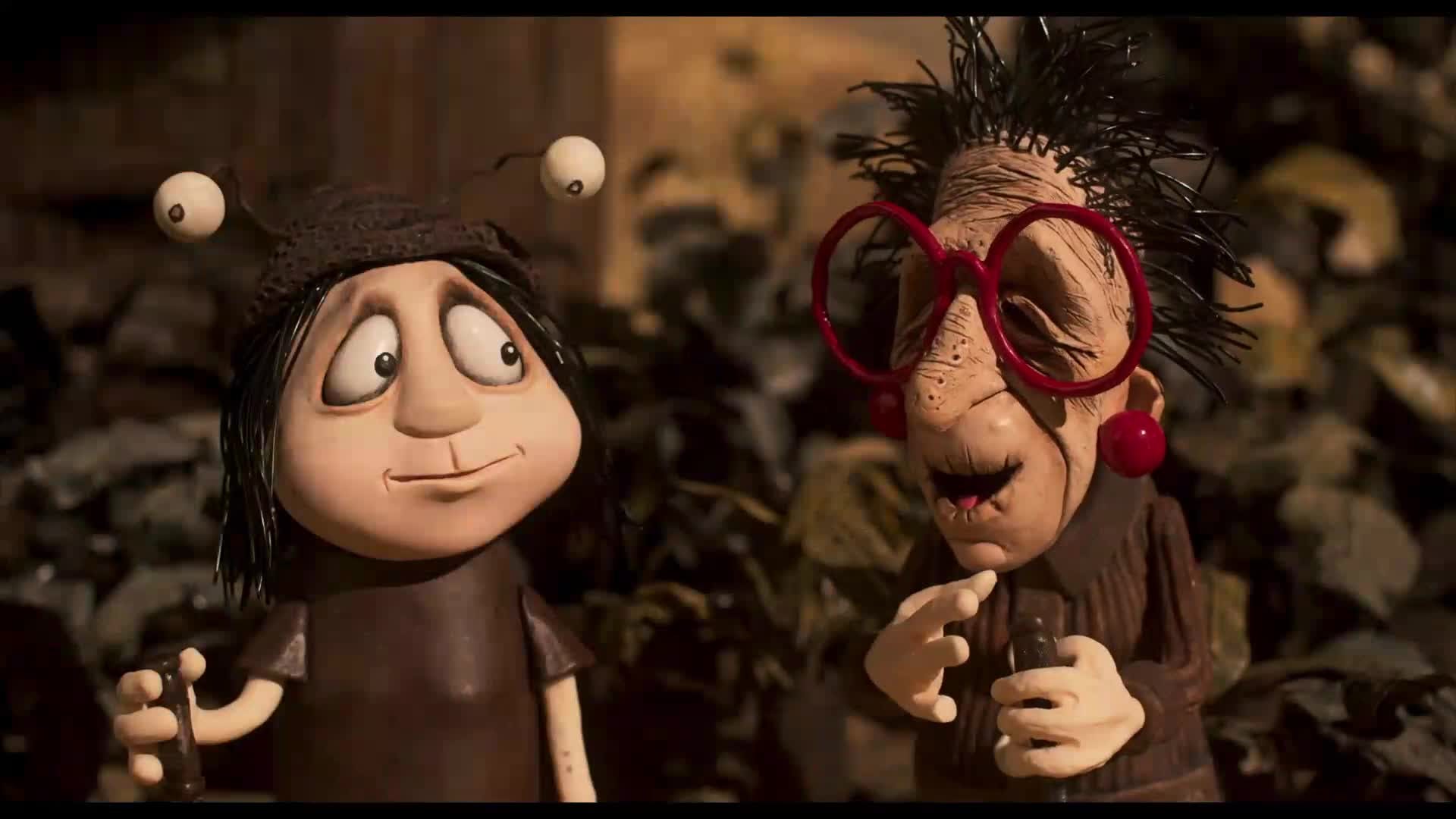
Not a claymation romp for the whole family – not even close. No, this very dark and very adult animated tale has twins (voiced by “Succession” and “Power of the Dog” stars Sarah Snook and Kodi Smit-McPhee) separated after the death of their father and placed in foster homes on opposite coasts of Australia, as well as edgy, plot-driving incursions into swinging, fat feeding, pyromania and religious zealotry. Wickedly funny yet tenderly bittersweet, “Memoir of a Snail” has the dark, loving embrace of Tim Burton done with the edgy verve of Trey Parker and Matt Stone of “South Park.”
“Poor Things” is a nifty mashup of genres from Yorgos Lanthimos, curator of things off-kilter and unsettling – as evidenced by such engrossing, psychologically dark works as “The Lobster” (2015), “Dogtooth” (2009) and “The Killing of a Sacred Deer” (2017). The film, based on Alasdair Gray’s 1992 novel that borrows heavily from Mary Shelley’s “Frankenstein,” isn’t so much about reanimation as it is about reawakening. In this case, the subject is Bella (Emma Stone, who was Oscar-nominated for her last collaboration with Lanthimos playing a lady-in-waiting in a love triangle with Queen Anne in “The Favourite”). Her mind has not caught up to her body, as we hear her creator, Dr. Godwin Baxter (Willem Dafoe), remark to his affable Igor, a soulfully dark-eyed apprentice named Max (Ramy Youssef).
The time, as you can imagine, is Victorian London, which is rendered with more of a fantastical Disney theme-park vibe than Merchant-Ivory authenticity. Bella, as we first meet her, has a childlike brutishness. She delights at the giant bubbles emitted at the dinner table by Godwin – who in primal grunts she refers to as “God” (nothing heavy-handed there, though it is true that Shelley’s father was the philosopher William Godwin) – as the result of some deviant, Cronenbergian dialysis machine. Later, she punches Max in the nose with a gleeful smile and rapid “look at what I did” handclaps. In a quick flash through the receiving room door, a duck-headed dog scoots by; there are other cross-phylum curios roaming the homestead too, a harmless, friendly homemade menagerie. The special effects are well done. Godwin himself is hard to take your eyes off of, or perhaps too hard to linger on, as his face is panels of stitched flesh that look almost like you could peel them off and rearrange them should the desire rise.
For a while it’s a cozy, happy existence. The scientists poke at cadavers while Bella, mimicking them, hones her skills for a future at the local abattoir. As her mind becomes more adult, Godwin betroths her to Max, and the need for legal documentation brings a lecherous attorney into the mix. Mark Ruffalo’s Duncan Wedderburn might not be Snidely Whiplash, but he’s not far off, as he stokes her awakening womanhood and then absconds with her for a hedonistic traipse across Europe. Sex is a vigorous and rewarding wonderment to Bella, an act she refers to as “furious jumping,” through which she proves to be quite the vessel of female empowerment and independence, disappointed nearly to the point of scolding Duncan when he can’t go another round, and unabashed about receiving another man’s attentions and more. “Poor Things” could be taken as “Fear of Flying” before there were airplanes. What began as an uneasy predatory play by Duncan gets inverted and twisted, as Bella’s backstory comes to light in carefully meted strokes.
For the fabric of such a phantasmagoric yarn Lanthimos has stitched together a dark fairytale coverlet evocative of all things Tim Burton with the Kafka-esque surreality of “The Lobster” or “Dogtooth.” In Portugal, zeppelinlike sky trams float overhead, barely tethered to wispy wired tracks; and later, on a cruise, waves crest in pastel rolls of opulence; then there’s the Parisian brothel Bella takes up employment in endowed with a seemingly endless maze of antechambers – secret doors behind secret doors.
“Poor Things” registers a stunning visual achievement that one-ups itself continually. But if not for the heroic, all-in effort by the cast, Lanthimos’ toil might have been all for naught. Youssef and Dafoe make subtle yet critical contributions as cuck and creator; Ruffalo owns his part with amiable smarm and a faint vestige of vulnerability Not enough can be said about Stone and her evolution from grunting child inserted into an adult’s body to stirred woman with no regard for the patriarchy who is, as a result, free to skirt its curtails and checks. The lens on men behaving badly – and well – is intriguing, especially when the action comes home to roost and proves that Duncan isn’t the worst card in the deck. The ending may be a bit too neat, but the sojourn of Bella’s awakening is full of surprise.




 For What it's Worth