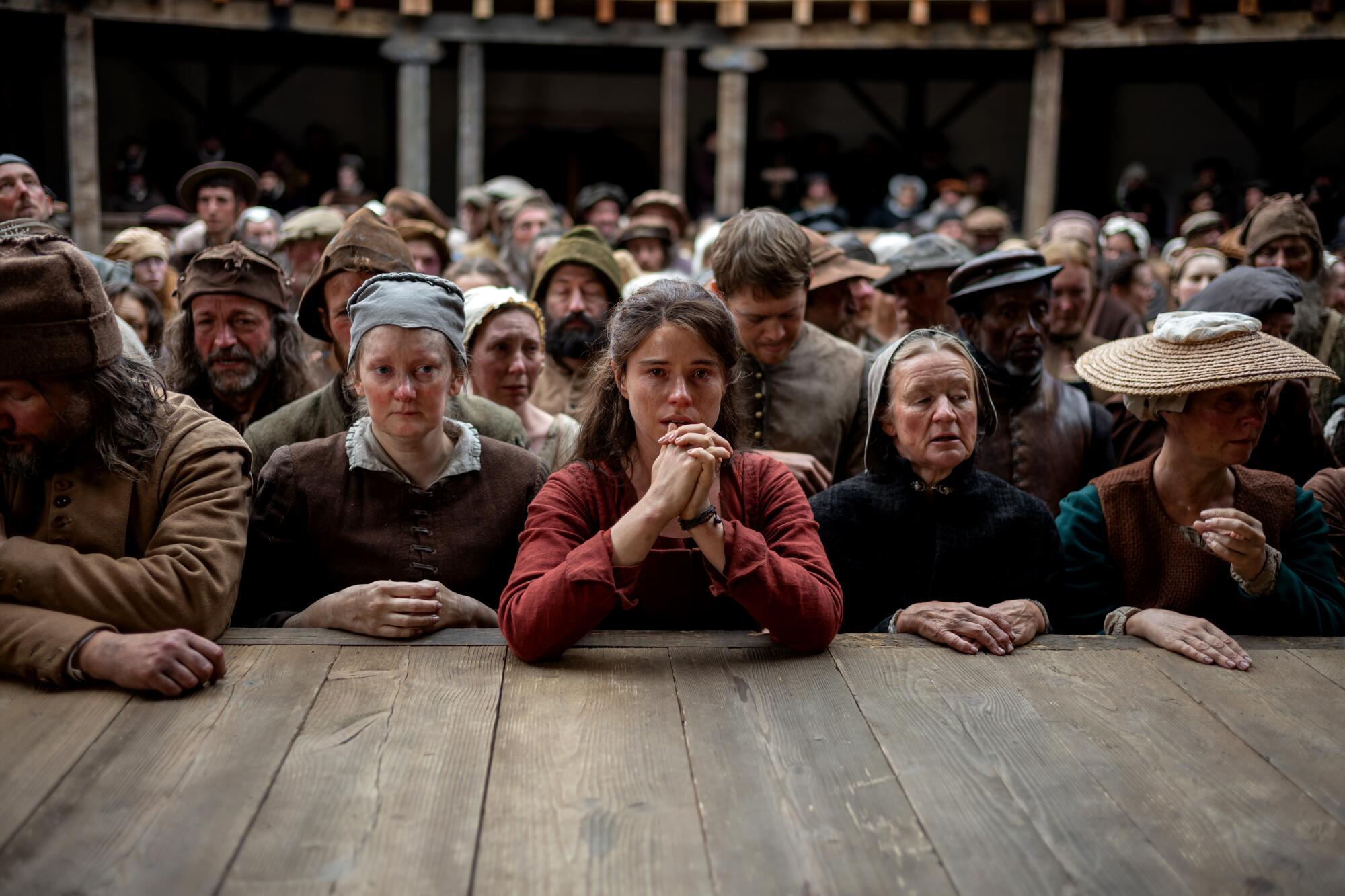

The mere mention of the name Shakespeare and the conversation gets serious real fast. Gone for more than 400 years, the man has achieved transcendent cultural, intellectual and pop icon status. Who today could lay claim to such four centuries from now – Taylor Swift? Akira Kurosawa based the bulk of his samurai westerns on Shakespearean tragedies. “The Forbidden Planet” (1956), “10 Things I Hate About You” (1999) and “My Own Private Idaho” (1991) are just a handful of the many pop films based on the works by the Bard of Avon. The man himself was reimagined on screen in “Shakespeare in Love” (1998) and the lesser-known Kenneth Branagh outing, “All is True” (2018). Add to that “Hamnet,” a portrait of grief directed by Oscar winner Chloé Zhao and bolstered by strong performances from leads Paul Mescal and Jessie Buckley.
It’s a heartfelt effort that despite the talent takes too long to find its wings. Drawn from Maggie O’Farrell’s much-ballyhooed 2020 novel – the author contributes to the script too – there’s a lot of emotion poured out onto the screen, seeking our sympathies without necessarily earning them. Much is obfuscated too, to the point of annoyance: The name Shakespeare is held back, so if you did not know the basis for the film, for much of it you’d see just an earnest young man (Mescal’s Will) lovestruck by his neighbor’s daughter (Buckley’s Agnes), a peculiar woman with witchy tendencies from a higher social strata.
Our smitten scribe is a tutor with scant financial resources, further saddled by the debts of his overbearing and quick-to-judge father. Money and class loom as impediments, yet Will professes his ardor with such conviction and eloquence that he and Agnes are allowed to wed (it helps that she is older and quirky to the point that her brother and father fear her becoming a spinster). They have three children – including twins Judith and the Hamnet of the film’s title.
Continue reading
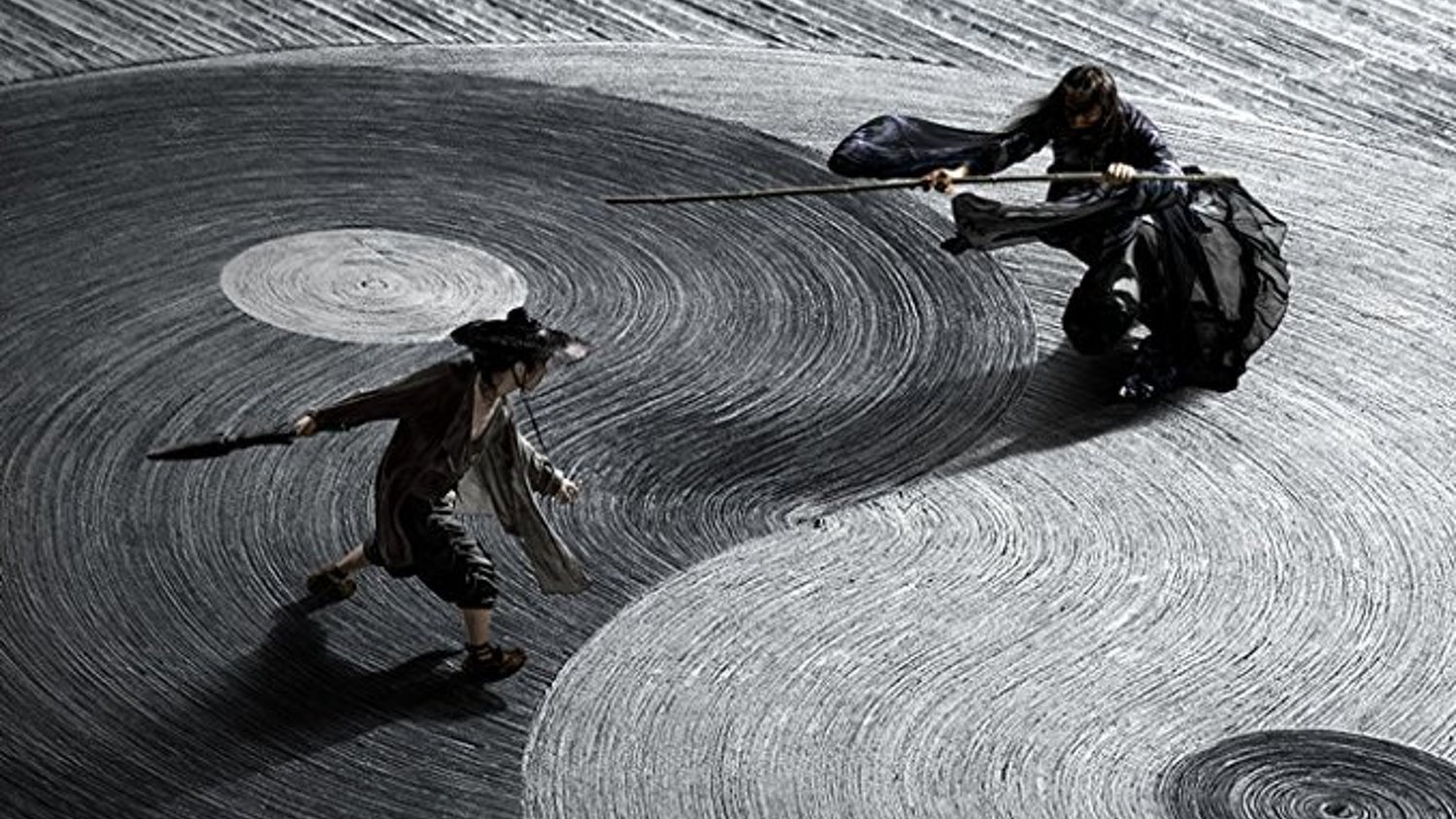

 That’s not to say “Macbeth” is all a mess. It offers a rapturous staging of the battle of Ellon, righteous in its fury, and boasts two of the best and most interesting actors working in film today, Michael Fassbender and Marion Cotillard. But Fassbender, so alive with spit and rage in “12 Years a Slave,” feels muted here, lacking the enunciating articulation that Kenneth Branagh rebranded as the standard when as a young man he ingeniously resurrected “Henry V” in 1989. There’s a dull detachment that one could attribute to the amount of blood spilled at Ellon. The three scribes (a scribe for every witch) who adapt Shakespeare’s timeless tale of tragedy, avarice and madness (Todd Louiso, Jacob Koskoff and Michael Lesslie) imbue Macbeth with a son, who is gone before he even speaks during the opening carnage.
 For What it's Worth