Tag Archives: Cillian Murphy

Short Takes

5 Dec

“Do Not Expect Too Much from the End of the World,” “Small Things Like These” and “The Lost Children”

‘Do Not Expect Too Much from the End of the World’ (2024)

A sardonically black political comedy that’s right out of left field, powered by witty takes on hot topics (Andrew Tate, Putin and Pornhub, to name a few) and a killer performance by Ilinca Manolache, without whom the movie could not be. Manolache plays Angela, a feisty Romanian woman looking to make it in the gig economy as a filmmaker and TikTok sensation. Her main hustle is as a production assistant for a company that makes safety videos, kind of – on many shoots, Angela coaches accident victims, often in wheelchairs, to talk about the safety measures they should have taken to have avoided injury versus the clear negligence of the employer to provide a safe workplace. They’re more CYAs than PSAs, and that’s the degree of biting humor imbued by writer-director Radu Jude (“Bad Luck Banging or Loony Porn”).

When we meet Angela, she’s buck naked, on her bedside table is Proust, a half-drunk beer and a glass of wine. From her unapologetic posture as she drags herself out from under the covers at 5 a.m. we know she’s a take-no-shit sort. Donning a sequin dress, Angela wills her way through the day, which includes several safety shoots, chatting with director Uwe Boll about beating the bejesus out of critics who take exception to his lowly regarded films (“BloodRayne,” “Alone in the Dark”), a quickie in her SUV, where nearly half the film takes place, and frequent TikTok dispatches as her evil alter-ego, a bald, bushy-browed incel named Bobiţă who boasts of sexual conquests and hanging out with Tate, the controversial purveyor of all things manly and macho.

Jude employees a unique stylistic palette to frame his modern absurdity; much of Angela in transit is shot in matted black-and-white (reminiscent of Pawel Pawlikowski’s wonderful “Cold War”) while her TikTok and safety videos are shot in color. Jude too infuses footage from the 1981 film “Angela Goes On” about a female cab driver in communist Romania. The thematic juxtaposition (of constantly driving and having a hard time getting from point A to point B) is all about the bureaucratic nonsense that confronts and confounds the two Angelas back during the days of Ceaușescu’s police state and in the capitalist now.

Manolache, who feels like she could slide easily into an early Almodovar or classic Fellini romp, is all-in as the foul-mouthed Angela, full of vim and palpable vigor, and quite muscular and confident in the way she defines her womanhood and place in society. Along with Mickey Madison’s bravura turn in “Anora,” it’s the most pop-off-the-screen performance by an actress this year – Angela and Anora could easily team up and rule the world, and given where we’re heading, that would likely be a good thing.

The ending long take, a filming of a PSA at the site of an accident, is the most somber and dark absurdity in the film, with telling plays on Putin and Ukraine, American TV and the devious use of Bob Dylan’s “Subterranean Homesick Blues” placards to further victimize and subjugate the maligned.


‘Small Things Like These’ (2024)
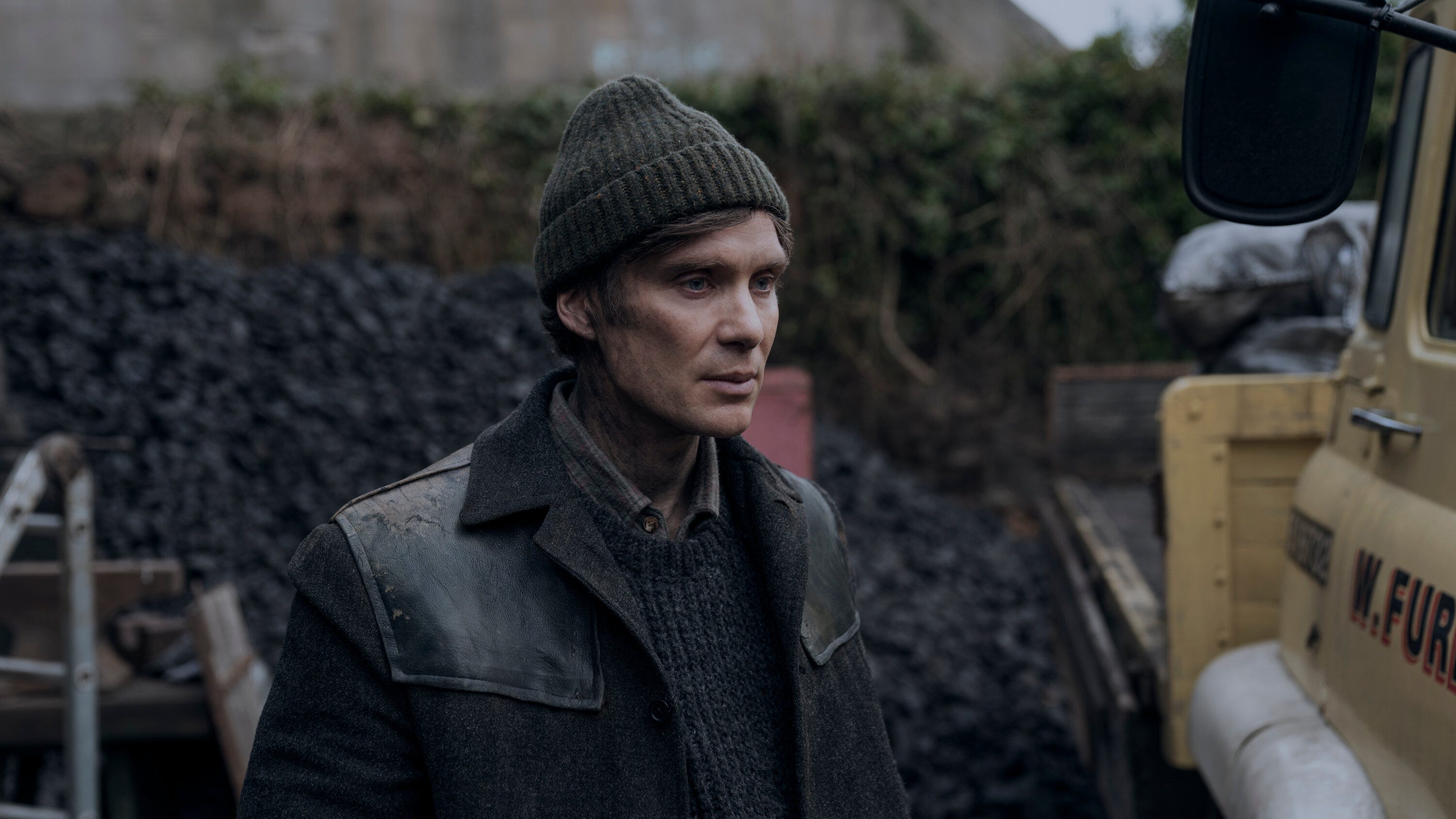
Based on Claire Keegan’s novel about the Magdalene Laundries in Ireland, this project directed by Tim Mielants draws emotional depth from an all-in performance by star Cillian Murphy, nearly even more internalized and conflicted here than he was for his Oscar win as Oppenheimer in the Christopher Nolan-helmed biopic last year. The Laundries were a series of so-called asylums for wayward girls, unwed mothers and “fallen women” (former sex workers, recovering addicts, etc.) run by nuns. Keegan’s story targets their sordid history of using women as indentured labor, housing them in prisonlike lockdowns and often taking their babies forcibly from them so the institution could profit from the adoptions. The misdeeds are revealed through the meanderings of Bill Furlong (Murphy), a merchant in 1985 Ireland who provides one such institution with coal. Seeking a signature for an order one day, he witnesses a girl being dragged across the hall screaming. She mouths to him for help. For a frozen second he thinks to act, but the steely eyed sister in charge (Emily Watson) swoops in to explain things away with a cup of tea. Later, Bill discovers a young pregnant girl shackled in the coal shed – yep, it’s that kind of shop of little horrors. Then there’s Bill’s own backstory, his five daughters (his wife is played by Eileen Walsh, who starred in 2002’s “The Magdalene Sisters,” a film that went at the same subject), which serve as a point of reflection and increasing concern, and the boy down the street, often shoeless and starving. Much of what appears quiet, composed and buttoned-down is anything but. The Magdalene Laundries operated from the 1800s to, amazingly, up through the 1990s. In scope, as Mielants and Keegan (“The Quiet Girl”) tell it, “Small Things Like These” feels not too far off from our own Catholic Church abuse scandal (“Spotlight”): cover-ups over decades, victimization of the vulnerable and the leveraging of religious righteousness to make it happen. It’s a somber weaving of disturbing discoveries, but not one without threads of humanity and compassion brought to the screen by Murphy’s deeply emotive performance.


‘The Lost Children’ (2024)
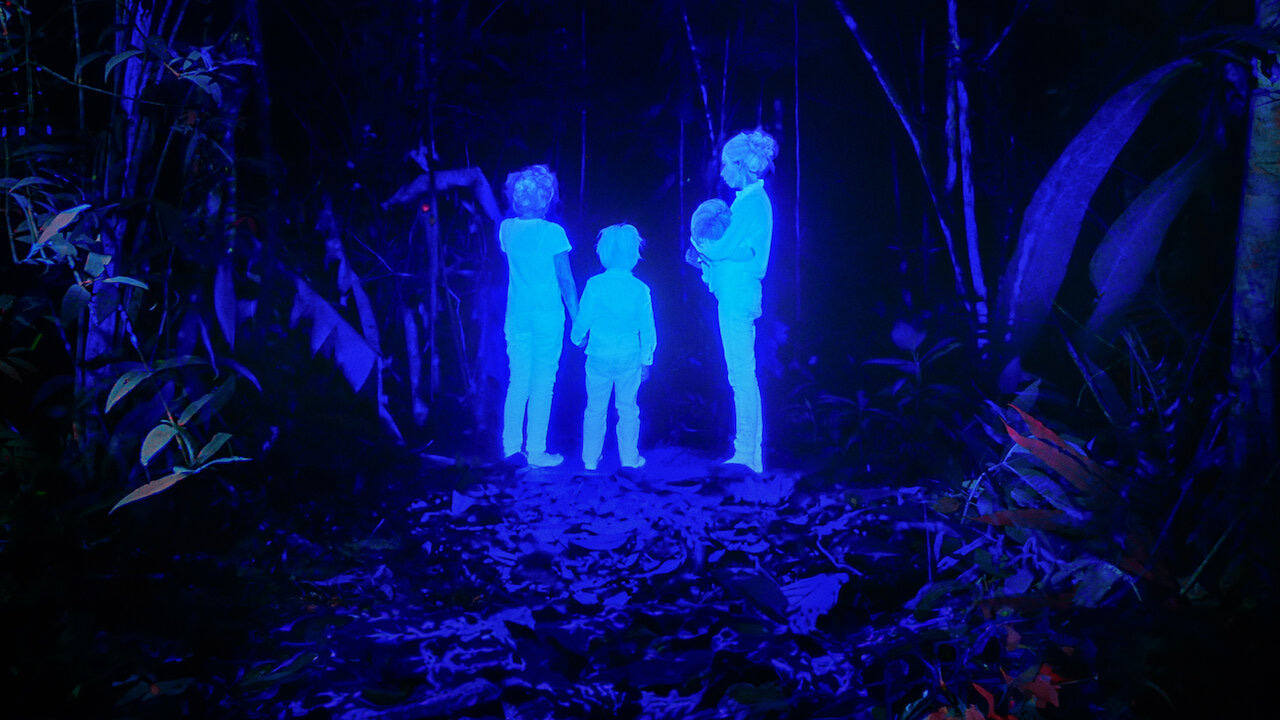
A hackneyed documentary about the incredible true story of survival by four children (ages 11 months to 13 years) in the Colombian rainforest for 40 days after their plane crashed in May of last year. The three adults aboard (including the pilot and the mother of the Indigenous children) perished upon impact. The Colombian military takes up the search and are later joined by a legion of Indigenous volunteers. Directed by Orlando von Einsiedel, Jorge Duran and Lali Houghton, the film focuses hard on this point to showcase the jungle knowledge of the Indigenous searchers and their unease working with the military because, as the film has it, the factions have been at opposite sides of conflicts over decades. Specifics are never really provided, which is one of the film’s major annoyances. The dramatic recreations of the search feel sloppy and staged (often people in arguably real footage have their faces blurred), though the wildlife photography is top shelf. The reason to stay with the film is the chilling footnote that the children’s father and stepfather, Manuel Ranoque, initially at the fore of the search and a seeming heroic figure, is accused (by talking heads, the mother’s aunt and sister) as an abuser, suggesting the children could be evading the search effort to avoid him. The dubbing is mumblecore awful and the staging of Indigenous rituals and ways borders on exploitative arrogance, even though it ostensibly aims to be embracing.

Oppenheimer

21 Jul

‘Oppenheimer’: Mass destruction, dirty politics and a messy personal life, down to the atom

At one juncture in Christopher Nolan’s last outing, the mind-bending, time-rewinding spy thriller “Tenet” (2020), a scientist in the future able to weaponize and manipulate the past to alter history is likened to J. Robert Oppenheimer, lead scientist at the Manhattan Project, which produced the nuclear warhead that in effect ended World War II. Foreshadowing for this next project?

That future scientist killed themselves to take their secrets with them and prevent further ripples in time; Oppenheimer, as the Cold War set in, became outspoken against nuclear proliferation and subsequently – with the help of FBI dirty trickster J. Edgar Hoover – had his security clearance revoked by the Atomic Energy Commission. It didn’t help that his wife, lover and several other personal associates had ties to the American Communist Party. 

Nolan began work on his “Oppenheimer” in January, shortly after the Biden administration conferred public wrongdoing on the AEC and U.S. government for its lack of process and credible evidence against Oppenheimer, who died in 1967 at the age of 62.

The film plays loyally to its roots, the 2005 biography “American Prometheus: The Triumph and Tragedy of J. Robert Oppenheimer” by Kai Bird and Martin Sherwin, and both embrace Oppenheimer (“the father of the atomic bomb”) as a committed yet complicated man, caught at many crossroads: the morality of mass destruction, the dirty politics of Cold War paranoia and messy personal relationships. As Oppenheimer, frequent Nolan collaborator Cillian Murphy portrays the scientist as a reserved, buttoned-up sort with a kind, demurring affect. He’s charismatic and approachable, with piercing blues and a gaunt sheen clearly deepened for the part; Oppie’s signature wide-brim porkpie fedora goes a long way to cement the image. It’s a bravura performance that rightly sends Murphy, best known for the series “Peaky Blinders” and Danny Boyle’s  “28 Days Later” (2002), to the fore after many years of almost getting there. He feels custom minted for the part.

Nolan is a filmmaker who likes to play with time – the brilliant weaving of three timelines that converge at singular moment in “Dunkirk” (2017) as well as “Tenet” and “Memento” (2000) – and works another triptych here: the race to build the atomic bomb before the Nazis at the Las Alamos complex (something of a Western mining town) in the middle of the New Mexican desert; Oppenheimer’s 1954 hearing before the AEC inside a cramped conference room; and the senate proceedings on Eisenhower’s secretary of commerce nominee Lewis Strauss, who had been Oppenheimer’s boss at the commission. The clear but kinetic interweaving that frames the Strauss hearings in black and white and the rest in color is eerily evocative of Oliver Stone’s energetically edited and sharply acted bit of nearby history, “JFK” (1991); in “Oppenheimer,” that then-junior senator from Massachusetts poetically has a small hand in one of the three timelines. 

“Oppenheimer” for the most is a deeply internal film, and Nolan deepens our access to Oppenheimer’s mental and emotional state with tearaways to stars colliding in the cold dark universe, people in a celebratory audience suddenly melting in a hot white light and, at one point during his AEC security access hearing, sex with his lover Jean Tatlock (Florence Pugh, fantastic in the small part) and him confessing to the tryst to his wife Kitty (Emily Blunt, fantastic in a larger part). The soul-rattling aural immersion and meticulous imagery by Nolan regulars composer Ludwig Göransson and cinematographer Hoyte Van Hoytema, as well as an ace team effort by the sound department, fill out the spectacular, collective achievement. The cast beyond Murphy and Robert Downey Jr., who manages to make the eely Strauss human, is a long list of potential competing supporting-actor award nods, starting with Matt Damon as general (to be) Lesley Groves, who oversees the Manhattan Project and gets to deliver a fiery back-and-forth that’s almost on par with his indelible rant in “Good Will Hunting” (1997). Also notable are director Benny Safdie (“Uncut Gems,” “Good Time”) as H-bomb scientist Edward Teller; Josh “where have you been?” Hartnett solid as Oppenheimer’s department mate at Berkeley, Ernest Lawrence; Kenneth Branagh as physicist Niels Bohr; Jason Clarke, insidious as AEC special counsel Roger Robb; and Tom Conti (another “where have you been?”) avuncular and dead on as Albert Einstein. The list goes on. Less effective are Casey Affleck as military investigator Boris Pash interrogating Oppenheimer and Gary Oldman as President Harry Truman.

How Nolan pulls it all together is interesting in how much you see – or don’t – of the actual use of the atomic bomb and the devastation it had on Hiroshima and Nagasaki (thought it’s in the corner of every frame) versus the high of the Trinity experiment at Los Alamos (well orchestrated cinematically) and chaotic proceedings in the rooms and halls of government. Ever meticulous, Nolan also does a masterful job of taking subthreads and small gestures and weaving them into surprising and disparate places with subtle poetic panache that doesn’t scream, “Did you just see what I did there?” I wouldn’t want to call them Easter eggs, but …

As to Oppenheimer’s initial reluctance to signing onto the Manhattan Project due to the potential moral and historical implications, one fellow Jewish colleague says, “We don’t know if we can’t trust ourselves with it, but we know we can’t trust the Nazis.” A point well taken, with added personal appeal. Later, after the Germans have been defeated and Truman drops the two bombs, he justifies it by saying it saved American lives and allowed him “to bring our boys home.” Truman, like Strauss, comes off as a bit of a runaway ego (he calls Oppenheimer a “crybaby” when not quite out of earshot) and the film poses whether the bombings were necessary. It’s another good pique, and a complex one for me – this was when my father, a teenage member of the 101st  Airborne, had just finished his service in Europe and was on a slow boat to Japan. Heavy stuff all around.

Rewinding back to “Tenet,” Nolan’s tightly controlled 2020 release during the height of the pandemic and the first big theatrical release at a time we were still in masks, eating outside under heater lamps and spaced apart in theaters. That release signaled the revival of the filmgoing biz and a return to normal; with “Oppenheimer” we have Hollywood writers and actors on strike, which could mark a notable damper to the release schedule come holiday season and beyond. For now we have “Oppenheimer,” which is more than a movie or a just a biopic; it’s an immersed contemplation on destiny, control and power, and obligations to the future. Looking at the political shenanigans then and now, it’s easy to see where we came from and where we are. “Oppenheimer” may not quite be an American history lesson, but it is most certainly an American fable.