Considering the fantastic cast and punchy setup, this is a bit of a toe stub for Ethan Coen in his second outing (his other being the 2022 rock-doc “Jerry Lee Lewis: Trouble in Mind”) since splitting in 2019 with his brother Joel from a partnership that generated some of the most revered films of the recent cinematic past – “Fargo” (1996) and “No Country for Old Men” (2007) among them. These drive-away dolls are lesbians on a road trip to hell (well, Florida) to deliver a car and visit one’s nana. The car contains wanted cargo (a MacGuffin with shades of “Repo Man” that doesn’t have the greatest of payoffs) with a bunch of shady goons in hot pursuit. The lines between the sexually liberated Jamie (Margaret Qualley) and demure bestie Marian (Geraldine Viswanathan) are drawn starkly in nearly every scene; along the way Jamie brings hookups back to their various motel rooms as the bookish Marian heads to the lobby to read Henry James during playtime. It’s a buddy movie with romantic possibilities – a soccer club spin-the-bottle makeout session forces the issue. Coen and his co-writer, wife Tricia Cooke, who edited projects such as “O Brother, Where Art Thou?” (2000) and “The Big Lebowski” (1998), borrow too much from their shared canon, namely C.J. Wilson and Joey Slotnick as idiosyncratic goons (and that is literally how the are referred to in the credits) whose opposite approaches to dealing with an escalating situation feel ripped slackly from “Fargo.” Qualley, so good in “Once Upon a Time in Hollywood” (2019) and last year’s “Sanctuary,” furthers her blossoming CV with an energetic, scene-pushing presence bolstered by an affable southern twang, and Viswanathan makes for a good offset. The chemistry between the two carries the uneven mishmash as it stumbles early and struggles to regain its quirky vibe. Also in the mix, in small raucous parts, are Matt Damon as a Florida Man, Colman Domingo as the goon handler, Pedro Pascal on ice, Beanie Feldstein (“Booksmart”) as Jamie’s brash law enforcement ex and Bill Camp as the car dispatcher no one listens to. At least this not-quite-fully-baked road comedy with a prize dildo set gone missing is a fast 84 minutes.
If you didn’t think we needed another Holocaust film, Jonathan Glazer would like you to think again. “The Zone of Interest” is Glazer’s very loose adaptation of the novel by Martin Amis, the author of “London Fields” who passed away last year before the film was shown at Cannes, and it flips the lens on one of the most heinous and barbaric undertakings committed to history. The major departure from Amis’ text is that Glazer opts to go less obliquely at the matter: Instead of using Amis’ fictionalized commandant of Auschwitz, he names names, focusing on the real-life Rudolf Höss (Christian Friedel), whom we grimly learn was something of a revered efficiency expert; his wife Hedwig (Sandra Hüller); and their five young children. Technically you could call “The Zone of Interest” a biopic, but one like you’ve never seen before.
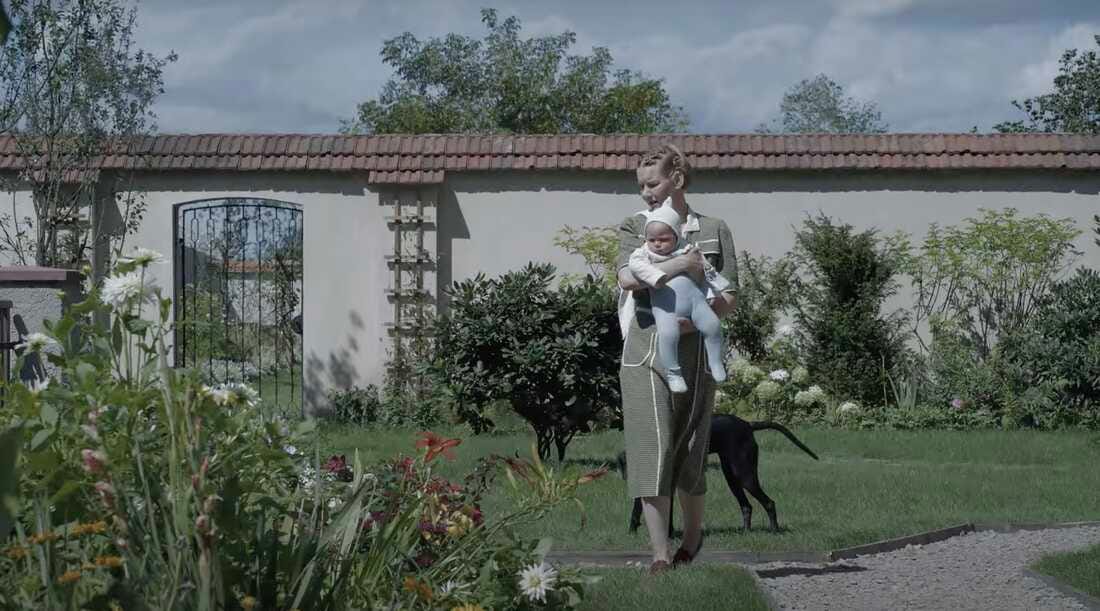
The other big changeup is that we never step inside the walls of the death camp and, for the most, hang out with Hedwig and the children as she tends to the garden and they play in their well-manicured yard in the shadow of a high wall lined with barbed wire. Occasionally we hear a muffled scream or distant gunshot, the repugnant gravity of which is an alarming stab in the ribs. But for Frau Höss, this is the everyday, and she goes about her business without a second thought. There are times too that particles of ash fall from above, giving reason for a cough or the application of a tissue. Other than those inconveniences, life for the Höss contingent is not far off from that of the von Trapp family, sans the musical numbers and wide smiles. And that’s Glazer’s quiet driving point, that such an atrocity was born of complacency and complicity, be it by birth, assimilation, association or failure to see – willful or not – and could happen again. Did the children have choice in their station, did even mom and dad? There’s much to chew on. More diabolical scenes have Rudolf in meetings with peers and higher-ups looking to score maximum efficiency as crammed carloads of poor souls from Hungary are ushered north by train and into the jaws of Höss’ well-honed, methodical processes. Compared with “Succession,” it’s a staid, dour affair, as all are on the same page. There is no contention or hidden agendas, just quiet agreement with the cold winds of detached dehumanization whirring loudly.
To give us an abstract tear-away – a palate cleanser – Glazer every now and then drops into nocturnal scenes, shot in black-and-white thermal imaging, of a young girl wandering through a strange, foreboding landscape doing something or other with apples. It feels like a page from Guillermo del Toro’s “Pan’s Labyrinth” (2006) and, likewise, is a means of dealing with trauma and the bigger conflict taking place in the outside world.
This is the first film in 10 years by Glazer, director of the edgy, sublime British gangster flick “Sexy Beast” (2000). His last was “Under the Skin,” an eerie, inventive sci-fi pontification on an alien foraging for food, with us being the food.
The “Zone” score by Mica Levi, whose dark, ethereal notes Glazer relied upon to make “Under the Skin” so transportive, amplifies the anguish in achy grinds that not only echo the pain and suffering from inside the walls, but the torment within those meting the wrongs as they struggle with the consequences of their actions. There’s one brief yet powerful scene of remorse in which one agent of repugnance doubles over and gags, ostensibly to cough up the evil entity inside that possesses him. There is no exorcism or atonement for those choosing genocide.
The central performances are essential. Not enough can be said for Hüller and her work in the past year. She was the primary reason Justine Triet’s “Anatomy of a Fall” registered as so extraordinary in its otherwise ordinary scope, and is just as valuable here projecting a controlled, stoic posture bolstered by a dark sense of privileged entitlement. Friedel too is all in, but Glazer’s camera doesn’t often leave the domestic realm of the Höss house, and daddy’s a very busy man, who like any good family guy doesn’t bring his work home with him – even if it looms over his backyard with all the girth and heft of a menacing kaiju restrained by chains that are bound to break. The reckoning is there, and Glazer roots us so we can’t look away, imbedded with corroded souls swept up in a malignant campaign.
2023 was a quietly powerful year at the movies. It marked the return of the sharply observant auteur, Jonathan Glazer after nearly a decade away since his beguiling sci-fi effort “Under the Skin.” Sure, we had the bofo ado over “Barbenheimer,” but anything for a headline and marketing promotion, right? I deeply appreciated “Barbie” and its pink ambition, but it didn’t crack my top 20. Of my top 10, five are International (Non-English) and three are documentaries—it was a very strong year for docs. Also, if you’ve never heard of the German actress Sandra Hüller, learn about her quick as she dominates the top of this year’s list, and whose name is destined to be called during award nods.
1. Anatomy of a Fall
Justine Triet’s “Anatomy of a Fall,” winner of the Palme d’Or at Cannes, dissects the slow, vicious implosion of a marriage. The reasons why are the usual suspects: grief, blame and jealousy. But there’s little else usual about Triet’s emotionally eviscerating narrative, which begins with the death of one spouse and, in carefully curated frames, rewinds as the survivor is put on trial for murder. The performance by Sandra Hüller as a revered German writer living in the remote highs of the French Alps and then subjected to character dissection in the courtroom, is immersive, fully felt and the reason the film rivets from opening to closing frame. Between her work here and “Zone of Interest” Hüller could see her name called twice when Oscar nominations are announced.
2. Zone of Interest
It’s been ten years since Jonathan Glazer last enchanted us with Scarlett Johansson as an otherworldly temptress in “Under the Skin,” driven by Mica Levi’s intoxicating and mood setting score. Interestingly “Zone” is a Holocaust film, which most would likely think, we’ve already done it to the point that there’s no new way to spin it to open one’s eyes anew. The answer is wrong. In this brave and unflinching adaptation of the Martin Amis novel (the writer passed earlier his year before the movie’s premier) Glazer replaces Amis’s fictionalized overseers of Auschwitz, dialing in tight on real-life camp commandant Rudolf Höss (Christian Friedel), his family (Sandra Hüller as his wife Hedwig) and their daily lives. You never really glimmer the inner workings of the diabolical Nazi machinery, instead you sit with the Höss’s as they dine and school their children in a well-manicured bungalow in the shadow of a high wall. Every now and then you hear a muffled wail, or the distant shots of gunfire—background noise that unnerves us the viewer as we drink in the complacency of a society willfully enlisted to undertake one of the most sinister acts of hate ever entered into the history books. Friedel and Hüller are flawless, and Levi again serves up a score that adds layers to deep moments unfurling onscreen.
3. You Hurt My Feelings
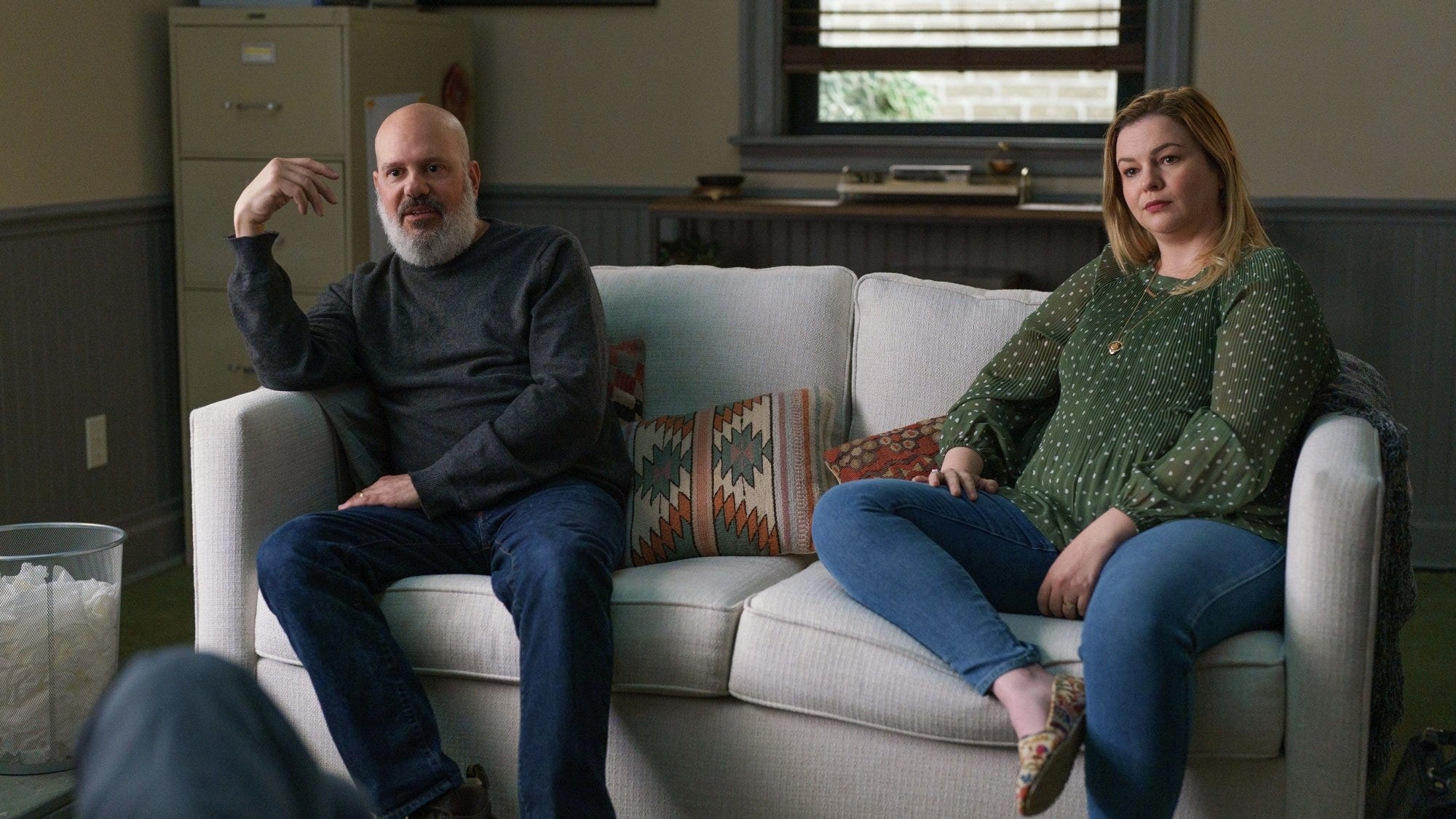
Indie writer-director Nicole Holofcener, the force behind such insightful dramadies as “Friends with Money” (2006) and “Lovely & Amazing” (2001), reunites with Julia Louis-Dreyfus (the pair worked on “Enough Said” back in 2013) for this barbed gem about the tender balance between brutal honesty and obligatory, loving support when Louis-Dreyfus’s Beth, a struggling novelist, overhears her husband Don (Tobias Menzies), tell his brother-in-law Mark (Arian Moayed, “Succession”) that he does not like Beth’s latest that’s still looking to catch on with her publisher. To her face, however Don tells her he likes it and thus a simple, but nagging conundrum ensues:does Beth confront Don or not? The sharp script moves in unexpected ways as Beth’s self-esteem is chipped away at by her publishers and her students in the classroom she commands. The bits with Don, a therapist with some of his own mounting professional woes, challenged by some of his clients including real-life wife and husband Amber Tamblyn and David Cross playing a miserable married couple, makes for dark, bristling hilarity. And as much as you laugh, the nuggets of revelation onscreen serve as a mirror to look uncomfortably inward.
4. The Holdovers
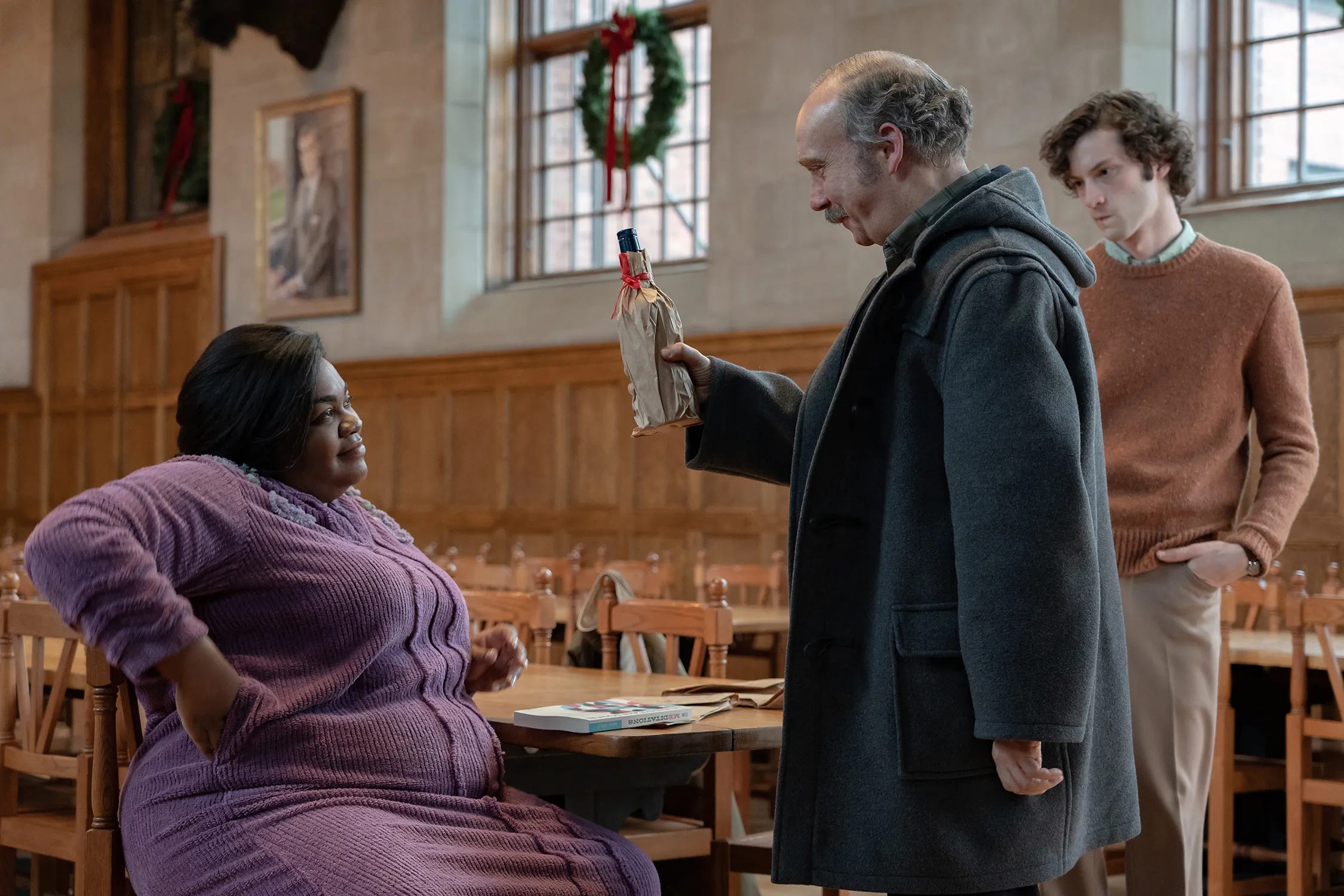
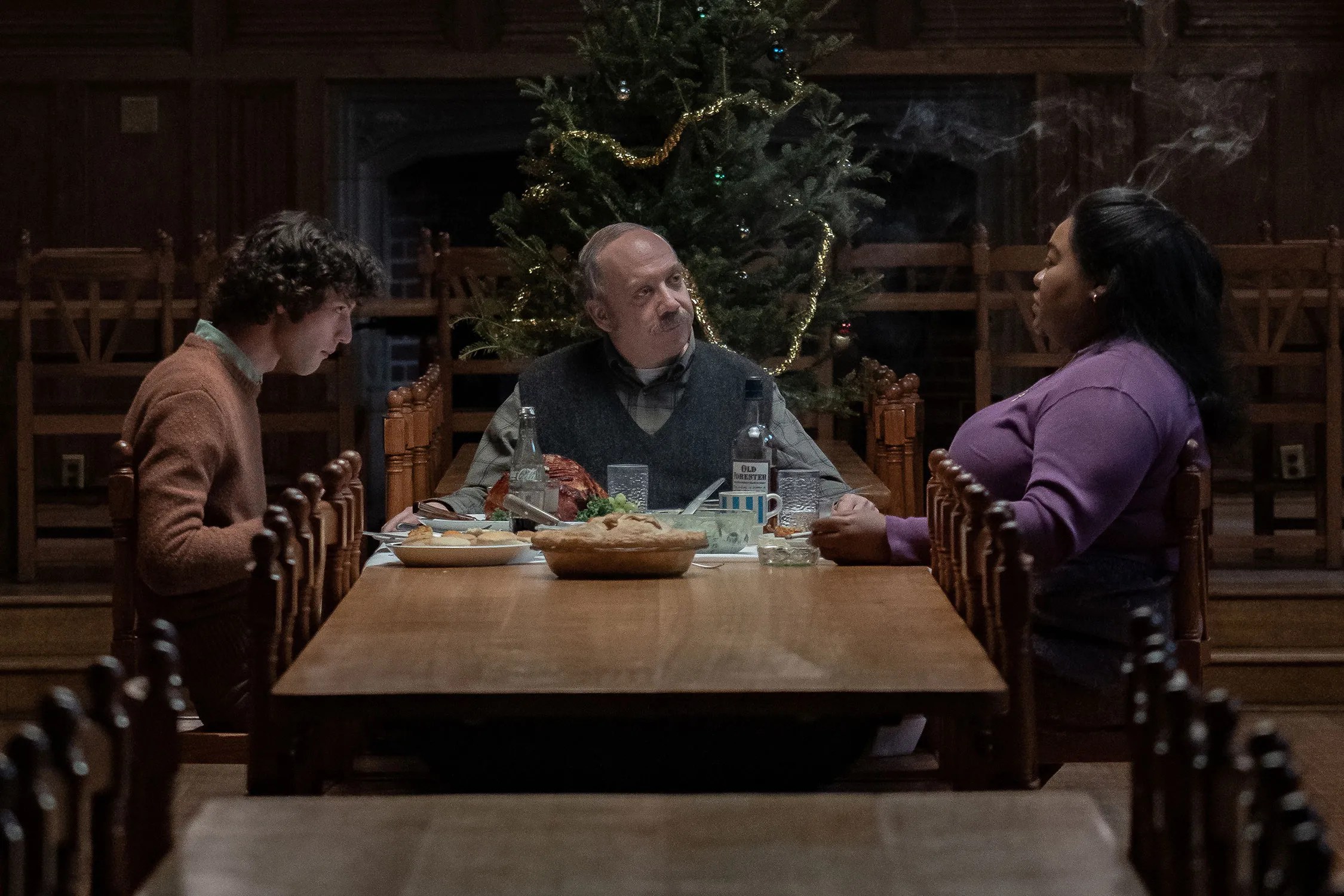
The latest from Alexander Payne (“Sideways,” “Citizen Ruth”), set at an all-boy, New England prep school in the early 1970s, bears the distinct tang of J.D. Salinger, not to mention Wes Anderson’s “Rushmore” (1998) as it homes in on the loneliness of the disenfranchised among the entitled elite. The setup’s fairly straightforward: Paul Hunham (Paul Giamatti), a gruff, unapologetic Western Civ. professor, is the faculty member who’s drawn the short-straw assignment of looking after the “holdovers” for Christmas break at a fictional New England preparatory called Barton. Joining Hunham and the five boys is school cook Mary Lamb (Da’Vine Joy Randolph, divine and scene-stealing) a Black woman who spends much of her time – even when cooking – drinking and smoking to hold down the grief of having just lost her only child, a Barton grad (the only non-caucasian we know to attend the school besides one Korean boy) killed in the Vietnam War. The film comes down to the human connection between the cantankerous Hunham and last lingering holdover, Angus Tully (Dominic Sessa, deep and winning in his big screen debut) as past skeletons come to the fore and human connections are the only means of redemption.
5. Oppenheimer
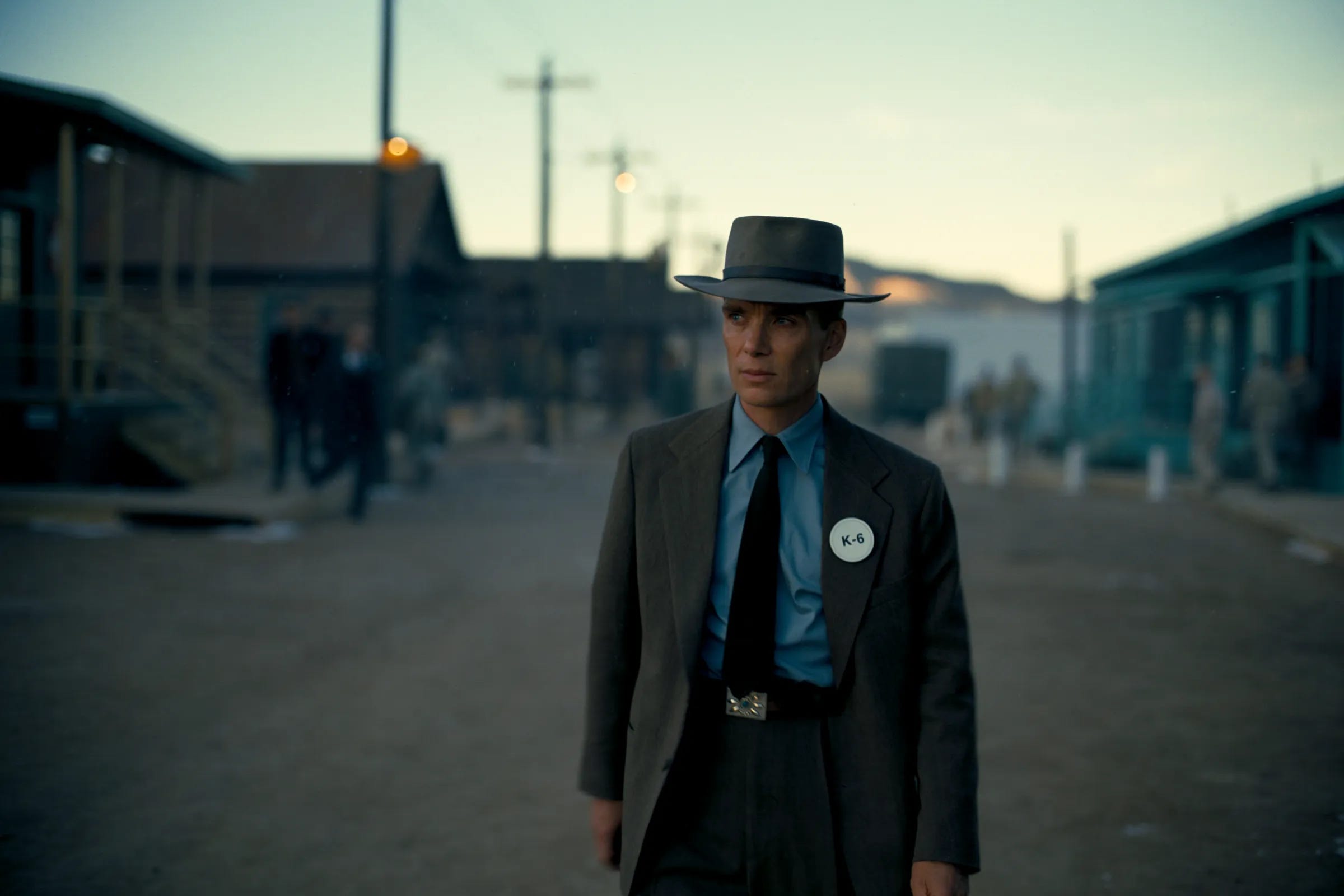
Christopher Nolan’s grand bio-pic plays loyally to its roots, the 2005 biography “American Prometheus: The Triumph and Tragedy of J. Robert Oppenheimer” by Kai Bird and Martin Sherwin, as both embrace Oppenheimer (“the father of the atomic bomb”) as a committed yet complicated man, caught at many crossroads: the morality of mass destruction, the dirty politics of Cold War paranoia as well as many messy personal relationships. As Oppenheimer, frequent Nolan collaborator Cillian Murphy portrays the scientist as a reserved, buttoned-up sort with a kind, demurring affect. He’s charismatic and approachable, with piercing blues and a gaunt sheen clearly deepened for the part, and Oppie’s signature wide-brim porkpie fedora goes a long way to cement the image. It’s a bravura performance that rightly sends Murphy, best known for the series “Peaky Blinders” and Danny Boyle’s “28 Days Later” (2002), to the fore after many years of almost getting there. He feels custom minted for the part. How Nolan pulls it all together is interesting in how much you see – or don’t – of the actual use of the atomic bomb and the devastation it had on Hiroshima and Nagasaki (though it’s in the corner of every frame) versus the high of the Trinity experiment at Los Alamos (well-orchestrated cinematically) and chaotic proceedings in the rooms and halls of government. Ever meticulous, Nolan also does a masterful job of gathering subthreads and small gestures and weaving them into surprising and disparate places with subtle poetic panache that doesn’t scream, “Did you just see what I did there?”
6. Killers of the Flower Moon
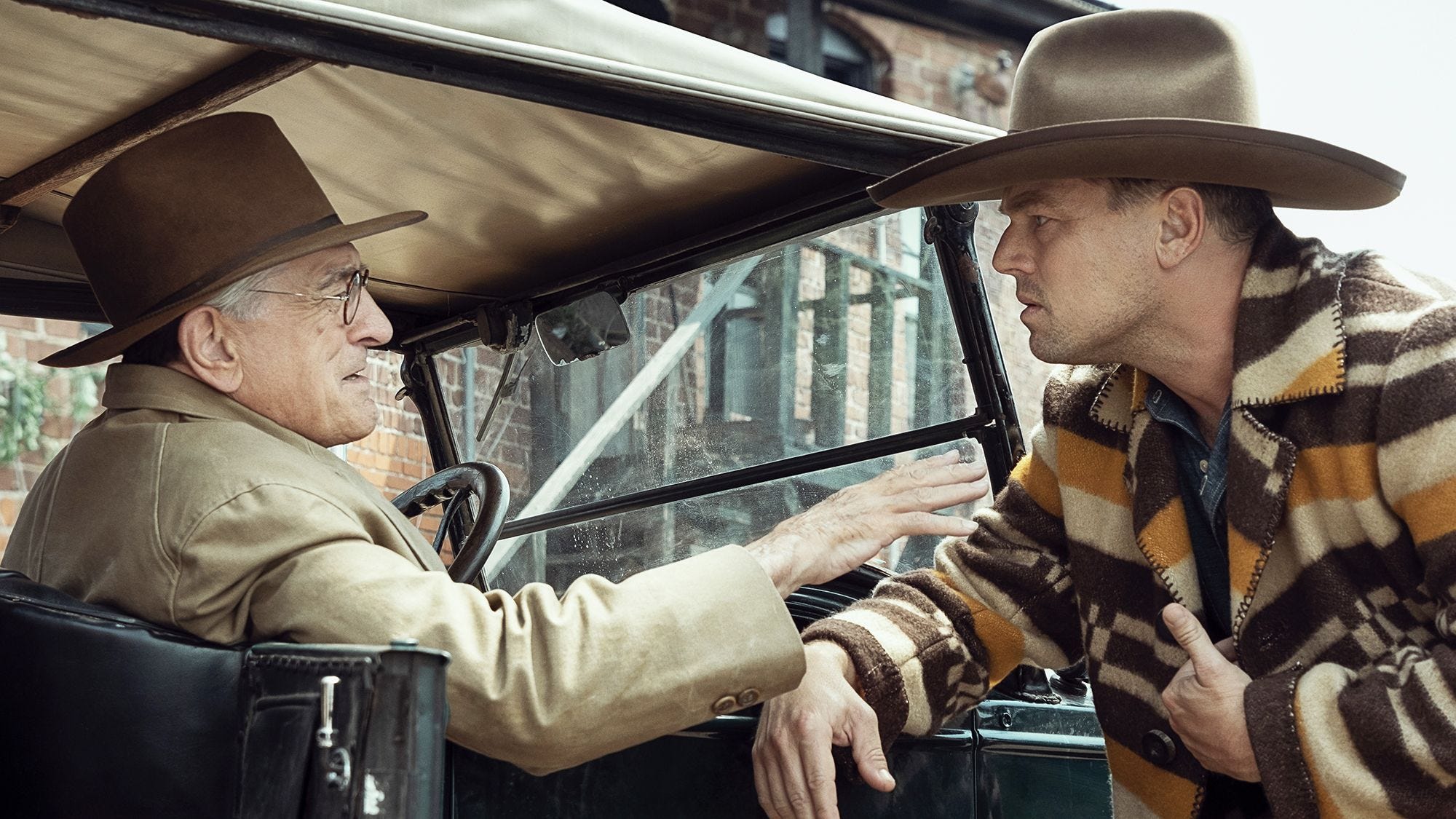
Working from journalist David Grann’s 2017 real-life account with the additional tag “The Osage Murders and the Birth of the FBI,” there’s much in Martin Scorsese’s film that leverages the director’s mean-streets, gangland roots and much that unfurls, that if not stated as nonfiction, would otherwise be hard to believe. Set on an Osage reservation post-World War I, “Killers of the Flower Moon” has the grand, neo-western feel of Michael Cimino’s “Heaven’s Gate” (1980) and even Sergio Leone’s “Once Upon a Time in the West” (1968) as Leonardo DiCaprio’s Ernest Burkhart, returning from the war (a cook, not a soldier, because he has a weak stomach) steps off a train in Fairfax, Oklahoma, and through nefarious opportunistic schemes orchestrated by Burkhart’s business man uncle William “King” Hale (Robert De Niro), making the bulk of his wealth off the Osage who have conditional oil rights, marries an Osage woman (Lily Gladstone who hold court with Oscar winners DiCaprio and De Niro) to bilk her of assets. The insidious ripples of colonialism and false sense of human respect and equality are put on full display; a must see for those who cling to the tenets and practices of American expansionism.
7. Geographies of Solitude
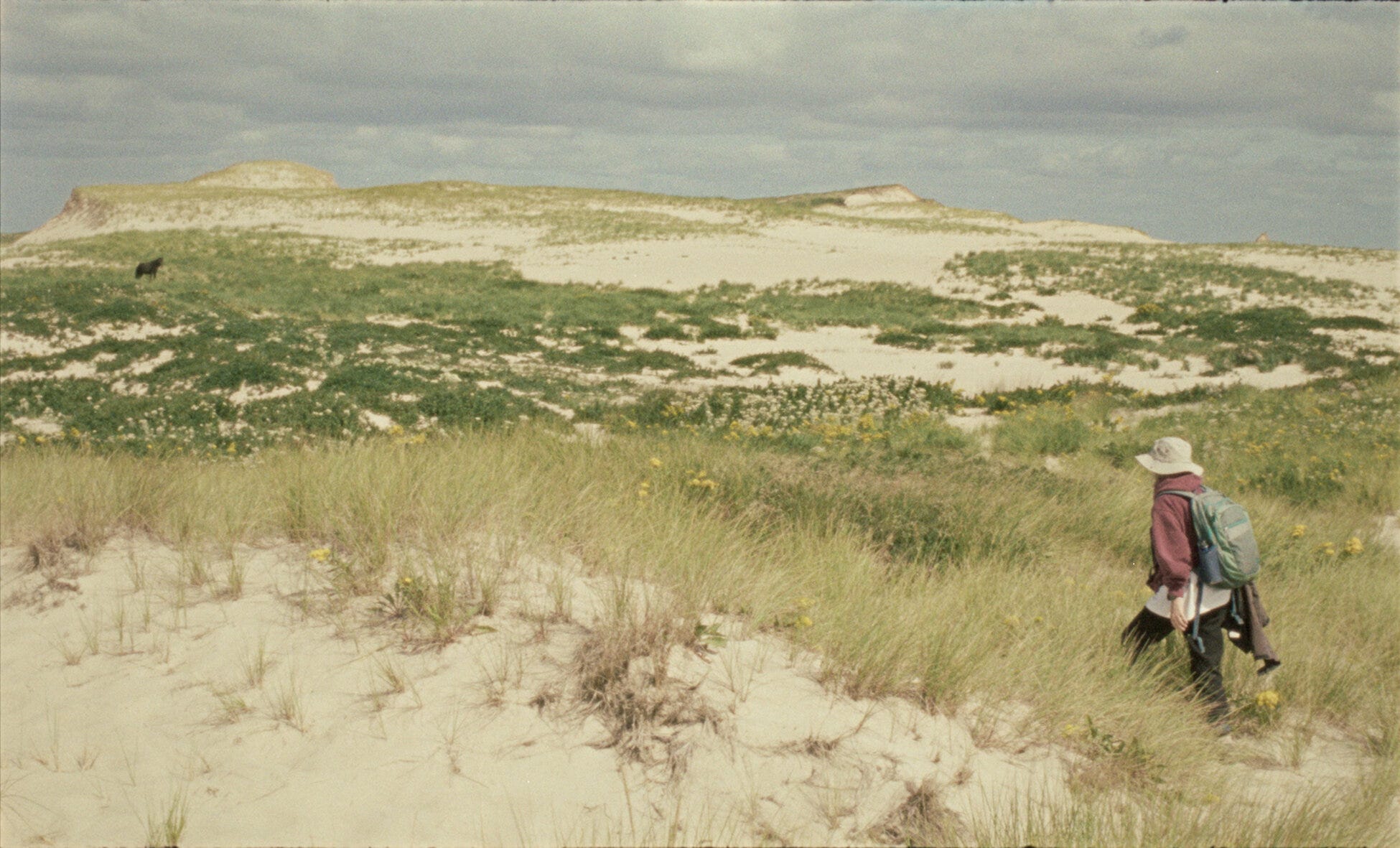
Jacquelyn Mills’s arresting documentary in one long, riveting contemplation on nature, loneliness, and commitment. The film depicts Sable Island a harsh stretch of land 100 miles off the coast of Nova Scotia as it follows the island’s only resident, Zoe Lucas who’s been there since the early 1970s studying the niche ecosystem where only horses, seals and insects thrive. The use of archival footage (Jacques Cousteau makes a visit via helicopter) and Lucas still going about her business in the now (cataloging the horses and tracking plastic pollution around the globe) is woven together as a medication that invites you onto the island in an observant, intimate way.
8. 20 Days in Mariupol
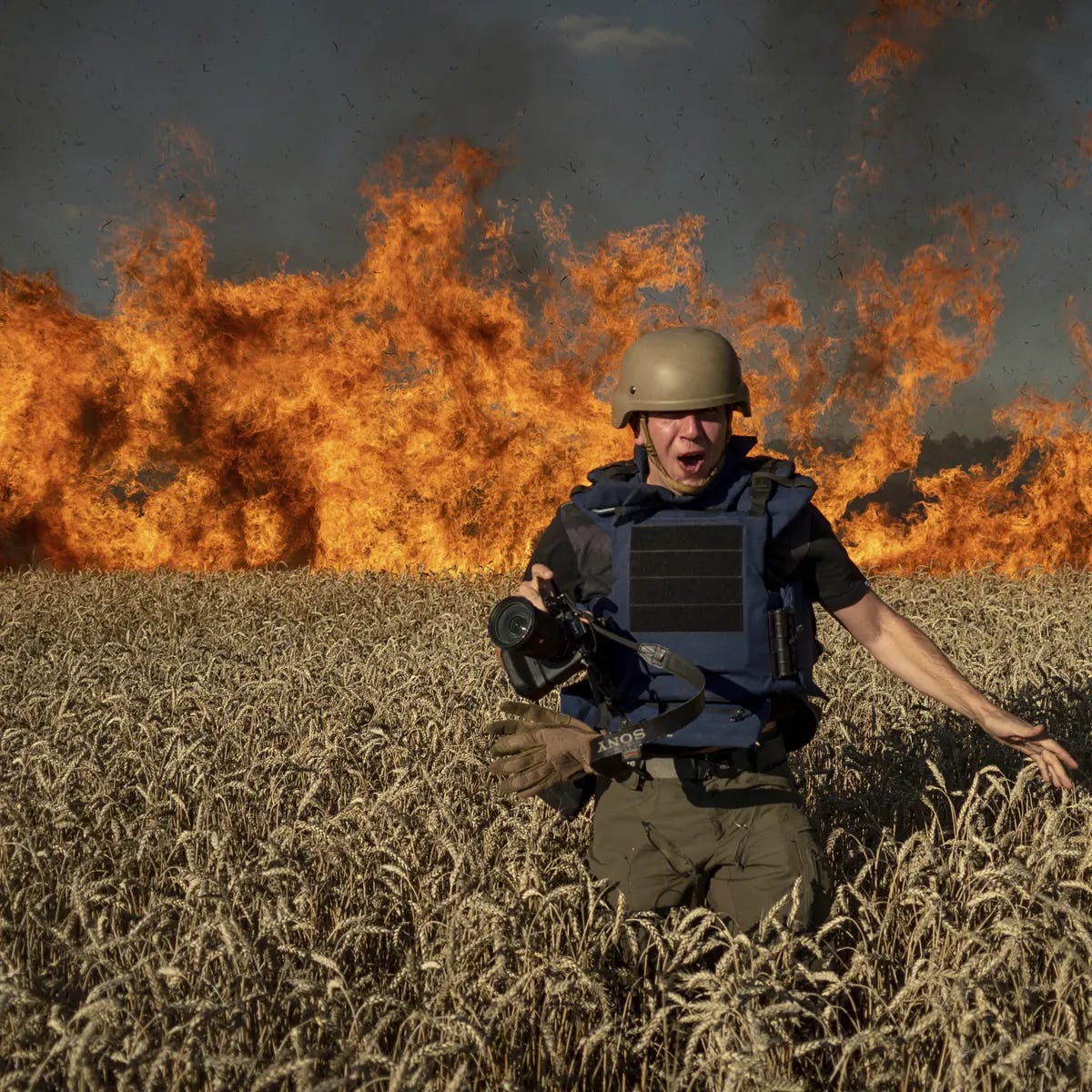
When Russia invaded the Ukraine in February of 2021 Associated Press video journalist Mstyslav Chernov was imbedded at a hospital in the port city of Mariupol. What Chernov endures and witnesses is the early part of the siege where residents trying to go about their daily lives are caught up in something they can’t quite comprehend. As Chernov weaves his way around the city with his crew it becomes evident too that he must leave, but most venues have been shut down. It’s a harrowing boots on the ground view into the wanton incursion that still pervades today.
9. Menus-Plaisirs – Les Troisgros
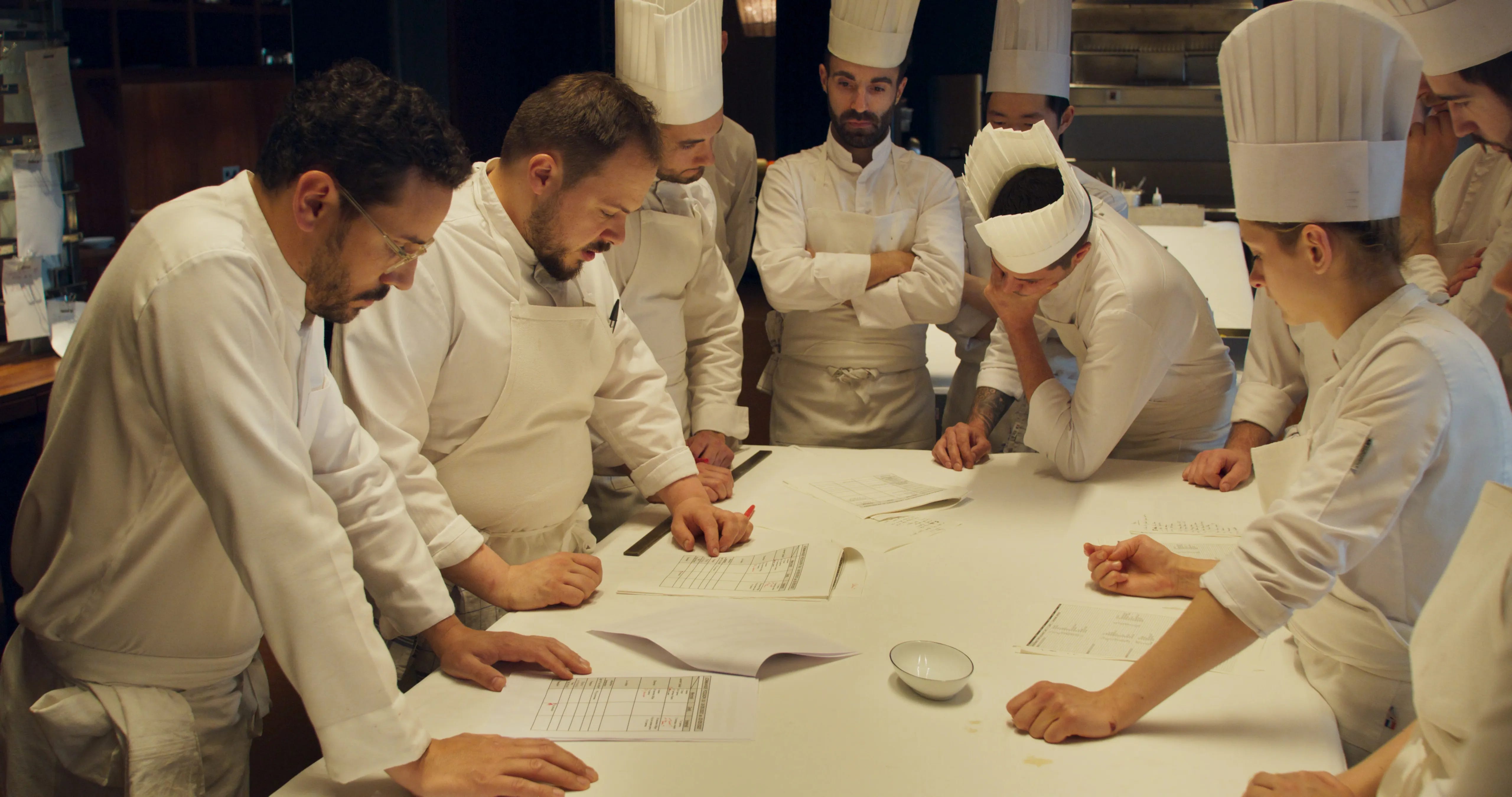
Loosely translated “The Menu” and nothing to do with last year’s elite dinner party turned torture fest. At the young age of 90, local documentarian Fred Wiseman (“Titicut Follies”) shows no signs of slowing down with this lens turn on Troisgros family, who run the Michelin 3-star restaurant La Maison Troisgros in Central France. At four hours, the running time may give you pause, but Wiseman, a master of fly-on-the-wall observation, captures all the right moments, head chefs planning meals, the quality control selection of ingredients and the ballet of orchestration in the kitchen when it’s showtime. Reality TV cooking show this is not, it’s authentically more real, there’s no stitched together narrative for pomp and hype, just careful attention, arduous repetition, the hard work and the dish assembly collaborations that bring a world class meal to mouths expectant diners’ palates.
10. Taste of Things
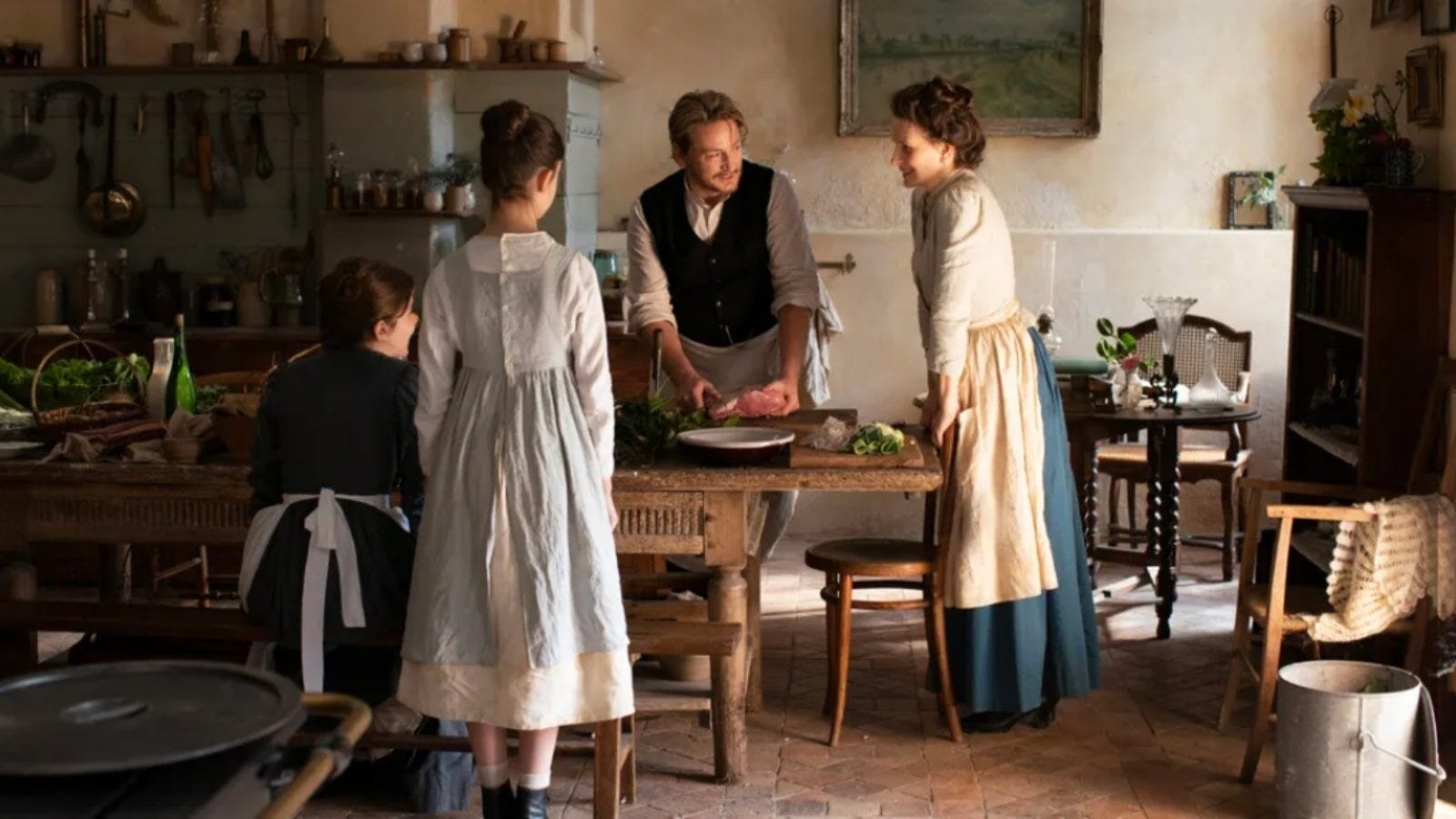
Keeping with all things culinary is this visually scrumptious feast from Tran Anh Hung (“Scent of Green Papaya,” “Cyclo”), a keen observer of human longing, subtle sensualities and social restraints, which tells the tale of a cook Eugenie (the ever sublime Juliette Binoche) 20 years in the service of tacit gourmand Dodin (Benoît Magimel, on the mark here and also strong in “Pacification” that also came out this year). Based on the popular French novel “The Passionate Epicure” by Marcel Rouff, the culinary doings take place at a French chateau in the late 19th century as Eugenie and her small staff, with close oversight from Dodin prepare lavish and complex meals for Dodin’s coterie of friends. The long takes of food preparation are so stunning and in-the-moment, you can almost taste what you are seeing. It’s also impressive that the two-decade relationship between Eugenie and Dodin is conveyed in full through furtive glances and short exchanges as one peers through billows of steam rising from a pot or they carefully tresses a bird. Food hasn’t been this sensual or used as a narrative vehicle so completely since the “Babette’s Feast” (1987).
Close and in the hunt: Yorgos Lanthimos’s feminine, sexual spin on Frankenstein, “Poor Things,” Celine Song’s haunting tale of longing in “Past Lives,” the killer tandem of Juliane Moore and Natalie Portman in Todd Haynes’s “May December,” the creepy vacation excursion “Infinity Pool” from Brandon Cronenberg, son of horror auteur, David, the witty and endearing animation feature about a dog and his ‘bot, “Robot Dreams,” single mother, life balance nightmares in “Full Time,” Zac Ephron transforming himself into a WWE bruiser in Sean Durkin’s wrestling bio-pic, “Iron Claw,” “The Pigeon Tunnel,” Errol Morri’s intimate look into the surprising back story of David Cornwell: aka famed spy novelist John le Carré, the always excellent Mads Mikkelsen battling for land rights in “The Promised Land,” and Wim Wenders (“Wings of Desire”) helming “Perfect Day” the current Japanese entry for Best International Feature.
Cord Jefferson works warmth and humor into this satire of race and identity based on Percival Everett’s 2001 novel “Erasure.” The film centers on African American writer Thelonious “Monk” Ellison (Jeffrey Wright) who, much like Nicolas Cage’s academic in “Dream Scenario,” can no longer conjure up a note of relevance. No one wants to publish his latest, and instead implore him for something more “authentic.” The more concrete reality facing Monk is that his father has just died and his mother (played by the great Leslie Uggams) is struggling with memory challenges and needs full-time care, so after the ashes are spread seaside and mom has been situated, Monk holes up in the family harborside cottage just south of Boston (it’s not named, but Scituate) and out of an act of anger, pens a jokey “street lit” novel called “My Pafology.” The book becomes an instant hit – mostly with white audiences, which is a deft skewering throughout. As Monk’s agent (John Ortiz, working the part with the perfect balance of smarm and charm) puts it, “White people think they want the truth, but they just want to feel absolved.”
To seal the deal – and get the big bucks – Monk reluctantly takes on the nom de plume of Stagg R. Leigh, a made-up name for a dreamed-up street persona, who, as an on-the-fly bio has it, did time, is evading authorities and needs to maintain faceless anonymity because of alleged other transgressions against society. Many assume murder and more. With pained disdain Monk rolls his eyes whenever having to do such performative street-talk (think a watered down Mr. T), and bristles when another Black author (Issa Rae), who pulled a similar stunt with her smash success “We’s Lives in Da Ghetto,” endorses the book not knowing Monk is the author. The lawyer across the street (Erika Alexander, warm and resolute) with whom Monk has begun a simmering romance, not knowing he’s the pen behind the prose, defends the book when he challenges her on the notion that such books do nothing but pigeonhole and restrain Black people and the Black experience.
Ultimately Hollywood comes a knocking, the fourth wall gets shifted and the delicate, darkly funny tenor of the farce gets turned up a few too many notches for its own good. “American Fiction” marks Jefferson’s directorial debut after producing and writing for the hit series “Master of None” and the acrid HBO fantasy tasking the mainstream on race, “Watchmen.” His true asset here is the ever dutiful Wright (“Shaft,” “The French Dispatch”) who effortlessly shifts emotive states while maintaining an overriding pallor of weariness. He carries the film as much as his character carries his family and the bigger struggle to break racial barriers. The rest of the ensemble is equally on point, including Ortiz, Uggums and Sterling K. Brown, fiery and scene-stealing as Monk’s less dutiful, self-centered brother who’s just come out, not only adding to Monk’s burdens by not helping with the logistics of family transitions but by saddling him with the realities of “how it is” and dishing unnerving reveals about dad. “American Fiction” is a humorous and powerful pontification on race, reckoning and perceived reality – a hook with a barb that could have been plunged a little deeper.
“Poor Things” is a nifty mashup of genres from Yorgos Lanthimos, curator of things off-kilter and unsettling – as evidenced by such engrossing, psychologically dark works as “The Lobster” (2015), “Dogtooth” (2009) and “The Killing of a Sacred Deer” (2017). The film, based on Alasdair Gray’s 1992 novel that borrows heavily from Mary Shelley’s “Frankenstein,” isn’t so much about reanimation as it is about reawakening. In this case, the subject is Bella (Emma Stone, who was Oscar-nominated for her last collaboration with Lanthimos playing a lady-in-waiting in a love triangle with Queen Anne in “The Favourite”). Her mind has not caught up to her body, as we hear her creator, Dr. Godwin Baxter (Willem Dafoe), remark to his affable Igor, a soulfully dark-eyed apprentice named Max (Ramy Youssef).
The time, as you can imagine, is Victorian London, which is rendered with more of a fantastical Disney theme-park vibe than Merchant-Ivory authenticity. Bella, as we first meet her, has a childlike brutishness. She delights at the giant bubbles emitted at the dinner table by Godwin – who in primal grunts she refers to as “God” (nothing heavy-handed there, though it is true that Shelley’s father was the philosopher William Godwin) – as the result of some deviant, Cronenbergian dialysis machine. Later, she punches Max in the nose with a gleeful smile and rapid “look at what I did” handclaps. In a quick flash through the receiving room door, a duck-headed dog scoots by; there are other cross-phylum curios roaming the homestead too, a harmless, friendly homemade menagerie. The special effects are well done. Godwin himself is hard to take your eyes off of, or perhaps too hard to linger on, as his face is panels of stitched flesh that look almost like you could peel them off and rearrange them should the desire rise.
For a while it’s a cozy, happy existence. The scientists poke at cadavers while Bella, mimicking them, hones her skills for a future at the local abattoir. As her mind becomes more adult, Godwin betroths her to Max, and the need for legal documentation brings a lecherous attorney into the mix. Mark Ruffalo’s Duncan Wedderburn might not be Snidely Whiplash, but he’s not far off, as he stokes her awakening womanhood and then absconds with her for a hedonistic traipse across Europe. Sex is a vigorous and rewarding wonderment to Bella, an act she refers to as “furious jumping,” through which she proves to be quite the vessel of female empowerment and independence, disappointed nearly to the point of scolding Duncan when he can’t go another round, and unabashed about receiving another man’s attentions and more. “Poor Things” could be taken as “Fear of Flying” before there were airplanes. What began as an uneasy predatory play by Duncan gets inverted and twisted, as Bella’s backstory comes to light in carefully meted strokes.
For the fabric of such a phantasmagoric yarn Lanthimos has stitched together a dark fairytale coverlet evocative of all things Tim Burton with the Kafka-esque surreality of “The Lobster” or “Dogtooth.” In Portugal, zeppelinlike sky trams float overhead, barely tethered to wispy wired tracks; and later, on a cruise, waves crest in pastel rolls of opulence; then there’s the Parisian brothel Bella takes up employment in endowed with a seemingly endless maze of antechambers – secret doors behind secret doors.
“Poor Things” registers a stunning visual achievement that one-ups itself continually. But if not for the heroic, all-in effort by the cast, Lanthimos’ toil might have been all for naught. Youssef and Dafoe make subtle yet critical contributions as cuck and creator; Ruffalo owns his part with amiable smarm and a faint vestige of vulnerability Not enough can be said about Stone and her evolution from grunting child inserted into an adult’s body to stirred woman with no regard for the patriarchy who is, as a result, free to skirt its curtails and checks. The lens on men behaving badly – and well – is intriguing, especially when the action comes home to roost and proves that Duncan isn’t the worst card in the deck. The ending may be a bit too neat, but the sojourn of Bella’s awakening is full of surprise.
The latest from Emerald Fennell, who stirred things up with “Promising Young Woman” (2020), is a slow burn of a psychological thriller with hot, homoerotic embers – à la “The Talented Mr. Ripley” – that catch fire every now and then. It’s also the second film this year in which Mother Nature’s cyclical purge of fertility during an act of oral pleasure plays for bloody spectacle – the other being Chloe Domont’s “Fair Play,” streaming on Netflix. There’s much about class and privilege in this dark semi-comedy starring Barry Keoghan, tripling down on strange doings after “The Killing of a Sacred Deer” (2017) and “The Green Knight” (2021) as a poor student at Oxford who can’t afford school attire but syncs up with the “it” boy Felix (Jacob Elordi, who’s had a banner year with this arresting performance as Elvis in “Priscilla”; Timothy Chalamet, you’ve got competition!).
Felix lives in the glorious British estate of the film’s title – a real-life keep that’s not far off from Balmoral or the Palace at Versailles – and invites Keoghan’s Oliver Quick (what a name) back to the estate for summer break. At first Oliver seems in awe of Felix’s family (Rosamund Pike and Richard E. Grant, dutiful as the parents, and Alison Oliver as their capricious and observant daughter), but then there are late-night doings by the pond and a “Shining”-like maze. As Oliver starts to shed his skin, matters shift to sexual knowing, station-in-life resentments, reveals and ensuing grim events.
It’s an ambitious go for Fennell, well framed and well acted (Carey Mulligan, who headlined “Promising Young Woman,” is in it for a blip, and piquantly hard to glean), but as the saga moves toward the third act, things turn hyperbolic and unbelievable, edging on the inane. There is a bit of a reprieve before the denouement that snaps you back in, but that herky-jerkiness is undeniable. The film will only add to Keoghan’s rise in creepy sociopathic appeal, and Fennell will again have art house audiences eager to see what she does next.
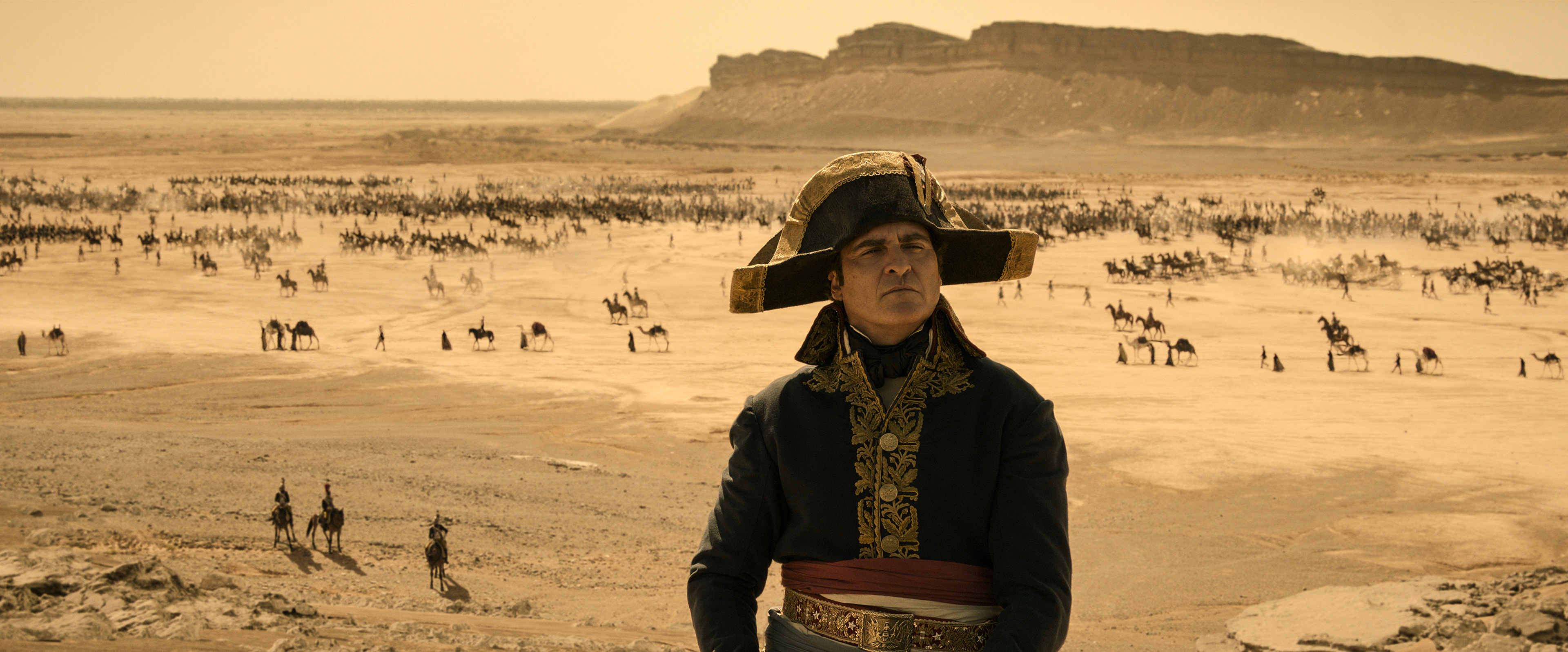
When you think of the films of Ridley Scott, it’s most likely his early sci-fi classics “Alien” (1979) and “Blade Runner” (1982), but the prolific filmmaker’s first effort, “The Duelists” (1977), was a period piece set in France during the Napoleonic wars. In that film (not to be confused with “The Last Duel” from 2021, which Scott made with local guys Ben and Matt), the French emperor’s presence was felt constantly, but Napoleon himself never steps into the frame; it’s with a daub of poetic justice that Scott, nearly 50 years later and with a budget almost 200 times bigger, gets to deliver a biopic epic centered on the historically notorious icon known as much for his hubris and the self-esteem complex named after his alleged diminutive stature and inflammable ego as for his military gamesmanship.
As Napoleon, the usually reliable Joaquin Phoenix (“Beau is Afraid,”“You Were Never Really Here”) feels somewhat subdued. That said, it is intriguing to see him reunite with Scott some 22 years after “Gladiator,” in which Phoenix also played a self-absorbed ruler – a deliciously sniveling fop of a Roman emperor. What’s missing is some of the entitled, mercurial and Oscar-winning zing baked into his mirthless Gotham ghoul in “Joker” (2019).
The film opens with Napoleon witnessing the beheading of Marie Antoinette. The French Revolution is in full swing, and the British are looking to gain a bigger foothold across the channel. To prove his worth to the new republic, Napoleon leads the fierce and tactically astute Siege of Toulon, where underpowered French forces take out a well-ensconced British fort under the cloak of night. It doesn’t help that the Brits are in the midst of sweeping, drunken merriment and caught with their pants down, literally.
Thus begins Napoleon’s ascent from military marksman to iron-fisted ruler as one part of the French Consulate triumvirate and later emperor, and efforts to expand the French empire into Africa and Eastern Europe take hold as well as the long-simmering desire to crush the hated English and their hold on the seas (see “Master and Commander”). The main threads of Scott’s film, penned by David Scarpa (“Man in the High Castle” and Scott’s “All the Money in the World”) focus on Bonaparte’s obsession with besting Russian Tsar Alexander I (Édouard Philipponnat), a handsome man-boy that Napoleon seems to hold in deference, and his capricious relationship with Josephine (Vanessa Kirby). Scott’s orchestration of the Battle of Austerlitz, where Napoleon takes it to Russian and Austrian forces (also called the Battle of Three Emperors), as well as the infamous, post-Elba exile grudge match, Waterloo, are stunning in scope, choreography and gritty grandeur. Kirby, who plays the White Widow in the “Mission: Impossible” films, is no stranger to strong women and fills those shoes well here, yet the relationship and the tempo of its tears and folds is wildly uneven – which is not on Kirby, to say the least. Kirby portrays a woman whose confidence and sensuality are more than worthy of holding the gaze of a man with limitless power and, as a result, after their marriage implodes because of heir matters, remains a regularly sought confidant, counsel and simmering longing. The sex scenes have a cheeky silliness, not too far off from some of Scott’s work with Cameron Diaz and a racy sports coupe in “The Counselor” (2013) and most recently Lady Gaga and Adam Driver in “The House of Gucci” (2021).
Beyond the major battles – epic with a capital “E” – and sticking to the historic record, Scott and Scarpa don’t let Bonaparte off the hook for his actions. His Ahab-esque quests cost needless lives, something the film registers as clearly and coldly as the hoar of the harsh Russian winter. As far as the size thing goes, the record shows Napoleon at just north of 5-foot-6; it’s rumored that the Corsican (a lesser, looked-down-upon ilk to most French noblemen at the time) was surrounded intentionally by taller, statuesque guardsmen. Scott and Scarpa wisely choose not to delve into the matter, but Scott often shoots down on Bonaparte, or up from his POV, lending to the effect.
The picture, which holds one’s eye throughout the 157-minute running time, is opulent but bears the jerky unevenness of Scott’s “Gucci.” Perhaps a Thanksgiving Day viewing will leave visual feasters of all things Napoleonic hungry and searching the streaming universe for the timeless 1927 treasure of the same name crafted by Abel Gance. Seek it out and enjoy the treat. It’s not an either-or, mind you, as Gance’s tale tells of a young Napoleon in school and his early days in the military, dovetailing nicely in time to where Scott’s vision starts.
The latest from Alexander Payne, set at an all-boy, New England prep school in the early 1970s, bears the distinct tang of J.D. Salinger, not to mention Wes Anderson’s “Rushmore” (1998) as it homes in on the loneliness of the disenfranchised among the entitled elite. It marks a nice rebound for Payne after his 2017 misfire, the dystopian sci-fi satire “Downsizing.” and a pleasant reunion with Paul Giamatti, who with his work here and the infectiously uproarious “Sideways” (2004), proves to be something of the director’s go-to alter ego as Leonardo DiCaprio and Robert De Niro have for Martin Scorsese.
The setup’s fairly straightforward: Paul Hunham (Giamatti), a gruff, unapologetic Western Civ. professor, is the faculty member who’s drawn the short-straw assignment of looking after the “holdovers” for Christmas break at a fictional New England preparatory called Barton. These students have no place to go because Korea’s too far and expensive to fly home to, the house is being remodeled and there’s nowhere to sleep, or mom’s newly remarried and wants to have some honeymoon time. The latter is the bad-news phone call that Angus Tully (Dominic Sessa) gets. He’s also struggling in Hunham’s class, and Hunham’s not the most popular figure on campus; even the faculty and headmaster are none too smitten with him – for one thing, he failed the son of a U.S. senator and major benefactor of the school at the tail-end of the progeny’s senior year, his unwavering strictness costing the kid a golden ticket to an Ivy League institution.
Joining Hunham and the five boys is school cook Mary Lamb (Da’Vine Joy Randolph, divine and scene-stealing; you can also catch her in “Rustin,” out this week) a Black woman who spends much of her time – even when cooking – drinking and smoking to hold down the grief of having just lost her only child, a Barton grad (the only non-caucasian we know to attend the school besides that Korean boy) killed in the Vietnam War.
Early in the staycation, one of the boys’ fathers drops in via helicopter and offers to whisk the five off for a week of skiing. Not a bad reprieve for the cooped-up and bored, but parental consent is needed; all but Tully get it. What ensues is a slow grinding of nerves between Tully and Hunham with occasional explosions and slow reveals of underlying traumas that are the real root of their sniping and doubling down. Newcomer Sessa, who at times looks a bit too old for the part, holds his own with Giamatti as he effectively expresses restrained rage. Fans of Giamatti’s acerbic naysayer in wine-imbibing comedy “Sideways” and his quirky delve into comic book artist Harvey Pekar in “American Splendor” (2003), will delight in this nuanced turn. His Hunham is a self-loathing introvert who maintains his balance in the world with an outrigger of arrogant self righteousness, but also a lonely soul seeking human connection and totally unaware of how to get it.
The most vulnerable we witness the stranded three is at a Christmas Eve party hosted at the home of a bubbly Barton administrator (Carrie Preston, wonderfully perky, near “Fargo”-esque in the part) who takes shifts at the local watering hole to make ends meet. Tully and Hunham catch romantic flirtations that hit dead-ends for widely different reasons and Lamb, in the middle of the party, decides to confront her grief in a very public and all-consuming way. It’s a poignant, mood-shifting scene that should make many take notice of the emerging Randolph, who, like Giamatti, attended the Yale School of Drama. Later, the three find themselves in Hunham’s rickety car en route to Boston – Lamb on her way to visit her pregnant sister in Roxbury and Tully and Hunham taking an “academic excursion” that at one juncture lands them at the Somerville Theatre to take in a screening of Dustin Hoffman in Arthur Penn’s “Little Big Man.”
Poetically, the sojourn, initiated by Tully with a hidden agenda, ends in a meeting with Hunham on Boston Common. The two are forced to confront their pasts with a baring of their souls evocative of the joyous dread imbued into Hal Ashby’s “The Last Detail” (1973), in which Boston also served as a port of reckoning.
If you’re curious about that boarding school, it’s a composite of institutions in and around Massachusetts, but mostly scenes there were shot on the Deerfield Academy campus (one of the oldest prep schools in America) in Central Massachusetts.
Justine Triet’s “Anatomy of a Fall,” winner of the Palme d’Or at Cannes, dissects the slow, vicious implosion of a marriage. The reasons why are the usual suspects: grief, blame and jealousy. But there’s little else usual about Triet’s emotionally eviscerating narrative, which begins with the death of one spouse and, in carefully curated frames, rewinds as the survivor is put on trial for murder.
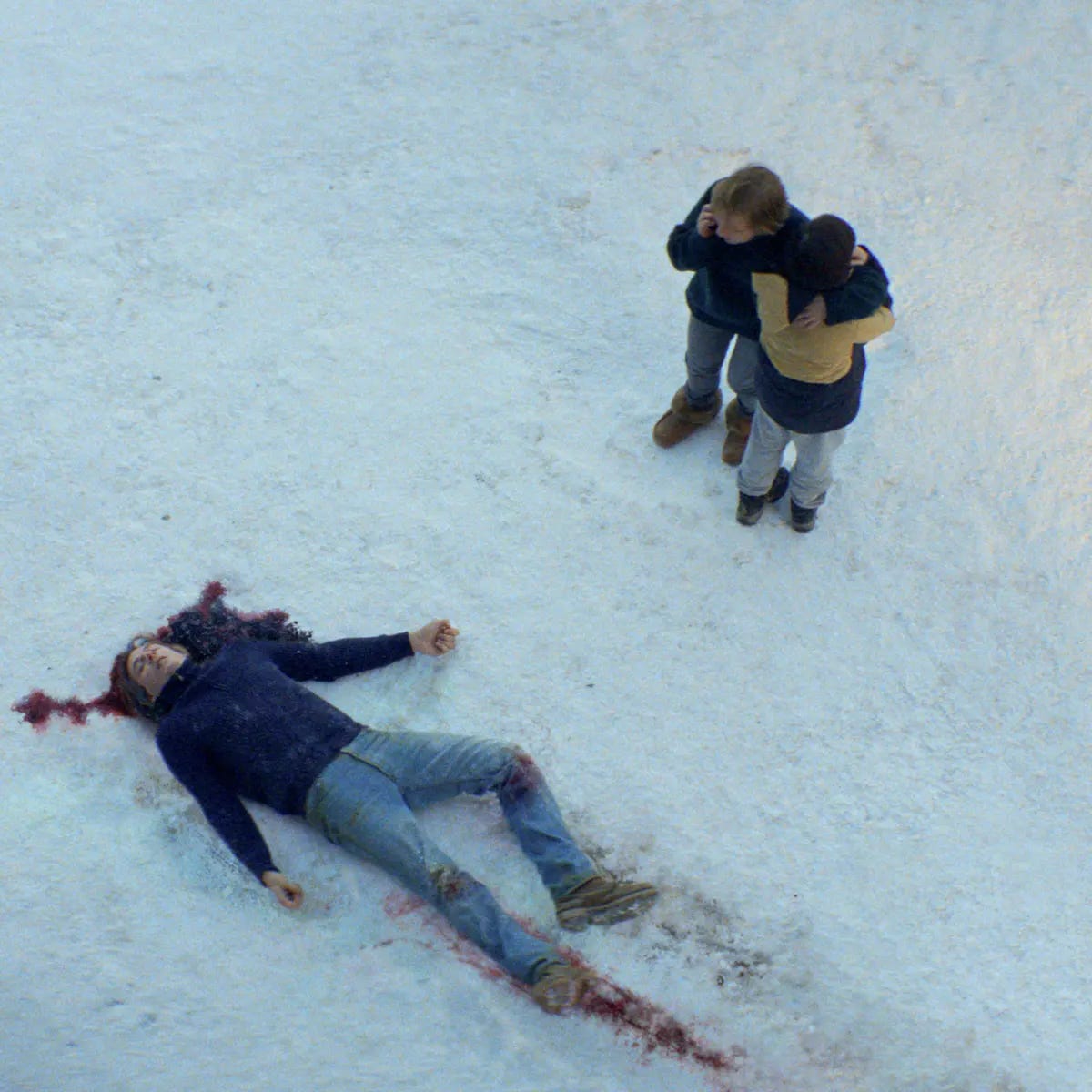
As the film opens, a writer (Sandra Hüller) sips wine in a rustic chalet amid the snowy white backdrop of the French Alps and attempts to answer the questions of an adoring grad student (Camille Rutherford) who has come to the cozy high to perform an interview. What cuts the Q&A short is the regular blasting of an instrumental version of “P.I.M.P.” by 50 Cent from somewhere above. The intrusive ruckus comes from the writer’s husband, Samuel (Samuel Theis), whom we learn is also a writer. Hüller‘s Sandra sees her interviewer dutifully to her car and instead of going upstairs to confront Samuel, decides to take a nap. It’s interrupted shortly by the screams of her eyesight-impaired 11-year-old son, Daniel (Milo Machado Graner), who went for a walk with the family dog along a ravine during the interview and returned to find a lifeless Samuel, head cracked and with considerable blood splatter, on the packed snow where the interviewer’s car had been parked. Did he fall, did he jump or was he pushed? Police seek answers, tossing dummy after dummy out the window to reconstruct events. Their findings don’t point to an accident or suicide, so Sandra – the only other one in the house – gets tagged with the murder.
What ensues is a courtroom trial in which the grad student, the son and Samuel, though recorded conversations Sandra was unaware of, are the key witnesses. Things that bubble up are the German-born Sandra’s resentment of being shoehorned into French culture (many times she wants to speak English, but the court, investigators and others insist on French) the result of the French-born Samuel’s reasoning that his ancestral lodge will serve as an Edenic inspiration for their words to flow. The reality is – and Triet uses obvious devices with surprising inventiveness to take us back in time to these moments – prose does not flow, and Samuel resents Sandra for being the more successful writer. Then there’s the matter of who was the more negligent during the accident that greatly dimmed Daniel’s vision, and the trailing fact that Sandra has a favoring for younger women of a certain intellect. The facts of the union, the fall and familial life are told with a guarded hand; “Rashomon”-like reinterpretations roll out as Samuel’s recordings are used by the prosecution to reframe that opening interview as a seduction. Daniel’s allegiances seems to waver and shift as the trial becomes more steeped in the unpleasant details of domestic decay.
Beyond Triet’s masterful orchestration, it’s Hüller and her fellow cast members who take the provocative who-did-it to viscerally resonating highs. Much is asked of Hüller, as the camera regularly hangs close on her emotive face and its high, creased forehead and distinctively pronounced nose. She delivers, scene in and scene out. It’s a film-defining performance, and her conspirators are up to the task too, especially the young Graner, who portrays Daniel as vulnerable and unsettled; Theis, who delivers a seething husband looking to pin his anger and frustration on another; and Swann Arlaud, beguiling and David Byrne-impish as Sandra’s patient and sympathetic defense attorney. The culmination is a slow burn, with many muffled explosions along the way that pull you into the trapped souls – who has more self-esteem issues than writers? – looking for a release, creative, sexual or otherwise.
Martin Scorsese’s latest period epic after such works as “Gangs of New York,” (2002), “Age of Innocence” (1993) and “The Aviator” (2004) should serve not only as a history lesson to many, but more importantly as a bloody smear of shame and, hopefully, an uneasy point of reflection. For those who were here first, “Killers of the Flower Moon” will likely be a sad reminder of what was and continues to be.
Working from journalist David Grann’s 2017 real-life account with the additional tag “The Osage Murders and the Birth of the FBI, ” there’s much in the film that leverages Scorsese’s mean-streets, gangland roots and much that unfurls that, if not stated as nonfiction, would be hard to believe. Set on an Osage reservation post-World War I, “Killers of the Flower Moon” has the grand, neo-western feel of Michael Cimino’s “Heaven’s Gate” (1980) and even Sergio Leone’s “Once Upon a Time in the West” (1968) as Leonardo DiCaprio’s Ernest Burkhart, returning from the war (a cook, not a soldier, because he has a weak stomach) steps off a train in Fairfax, Oklahoma, and is picked up by a dapper member of the Osage tribe by the name of Charlie Whitehorn. Charlie has better duds than Ernest, and a shiny new car. As they drive up lush prairie hills lined with prime-specimen cattle and oil derricks, Ernest asks: “Whose land is this?” “Mine,” Charlie beams. From there, newsreel footage explain how the Osage, part of the forced Indian relocations of the mid-late 1800s, became the richest per capita community in the world because under a scrubby landscape once deemed of little value lay a limitless bounty of oil. Happy riches this is not; by government decree the Osage were deemed not capable to manage their money and were given guardians – white attorneys, bankers, trustees and the like – to look after and allocate their riches. You can only imagine how well that worked out.
Grann’s focus isn’t so much the oil money but the associated Reign of Terror, several years in the 1920s when some 60 Osage were outright murdered, died under suspicious circumstances or went missing, with local law enforcement doing little more than nodding their head. (That number is considered conservative.) Indifference to the plight of native peoples ripples onward: according to the FBI, the number of missing and murdered indigenous women now is nearly three times higher than the next demographic segment, a stark point underscored in Taylor Sheridan’s “Wind River” (2017).
What goes on in Scorsese’s “Killers of the Flower Moon” (the name taken from the Osage expression for the wildflowers that bloom across the prairie under a full moon) is a slow unraveling – the movie is more than three and a half hours – of an insidious, systematic plot to bilk and bleed the Osage. Ernest, a lazy idealist at best and not the sharpest of young men, has come to Fairfax under the prospect of prosperity that he expects to find in the employment of his rich uncle William “King” Hale (Robert De Niro), a cattle baron and, as we first meet him, a self-proclaimed great friend of the Osage. That couldn’t be further from the truth.
One of Hale’s early maneuverings is to employ Ernest as chauffeur to a young Osage woman named Mollie (Lily Gladstone), coincidentally next in line to inherit the family’s oil-rights share as the health of her mother, the matriarch of the clan (Tantoo Cardinal) is on the wane. They don’t live past 50, Hale remarks, implying that diabetes is a plague among the Osage (the “wasting disease,” he calls it). That initial sentiment seems to be one of genuine concern and pity, but scenes later, it’s revealed that modern medicine is employed as a ruse; insulin laced with poison is being administered to the Osage. The town’s doctors are among those in on the scheme; even the wide-eyed, simple-minded Ernest clearly knows something’s askew as he injects an ailing Mollie, now his wife, with the solution.
Hale’s long game is to marry, leech and inherit; when that doesn’t work quickly enough, a bullet to the head’s just as good, because without an eyewitness – and there never is one – the case is put atop of pile of similar unsolved deaths to gather dust.
It’s a hard emotional watch, the parasitic gutting of a community from the inside out. Even more deviously treacherous is Hale attending meetings of the Osage elders in an advisory capacity as they assemble in an effort to suss out who is behind the deaths, not knowing the devil is in the room. Hale and Ernest, along with Ernest’s brother, Byron (Scott Shepherd), married to Mollie’s sister Anna (Cara Jade Myers, excellent as the boozy flapper who speaks her mind freely and pays for it), aren’t anything like Henry Hill (Ray Liotta) in “Goodfellas” (1990) or even Jordan Belfort in “The Wolf of Wall Street” (2013). Those guys were wolves who bared their fangs publicly and bit into the necks of other wolves; here, Hale and his crew cloak themselves in wool and go after the ewes and lambs while acting the bull ram that keeps the non-existent wolf at bay.
To Scorsese’s credit, he doesn’t render the Osage as victims. Mollie is at her most capable when at her most physically weakened; Gladstone plays her with a wry, knowing and deep internal resolve, not only holding her own with the two Oscar winners but wresting several scenes from them. Several efforts to elicit outside aid get snuffed violently by Hale, though ultimately, entreaties to President Harding by Mollie result in the arrival of a team of undercover investigators led by a gentlemanly former Texas Ranger (Jesse Plemons, perfect in the part) from the Bureau of Investigation, soon to be the FBI and newly overseen by a young J. Edgar Hoover (once played by DiCaprio in a Clint Eastwood biopic). Even then, Hale’s teflon armor and ability to spin and control the narrative feels uncrackable. How it all plays out is noted by history and Scorsese and his co-writer Eric Roth (“Dune,” “Munich”), inventively playing fast and loose with the fourth wall and formal law proceedings. It’s an inspired wrap-up that sees Brendan Fraser channeling his room-commanding heavy in “No Sudden Move” (2021), an ageless John Lithgow and rocker Jack White in sharp small turns.
De Niro, who seems minted for the unenviable role, hasn’t been this good in years and DiCaprio, with something of a Brando-esque mouthpiece, manages to make Ernest understandable, if not marginally sympathetic in a Greek tragedy of avarice-and-wrongs-realized sort of way. The other apt, emotionally evocative accent is the era-embracing score by rocker Robbie Robertson, peppered with Native American influences and southern slide-guitar twangs reminiscent of Ry Cooder’s work in “Southern Comfort” (1981). Robertson, the former guitarist of the Woodstock-era folk band The Band, is no stranger to Scorsese; the group’s farewell concert was the subject of Scorsese’s great 1978 rock-doc “The Last Waltz”; more to the point, Robertson, whose father is Mohawk, grew up on the Six Nations Reservation in Canada. His contribution are the heart and soul embers that burn within each frame.








 For What it's Worth