‘White Boy Rick’: Life of overachieving teen can’t sustain its high in crack-dealing 1980s
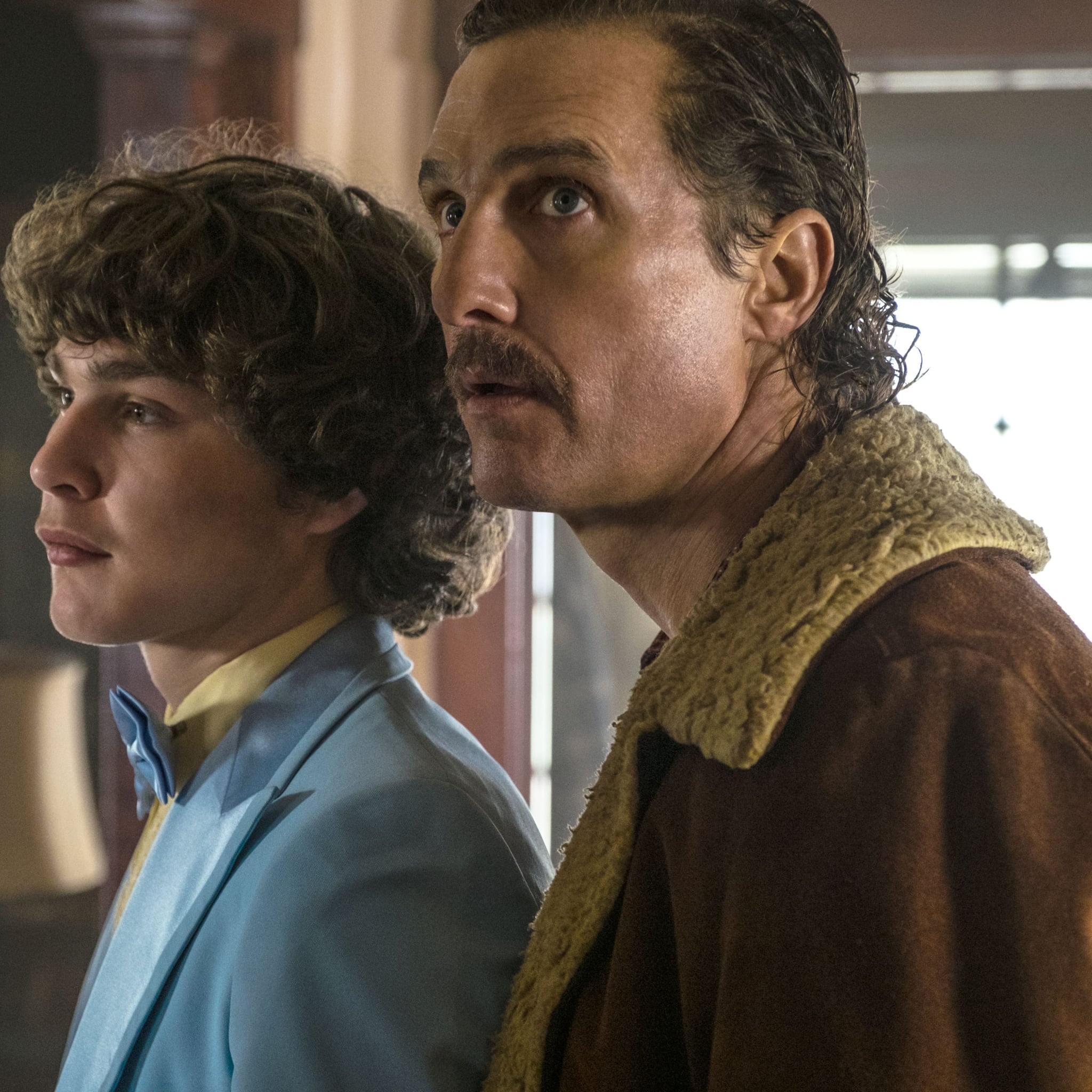
There’s a whole lot of bristle and edge to “White Boy Rick,” the true-life chronicle of Rick Wershe, a plucky street criminal who made front page news as a drug dealer and gun runner in crack-addicted Detroit. Sure, there were lots of other kingpins working the street during the desperate ’80s, but Rick was barely 16 and – as the film has it – the only white kid trying to cut in. Rick was also an on-and-off again informant for the FBI, a move that ultimately proves less favorable than it did for local white guy Whitey Bulger.
 If you were hoping “White Boy Rick” might be a Horatio Alger story propelled with shotgun shells like “Scarface,” it’s not. It’s more a tale of desperation, poor choices and swimming against the current and, on a social level, an American tragedy, and there’s a lot you want to like: the topographical audacity, trademark disco funk music, gritty street lingo and a wickedly impressive cast. But somehow “White Boy Rick” doesn’t know how to deliver, or maybe it’s just that hard to make a true-life criminal be sympathetic or compelling onscreen. Remember how highly anticipated “Black Mass” was, and how it fell short? Rick doesn’t kill anyone here – not directly, anyway, though he does unload a gunny sack of AK-47s to a posse of trigger-happy gangbangers and later distributes heroin and crack. So there’s that.
What “White Boy Rick” needs is a fix of character development and motivation. We have little idea why Rick grabs that satchel of guns from his dad initially and saunters into a kingpin’s operation, inconspicuous as an elephant at a yoga retreat. It’s a perfectly orchestrated and tense scene, but without a framework it wanes quickly thereafter – as does much of the film, as it achieves crescendo after crescendo only to return to flatness. It’s no fault of new face Richie Merritt, who’s convincing enough as the titular man-boy full of resolve and the capacity to pull the trigger, but a high reluctance to shoot first and think later. Strangely or perhaps poetically, Rick flows seamlessly from white to black. If you could imagine Gary Oldman’s dreaded and grilled gangster in “True Romance” shot in the rump with a tranquilizer, you’d have the right approximation: far less cartoonish, but with the right amount of cred. Continue reading

 The film begins accordingly with a bloody struggle inside a boxy sedan in predawn Los Angeles. In those tight confines, Garner’s Riley North eventually gains the upper hand and lets a bullet fly into the cranium of a highly tatted gangbanger. The thing you admire most about the whole affair and its aftermath is Riley’s steely resolve and professional efficiency. You know she’s done this before. The how and why of that get answered quickly as we flash back five years, with Riley now a Girl Scout-leading soccer mom. Things are pretty tight for the Norths: Riley works part time in a bank while her loving yet flawed husband Chris (Jeffery Hephner) labors in a garage while figuring out his next big move. Unwisely, he listens (just listens) to an offer to be part of a crew to rob a drug lord by the fantastically generic name of Diego Garcia (Juan Pablo Raba), who, as the film says over and over, is the Mr. Big of the L.A. crime scene. The offer gets turned down, but Garcia’s already caught wind of the job and takes out Chris and Riley’s 9-year-old daughter (Cailey Fleming) in a drive-by. Riley sees the whole ordeal – in repeat slow-mo – and even though she IDs the shooters to the police, once in court, the defense attorney smugly flips the case. The judge won’t listen to Riley’s plea and the prosecutors don’t seem to care. The shooter goes free. An enraged Riley is cuffed, dragged out of court and prepped for a mental institution.


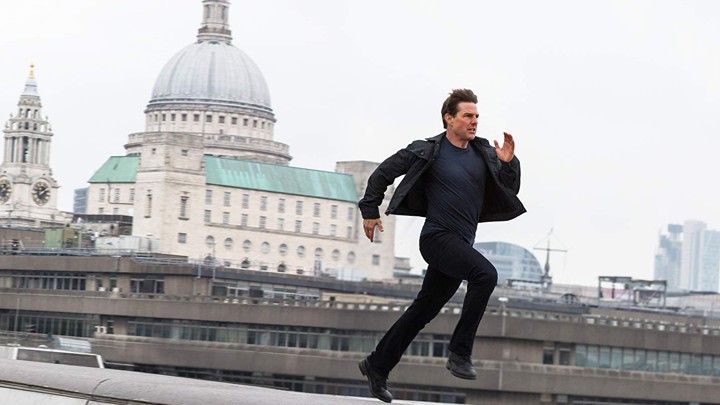
 The plot’s not all that much to bite into – there’s three mobile nukes on the loose in Europe and IMF agent Ethan Hunt (Cruise)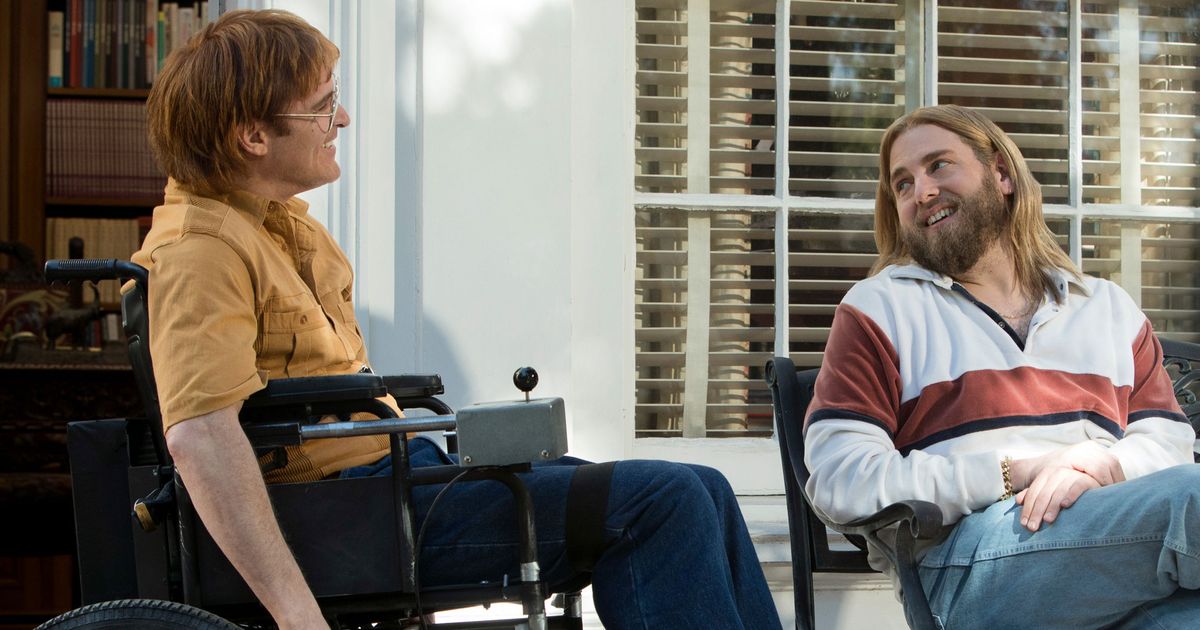
 “Don’t Worry, He Won’t Get Far on Foot,” isn’t a topical grabber; it’s a biopic about an esoteric satirist/sketch artist by the name of John Callahan who died in 2010 after spending most of his adult life in a wheelchair, paralyzed from the waist down after a car accident involving a drunken driver. The terrible catch there being that the car was Callahan’s, driven by another (Jack Black) because Callahan was too drunken to drive.
 For those of you who missed the cornerstone “Ant-Man” a scant few years back in 2015, you don’t need to back up and catch that less interesting flick before diving in. What you do need to know is that “Ant-Man” is part of the whole Marvel Universe run by Disney and that the hero known as Scott Lang (Paul Rudd) sans the suit, is serving the end of a two-year house detention mandated by the FBI for his participation in a fracas over in Germany, seen back in
  Early on, it’s pretty clear Will has military training and suffers form some form of PTSD or a similar condition. He’s a good dad, however, making sure Tom is well-educated (advanced for her age, a social worker later remarks) and he teaches her survival and avoidance skills. They’re good at evading and make occasional forays into the city (he gets his PTSD meds and resells them for cash), but eventually authorities catch up with Will – turns out he’s not the only recluse living in the state forest. As if on cue from our daily newsfeed, the sudden fear that Will and his daughter will be separated fills the screen. They are for a brief period, but thankfully Oregon family services show more compassion than the current regime in Washington and the two are set up in a nice cottage on a farm where Will is given a job. First thing Will does is to put the TV in the closet, and it’s not too long until he and Tom have packed up and headed back into the woods.
 As with all the “Jurassic” flicks, the action begins down in Costa Rica, at the theme park from the last chapter that’s been abandoned and overrun by rampaging dinos. The crisis du jour becomes increasing volcanic activity that threatens to “re-extinct” the “de-extinct” lizards (okay, birds). Congressional debate rages about saving them or not and, blessedly, Jeff Goldblum looms at the epicenter with rapturous logician metababble; then, just like that, the crew from the last “World” – the park overseer (Bryce Dallas Howard) and raptor wrangler (Chris Pratt) – are back as part of a conservation effort to get as many of the dinos as possible off the island and to a “sanctuary.”
 “Hotel Artemis” takes place in the near dystopian future, though it’s hard to get a full register of what that’s really like; similar to Wes Anderson’s
  For What it's Worth