Archive | Article RSS feed for this section

Road improvements are still hastened by deaths but slowed by resentments

16 Jun

A sticker posted at the scene of a June 7 traffic death in Cambridge’s Harvard Square.

Nearly 10 years ago, after cyclists Bernard Lavins and Amanda Phillips died within three months of each other, I wrote about the vulnerability of cyclists as road users and hoped to see lowered speed limits, fewer trucks in areas where cyclists and pedestrians were common and a shift from car-centric urban planning to equitable, safer-for-all streets. Much has changed. Cambridge’s Cycling Safety Ordinance went through, then-governor Charlie Baker enacted a “safe passing” law, Bluebike stations have blossomed around Greater Boston and e-bikes have made two wheels a more accessible alternative form of commuting for more people. Yet in that time, three more cyclists have been killed by trucks on Cambridge streets, including a 55-year-old woman June 7 at Mount Auburn and DeWolfe streets in Harvard Square; and lawsuits for a time sought to halt and reverse the CSO by returning the slim slivers of safe haven to trucks and other carbon-emitting vehicles – all as unchecked temperatures continue to rise globally. We are allegedly making progress, but trending backward and people are dying.

As a cyclist who’s been riding the streets of Cambridge and Boston some 4,000 miles a year for nearly 40 years, the need to bike defensively hasn’t changed much: There’s still a lack of deference to the safety of vulnerable street users by motor vehicles who don’t look for them, zipping past before making a hard right or blasting their horn because they don’t think they belong on the road.

Nearly all cyclists are multimodal – they also walk and drive – but most will tell you that when on a bike, they have to have their senses engaged more keenly. “Head on a swivel,” as many say. To put it another way, as a pedestrian you don’t regularly assume a car is going to come up on the sidewalk; in a car, if you have a green, you don’t yield for fear that another car will blast through a red and hit you, since you have the right of way. And in both scenarios you have a designated safe place in a sidewalk or a 2-ton encasement should any of that happen, unlikely as it is. On a bike, one ding and you’re out in the road and at the mercy of a six-seat SUV going twice your speed, with nothing to protect you.

This is documented easily by crash data from the state Department of Transportation and Cambridge police open portals. Over a 10-year period, six cyclists have died on our streets and 11 pedestrians; as a percent of population (approximately 105,000 and 9,000), bike riders are six times more likely to die via a motor vehicle strike than a pedestrian. More telling is that at least five of the six fatal crashes involved a truck.

Friday’s tragedy occurred shortly after the CSO took a blow in a recent City Council vote, with deadlines potentially extended in places unless the city laws are adjusted to find more car parking. But a bike-lane backlash has been going on for years – “They run red lights”; “They don’t wear helmets”; “Their bikes don’t have lights” – in addition to resentment over the loss of parking, with spaces for people with disabilities being the emotional ante often laid down. Reckless behavior is never acceptable, and cyclists can be their own best ambassadors by showing courtesy and respect to other road users; that said, motor vehicles pose the far bigger public risk and are the sole agent of road deaths. Meanwhile, in the recent makeover of Porter Square, when separated bike lanes were installed, the number of accessible parking spaces available more than doubled as part of the project.

An important aspect about that June 7 crash is that it happened where there were separated bike lanes. Whether the box truck made an illegal right (rights are allowed only on a green arrow) or the cyclist proceeded through a red light or some other factor was at play has yet to be determined. It may be some time before we know the results of an investigation, but one thing that should be considered in the interim is street design. This section of Mount Auburn is an opening-up point, which adds to its complexity. For traffic heading east on Mount Auburn, there are five traffic lights and three signs. That’s a lot to take in; if you sit at the intersection and observe for a few signal cycles, you will see confusion from users. And, of course, there are those who push through illegally. We try out traffic pattern designs to hopefully improve road safety, but must balance the needs of businesses and those who need to get around. It’s a challenge, and one with impacts.

The long and short is, traffic flows need to be simple and intuitive. Are cyclists from other states familiar with Boston bike signals, are the signals and signs at Mount Auburn and DeWolfe in the best location for each type of road user? These are nagging questions that should have been answered by post-installation use and review by those who came up with them, as well as those who enforce traffic. We’re a world-class city with revered universities that draw people from all corners of the globe; there are going to be new-to-Boston people in the streets every day. Our rotaries are infamous for their WTF factor to those newly entering Massachusetts; intersections in Harvard Square don’t need to be.

The victim, who hailed from Florida, was on a Bluebike, eliciting on social media boards sentiments that those who ride the rentals “don’t know what they’re doing.” Bluebikes are designed to be a simple walk-up-and-use transportation; it’s the violence of the streets that’s the real factor here, and we should acknowledge that. If we applied this same logic of “needing to know how to navigate the streets of Boston before getting on a bike” and extend it to cars, would anyone deplaning from Italy, the U.K. or Japan be able to rent a car at Logan?

The intersection will change. The city will act. The sad reality is that it took a life to do it. We’re one of three area cities with Boston and Somerville that have adopted Vision Zero goals – to eliminate traffic fatalities through engineering – but we’ve struggled to meet checkpoints. Potentially extending CSO deadlines only addles those efforts.

There is a sprig of hope, however, as on Monday the council gets a policy order asking the city to undertake a review of intersections where crashes have resulted in a serious injury. It’s a decade late, but something that could have real results. And getting measurable results is the only way to evaluate downstream efforts: ink is cheap, blood is not. Furthermore, as we become a denser city, we need to rethink how we use our streetscapes and who uses them. It’s not just about safety. It’s also about equity.

‘Hold,’ an installation suggesting enslavers’ ship, offers place for reflection in idyllic Radcliffe Yard

7 Jun

“Hold,” by Curry J. Hackett and Gabriel Jean-Paul Soomar, is installed in Radcliffe Yard near Harvard Square.

Idyllic Radcliffe Yard on Brattle Street in Harvard Square hosts rotating art exhibits in the cozy, verdant nook known as the Susan S. and Kenneth L. Wallach Garden. You know, those perfectly formed mounds of sand and gravel, the stately, tiered wooden walkway or perhaps the picturesque, grassy green knolls with wispy reeds reaching skyward. The Harvard Radcliffe Institute has held a biennial competition within the Harvard community since 2012 to produce and deliver these public installations.

This year’s winner, “Hold,” by Graduate School of Design students Curry J. Hackett and Gabriel Jean-Paul Soomar debuted before commencement ceremonies: an abstract rendering of a slave ship’s cargo hold. It may just be the institute’s most provocative installation to date, as it stirs the painful legacy of slavery in America and, more pointedly, at Harvard.

The 30-foot, U-shaped structure of wood and translucent plexiglass represents the nave or “hold” of a ship where those forcefully abducted from their native land, put in chains and separated from their families existed for long stretches under inhumane conditions – relative darkness and little food or water – as they were harried across the ocean and into the shackles of plantation enslavement. The rising wall on the Garden Street side of the installation is an evocation of the ship’s sail that caught the wind and drove the vessel.

The open, interactive design invites visitors to step inside the “Hold” and interact with history and the ripples of injustice across decades and centuries. “Sometimes when I go there I see a ruin. Other times I go there and I see a common,” Hackett said over coffee, reflecting on his own interactions with the piece.

Curry J. Hackett, left, and Gabriel Jean-Paul Soomar at the May 15 opening event for “Hold.”  

Hackett and Soomar didn’t come together so much because of a Harvard connection, but because Soomar’s mentor at the University of Miami knew of Hackett, who had taught design at Howard University and the University of Tennessee. The inspiration for “Hold,” Soomar said, came as the two sought to create “an inviting safe place for Black and brown people and others marginalized who might not otherwise have such a space at Harvard.”

“We wanted to bring forth narratives and histories and create a conversation,” Soomar said.

A key conceptual bonding point for the two and the design were the writings of professor Katherine McKittrick, a prominent feminist and activist at Canada’s Queen’s University. Most specifically, her essay on “Plantation Futures” and the notion of enclosure and the walling off of Black peoples. The walls that enclose here go beyond the hull of the ship, as there are other barriers that sequester and separate, be they redlining, disproportionate incarceration or inequity in educational opportunity – the list is long. Additionally, the Radcliffe Institute, an interdisciplinary academic research center with a focus on issues of race and gender, invited applicants to propose topics and themes that might be related to “Harvard & the Legacy of Slavery” report released in 2022 during the tenure of president Lawrence Bacow.

“Hold” is a multimedia experience. An audio component that enriches the sense of immersion is slated to change over the exhibit’s two-year tenure but now plays “A Baptism Story” – a bit of “personal oral history” as Hackett describes it. If you plug in your earbuds and scan the barcode on the plaque, you hear a soundscape Hackett recorded around Boston and the banks of the Charles River – the repetitive clanging of a pile driver at a construction site, the rustle of reeds and pronounced splashing of water – mixed with a looped phone conversation between Hackett and his mother recalling her baptism in rural Virginia and singing a few bars of a hymn.

The recording is meant to evoke spirituality and sensation, Hackett said, though much of the conversation is obfuscated by other sounds to protect the privacy between mother and son while conveying the essence of their relationship and bond. If you go at sunset, there are weatherproof speakers embedded in the ground around “Hold” that play the nearly 15-minute track. “It’s like you’re in the middle of a conversation,” Hackett said. The site-projected audio is far more affecting and immersive than the streamable alternative. Like a good Dolby system, you hear sounds in the aural fore and some that are faraway; from the splashes, you can practically feel your feet in the water. There’s also a track of chimes that play at 11 a.m. Sunday, the time many Black churches schedule services.

The soundscape for “Hold” will play on holidays such as Juneteenth, Martin Luther King Jr. Day and Independence Day.

A new soundscape is expected every three months. Next up, Soomar, who was born in Miami and raised in Trinidad and Florida, will bring a collage of celebratory sounds from diasporic carnivals in Trinidad, London, Boston and Nigeria. “It’ll be like going from one room to another with different music,” Soomar said. From there, Hackett and Soomar, graduates from the School of Design as of May, will curate additional soundscapes, working with Radcliffe staff to draw from the Harvard community.

The ongoing process also provides an opportunity for Hackett and Soomar to reconnect with their creation. The hope is to have other events – community gatherings and perhaps panel talks, Hackett said.

Hackett, who has a design consultancy, is looking to return to the classroom, though where is still to be decided. Soomar will teach this summer at the Arts for Learning program in Miami and will likely launch his own consultancy.

The Radcliffe selection process was something of a sojourn of endurance. Hackett and Soomar submitted their initial design sketches and concept overview early in 2023 and were told that March they were one of five shortlisted entries. They submitted a prototype of their design and in June 2023 found they’d won. It was “fulfilling and humbling,” Soomar said.

As a result of the “Legacy of Slavery” report, the Bacow administration pledged $100 million to redress the stain of slavery in the university’s past, including a public memorial acknowledging the use of enslaved people to build and operate the school. Last week the memorial committee heads, English professor Tracy K. Smith and Carpenter Center director Dan I. Byers, resigned, citing pressures to rush the project. The timeline for the memorial is still unknown, though 2027 was an early goal. In the interim there is “Hold.”

The bike bus rolls on each Friday in Cambridge, but a recent kids’ ride was more like a parade

23 May

By Tom Meek

Saturday, May 18, 2024

Darren Buck leads a bike bus in Cambridge on Friday.

The Peabody/Rindge Avenue Upper School bike bus is about to notch its second anniversary. It launched at the end of June 2022, just as Cambridge was emerging from pandemic lockdowns and shut-ins, and has operated nearly every Friday of the academic calendar since.

A bike bus is a parent-chaperoned group of children who ride to school together. There’s safety in numbers that provide visibility and street presence, and participants get a low-stress, fresh-air outing. The Peabody/RAUS group led by parents Katherine Beaty and Darren Buck is one of nine bike bus initiatives in Greater Boston and the only one in Cambridge. There are three in Somerville.

Beaty started the bike bus because being a bike advocate in the more traditional, political sense had become taxing, she said, noting its meetings, campaigns, emails and follow-ups yielding little immediate result or much joy. “I wanted to do something that would bring me joy and get my kids to school,” she said, speaking before a bike bus presentation she and Buck gave Wednesday as part of the Streetwise lecture series at the Aeronaut Brewery. Buck, who works in transportation policy, was in the midst of scouting cities to relocate his family to and happened to encounter Beaty leading a group of kids on bike. He knew immediately Cambridge was the place to land, he said.

One of the leading proponents for the bike bus movement is “Coach” Sam Balto, a Portland, Oregon, physical education educator who taught at the David A. Ellis School in Roxbury. He’s also a self-described tactical urbanist – activists such as those in Critical Mass or the Boston Bike Party who take a physical approach and might spray paint bike lanes on a street in the middle of the night. When in Boston, Balto used to place cardboard cutouts of Tom Brady around the Ellis school to get cars to slow down. Beaty referred to him as her “guru.”

A May 8 ride in recognition of National Walk, Bike and Roll to School Day included performers from the School of Honk.

In their Streetwise presentation, Beaty and Buck outlined the three steps necessary for a successful bike bus. First is finding a calm, safe route to the destination, probably less-trafficked side streets; there’s an engagement component of reaching out to the community, other parents and the school administration; the most critical part is to have fun. For a May 8 recognition of the National Walk, Bike and Roll to School Day, the Peabody/RAUC bike bus was accompanied by members of School of Honk, who performed while rolling along. Vice mayor Marc McGovern spoke and rode with the group. Beaty said the caravan had more than 130 riders.

For this past Friday’s regular ride, which I attended, revered Boston institution Keytar Bear was supposed to join but was unable to make it because off traffic issues, promising to accompany a future date instead. This time there was approximately 40 riders, which Beaty said was typical; drop-off in the winter is not significant, she said, though some rides have to be canceled when there’s ice or heavy snow or rain.

The route that Beaty and Buck lead begins at Russell Field near the Alewife T station, with organizers first gathering riders from the Fresh Pond Apartments on Rindge Avenue. Beside parents who serve as ride marshals, there are volunteers from the Cambridge Bike Safety Group who help make sure intersections are safe to proceed through and block traffic as necessary. The right, safer route in this case includes Dudley and Reed streets, some of it parallel to the busier avenue where the school is. Students of all ages participate, with some riding with parents in e-assisted cargo bikes, some kicking along on balance bikes and others doing their own two-wheel propulsion. The communal joy of the activity is palpable, and an apt flourish to the end the week. Most people the bike bus passes cheer and wave, Beaty and another Bike Safety volunteer said. You can often see on the faces of onlookers the effect of a parade of second-graders gliding by.

The Peabody bike bus works only for the commute to school, not from, because of varying after-school schedules and one-way streets that prevent a calm and safe path back to Russell Field. Many parents bike their kids home on the sidewalk, or load their bicycles into their car or the hold of a cargo bike. Organizers are asking the city to designate certain streets as a Neighborway, as they are doing in Somerville.

Beaty said she would love to see more bike buses, but cannot be in two places at once – and she and Buck live close to Russell Field. Their children won’t be at Peabody forever, either, and Beaty, a Harvard library employee, will be on a research sabbatical in Rome next year. The hope is that others will step up. Given the group’s energy and levels of participation, that might not be a problem.

Businesses can bring in the bicycling crowd, one $5 lifetime helmet sticker at a time

27 Apr

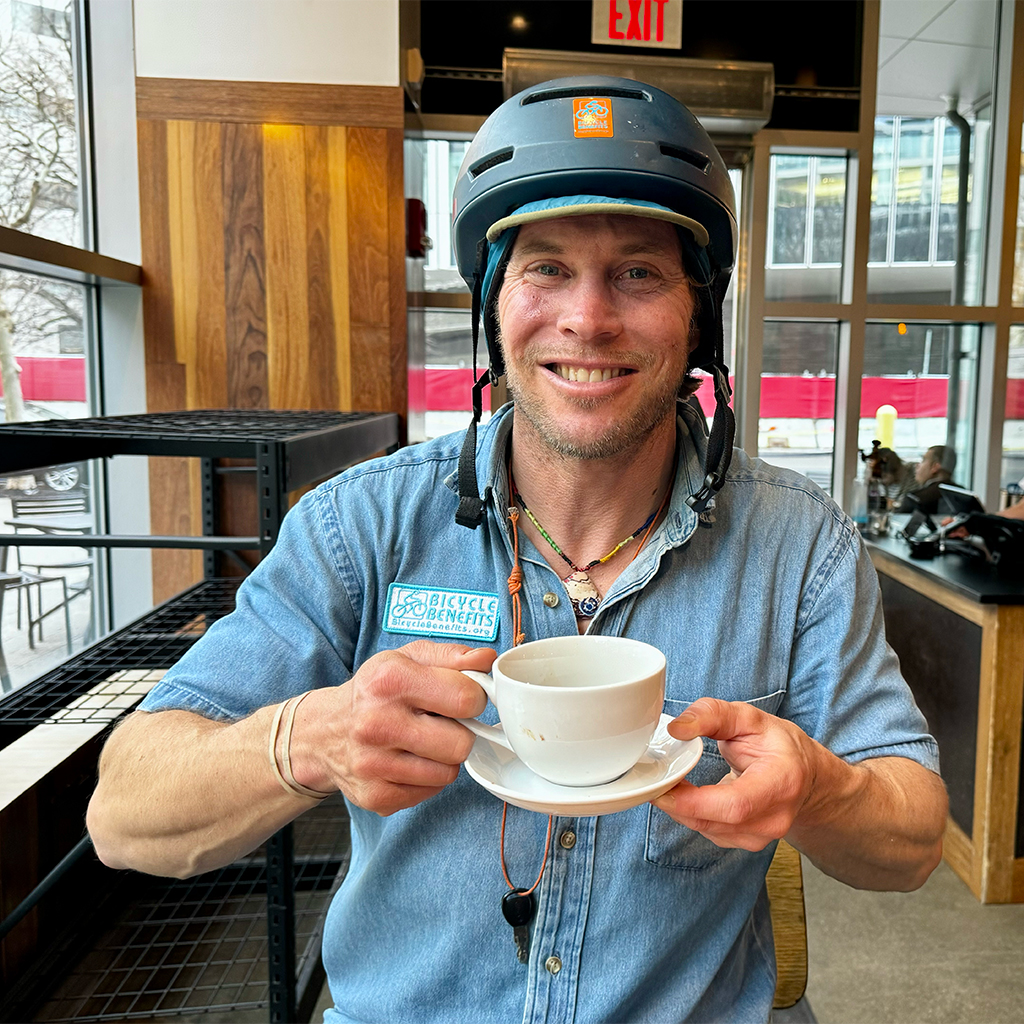
Bicycle Benefits founder Ian Klepetar takes advantage of a discount at Cambridge’s Area Four eatery unlocked with the sticker on his helmet.

Remember those $5 Bicycle Benefits stickers? They gave you deals such as 5 percent off at Petsi Pies if you showed a bike helmet at the cash register with the right sticker affixed to it.

They’re still around (so is Petsi Pies, now under new ownership and crushing it on Beacon Street in Somerville) but undergoing a relaunch of sorts in preparation for Bike Month in May.

Bicycle Benefits launched in 2007 in Saratoga Springs, New York – the hometown of sometime Somervillian Ian Klepetar – but a Greater Boston campaign arrived in 2008 to give people an exclusive financial incentive to get on bikes and out of cars. “We live in a culture which prioritizes an auto-focused existence despite the destructive nature of automobile travel,” Klepetar said. “Most people have access to a bicycle, yet often need a little extra nudge to ride it.”

There are approximately 40 cities in the United States with a Bicycle Benefits program. Part of the reason the program is being rebooted by Klepetar and his all-volunteer crew is the damage done by the Covid pandemic to the restaurant industry, which is a large sector of the businesses participating in Bicycle Benefits.

Before Covid, the program had about 40 partners in the Cambridge-Somerville area, Klepetar said. It is currently at 60, and he hopes to have that number at 100 by the end of the summer. Many of the businesses that participate in the program sell the stickers.

The program has a online map that makes it easy to look up partners in a city or by postal code and filter choices by business type – hardware store, bike shop, cafe, bar, restaurant, and so on. Some current deals Klepetar highlighted are a free coffee with the purchase of a pastry at the Area Four eatery (a discount he took advantage of while we met) and 10 percent off purchases at American Flatbreads in Somerville’s Davis Square.

Most participating businesses are local and independent, but there are nationwide chains – Ace Hardware and Whole Foods, for instance, which offers a $5 gift card for every $50 purchase at its grocery store on Beacon Street in Somerville.

Klepetar, who makes his living through maintenance and gardener gigs – and during the winters works at a ski resort in Utah – remains committed to the cause. When he went from Boston to Madison, Wisconsin, to launch a program there, he rode his bike the whole way.

“A lot of how we get around is within our control,” he said.

The website and other operating expenses for the program are paid out of income from people buying the $5 stickers – pretty much a one-time, lifetime purchase. When I told Klepetar I had three helmets and laid down my fiver, he gave me three stickers.

Chemicals from Rite-Way’s on-site dry cleaning have contaminated the ground and potential sale

27 Apr

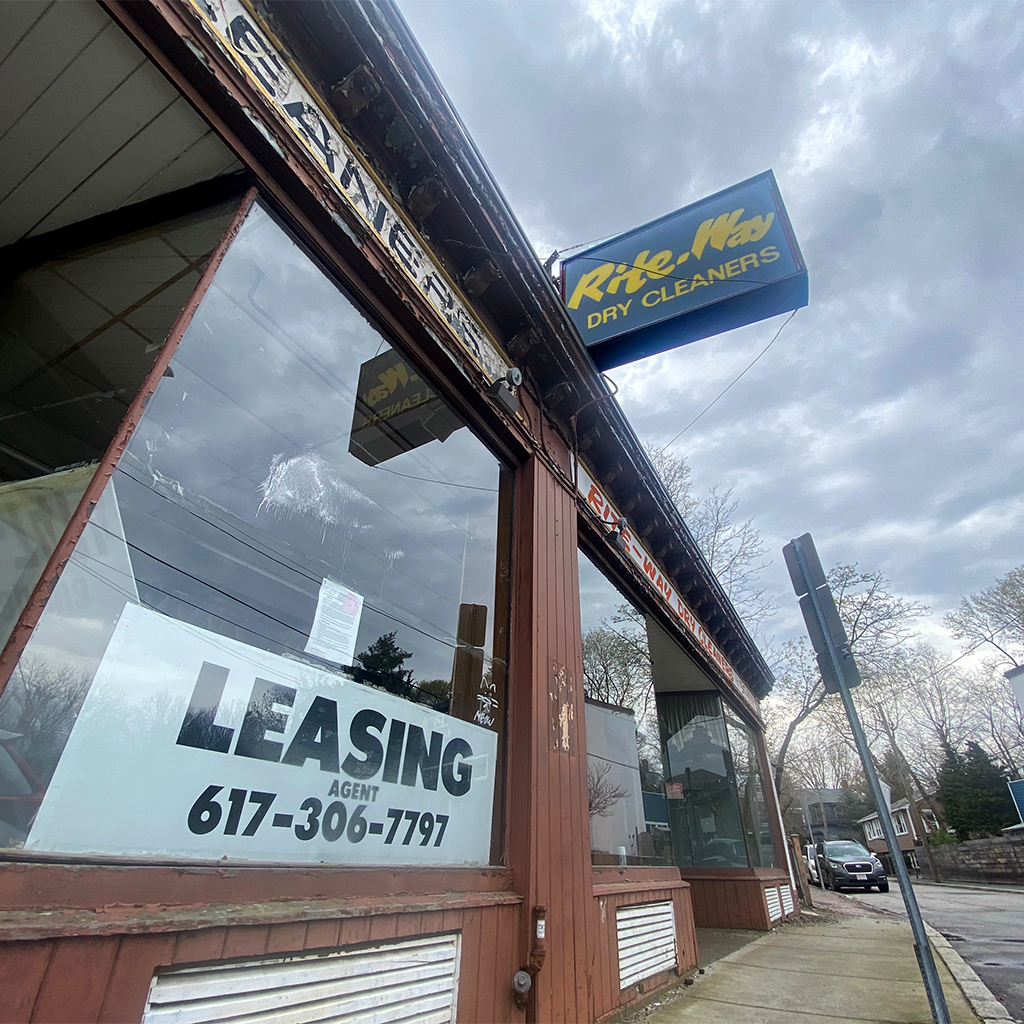
The empty former Rite-Way Dry Cleaners on Hudson Street in Cambridge’s Neighborhood 9 on Saturday.

Levels of contamination at the empty former Rite-Way Dry Cleaners are “high” and nearly unprecedented in their complexity in the experience of a 28-year environmental expert who talked with neighbors at a Thursday meeting.

A best-case scenario for remediation would be to demolish or do significant reconstruction of the structure, which would allow direct access for removal of contaminated soil under the building at 4 Hudson St. in the North Commons neighborhood of Neighborhood 9, said Daniel G. Jaffe of Environmental Properties, a firm in Newton.

The meeting was held as part of a state Department Environmental Protection public involvement plan required by the petition of concerned residents, mostly those living on lower Bowdoin Street and the abutting property of 3-5 Shepard St. At the meeting held at the Cambridge Main Library, illustrations from Jaffe showed a potential plume of impact ranging from Hudson Street down Massachusetts Avenue to south of Marathon Sports.

The Rite-Way structure was built in 1925 and has hosted a dry cleaning business from the 1960s until Rite-Way shuttered in the first half of 2018, according to documents prepared for the site’s owner, Nathaniel Swartz of Tennessee, and filed with the state. The building is technically part of a 1670-1672 Massachusetts Ave. parcel that also houses Floyd’s Barbershop and Wrapro Falafel & Grill, all owned by Irving Swartz until his death in 2006 and now handled by trustees, according to documents filed at the Middlesex Registry of Deeds.

When Rite-Way was in business, it was a point of pride for owner Babu Patel that his was “the only dry cleaner in the area who cleans clothes on-premises,” he told the publication American Drycleaner in 2014. “That means I can control quality as well as garment flow.” But it’s turned into a headache for Swartz’ trust, because suspected contamination makes a sale or leasing complicated. Under law, the owners of the property do not have to remediate contamination to sell, but they do have to disclose the contamination to a buyer, and it’s harder to finance purchase of a contaminated site and to insure it.

The property is represented by realtor Roy Papalia of Belmont, who said he’s had 4 Hudson St. on and off the market several times over the past half-dozen years. In a recent go-around, the trust decided to have the site tested, he said. (Nathaniel Swartz was reached by phone Friday evening  but deferred questions to an attorney.)

Venting contaminants

Documents filed with the state in 2022 by Jaffe referred back to testing as early as 2017, before Rite-Way closed. Contamination reports on the Massachusetts Office of Energy & Environmental Affairs website show significant quantities of tetrachloroethylene and trichloroethylene, chemicals used in dry cleaning that have been linked to liver, cervix and lymphatic system cancer.

Jaffe has tested air and soil in eight potentially affected buildings and installed in Floyd’s, Wrapro and the former Rite-Way what are called sub-slab depressurization systems – airtight PVC pipe systems that pump toxic vapors from under the building and vent them into the outside air. They are not final remediation solutions, but make human living areas safer and habitable until such measures can be accomplished.

It was the installations of these systems last year that upset neighbors in the two- and three-story structures around the single-story former Rite-Way, because the pipes’ mouths were not equipped with filters. Jaffe assured attendees at the Thursday meeting that the air being released is tested regularly and not a public health threat, with toxins below hazardous levels. Residents of 3-5 Shepard St. pushed back, citing their experience during a 2016 dispute with the owner of a restaurant called Shepard (in the space that now houses Moëca) when smoke from the restaurant’s wood-grill oven blew into their homes because of wind coming off Massachusetts Avenue and over one-story structures such as the restaurant and Rite-Way.

The systems essentially provide clean healthy environments for the trust’s tenants while releasing unhealthy air into the larger community, resident Bhupesh Patel said after the meeting.

Remediation planning

The best way to remediate is to remove the contaminated soil, but the multiple buildings involved in a dense urban area present logistical issues. Jaffe said microbes could be injected into the soil to break down the toxins, but that process takes longer and can also expand the borders of the contamination. Similar if lesser contamination once found at 1615 Massachusetts Ave., a site owned by Harvard, was remediated easily because a building was razed and the contaminated soil removed, Jaffe said.

The final version of the PIP is due June 7 with a public feedback period.

Deb Zucker, a resident at 3 Shepard St., said she was unaware of the contamination until her building got a request to have testing done on the property. It was the residents who then filed Dec. 23 with the state to get Rite-Way designated as public involvement plan site, which compelled the public informational meeting and interviews with the residents and state and local officials.

No representative from the state DEP attended the Thursday meeting; the office was contacted for comment Friday by email but did not immediately reply. State Rep. Marjorie Decker’s office sent a representative Thursday to better understand the situation.

“Nobody knows what’s going on,” said one Shepard Street resident. “There is no trust.”

The Best Films of 2023

26 Dec

2023 was a quietly powerful year at the movies. It marked the return of the sharply observant auteur, Jonathan Glazer after nearly a decade away since his beguiling sci-fi effort “Under the Skin.” Sure, we had the bofo ado over “Barbenheimer,” but anything for a headline and marketing promotion, right? I deeply appreciated “Barbie” and its pink ambition, but it didn’t crack my top 20. Of my top 10, five are International (Non-English) and three are documentaries—it was a very strong year for docs. Also, if you’ve never heard of the German actress Sandra Hüller, learn about her quick as she dominates the top of this year’s list, and whose name is destined to be called during award nods.

1.       Anatomy of a Fall

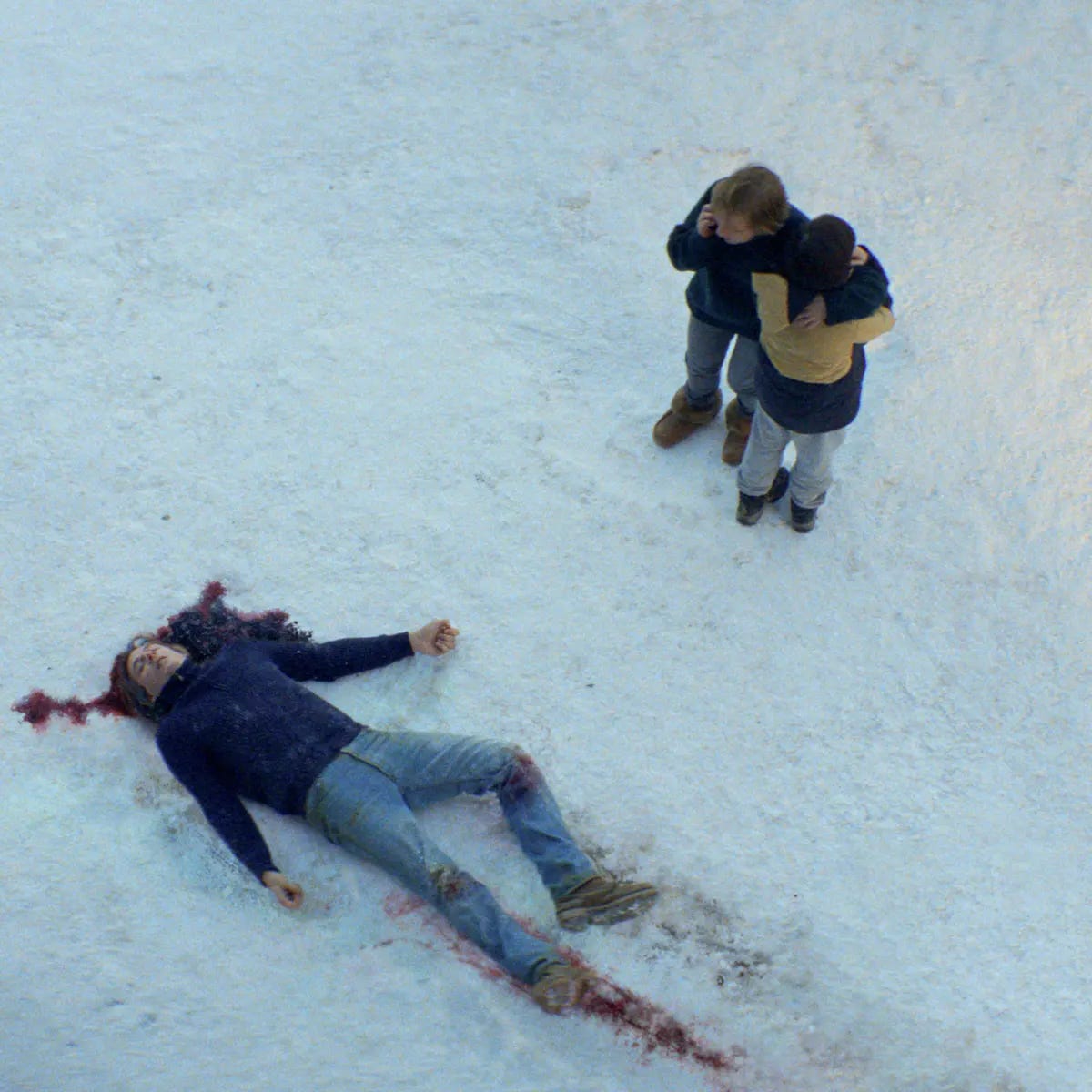
Justine Triet’s “Anatomy of a Fall,” winner of the Palme d’Or at Cannes, dissects the slow, vicious implosion of a marriage. The reasons why are the usual suspects: grief, blame and jealousy. But there’s little else usual about Triet’s emotionally eviscerating narrative, which begins with the death of one spouse and, in carefully curated frames, rewinds as the survivor is put on trial for murder. The performance by Sandra Hüller as a revered German writer living in the remote highs of the French Alps and then subjected to character dissection in the courtroom, is immersive, fully felt and the reason the film rivets from opening to closing frame. Between her work here and “Zone of Interest” Hüller could see her name called twice when Oscar nominations are announced.

2.       Zone of Interest

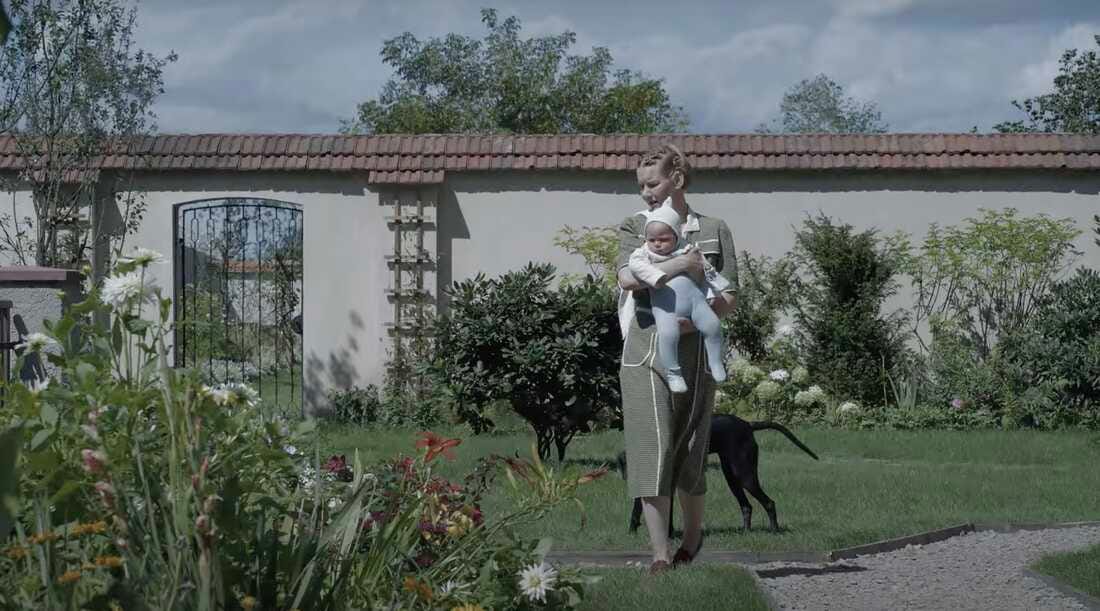
It’s been ten years since Jonathan Glazer last enchanted us with Scarlett Johansson as an otherworldly temptress in “Under the Skin,” driven by Mica Levi’s intoxicating and mood setting score. Interestingly “Zone” is a Holocaust film, which most would likely think, we’ve already done it to the point that there’s no new way to spin it to open one’s eyes anew. The answer is wrong. In this brave and unflinching adaptation of the Martin Amis novel (the writer passed earlier his year before the movie’s premier) Glazer replaces Amis’s fictionalized overseers of Auschwitz, dialing in tight on real-life camp commandant Rudolf Höss (Christian Friedel), his family (Sandra Hüller as his wife Hedwig) and their daily lives. You never really glimmer the inner workings of the diabolical Nazi machinery, instead you sit with the Höss’s as they dine and school their children in a well-manicured bungalow in the shadow of a high wall. Every now and then you hear a muffled wail, or the distant shots of gunfire—background noise that unnerves us the viewer as we drink in the complacency of a society willfully enlisted to undertake one of the most sinister acts of hate ever entered into the history books. Friedel and Hüller are flawless, and Levi again serves up a score that adds layers to deep moments unfurling onscreen.

3.       You Hurt My Feelings

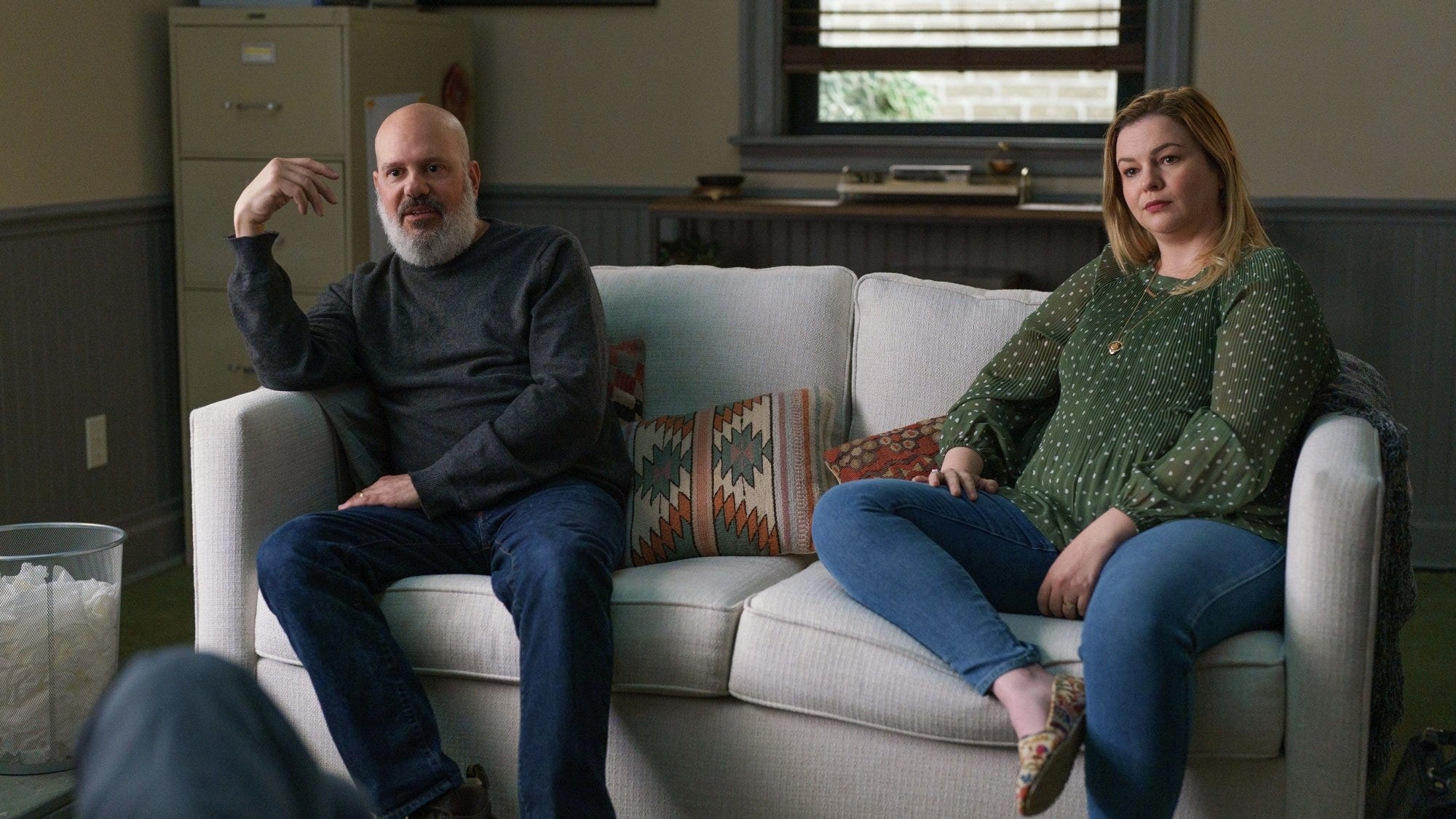
Indie writer-director Nicole Holofcener, the force behind such insightful dramadies as “Friends with Money” (2006) and “Lovely & Amazing” (2001), reunites with Julia Louis-Dreyfus (the pair worked on “Enough Said” back in 2013) for this barbed gem about the tender balance between  brutal honesty and obligatory, loving support when Louis-Dreyfus’s Beth, a struggling novelist, overhears her husband Don (Tobias Menzies), tell his brother-in-law Mark (Arian Moayed, “Succession”) that he does not like Beth’s latest that’s still looking to catch on with her publisher. To her face, however Don tells her he likes it and thus a simple, but nagging conundrum ensues:does Beth confront Don or not? The sharp script moves in unexpected ways as Beth’s self-esteem is chipped away at by her publishers and her students in the classroom she commands. The bits with Don, a therapist with some of his own mounting professional woes, challenged by some of his clients including real-life wife and husband Amber Tamblyn and David Cross playing a miserable married couple, makes for dark, bristling hilarity. And as much as you laugh, the nuggets of revelation onscreen serve as a mirror to look uncomfortably inward.

4.       The Holdovers

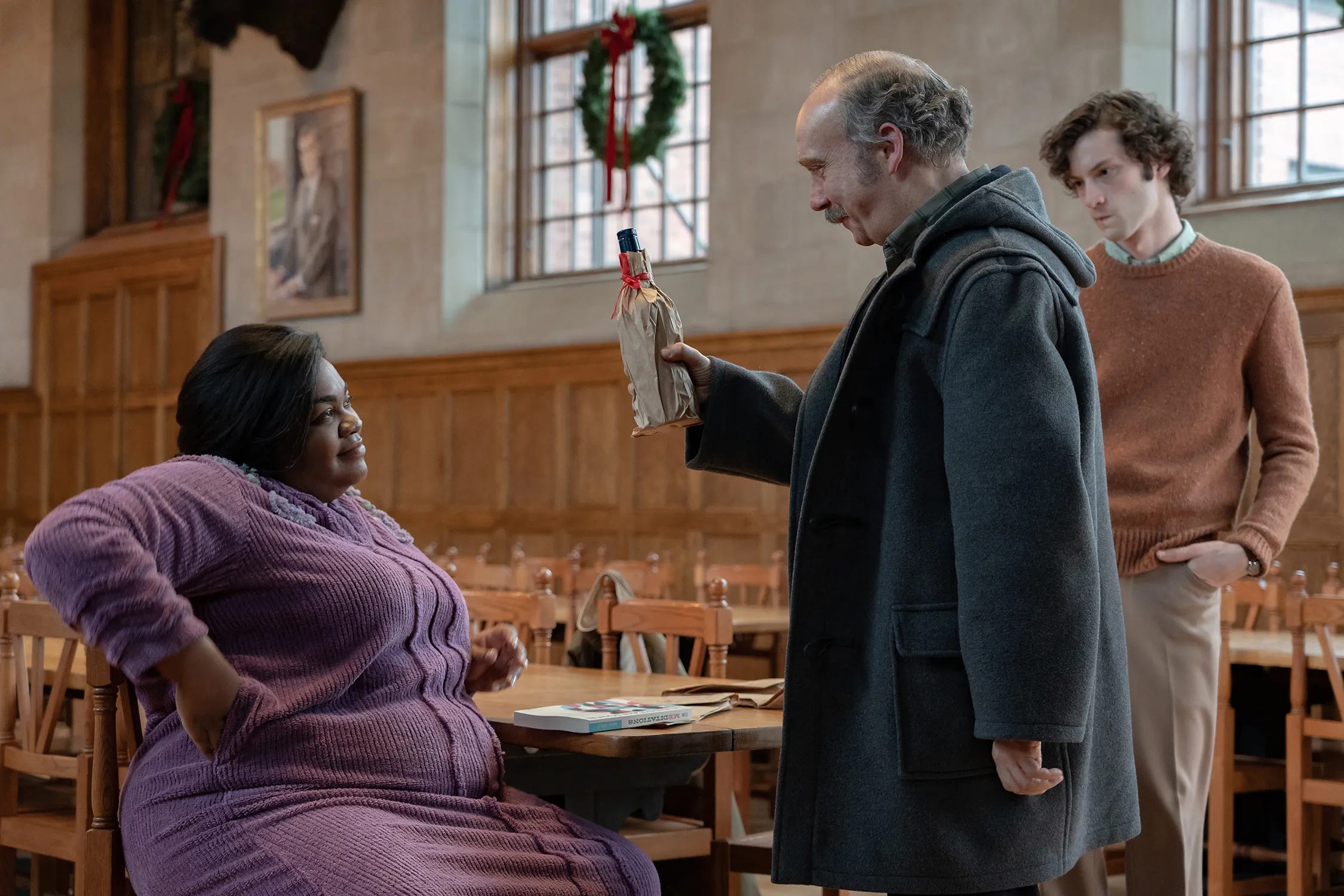
The latest from Alexander Payne (“Sideways,” “Citizen Ruth”), set at an all-boy, New England prep school in the early 1970s, bears the distinct tang of J.D. Salinger, not to mention Wes Anderson’s “Rushmore” (1998) as it homes in on the loneliness of the disenfranchised among the entitled elite. The setup’s fairly straightforward: Paul Hunham (Paul Giamatti), a gruff, unapologetic Western Civ. professor, is the faculty member who’s drawn the short-straw assignment of looking after the “holdovers” for Christmas break at a fictional New England preparatory called Barton. Joining Hunham and the five boys is school cook Mary Lamb (Da’Vine Joy Randolph, divine and scene-stealing) a Black woman who spends much of her time – even when cooking – drinking and smoking to hold down the grief of having just lost her only child, a Barton grad (the only non-caucasian we know to attend the school besides one Korean boy) killed in the Vietnam War. The film comes down to the human connection between the cantankerous Hunham and last lingering holdover, Angus Tully (Dominic Sessa, deep and winning in his big screen debut) as past skeletons come to the fore and human connections are the only means of redemption.

5.       Oppenheimer

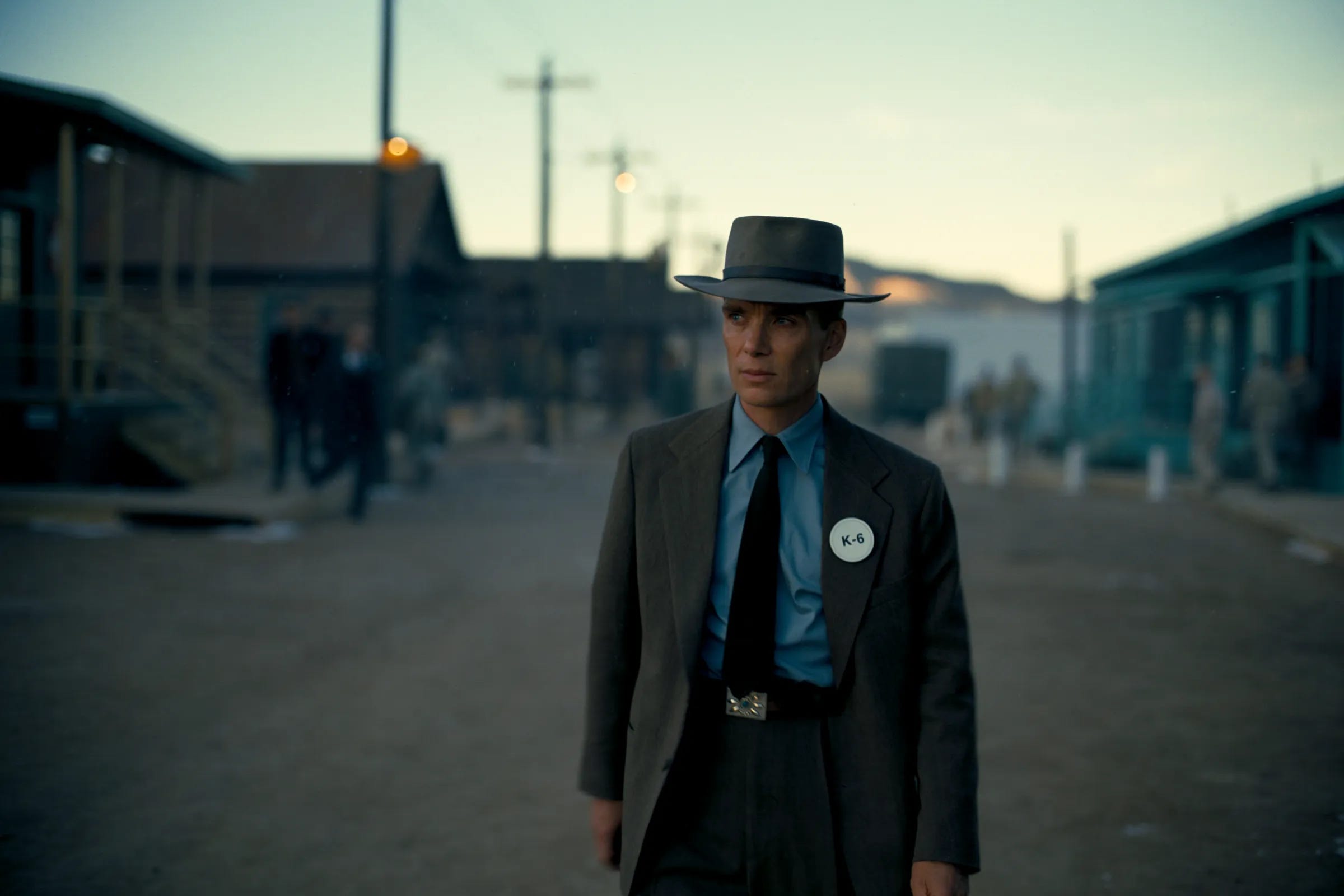
Christopher Nolan’s grand bio-pic plays loyally to its roots, the 2005 biography “American Prometheus: The Triumph and Tragedy of J. Robert Oppenheimer” by Kai Bird and Martin Sherwin, as both embrace Oppenheimer (“the father of the atomic bomb”) as a committed yet complicated man, caught at many crossroads: the morality of mass destruction, the dirty politics of Cold War paranoia as well as many messy personal relationships. As Oppenheimer, frequent Nolan collaborator Cillian Murphy portrays the scientist as a reserved, buttoned-up sort with a kind, demurring affect. He’s charismatic and approachable, with piercing blues and a gaunt sheen clearly deepened for the part, and Oppie’s signature wide-brim porkpie fedora goes a long way to cement the image. It’s a bravura performance that rightly sends Murphy, best known for the series “Peaky Blinders” and Danny Boyle’s  “28 Days Later” (2002), to the fore after many years of almost getting there. He feels custom minted for the part. How Nolan pulls it all together is interesting in how much you see – or don’t – of the actual use of the atomic bomb and the devastation it had on Hiroshima and Nagasaki (though it’s in the corner of every frame) versus the high of the Trinity experiment at Los Alamos (well-orchestrated cinematically) and chaotic proceedings in the rooms and halls of government. Ever meticulous, Nolan also does a masterful job of gathering subthreads and small gestures and weaving them into surprising and disparate places with subtle poetic panache that doesn’t scream, “Did you just see what I did there?”

6.       Killers of the Flower Moon

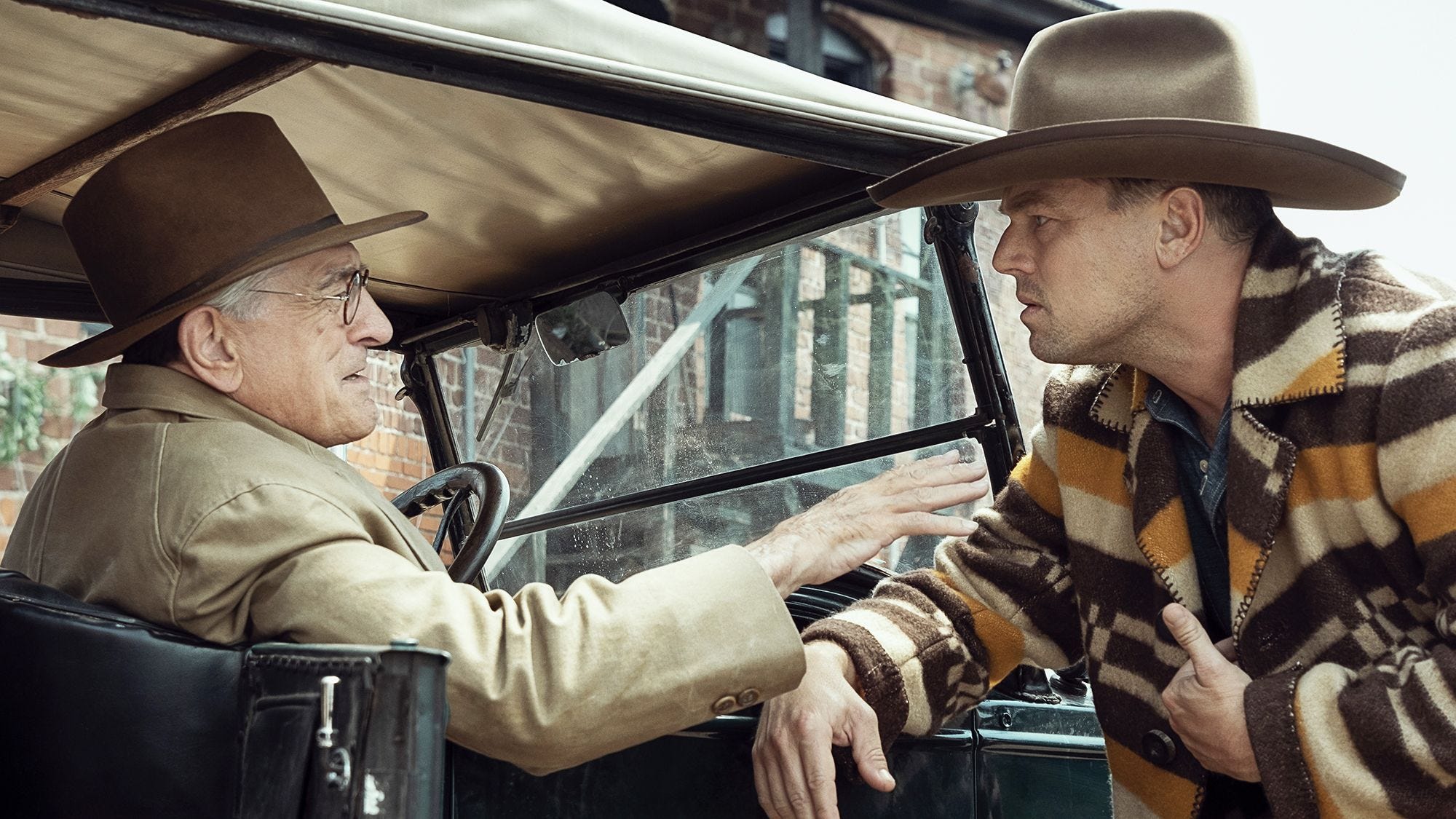
Working from journalist David Grann’s 2017 real-life account with the additional tag “The Osage Murders and the Birth of the FBI,” there’s much in Martin Scorsese’s film that leverages the director’s mean-streets, gangland roots and much that unfurls, that if not stated as nonfiction, would otherwise be hard to believe. Set on an Osage reservation post-World War I, “Killers of the Flower Moon” has the grand, neo-western feel of Michael Cimino’s “Heaven’s Gate” (1980) and even Sergio Leone’s “Once Upon a Time in the West” (1968) as Leonardo DiCaprio’s Ernest Burkhart, returning from the war (a cook, not a soldier, because he has a weak stomach) steps off a train in Fairfax, Oklahoma, and through nefarious opportunistic schemes orchestrated by Burkhart’s business man uncle William “King” Hale (Robert De Niro), making the bulk of his wealth off the Osage who have conditional oil rights, marries an Osage woman (Lily Gladstone who hold court with Oscar winners DiCaprio and De Niro) to bilk her of assets. The insidious ripples of colonialism and false sense of human respect and equality are put on full display; a must see for those who cling to the tenets and practices of American expansionism.

7.       Geographies of Solitude

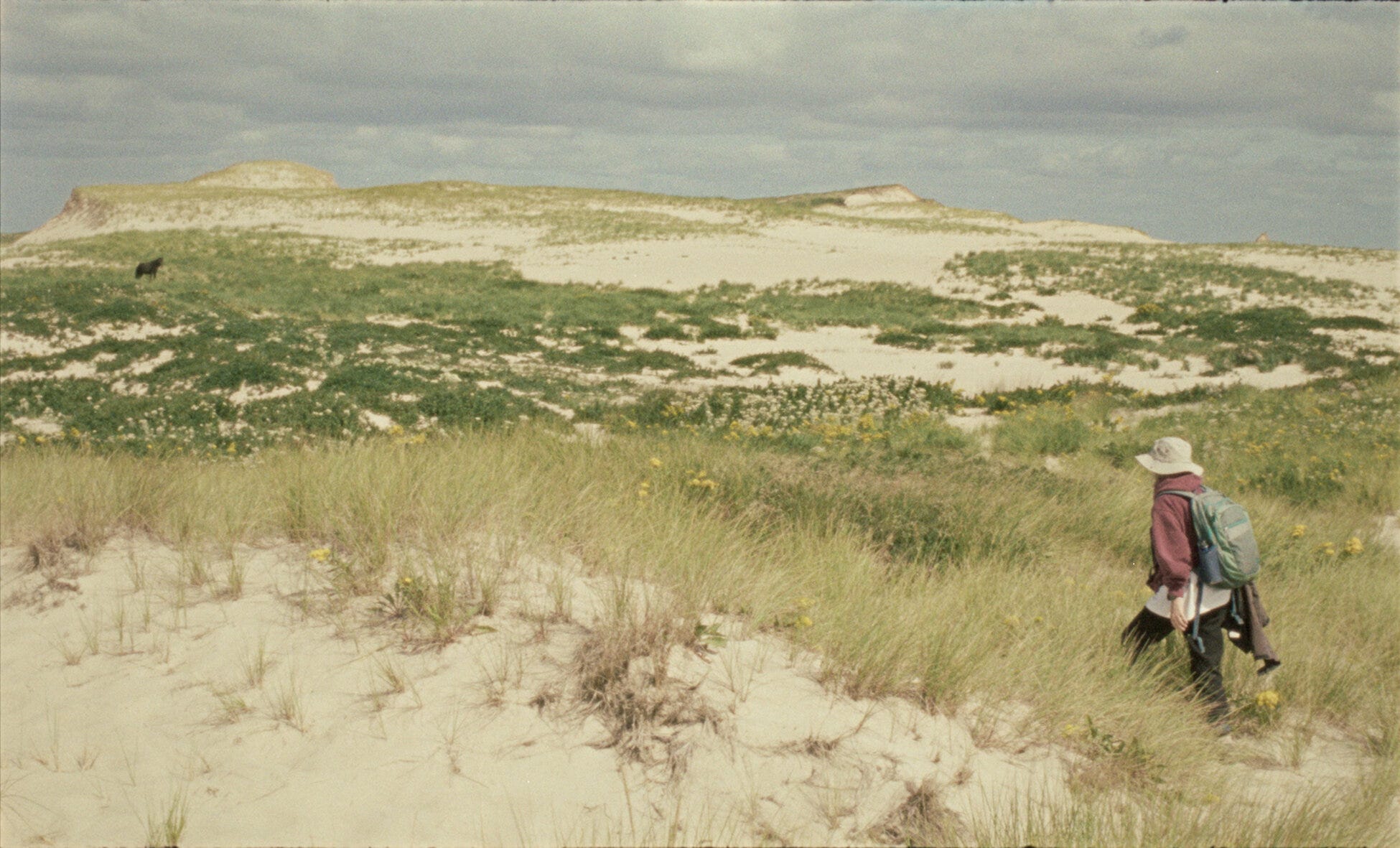
Jacquelyn Mills’s arresting documentary in one long, riveting contemplation on nature, loneliness, and commitment. The film depicts Sable Island a harsh stretch of land 100 miles off the coast of Nova Scotia as it follows the island’s only resident, Zoe Lucas who’s been there since the early 1970s studying the niche ecosystem where only horses, seals and insects thrive. The use of archival footage (Jacques Cousteau makes a visit via helicopter) and Lucas still going about her business in the now (cataloging the horses and tracking plastic pollution around the globe) is woven together as a medication that invites you onto the island in an observant, intimate way.

8.       20 Days in Mariupol

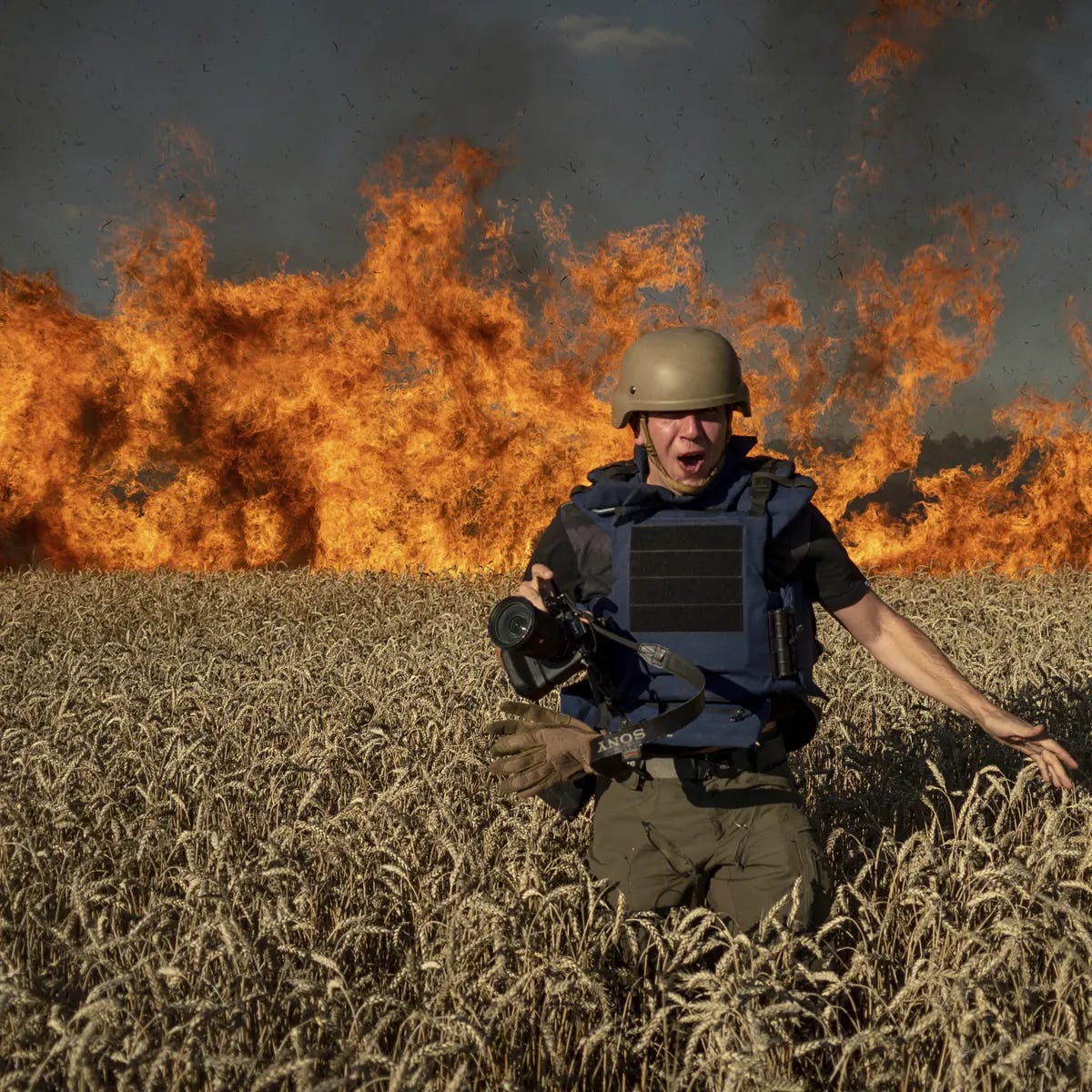
When Russia invaded the Ukraine in February of 2021 Associated Press video journalist Mstyslav Chernov was imbedded at a hospital in the port city of Mariupol. What Chernov endures and witnesses is the early part of the siege where residents trying to go about their daily lives are caught up in something they can’t quite comprehend. As Chernov weaves his way around the city with his crew it becomes evident too that he must leave, but most venues have been shut down. It’s a harrowing boots on the ground view into the wanton incursion that still pervades today.

9.       Menus-Plaisirs – Les Troisgros

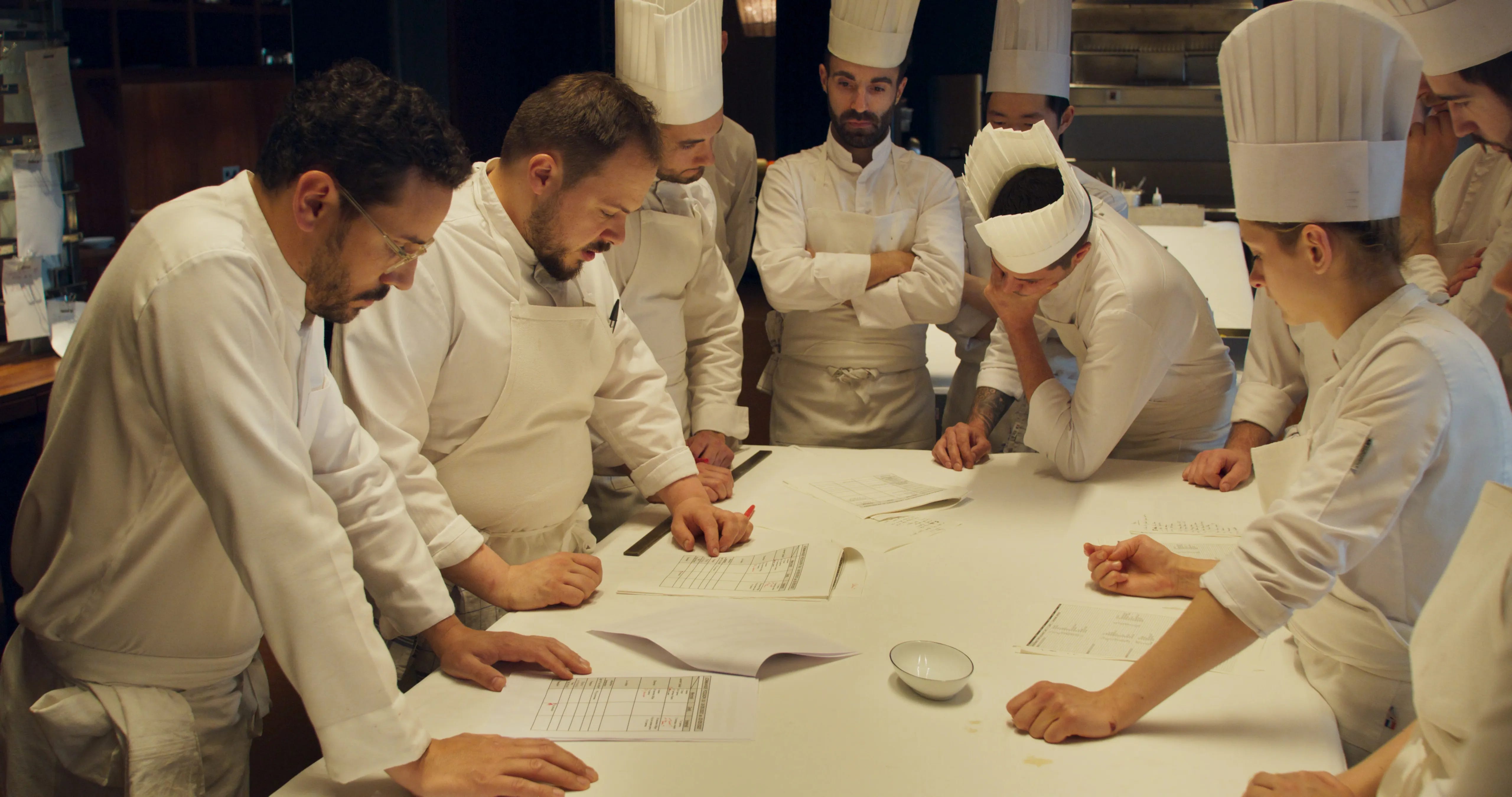
Loosely translated “The Menu” and nothing to do with last year’s elite dinner party turned torture fest. At the young age of 90, local documentarian Fred Wiseman (“Titicut Follies”) shows no signs of slowing down with this lens turn on Troisgros family, who run the Michelin 3-star restaurant La Maison Troisgros in Central France.  At four hours, the running time may give you pause, but Wiseman, a master of fly-on-the-wall observation, captures all the right moments, head chefs planning meals, the quality control selection of ingredients and the ballet of orchestration in the kitchen when it’s showtime. Reality TV cooking show this is not, it’s authentically more real, there’s no stitched together narrative for pomp and hype, just careful attention, arduous repetition, the hard work and the dish assembly collaborations that bring a world class meal to mouths expectant diners’ palates.  

10.   Taste of Things

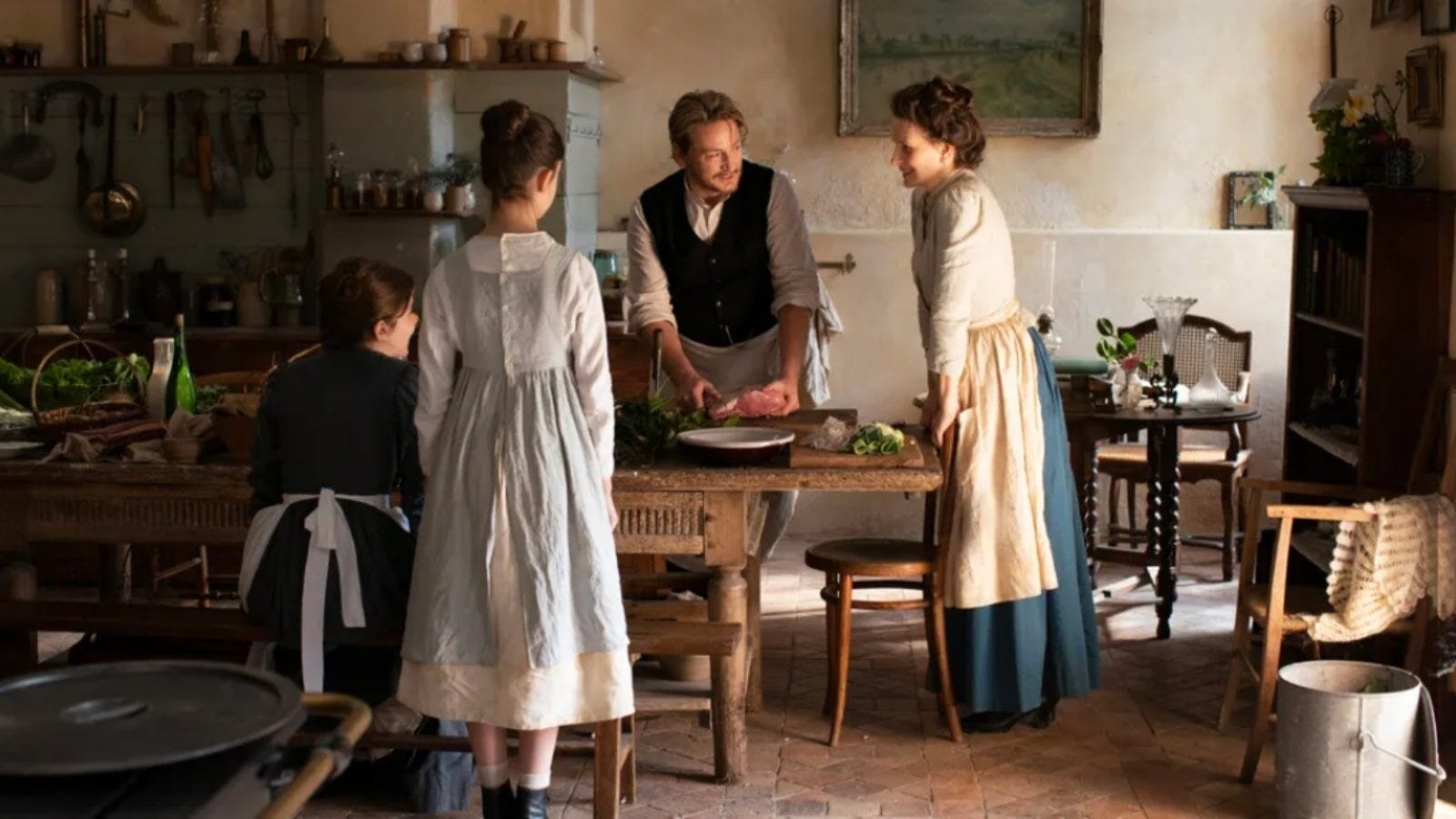
Keeping with all things culinary is this visually scrumptious feast from Tran Anh Hung (“Scent of Green Papaya,” “Cyclo”), a keen observer of human longing, subtle sensualities and social restraints, which tells the tale of a cook Eugenie (the ever sublime Juliette Binoche) 20 years in the service of tacit gourmand Dodin (Benoît Magimel, on the mark here and also strong in “Pacification” that also came out this year). Based on the popular French novel “The Passionate Epicure” by Marcel Rouff, the culinary doings take place at a French chateau in the late 19th century as Eugenie and her small staff, with close oversight from Dodin prepare lavish and complex meals for Dodin’s coterie of friends. The long takes of food preparation are so stunning and in-the-moment, you can almost taste what you are seeing. It’s also impressive that the two-decade relationship between Eugenie and Dodin is conveyed in full through furtive glances and short exchanges as one peers through billows of steam rising from a pot or they carefully tresses a bird. Food hasn’t been this sensual or used as a narrative vehicle so completely since the “Babette’s Feast” (1987).


Close and in the hunt: Yorgos Lanthimos’s feminine, sexual spin on Frankenstein, “Poor Things,” Celine Song’s haunting tale of longing in “Past Lives,” the killer tandem of Juliane Moore and Natalie Portman in Todd Haynes’s “May December,” the creepy vacation excursion “Infinity Pool” from Brandon Cronenberg, son of horror auteur, David, the witty and endearing animation feature about a dog and his ‘bot, “Robot Dreams,” single mother, life balance nightmares in “Full Time,” Zac Ephron transforming himself into a WWE bruiser in Sean Durkin’s wrestling bio-pic, “Iron Claw,” “The Pigeon Tunnel,” Errol Morri’s intimate look into the surprising back story of David Cornwell: aka famed spy novelist John le Carré, the always excellent Mads Mikkelsen battling for land rights in  “The Promised Land,” and Wim Wenders (“Wings of Desire”) helming “Perfect Day” the current Japanese entry for Best International Feature.

A ‘one-bite’ Dragon Pizza review by Barstool offers barely a taste of the approach’s problems

4 Sep

Food fight in Davis Square raises interesting question

The sign message Sunday at Dragon Pizza in Somerville’s Davis Square.

The week’s viral video kerfuffle in Davis Square between Barstool Sports media CEO and social media personality David Portnoy and Dragon Pizza owner Charlie Redd raises the question: What makes for a fair restaurant review? There isn’t one way, but varying approaches generate different levels of trust in a conclusion.

For those who missed it, Portnoy, who runs Barstool Sports out of New York City, was back in Somerville – he grew up in Massachusetts and after college lived in the square, branded the American Paris of the 1990s – to brings his “One Bite Pizza Review” to Pinocchio’s, Avenue kitchen + bar, Mortadella Head, Mike’s and Dragon. (Several of these have been featured in the Day’s What We’re Having column).

The “protocol,” as Portnoy calls it, is the same: Pick up a pre-ordered pie, come out on the sidewalk where a crew has a camera rolling, take a bite and issue a one-to-10 scale rating. It’s not really one bite, as Portnoy takes a good chomp of the tip, mumbles an initial reaction, takes a bite of the crust and unceremoniously dumps the slice back into the box, further addressing the camera with his conclusions. In some cases – Mike’s and Mortadella – it was apparent they knew Portnoy was coming, revealed by a flyer of his face on the box or extra free food. Most of the videos are to two to four minutes, but the Dragon video turned into an eff-bomb shouting match between Portnoy and Redd and went on for nearly 10 minutes. If it wasn’t for a four-girl smackdown in a Philadelphia port-a-potty, it would have won the Web last week after being posted Thursday.

To be fair, Portnoy, who’s been called out for racism, misogyny and sexual objectification of women (Barstool rose on its frat boy spins on pop culture and sports and scantily clad “hot girls” section) and controversial gambling ventures, does seem to have reasonable pizza acumen (his likening of Avenue’s Detroit-style pizza to an offensive lineman was on target, though I disagree with his one-bite conclusion). And I appreciate that he samples the crust.

But in this food sampler’s opinion, one bite, especially from a cold pie – Portnoy admits the Dragon pie had been sitting – is a tough swallow as far as fair assessment methodology goes. Granted, pizza-tasting needn’t be as nuanced as, say, assessing the flakiness of a halibut fillet with a verde sauce or the consistency of the shallots in a coq au vin wine reduction. At Cambridge Day, What We’re Having maintains a do-no-harm policy, something cooked up during Covid when the industry was struggling, and something we continue to adhere to. What that means is that if What We’re Having comes to your eatery, tries your food and feels it’s not up to par, we write nothing. We’ll also try to come back a few times to make sure it wasn’t just an off night, which happens; changes in the kitchen also can result in wide quality swings. Few in the industry can hold onto total consistency over time.

Portnoy in theory abides by the general food review playbook, coming in to sample as the general public does and experience a chef’s creations like the next person in line or across the room. But clearly, the nature of Portnoy’s reviews and his notoriety has an impact. Most food reviewers, especially those for major outlets such as The New York Times or Boston Globe, book reservations or order takeout under pseudonyms. When I was at the Boston Phoenix, the lead food critic published under a pen name to avoid being outed while dining out and potentially receive preferential service.

Portnoy’s national news-making – which many have wondered was fully or partially staged – exploded on the day of announced cuts of more than 25 percent of the Barstool workforce. If that’s not an apt distraction (look at the hand waving here, not over there) or a perfect time to be away from the mothership as it takes on water, then color me contaminated greens. Even more opportunistically, it serves as a nuclearized advertisement for Portnoy’s upcoming One Bite pizza fest this month in Brooklyn, which the event site bills as “90 percent sold out.”

Redd, who has been a critic of the Portnoy one-bite review because of the negative impact on small businesses, may be onto something. A barrage of one-star reviews of Dragon Pizza on Yelp have followed that essentially echo Portnoy’s assessment verbatim, as if the troops were lined up and sent in. Yelp stopped posting new reviews. Redd told Shira Laucharoen at Boston.com that he’d received death threats.

To better understand the effect, I walked by Dragon Pizza midafternoon on Sunday – not the busiest time of the day, but nearly every seat in the pizza parlor side (the Dragon’s Lair, where you can play bar games and imbibe adult beverages, wasn’t open) was occupied, and there were eight to 10 folks in line to order pie or milling about waiting for their food to come out. Perhaps the sidewalk scuffle is a win-win? By then, Dragon Pizza wasn’t responding to requests for comment. On the door was a sign: “We Are Not Talking About It; Orders Only.”

And while Portnoy gave Dragon Pizza a 6.4, Mike’s – which Portnoy said he loved when he was a resident, fared worse. His highest rating was for Mortadella and was in the mid-range 7s. Coming soon, the Day’s one-bite pie assessment of the cheesy and yeasty in Davis Square? For those awaiting neck-craning sidewalk shenanigans, sorry.

William Friedkin (1935-2023)

19 Aug

Remembering the maverick filmmaker who rewrote genres with old-school craft, filming perfection in “The French Connection”

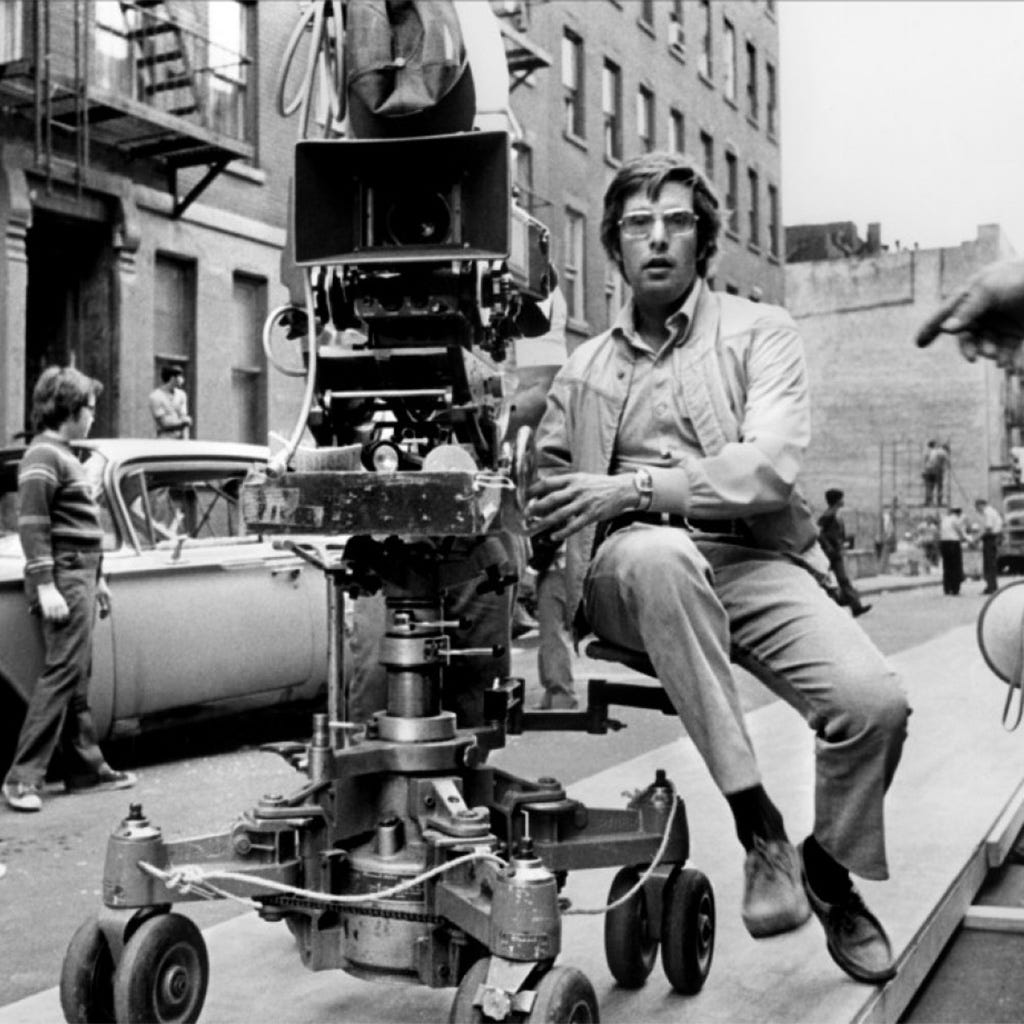
Director William Friedkin on the set. (Photo: William Friedkin via Facebook)

Cinema lost a defining voice when William Friedkin died Aug. 7 from heart failure. Friedkin, 87, was vital to what is considered the greatest era of American cinema, the American New Wave (loosely the late 1960s to early 1980s and also called “New Hollywood”), in which directors shot on location and were able to craft their visions without studio interference. The movement produced instant classics including Coppola’s “Godfather ” films, Scorsese’s “Taxi Driver ” (1976), Polanski’s “Chinatown ” (1974) and Friedkin’s hardboiled crime drama, “The French Connection” (1971).

Born in Chicago, Friedkin, like other era directors Sidney Lumet (“Dog Day Afternoon, ” “Serpico”) and John Frankenheimer (“The Manchurian Candidate, ” “Ronin”) cut his teeth in TV (“The Alfred Hitchcock Hour”). His first feature-length work was “The Thin Blue Line (1966), a documentary that chronicled the difficulties confronting police at a time crime and violent public protests were on the rise; it proved to be prep work for “Connection,” an on-the-street magnum opus based on the true account of a cat-and-mouse heroin sting by Boston-born Robin Moore, who also wrote “The Green Berets.” In between, Friedkin made the poorly received Sonny and Cher hodgepodge “Good Times” (1967), adapted Harold Pinter’s play “The Birthday Party” (1968) starring Robert Shaw, and helmed the light comedy “The Night They Raided Minsky’s” (1960) about a naive young Amish woman (Britt Ekland) who arrives in New York City to perform in a religious production that turns out to be a burlesque show. Friedkin next pushed boundaries with the 1970 adaptation of Mart Crowley’s play “The Boys in the Band, ” a claustrophobic house party where gay and bisexual young males divulge travails largely caused or triggered by unaccepting families and society. The film (recently remade by Netflix for the play’s 50th anniversary) was semi-controversial in part because of the material, but also because Friedkin had claimed he had been “cruised ” while researching the film. His controversies with the gay community and mainstream would rise to another level in 1980 with “Cruising,” the sexually graphic S&M thriller based on Gerald Walker’s novel about a serial killer stalking New York City’s underground gay clubs.

Share

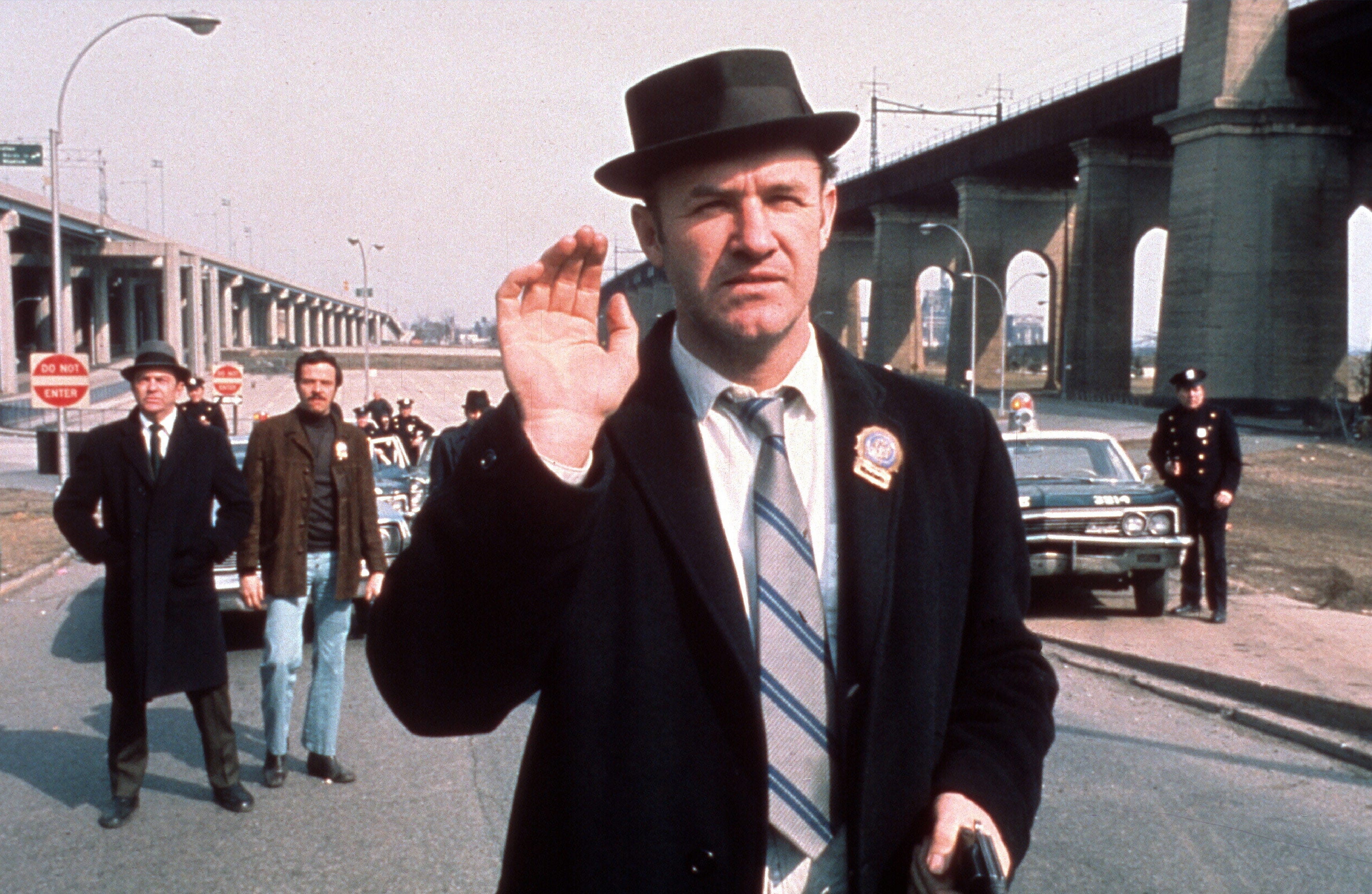
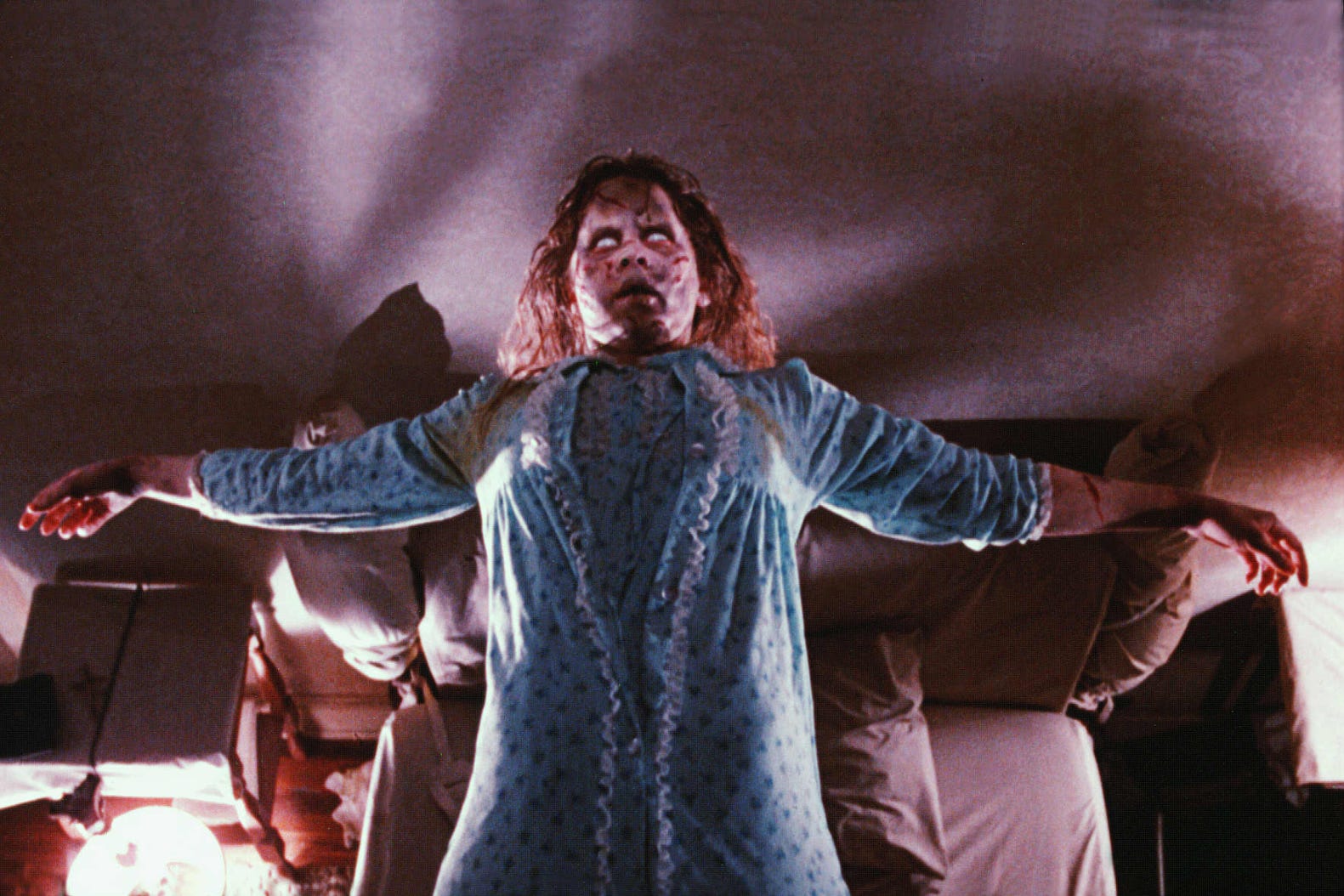
There’s little question that Friedkin’s career will be defined by “The French Connection” and “The Exorcist” (1973), which not only captivated filmgoers but redefined the boundaries of what was possible with onscreen car chases and the horror genre. When on his game, Friedkin was a master of mood, vision and pacing. He also possessed deep admiration and love for his characters, especially the flawed and those living on the edge or under life-smothering pressure. The prime example is Gene Hackman’s Popeye Doyle in “Connection,” a cocksure cop seeking redemption for failures but who is imbued with an avuncular twinkle in his eye, a hair-trigger temper and a barroom manner that screams old-school Boston. (Speaking of which, Friedkin did make a movie here – “The Brink’s Job, ” another true-crime drama about an infamous 1950 North End heist; it’d make the perfect double bill with Ben Affleck’s “The Town.”) Even more emotionally visceral was Ellen Burstyn’s imperiled mother in “The Exorcist,” desperate and unnerved by not knowing of what is wrong with her demon-possessed daughter (Linda Blair, forever locked into genre due to the role) and hapless in her efforts to help. Her harrowing performance took a battle ax to nurturing parental nerve. Burstyn was nominated for her struggling single mom; Hackman won Best Actor for his gruff, gritty portrayal of Doyle.

In the cinematic universe of multiverses, CGI and green screens, it’s refreshing to see how well “The Exorcist ” and “Connection” have held up. Their timelessness is notched in part because they’re both deeply character-driven films, but also because of Friedkin’s shrewd, put-you-in-the-scene filmmaking. With “The Exorcist,” the paralyzing chill was psychological, achieved by grafting a gravelly, sinister male baritone onto a 12-year-old girl, some ingenious (and grotesque) makeup, a few cinematic sleights of hand (levitation, 180-degree neck rotation) and that devilish spewing of split pea soup. There was essentially no bloodletting to make you wince, yet you did, and the deft sound editing and use of Michael Oldfield’s soul-rattling “Tubular Bells ” only served to deepen the film’s immersive eeriness.

With “Connection,” Friedkin not only made one of the greatest car chase sequences ever put on screen, but perhaps the perfect film. It was nominated for eight Academy Awards and won five, including Best Picture and Director (Friedkin beat out Kubrick, who was up for “A Clockwork Orange”) – feats that seem even more monumental when you consider the city-sprawling film was made for less than $2 million, or $15.4 million in today’s dollars, and featured a cast of relative unknowns. It also won Best Editing and should have won for sound editing, as those elements are so essential to that jaw-dropping chase scene in which Doyle, in a commandeered Pontiac LeMans, races after an aboveground subway train taken over at gunpoint by a ruthless French hitman (Marcel Bozzuffi). It’s a gorgeously choreographed sequence that begins at Doyle’s apartment complex (where the hitman tries to take out Doyle with a sniper rifle) and becomes something of a bravura brutalist ballet of action as it rifles through the twisted steel girders of an erected subway structure and litter-strewn streets of Brooklyn. When in that careening Pontiac, the sound and film editing are so tight that everything feels like it’s happening in the moment and at 80 mph as Doyle plows through fruit carts and smash-bang ricochets off other vehicles making their rightful way through an intersection. The chase took more than five weeks to shoot and covers more than 26 New York City blocks. The rewards of the effort are self-evident and cemented in cinematic legacy.

That riveting result, however, should be no surprise, as producer Philip D’Antoni had also worked on the too-cool-for-political-subplots Steve McQueen cop vehicle “Bullitt ” (1968) and would later direct his only feature, “The Seven-Ups” (1973), starring “Connection” co-stars Roy Scheider and Tony Lo Bianco, notching three of the greatest car chase sequences committed to celluloid (including “Connection”). It was filmmaking at its very best, with the filmmakers earning every nerve-rattling inch or mile, not some post-production AI spitting out “Fast and Furious” crash-bang video game pablum.

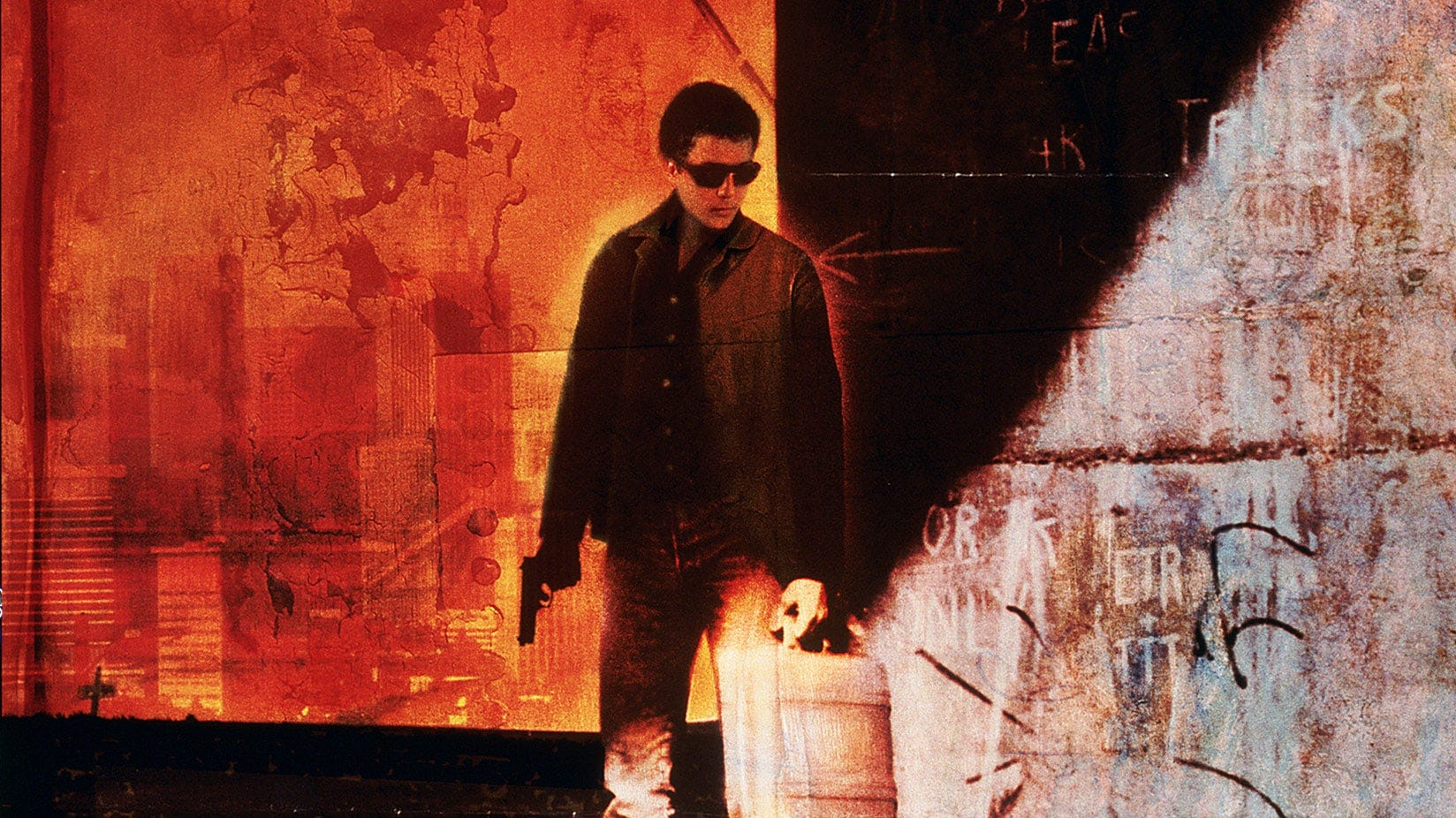
And as much as D’Antoni’s fingerprints are on “Connection,” it was Friedkin’s full visionary control – especially in postproduction – that delivered the symphonic, neo-noirish masterpiece. Friedkin would later prove that his accomplishment was not a one-off with a harrowing, wrong-way chase down a freeway in “To Live and Die in L.A. ” (1985). That deft day-glo crime thriller introduced us to Willem Dafoe and was what made me fall in love with film after Akira Kurosawa’s “Yojimbo” (1961). The week it opened, I went to see “To Live and Die in L.A.” on a whim because my roommate at the time, wounded from a breakup, needed solace and friendship and was a huge Wang Chung fan, and the techno dance band scored the film; so on a hungover Saturday we did “To Live and Die in L.A. ” That chaotic freeway scene – the perfect antithesis to the impressive long-take opener of “La La Land ” – ignited a Friedkin deep dive for me and my roomie. Back then you’d pay $100 to rent a VCR for a weekend and $6 per video, and for my birthday that year we ate gloriously greasy Chinese food, drank far too many sugary mai tais at some long-gone place by the Berklee College of Music and watched all we could, even taking in a second helping of Friedkin’s movie at the old Cinema 57 in the bottom of what is now the Revere Hotel Boston Common on Stuart Street. Sadly, “To Live and Die in L.A.” and “The Brink’s Job” are not available for streaming (so if you see either on a repertory slate, run to the box office). Director Michael Mann (“Thief, ” “Heat”) sued Friedkin over “To Live and Die in L.A.,” claiming it ripped off his “Miami Vice” TV series that ran 1984-1989. Mann lost.

Friedkin, who died in the Bel Air home he shared with wife Sherry Lansing, former head of Paramount, has a Cambridge connection. In 2014, he gifted some of his memoirs to the Harvard Film Archive; earlier, as part of the “Uncanny Cinema of William Friedkin” program there, the director took on a brief residency and appeared at screenings of his films to provide anecdotes about their making – most intriguingly, the scores. (Quick pause here to acknowledge Don Ellis’ foreboding “Connection” score, which echoes Doyle’s inner turmoil and captures the drab, coarse ambiance of the street). I had the opportunity to catch “Sorcerer” (1977), Friedkin’s bold remake of the Henri-Georges Clouzot classic “The Wages of Fear” (1953), about four men transporting nitroglycerin across a treacherous Latin American jungle to cap an exploded oil well 200 miles away. After the screening, Friedkin discussed how Steve McQueen was supposed to play the lead role taken by Scheider, but McQueen wanted a part for his girlfriend Ali MacGraw (“Love Story”). “I told him, it’s a movie about four guys in a jungle, ” Friedkin said. The lack of MacGraw in the project proved a deal breaker. Friedkin then recounted how he got the German techno band Tangerine Dream to score the film, a total happenstance resulting from Friedkin, in Germany to oversee the dubbing of “The Exorcist, ” being taken to a party at an abandoned church in the Black Forest. The band was Tangerine Dream. Friedkin remarked that the score was particularly impressive in that they didn’t see any dailies or postproduction material, just the script. The same was true with Wang Chung and “To Live and Die in L.A.” – the director and musicians met at an L.A. radio station. When Friedkin gave the band the script, he said he didn’t want a tune with the title in it. Natch, the song “To Live and Die in L.A.” plays during the closing credits.

“To Live and Die in L.A.” would prove to be Friedkin’s swan song of sorts. He tried to create lightning in a bottle again with the erotic crime thriller “Jade” (1995) with Linda Fiorentino, hot off her sizzling femme fatal turn in “The Last Seduction” (1994), but the script proved a flat “Basic Instinct”-esque pretender and the car chase sequence that included San Francisco’s winding Lombard Street was a painful-to-watch rehash of that epic L.A. freeway misdirection. Friedkin even tried going back to the demonic with a possessed tree in “The Guardian” (1990). He found some middle ground with A-list actors in the psychological thrillers “Bug” (2006) with Ashley Judd and “The Hunted ” (2003) with Tommy Lee Jones and Benicio Del Toro. He rounded out his career on a high note (we won’t mention 2017’s “The Devil and Father Amorth,” and he does have a play adaptation of Herman Wouk’s “Caine Mutiny ” in the can) with “Killer Joe” (2011), an adaptation of a Tracy Letts play (“Bug” was also a Letts play) about a contract killer (Matthew McConaughey) out to score a life insurance payout for a thwarted son (Emile Hirsch). Two Friedkin films I’d say are unique curios meant for discerning eyes are “Blue Chips” (1994) with Nick Nolte as a Bobby Knight-like college basketball coach trying to get though one more season (Celtics Bob Cousy and Shaquille O’Neal have small roles) and the long-shelved “Rampage ” (1987) about a demonic mass murderer (Alex MacArthur) and the DA trying to put him away (Michael Biehn). Friedkin did do a nice job with his 1997 television version of “12 Angry Men” featuring a knockout cast that included Jack Lemmon, George C. Scott, Ossie Davis, Edward James Olmos, Hume Cronyn, James Gandolfini and William Peterson of “To Live and Die in L.A.”

Friedkin was both a traditionalist and an iconoclast when it came to his trade and wears the “maverick” tag well in an era that preceded the blockbuster. His work heightened the filmgoing experience with old-school craftsmanship, control and tight collaborative efforts from cast and crew. He broke ground in genre and how narrative is paced and told (he’s right there with Kurosawa, Tarantino and Fellini), and most of all, he was able to put the audience in the action without bit-and-byte trickery. “The French Connection” will live on as one of the few films to achieve perfection from frame one to the end credits. It is Friedkin’s well-earned legacy.

Increasingly as recognizable as Ben and Matt, Matthew Maher of ‘Air’ is the other CRLS star

20 Apr

By Tom Meek Tuesday, April 18, 2023

Matthew Maher as Nike shoe designer Peter Moore in “Air.” (Photo: Amazon Studios)

The latest directorial effort from Ben Affleck, “Air,” an underdog story of sorts about Nike’s pursuit of Michael Jordan as the face of its basketball shoe line, has a lot of Cambridge baked into it. There’s Ben and star and Cambridge Rindge and Latin School buddy Matt Damon, who also attended Harvard; some mention of budding NBA star and CRLS baller Patrick Ewing as well as his coach, Mike Jarvis; and something that might pass under your radar – the involvement of character actor Matthew Maher, who in recent years has inched more and more toward the spotlight.

In “Air,” Maher plays Peter Moore, the shoe designer who came up with the Air Jordan concept and that neat hanging-in-the-sky-about-to-slam-it-home logo. It’s a pivotal role, as one of the keys to getting Jordan to sign with Nike was a presentation by the recruitment team played by Damon and Jason Bateman of a shoe that embodied his Royal Airness-to-be.

Maher, a prolific actor with some 60 screen credits, talked Friday by phone and Zoom.

Like Affleck and Damon, Maher grew up in Cambridge and graduated from CRLS. The parents of the three knew each other from Harvard, and bonded over politics in the 1960s, he said.

It was at CRLS – where he was also friends with city councillor Marc McGovern – that Maher first tried acting.

Matthew Maher, left, with fellow CRLS alum Matt Damon in “Air.” (Photo: Amazon Studios)

The theater scene at CRLS was cool, “a place I wanted to be,” Maher said. “It wasn’t nerdy, it’s where many of popular kids were.” But he was keenly aware that a cleft palate and slight speech impediment made him different from the Afflecks and Damons of the school’s drama scene, and would face different challenges. “I wanted to be an actor in high school,” Maher said, “but to me being an actor was to try to be like them. And they were gorgeous, really charming guys. Even back then, they were stars, and I had no idea how to do or be that. I had no idea to how to harness that kind of charm and self-confidence, because I didn’t have it.”

Maher went to the University of California, Santa Cruz, studying English but participating in theater productions. His teacher there was matter-of-fact: “You just have deal with the fact that you have a speech impediment, you have a cleft palate and you are different,” Maher recalled. That teacher was encouraging, and a major influence – though Maher did say that there were productions he felt he didn’t get cast in because he wasn’t in the “the bright circle of successful beautiful people.”

After college he landed in New York working off-Broadway productions, as well as taking small parts in several Kevin Smith projects – the first being “Dogma,” starring Damon and Affleck. His first meaty film role was in the lo-fi production “Vulgar” (2000), about a man who performs as a birthday party clown to deal with the trauma of being gang-raped earlier in his life. The film was directed by and starred Smith regular Bryan Johnson as well as other Smithies such as “Clerks” (1994) star Brian O’Halloran and Ethan Suplee.

Maher’s ubiquity as an actor has come later in life, due in part to the pandemic and the increased prevalence of streaming series. He had a leading part in “Funny Pages,” a small, very funny, indie coming-of-age satire that he feared was never going to see the light of day; filming began in 2017, when there were issues with funding, and then Covid happened. “I had invested so much in it,” Maher said of the film by Owen Kline, son of Kevin and Phoebe Cates. Then the pandemic lifted and the crew was able to get its final reshoots. Maher received strong reviews when it screened in 2022 alongside his roles in two series: “Outer Range” with Josh Brolin (creator Brian Watkins wrote the part of Deputy Matt specifically for Maher), and the gay pirate comedy “Our Flag Means Death.” This year, the Apple TV+ prestige dramedy, “Hello Tomorrow!” on which Maher is a series regular arrived alongside “Air.”

Affleck offered the part of Nike’s Moore directly to Maher, which came as a surprise. It was an esteemed crew, with Oscar winners beyond Damon and Affleck: cinematographer Robert Richardson and actor Viola Davis, playing Jordan’s mother by demand of Jordan himself. Stil, the set was “very comfortable and relaxed,” Maher said.

In researching the part of Moore, who died a year ago at 78, Maher discovered “a true artist, who had to make art that everybody loved” – but a man he looked nothing like. Moore didn’t have a beard, Maher said, “but Affleck decided to let me be as I was.”

Maher has two young children: one pre-pandemic 3½-year-old, and another who’s just notching 8 months. He’s spent time in Los Angeles, but now calls Brooklyn, New York, home and keeps Cambridge ties – his mother, who taught at Wheaton College, and stepmother still live in Cambridge.

Rally promotes safer bike lanes, other solutions that protect riders across city lines and statewide

20 Sep

By Tom Meek Tuesday, September 20, 2022

Lily Linke speaks Saturday at a Safe Streets rally she co-organized in Somerville’s Davis Square. (Photo: Tom Meek)

More aggressive pushes for bike lanes and other safety measures were promoted at a weekend rally in Somerville inspired by the August death of Stephen Conley, 72, in a “dooring” incident with a car.

The Saturday rally for Safe Streets at Seven Hills Park in Davis Square drew speakers that included state Reps. Mike Connolly and Erika Uyterhoeven, Somerville city councilor Willie Burnley Jr., former Cambridge vice mayor Jan Devereux, Cambridge city councilor Burhan Azeem and several residents.

Burnley, a first-term member and “proud member of the carless,” announced that he was calling for a safe streets ordinance similar to Cambridge’s Cycling Safety Ordinance, which requires miles of protected bike lanes to be installed on an aggressive timeline. The frequent need to remove parking to make room has created a divide with some residents and businesses; many speakers acknowledged the controversy but said it steeled their resolve.

“We know there’s a backlash,” Connolly said. “Unfortunately there are lawsuits and a degree of Nimby-ism. Certainly everyone’s entitled to their opinion. But I can tell you, as an elected official, we’re not going backward. We’re going to achieve Vision Zero.” The term refers to street engineered to be safe enough to cause zero deaths.

A crowd gathers to listen to speakers at Saturday’s rally in Davis Square. (Photo: Tom Meek)

Azeem spoke more directly to challenges in Cambridge. “It’s hard when you’re sitting across the table from a small-business owner who says, ‘You know, if you take away my parking, it will shut down my business,’ but this [bike law] is literally life or death,” Azeem said.

Uyterhoeven shared her own story of long recovery after being hit by a cab in Boston while bicycling, and she encouraged activists to keep pushing until bike lanes were statewide – raising the issue of complications across city lines. Somerville’s portion of Webster Avenue has a protected bike lane, for example, but it ends at the back of a parked car at the Cambridge line to morph into what cyclists and transportation experts call a “door zone” bike lane of just a painted line next to parked cars. “Municipal structures don’t make those cross-city collaborations very easy. But they’re still critical to do,” Devereux said, cited Webster’s disjointed solution.

Another idea Burnley said he was working on with Somerville Mayor Katjana Ballantyne was the prospect of using 311 tickets as a means of ticketing cars parked illegally in bike lanes. Like when failing to pay a toll, a ticket for the infraction would be mailed to the violator. A petition to decriminalize jaywalking circulated before speakers took the stage.

Among the residents speaking were Nadav Tanners, widower of doctor and social activist Leah Zallman. who was walking in Davis square when she was killed by a pickup truck in November 2020; and Cambridge Bicycle Group member Janie Katz-Christy, who talked about the perils and challenges of cycling with children.

The event was organized and hosted by husband and wife Seth Hurwitz and Lily Linke and drew around 100 people, including several cargo bikes laden with children.

Linke and Burnley wore bright red jumpsuits. The outfits were “not coordinated,” Linke said, “but the idea was the same: ‘Stop’ traffic violence.”