Reviewed: ‘Black Bag,’ ‘Magazine Dreams,’ and ‘The Alto Knights’
‘Black Bag’ (2025)
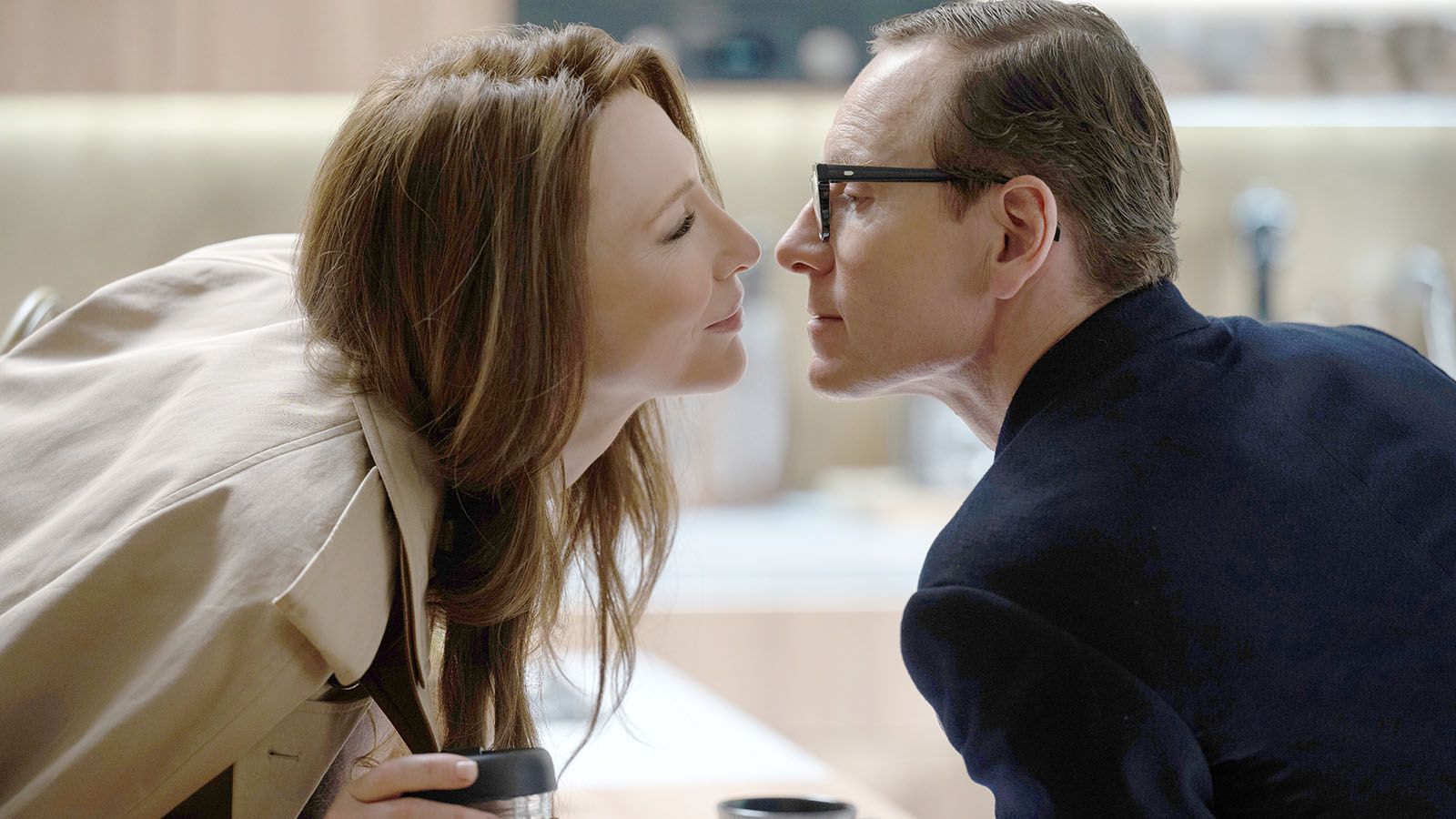

The latest from prolific filmmaker Stephen Soderbergh (“Ocean’s Eleven,” “Traffic”) is a sharp, thoughtful spy thriller in the neighborhood of “Tinker Tailor Soldier Spy” (2011), if updated for these high-tech times and tossed on a treadmill. There’s plenty of cloak and dagger, but the story’s center is the relationships between husbands, wives and lovers, be they deviously duplicitous, of high fealty or otherwise. “Black Bag” comes in at about 90 minutes, matching the paranormal psycho-thriller “Presence” released this year by Soderbergh. Who drops two utterly different films within weeks of each other? Both were written by “Jurassic Park” (1993) scribe David Koepp, who outdoes himself here, and both were shot in limited locations, though “Black Bag” has a bigger, world-hopping feel to it. The London-set work and contrasting light-dark framings brought together warmly by a deep, bass-driven jazz score impress in craftsmanship and seamless ease. At the epicenter of the smoldering espionage are British operatives George (Michael Fassbender) and his wife Kathryn (Cate Blanchett). George has been alerted to a mole at the agency and tasked to find them – and given just a week to do so. On the list of five possible double dealers: his wife. Hanging in the balance is a nuclear meltdown and the potential death of 20,000 people, but that’s just a side issue to what interests Soderbergh and Koepp. We begin with George inviting the suspects to his and Kathryn’s posh London flat for a lovely lamb roast. Every guest is a professional liar, but did I mention the gravy’s laced with a truth serum? The other attendees are grizzled party-boy Freddie (Tom Burke), his latest office fling and X factor Clarissa (Marisa Abela), the hunky yet generic Col. Stokes (Regé-Jean Page of “Bridgerton”) and the agency’s resident psych, Zoe (Naomie Harris), who, because of a departmental mandate, has regular sessions with everyone at the table. She’s also having a fling with the colonel. As the serum kicks in and courses come and go, infidelities are confessed. The meal culminates with a knife pinning one diner’s hand to the table. George sifts through the fallout as he finds Kathryn plans to travel and a movie ticket stub for two in the wastebasket of her boudoir. When inquired as to the destination of her trip, “black bag” is Kathryn’s response; the info can’t be divulged, with no exceptions for spouses. The chemistry between Fassbender and Blanchett is intellectually and erotically electric, and George and Kathryn have a fashion sense to die for. The casting overall is a coup, though Pierce Brosnan, still dapper as ever as an agency higher-up, feels stirred in as an afterthought. The casting and lean, well-honed and MacGuffin-driven script by Koepp make the film work, as well as the tightness of the final product as pulled together by Soderbergh, who edits and shoots as well.
‘Magazine Dreams’ (2023)
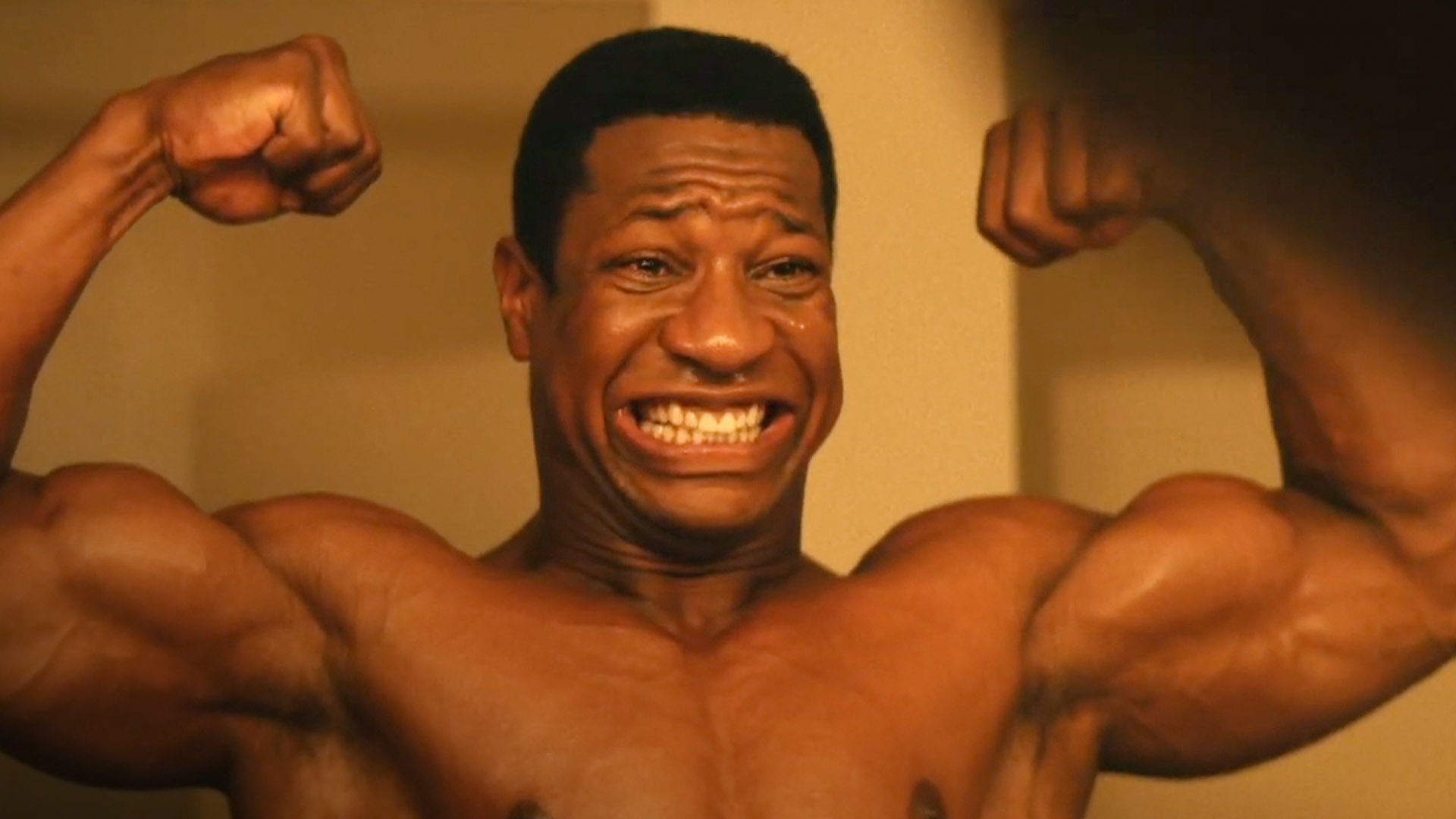

This portrait of a troubled young man by writer and director Elijah Bynum touches on much of what is wrong in post-Covid America – toxic masculinity, misogyny, the poor state of mental health care, racism, disenfranchisement and more. It’s a hard watch that tells hard truths. Front and center, a buff, oiled and ripped Jonathan Majors strikes an imposing figure as Killian Maddox, a young Black man coping with anger management and mental health issues while taking care of his ailing grandfather, working a low-paying job in a grocery store and pursuing his bodybuilding quest to become the next Mr. Olympia. Tragedy looms from the onset. Killian is his own worst enemy; when a paint company refuses to make good on its subpar job, he smashes the place up in a bloody rage. He’s also totally unaware; on a date with a co-worker, he orders first (and pretty much everything on the menu) and drops into a tirade. The film slides into dark corners, with Killian refusing surgery for steroid-induced tumors and later hulking over the family of one of the paint store goons in a diner, posturing with neck-snapping menace (trust me, it’s deserved) while concerned onlookers call the police on the Black man acting up. It’s “Falling Down” (1993) for the present and a slickly framed sophomore effort from Bynum (“Hot Summer Nights” being his debut). “Magazine Dreams” will be most notable for Majors, who was empathetic in “The Last Black Man in San Francisco,” and even better here. But for many, it’ll be hard to appreciate his brilliant bristling bite, as the film has been on the shelf for two years due to a harassment and assault conviction that terminated Majors’ role as Kang the Conquerer in Marvel movies. It’ll be interesting to see how this small resurrection plays out for Majors, who may also be his own worst enemy. No matter, “Magazine Dreams” is Bynum’s calling card, and one that signals well for the future.
‘The Alto Knights’ (2025)


Lots of pedigree in this inspired-by-true-events gangster tale about the infamous Genovese family that controlled much of New York and New Jersey in the 1950s, ’60s and ’70s. It’s helmed by Barry Levinson (“Rain Man,” “Bugsy”) with a script by Nicholas Pileggi (“Goodfellas,” “Casino”) and starring one of moviedom’s most made men, Robert De Niro (“Taxi Driver,” “Goodfellas”). What more could you want? More De Niro? Done: He plays two parts in the film, Frank Costello and Vito Genovese, who as young men became best friends doing dirty deeds for Lucky Luciano – a friendship that would sour years later when Genovese orders a hit on Costello to take control of the business. Costello survives, and from there, much of what goes on in “Alto Knights” is more about affairs at home than lurking in mafia lairs and sanctioning hits, shown largely in rewinds and leaps ahead. It falls in line with the “Godfather” films or even “The Many Saints of Newark” (2021), but isn’t quite on par. The production values are high, the era-recreating sets impressive and De Niro is at his mobster best since “Casino” and “Goodfellas” – “The Irishman” (2019) being another high point. In the roles of the wives, Kathrine Narducci (“The Irishman”) and Debra Messing (“Will & Grace”) match Lorraine Bracco and Edie Falco of “The Sopranos,” especially Narducci’s Anna Genovese in court. The title refers to a social club Vito Genovese hung out at. The supporting cast filling out the myriad small parts is excellent. The film overall, however, has a wispy, ephemeral sheen, especially when it comes to reflecting upon the pantheon of cinematic mob markers.
 For What it's Worth
Leave a comment