It was a strange year in cinema, a year where blockbuster success at the box office was rare (“Inside Out 2” was the top grab, followed by the overdone “Deadpool & Wolverine” superfrenemy romp) and outshone by adult-themed animation, non-English-language and documentary offerings. Also strong were films featuring women’s voices and indie creep-outs – a combination best embodied and exemplified by TJ Mollner’s “Strange Darling,” Anna Kendrick making her directorial debut with “Woman of the Hour” and the gonzo body-horror spectacle “The Substance.” None of which made mt top 10, but were squarely in the hunt.
1. “Do Not Expect Too Much From the End of the World”

A sardonically black political comedy that’s right out of left field, powered by witty takes on hot topics (Andrew Tate, Putin and Pornhub, to name a few) and a killer performance by Ilinca Manolache, without whom the movie could not be. Manolache plays Angela, a feisty Romanian woman looking to make it in the gig economy as a filmmaker and TikTok sensation. Her main hustle is as a production assistant for a company that makes safety videos, kind of – on many shoots, Angela coaches accident victims, often in wheelchairs, to talk about the safety measures they should have taken to have avoided injury despite the clear negligence of the employer to provide a safe workplace. They’re more CYAs than PSAs, and that’s the degree of biting humor imbued by writer-director Radu Jude (“Bad Luck Banging or Loony Porn”)
2. “Flow”
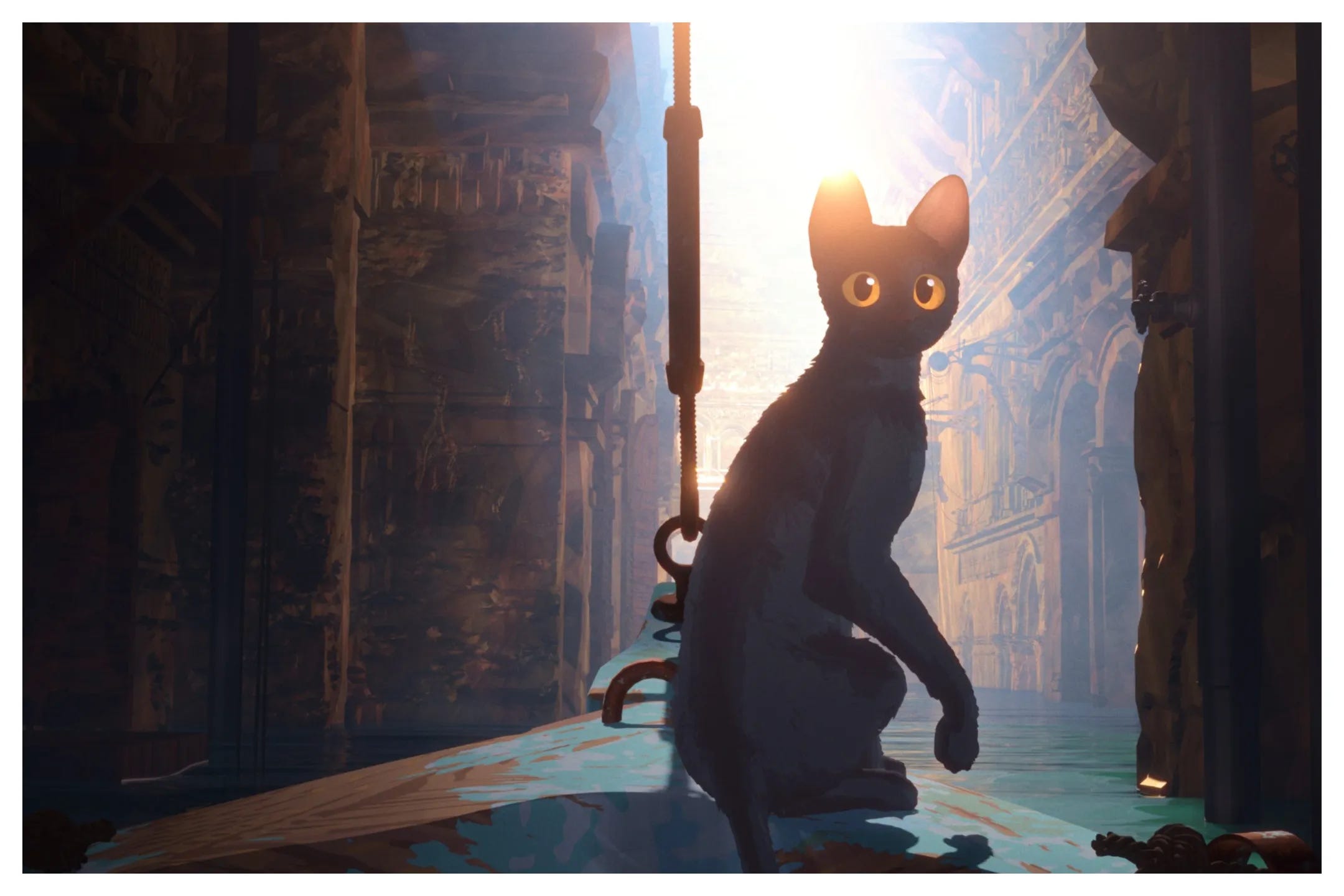
The official Oscar nominee from Latavia, is a mesmerizing, dialogue-free animated adventure about a cat and all the other birds, dogs and capybara that out feline encounters. Themes of climate change—flash floods and tsunamis are the reason the cat and fellow animals find themselves adrift on a sailboat—and a peaceful world sans the presence of man and mankind’s destructive ways pervade Gints Zilbalodis’s gorgeously stylized of an Eden like end to the world. Visually “Flow” has all the beauty and poetry of a Hayao Miyazaki masterpiece and the way it navigates mature matters makes it multi-tiered and applicable for all members of the family regardless of age.
3. “Memoir of a Snail”
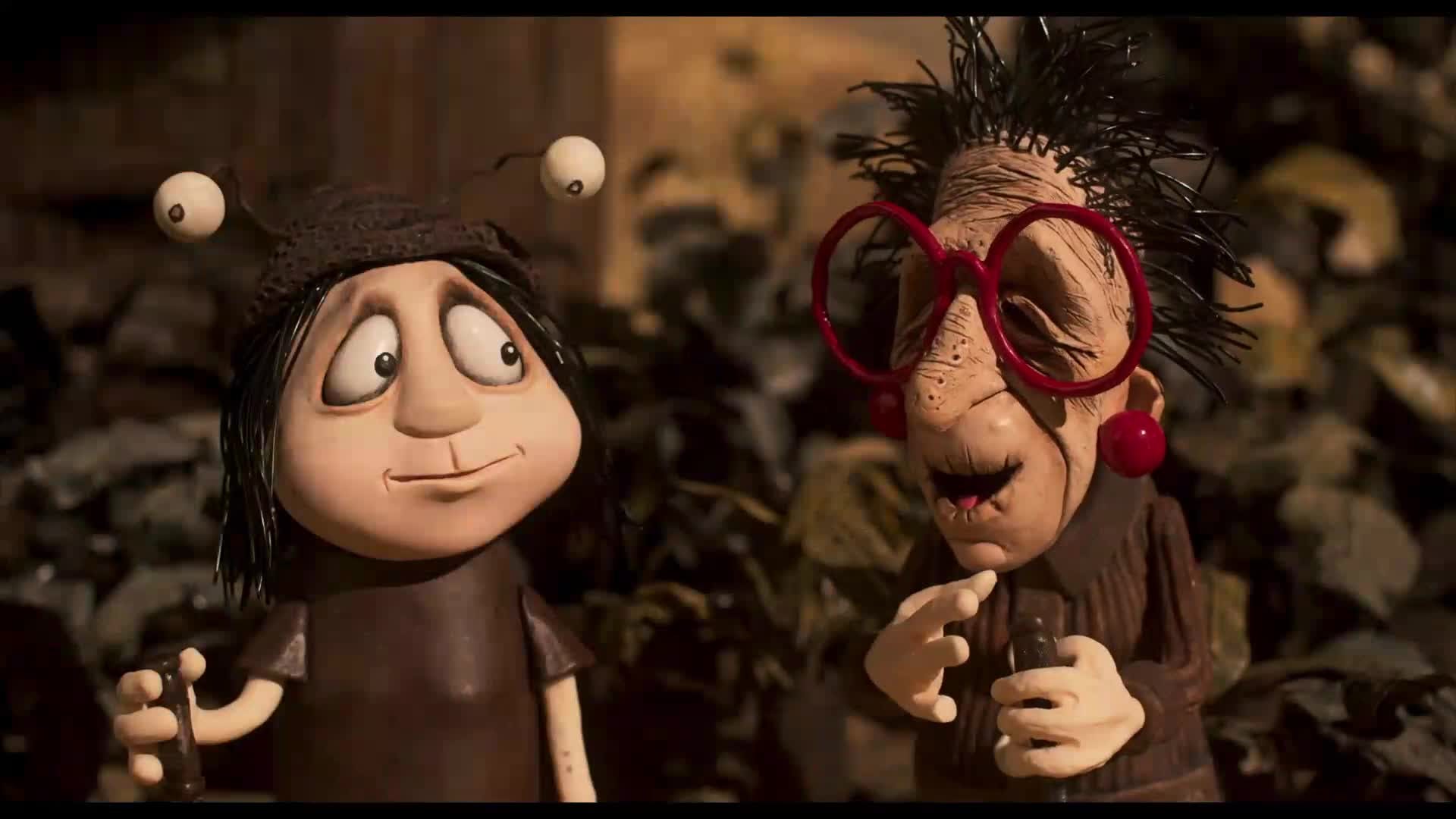
Not a claymation romp for the whole family – not even close. No, this very dark and very adult animated tale has twins (voiced by “Succession” and “Power of the Dog” stars Sarah Snook and Kodi Smit-McPhee) separated after the death of their father and placed in foster homes on opposite coasts of Australia, as well as edgy, plot-driving incursions into swinging, fat feeding, pyromania and religious zealotry. Wickedly funny yet tenderly bittersweet, “Memoir of a Snail” has the dark, loving embrace of Tim Burton done with the edgy verve of Trey Parker and Matt Stone of “South Park.”
4. “Kinds of Kindness”
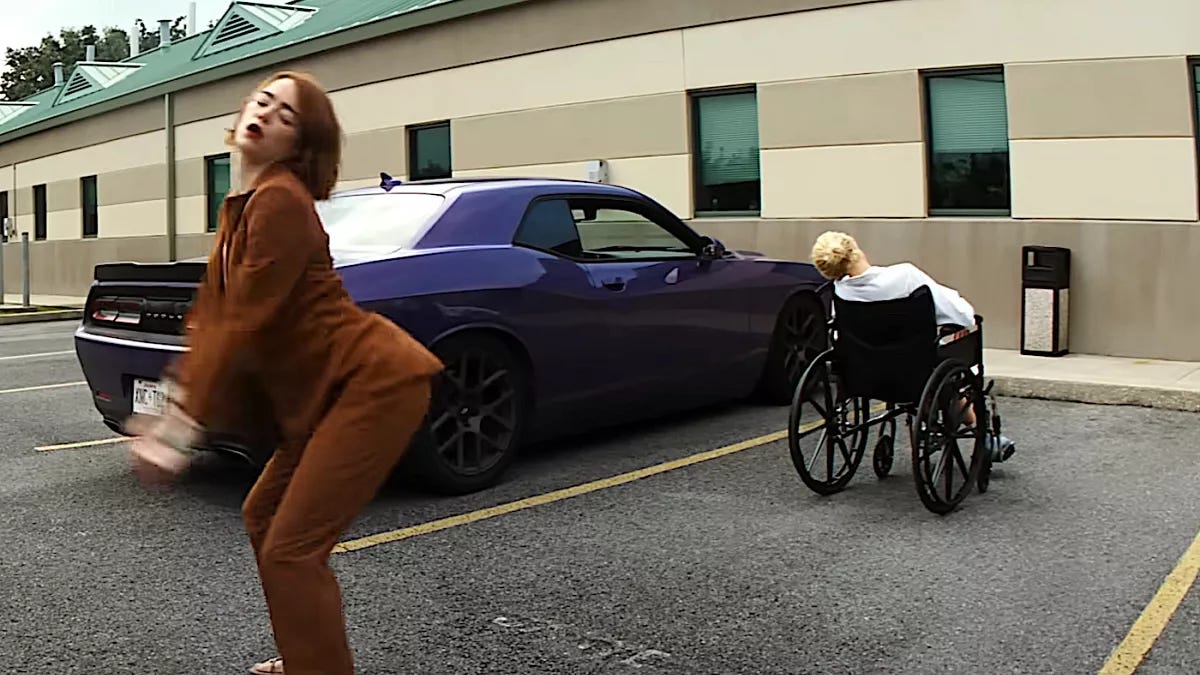
Yorgos Lanthimos goes all in on human misery with this triptych of tales that has different characters in each loosely linked chapter played by the same impressive ensemble (Willem Dafoe and Emma Stone, who paired with Lanthimos in last year’s “Poor Things,” the ever plucky Margaret Qualley making this list twice, Jessie Plemons and Hong Chau). The bridge between the tales is a character with the initials RMF, a middle-aged, slightly balding, bearded man (played by Lanthimos pal Yorgos Stefanakos, who looks a bit like Stanley Kubrick). The speculation is that the initials stand for Redemption, Manipulation and Faith, which, given the sadomasochistic tenor of the film, makes absolute sense. “Kinda of Kindness” is a strange, surreal sojourn that haunts and rivets in each and every frame.
5. “A Complete Unknown”
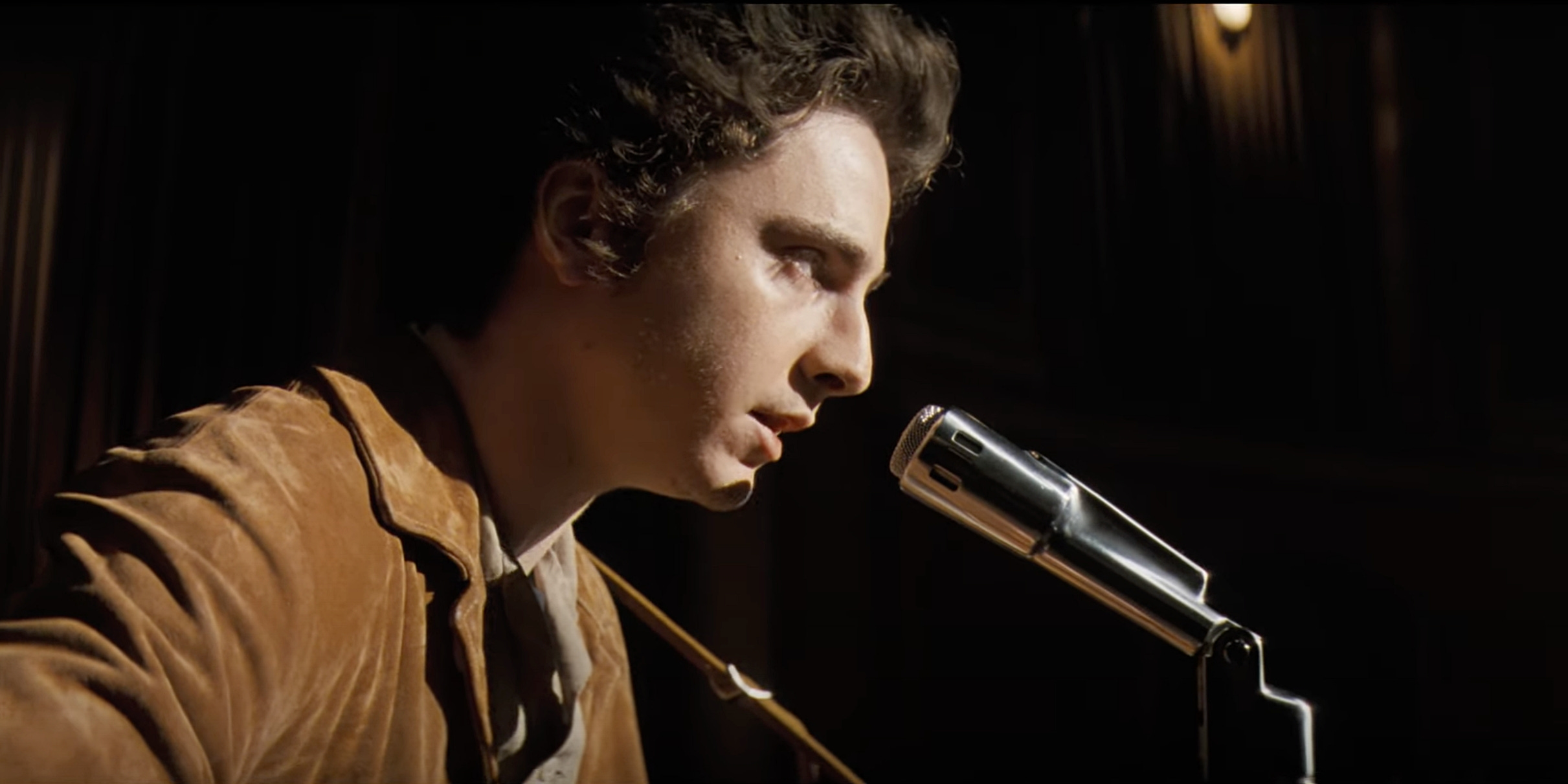
Timothée Chalamet takes some time to work his way into your soul as the young, aloof folk icon Bob Dylan couch surfing and looking to make a name for himself in the early 1960s, but once he does – and while emulating Dylan’s croaky crooning – it’s an impressive, career-topping turn, certain to be award-worthy. The focus of the film is Dylan’s transition from acoustic folk to electric rock and the uproar he caused in 1965 at the very intentionally unplugged Newport Jazz Festival. Using Elijah Wald’s 2015 book “Dylan Goes Electric!,” James Mangold’s biopic slice renders the early ’60s with ample nostalgia but some license. (Not all you see onscreen really happened.) The supporting cast bolstering and complimenting Chalamet includes excellent evocations by Monica Barbaro as Joan Baez, Boyd Holbrook as a gruff Johnny Cash, who incites Dylan through letters, Scoot McNairy doing better here as the infirm Woodie Guthrie than his recent turn in “Nightbitch,” and Edward Norton, unrecognizable and knocking it out of Rhode Island as folkie flag waver Pete Seeger.
6. “The Beast”
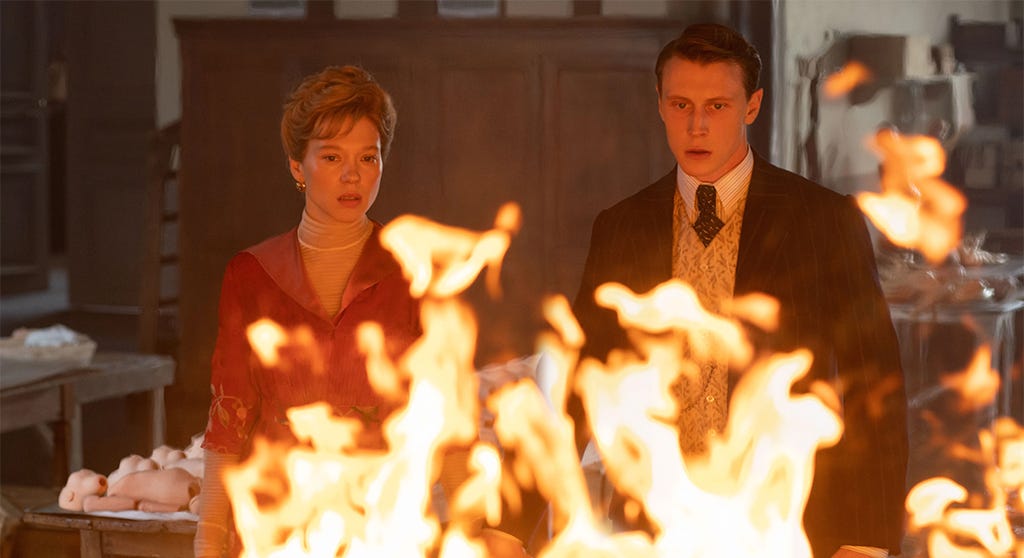
Bertrand Bonello’s unsettling yet alluring contemplation on fate and the future is an enigmatic weave of three periods in which two actors – Léa Seydoux (“Dune: Part Two,” “Blue is the Warmest Color”) and George MacKay (“1917”) – play roughly the same attracted-to-each-other, but unable-to-connect souls. It’s based loosely on or, I’d say, more inspired by Henry James’ 1903 short story “The Beast in the Jungle.” In the story, a fickle man of stature feels fated to suffer infamy, and as a result, lives a cautious, coddled existence trying to avoid the inevitable. The punchline is that it’s this that makes him notorious. Bonello’s sharp, mesmerizing reimagining is more “Cloud Atlas” (2012) by way of “Mulholland Drive” (2001) than anything truly Jamesian.
7. “Queendom”
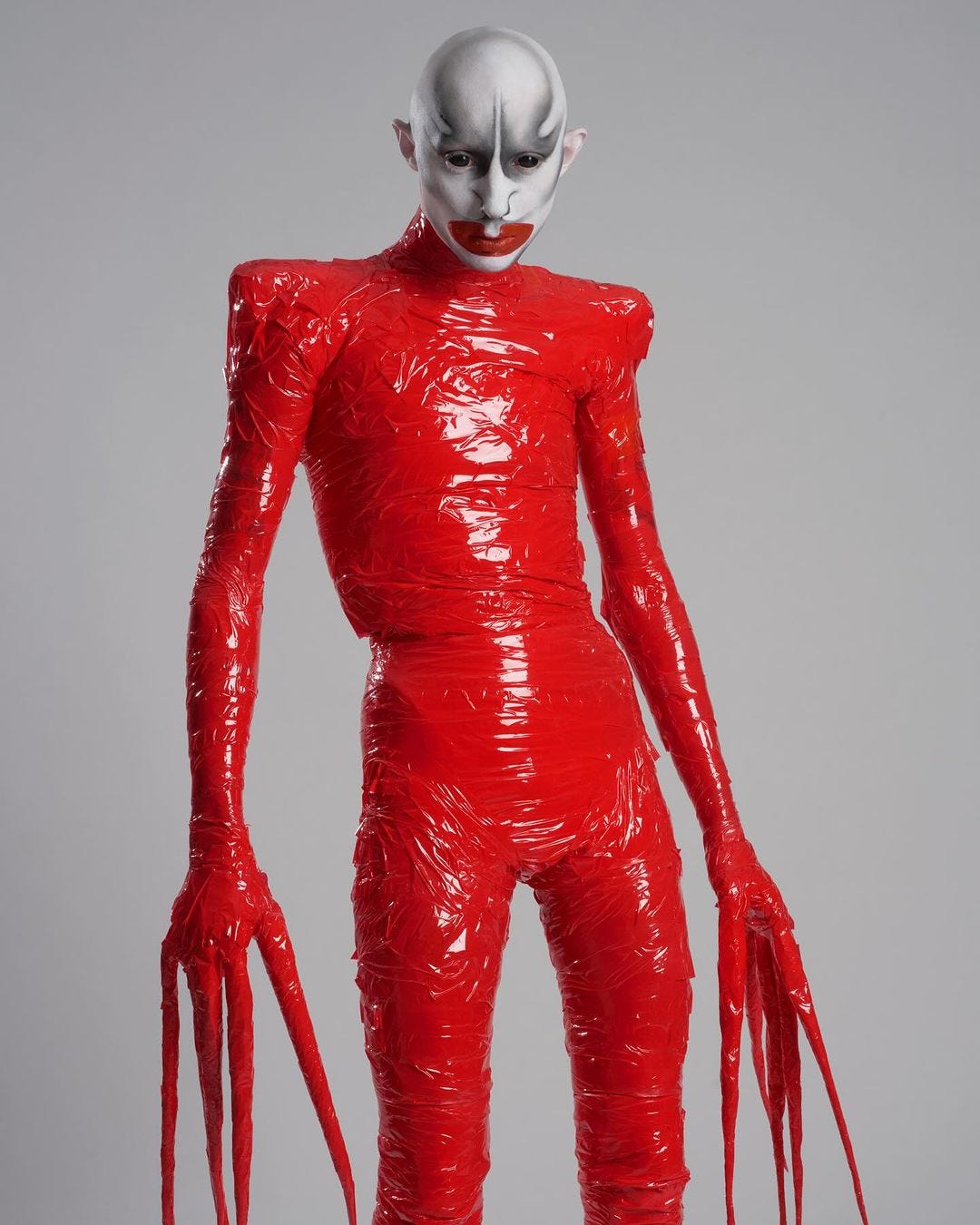
“And yet, she persisted” would also have made an apt title for Agniia Galdanova’s gripping and pointedly political documentary about 21-year-old Russian drag performance artist Gena Marvin (birth named Gennadiy Chebotarev), who, alienated, ostracized and worse, never surrenders their identity, and in the process, takes on the draconian social politics of the Putin regime as well as the war in Ukraine. Gena, a striking, lithe figure evocative of Tilda Swinton in “Orlando” (1992) or Bowie as Ziggy or in “The Man Who Fell to Earth” (1976) mode. The access that Galdanova and camera operator Ruslan Fedotov have is immersive, intimate and in the moment. The scenes of performance art executed on the shore of a raging sea or in a muddy quarry pit are breathtaking in composition and framing, and made all the more alluring by Gena’s keen sense of presentation and otherworldly personas.
8. “Nickel Boys”
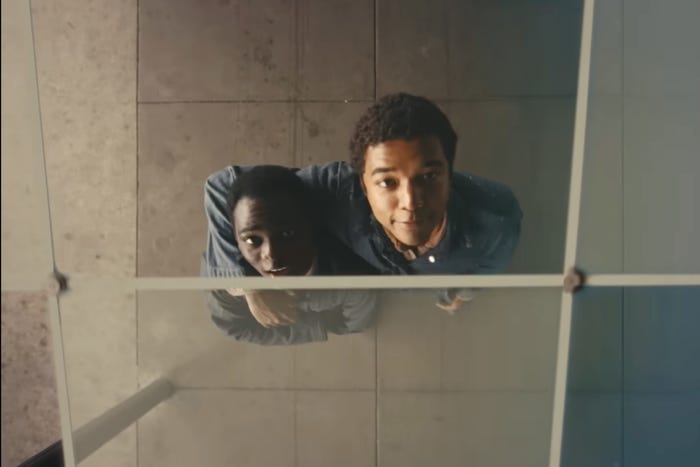
Documentary filmmaker RaMell Ross (“Hale County This Morning, This Evening”) adapts Colson Whitehead’s Pulitzer-winning novel about centurylong abuses at a segregated reform school in Florida during the 1960s. As with “The Underground Railroad,” Whitehead’s slow twist of the social injustice knife is a mix of true events (the Nickel Academy is a stand-in for the real Dozier School) with some historical reframing to bring home its points. The film centers on Elwood (Ethan Herisse), a Black teen sent to the school for a crime he did not commit. The school in question has two sets of rules, those for white kids (good food, plenty of breaks and recess) and those for Blacks, who are routinely put in the “box,” and many of whom disappear. Ross’ lens is an intoxicating shifting of POVs that look at the hostile and Draconian world through the eyes of Elwood and his bunkmate, Turner (Brandon Wilson). Ross tells the tale with oblique gamesmanship (think “The Zone of Interest” or signature Terrence Malick) and the heavy melancholy tonality of Barry Jenkins’ “If Beale Street Could Talk” (2018).
9. “The Brutalist”
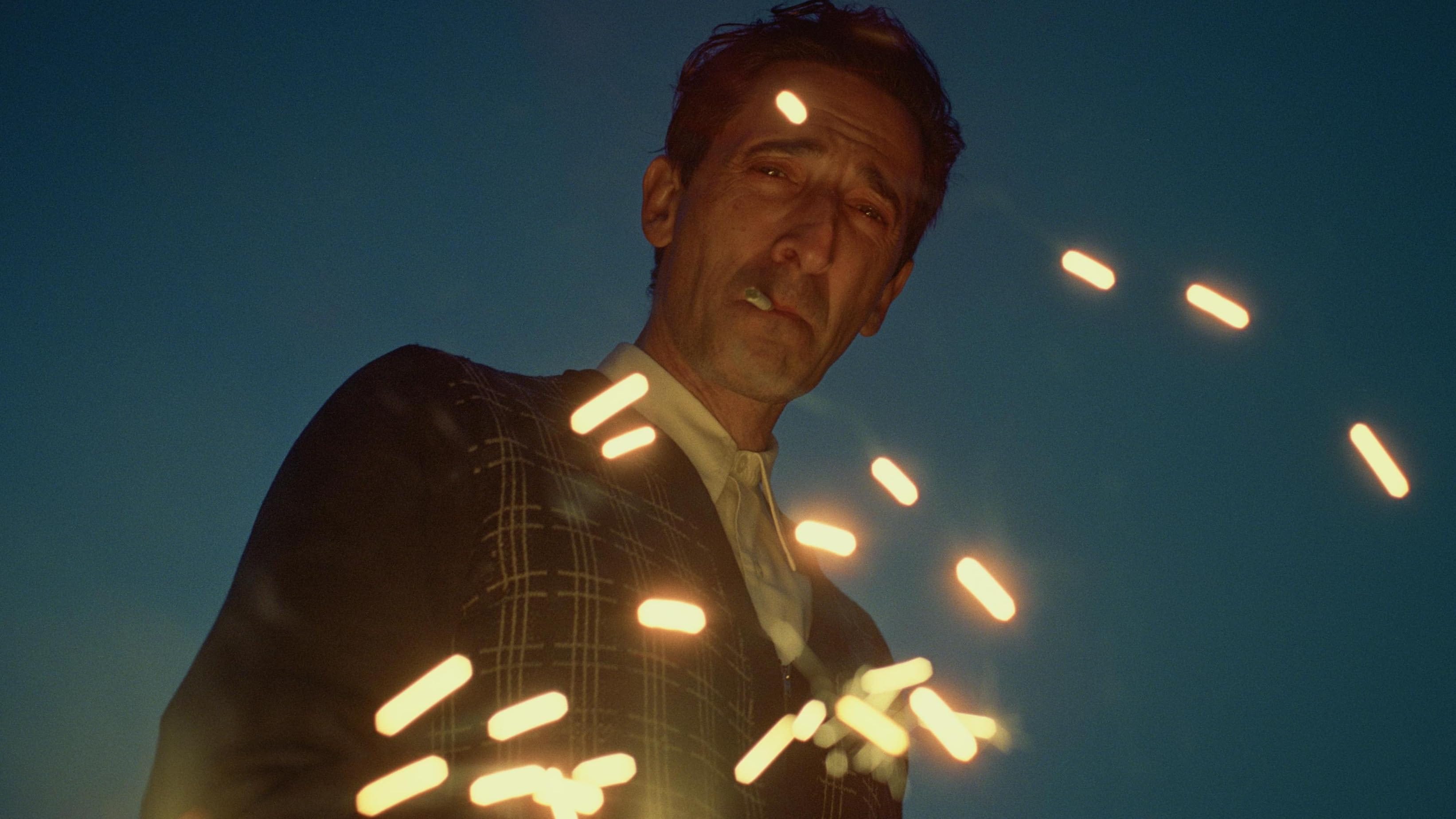
It’ll be hard for anyone who’s ever lived in (or been to) Boston to see Brady Corbert’s career notching turn and not think of the stark cement structure in Government Center—a.k.a. city hall—that some cite as art and others dismiss as an aesthetic monstrosity. The long (doesn’t feel that way) yet hypnotic film gorgeously framed by Lol Crawley (“The Devil All the Time.” “White Noise”) tells the immigrant tale of László Toth (Adrien Brody) escaping Europe in the wake of the WWII and doesn’t find too much levity in the United States until a wealthy mogul (Guy Pearce as a mash up of Carnegie, Hearst, Rockefeller and the like) whose patronage László to pursue his former profession—architecture. Driven by art, but more about the immigrant experience, power and the control of power, “The Brutalist” is a haunting imagining of America in its Post War, pre-Cold War era of prosperity. Brody and Pearce are Oscar worthy as is the film, Crawley and Corbert.
10. “Civil War”
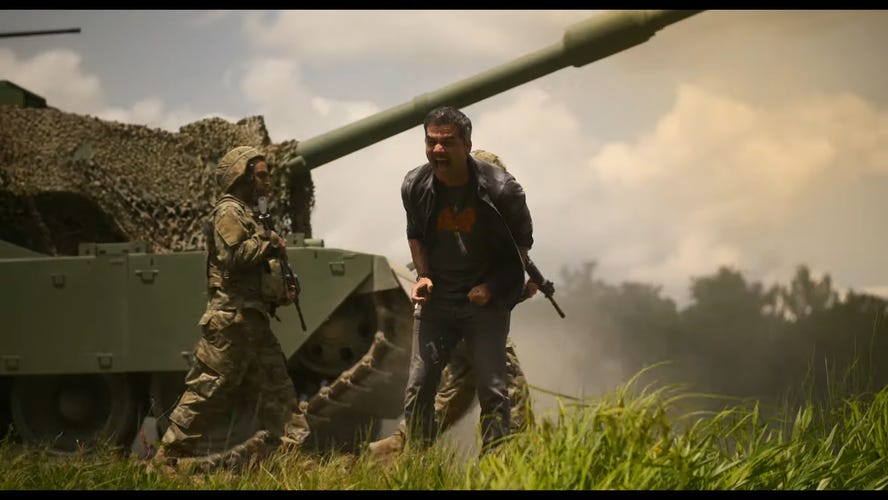
Alex Garland has always been thematically clear in his films. His first two directorial efforts, “Ex Machina” (2015) and “Annihilation” (2018), plumbed creationism and doom, while “Men” (2022) donned the veneer of horror as it wrestled with toxic masculinity and misogyny. Here Garland shifts to the more immediate and less fantastical with this loose-lensed scrutiny of journalism, namely its relevance and the ethics of those plying it. Sure, the civil war of the title is happening across the United States, but it’s vague as to why; all we know is that the Western Forces – a two-star alliance with their own, more spartan rendering of the ol’ red, white and blue – consists of seceded states Texas and California, and that Florida is a wild card trying to pull the Carolinas in to some kind of something or other. It’s a MacGuffin wrapped inside an enigma for certain, but Red and Blue states aligning is a bit of a stretch. Given the premise, folks are going to want to reflect on the nastiness here and now and how we move on, but “Civil War” is not that film. It takes a while to work that out and get on the page with Garland, a more-than-capable writer (“28 Days Later,” “Never Let Me Go”) and inherently immersive filmmaker.
Those of merit and in the hunt: “I’m Still Here,” “The Substance,” “Anora,” “Woman of the Hour,” “Love Lies Bleeding.” “Furiosa: A Mad Max Saga,” “Strange Darling,” “Sasquatch Sunset,” “Armand” and “Hundreds of Beavers.”
 For What it's Worth
Leave a comment