2023 was a quietly powerful year at the movies. It marked the return of the sharply observant auteur, Jonathan Glazer after nearly a decade away since his beguiling sci-fi effort “Under the Skin.” Sure, we had the bofo ado over “Barbenheimer,” but anything for a headline and marketing promotion, right? I deeply appreciated “Barbie” and its pink ambition, but it didn’t crack my top 20. Of my top 10, five are International (Non-English) and three are documentaries—it was a very strong year for docs. Also, if you’ve never heard of the German actress Sandra Hüller, learn about her quick as she dominates the top of this year’s list, and whose name is destined to be called during award nods.
1. Anatomy of a Fall
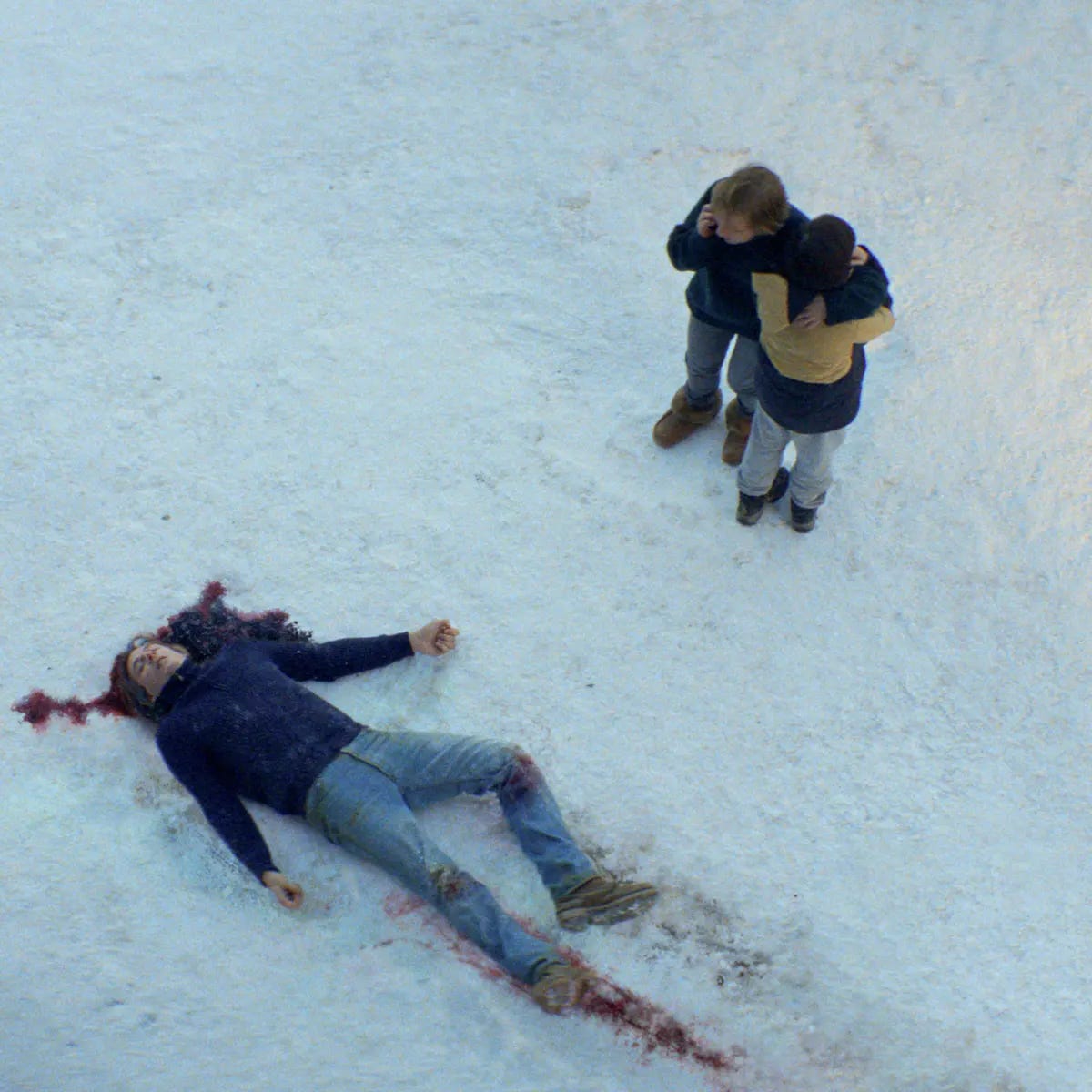
Justine Triet’s “Anatomy of a Fall,” winner of the Palme d’Or at Cannes, dissects the slow, vicious implosion of a marriage. The reasons why are the usual suspects: grief, blame and jealousy. But there’s little else usual about Triet’s emotionally eviscerating narrative, which begins with the death of one spouse and, in carefully curated frames, rewinds as the survivor is put on trial for murder. The performance by Sandra Hüller as a revered German writer living in the remote highs of the French Alps and then subjected to character dissection in the courtroom, is immersive, fully felt and the reason the film rivets from opening to closing frame. Between her work here and “Zone of Interest” Hüller could see her name called twice when Oscar nominations are announced.
2. Zone of Interest
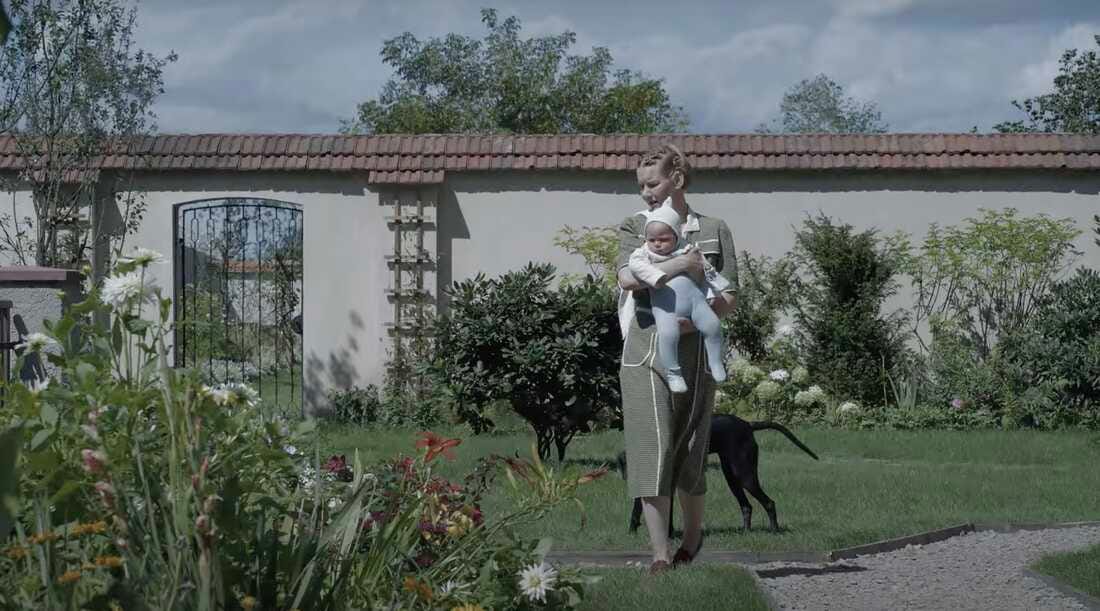
It’s been ten years since Jonathan Glazer last enchanted us with Scarlett Johansson as an otherworldly temptress in “Under the Skin,” driven by Mica Levi’s intoxicating and mood setting score. Interestingly “Zone” is a Holocaust film, which most would likely think, we’ve already done it to the point that there’s no new way to spin it to open one’s eyes anew. The answer is wrong. In this brave and unflinching adaptation of the Martin Amis novel (the writer passed earlier his year before the movie’s premier) Glazer replaces Amis’s fictionalized overseers of Auschwitz, dialing in tight on real-life camp commandant Rudolf Höss (Christian Friedel), his family (Sandra Hüller as his wife Hedwig) and their daily lives. You never really glimmer the inner workings of the diabolical Nazi machinery, instead you sit with the Höss’s as they dine and school their children in a well-manicured bungalow in the shadow of a high wall. Every now and then you hear a muffled wail, or the distant shots of gunfire—background noise that unnerves us the viewer as we drink in the complacency of a society willfully enlisted to undertake one of the most sinister acts of hate ever entered into the history books. Friedel and Hüller are flawless, and Levi again serves up a score that adds layers to deep moments unfurling onscreen.
3. You Hurt My Feelings
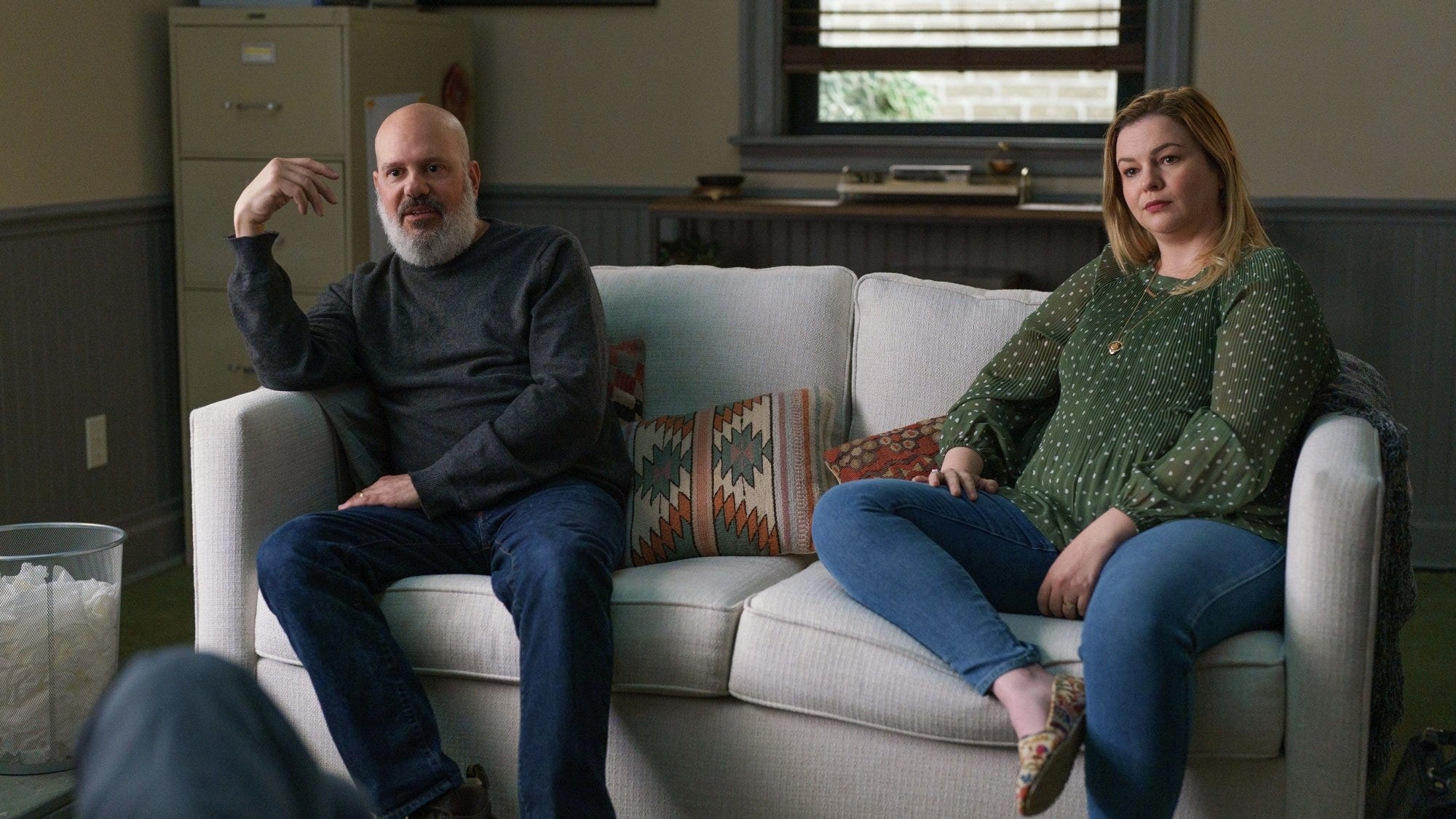
Indie writer-director Nicole Holofcener, the force behind such insightful dramadies as “Friends with Money” (2006) and “Lovely & Amazing” (2001), reunites with Julia Louis-Dreyfus (the pair worked on “Enough Said” back in 2013) for this barbed gem about the tender balance between brutal honesty and obligatory, loving support when Louis-Dreyfus’s Beth, a struggling novelist, overhears her husband Don (Tobias Menzies), tell his brother-in-law Mark (Arian Moayed, “Succession”) that he does not like Beth’s latest that’s still looking to catch on with her publisher. To her face, however Don tells her he likes it and thus a simple, but nagging conundrum ensues:does Beth confront Don or not? The sharp script moves in unexpected ways as Beth’s self-esteem is chipped away at by her publishers and her students in the classroom she commands. The bits with Don, a therapist with some of his own mounting professional woes, challenged by some of his clients including real-life wife and husband Amber Tamblyn and David Cross playing a miserable married couple, makes for dark, bristling hilarity. And as much as you laugh, the nuggets of revelation onscreen serve as a mirror to look uncomfortably inward.
4. The Holdovers
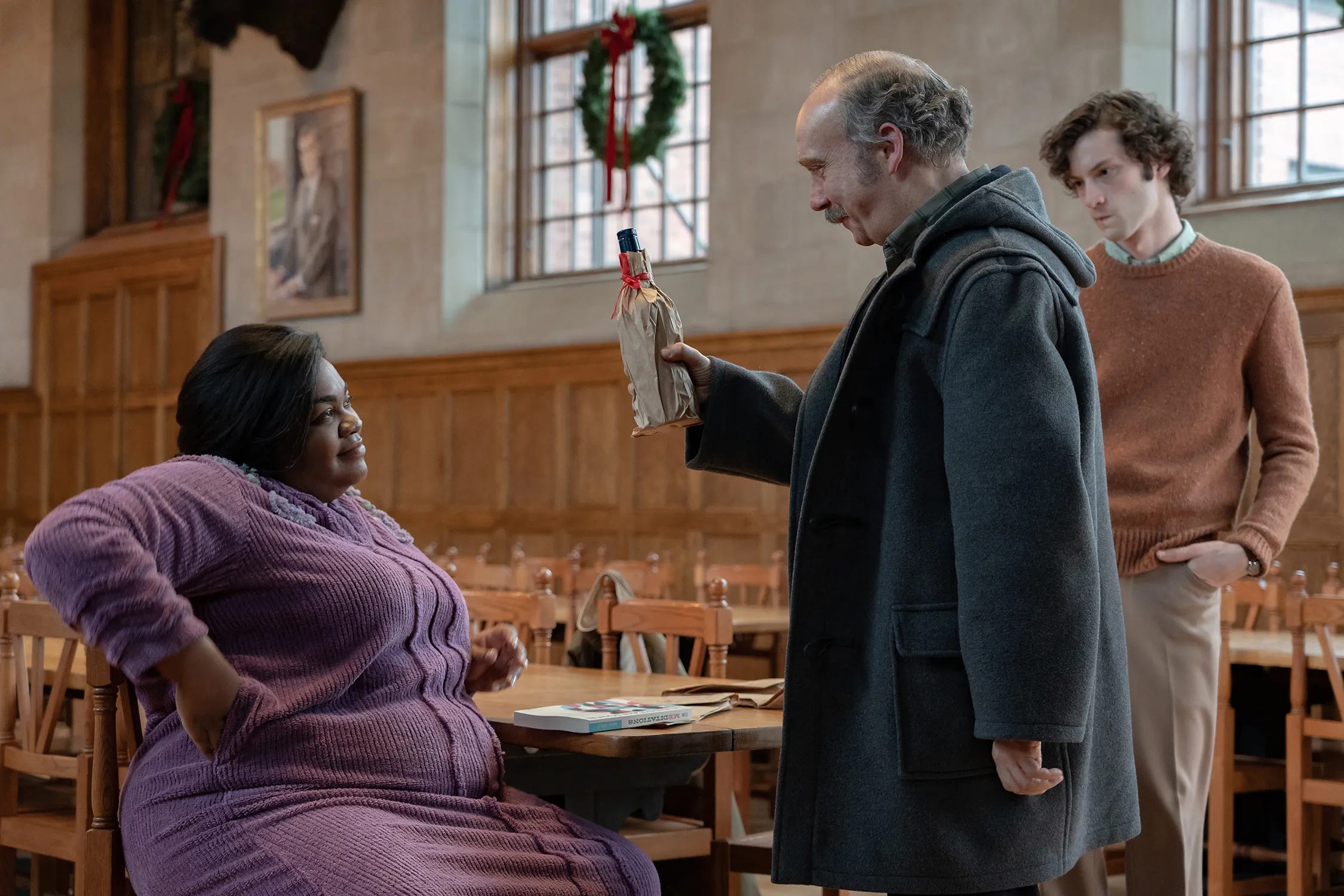
The latest from Alexander Payne (“Sideways,” “Citizen Ruth”), set at an all-boy, New England prep school in the early 1970s, bears the distinct tang of J.D. Salinger, not to mention Wes Anderson’s “Rushmore” (1998) as it homes in on the loneliness of the disenfranchised among the entitled elite. The setup’s fairly straightforward: Paul Hunham (Paul Giamatti), a gruff, unapologetic Western Civ. professor, is the faculty member who’s drawn the short-straw assignment of looking after the “holdovers” for Christmas break at a fictional New England preparatory called Barton. Joining Hunham and the five boys is school cook Mary Lamb (Da’Vine Joy Randolph, divine and scene-stealing) a Black woman who spends much of her time – even when cooking – drinking and smoking to hold down the grief of having just lost her only child, a Barton grad (the only non-caucasian we know to attend the school besides one Korean boy) killed in the Vietnam War. The film comes down to the human connection between the cantankerous Hunham and last lingering holdover, Angus Tully (Dominic Sessa, deep and winning in his big screen debut) as past skeletons come to the fore and human connections are the only means of redemption.
5. Oppenheimer
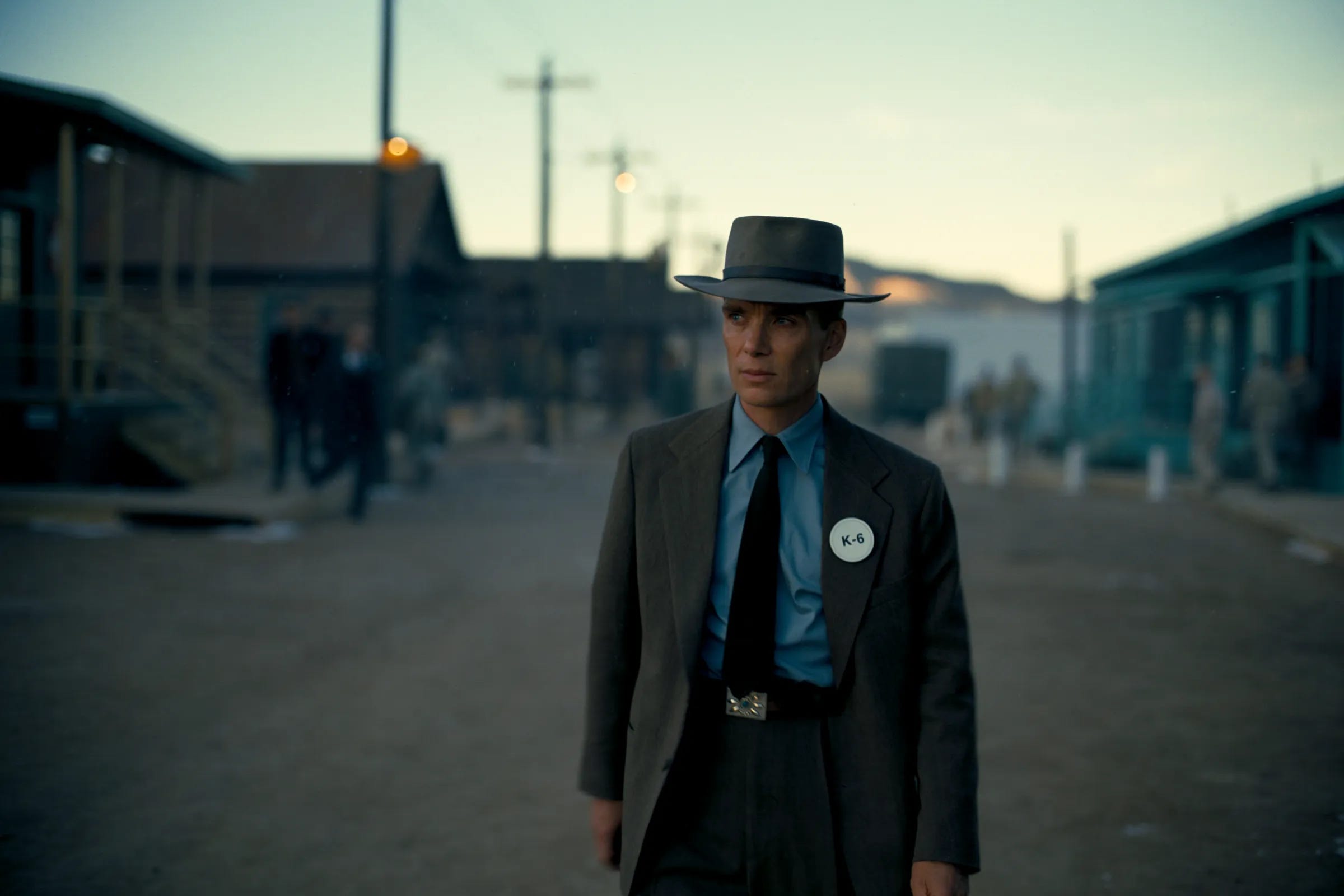
Christopher Nolan’s grand bio-pic plays loyally to its roots, the 2005 biography “American Prometheus: The Triumph and Tragedy of J. Robert Oppenheimer” by Kai Bird and Martin Sherwin, as both embrace Oppenheimer (“the father of the atomic bomb”) as a committed yet complicated man, caught at many crossroads: the morality of mass destruction, the dirty politics of Cold War paranoia as well as many messy personal relationships. As Oppenheimer, frequent Nolan collaborator Cillian Murphy portrays the scientist as a reserved, buttoned-up sort with a kind, demurring affect. He’s charismatic and approachable, with piercing blues and a gaunt sheen clearly deepened for the part, and Oppie’s signature wide-brim porkpie fedora goes a long way to cement the image. It’s a bravura performance that rightly sends Murphy, best known for the series “Peaky Blinders” and Danny Boyle’s “28 Days Later” (2002), to the fore after many years of almost getting there. He feels custom minted for the part. How Nolan pulls it all together is interesting in how much you see – or don’t – of the actual use of the atomic bomb and the devastation it had on Hiroshima and Nagasaki (though it’s in the corner of every frame) versus the high of the Trinity experiment at Los Alamos (well-orchestrated cinematically) and chaotic proceedings in the rooms and halls of government. Ever meticulous, Nolan also does a masterful job of gathering subthreads and small gestures and weaving them into surprising and disparate places with subtle poetic panache that doesn’t scream, “Did you just see what I did there?”
6. Killers of the Flower Moon
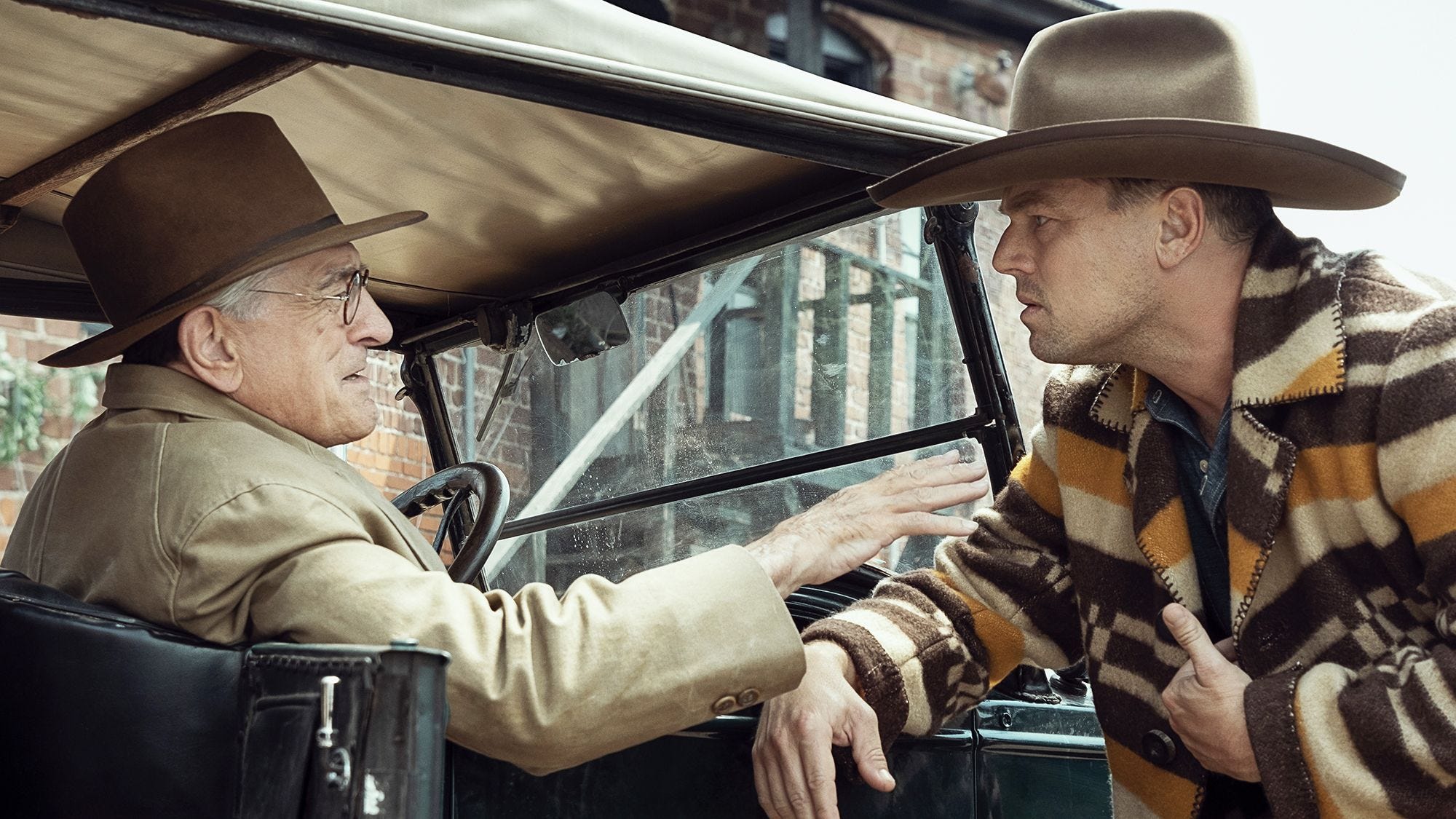
Working from journalist David Grann’s 2017 real-life account with the additional tag “The Osage Murders and the Birth of the FBI,” there’s much in Martin Scorsese’s film that leverages the director’s mean-streets, gangland roots and much that unfurls, that if not stated as nonfiction, would otherwise be hard to believe. Set on an Osage reservation post-World War I, “Killers of the Flower Moon” has the grand, neo-western feel of Michael Cimino’s “Heaven’s Gate” (1980) and even Sergio Leone’s “Once Upon a Time in the West” (1968) as Leonardo DiCaprio’s Ernest Burkhart, returning from the war (a cook, not a soldier, because he has a weak stomach) steps off a train in Fairfax, Oklahoma, and through nefarious opportunistic schemes orchestrated by Burkhart’s business man uncle William “King” Hale (Robert De Niro), making the bulk of his wealth off the Osage who have conditional oil rights, marries an Osage woman (Lily Gladstone who hold court with Oscar winners DiCaprio and De Niro) to bilk her of assets. The insidious ripples of colonialism and false sense of human respect and equality are put on full display; a must see for those who cling to the tenets and practices of American expansionism.
7. Geographies of Solitude
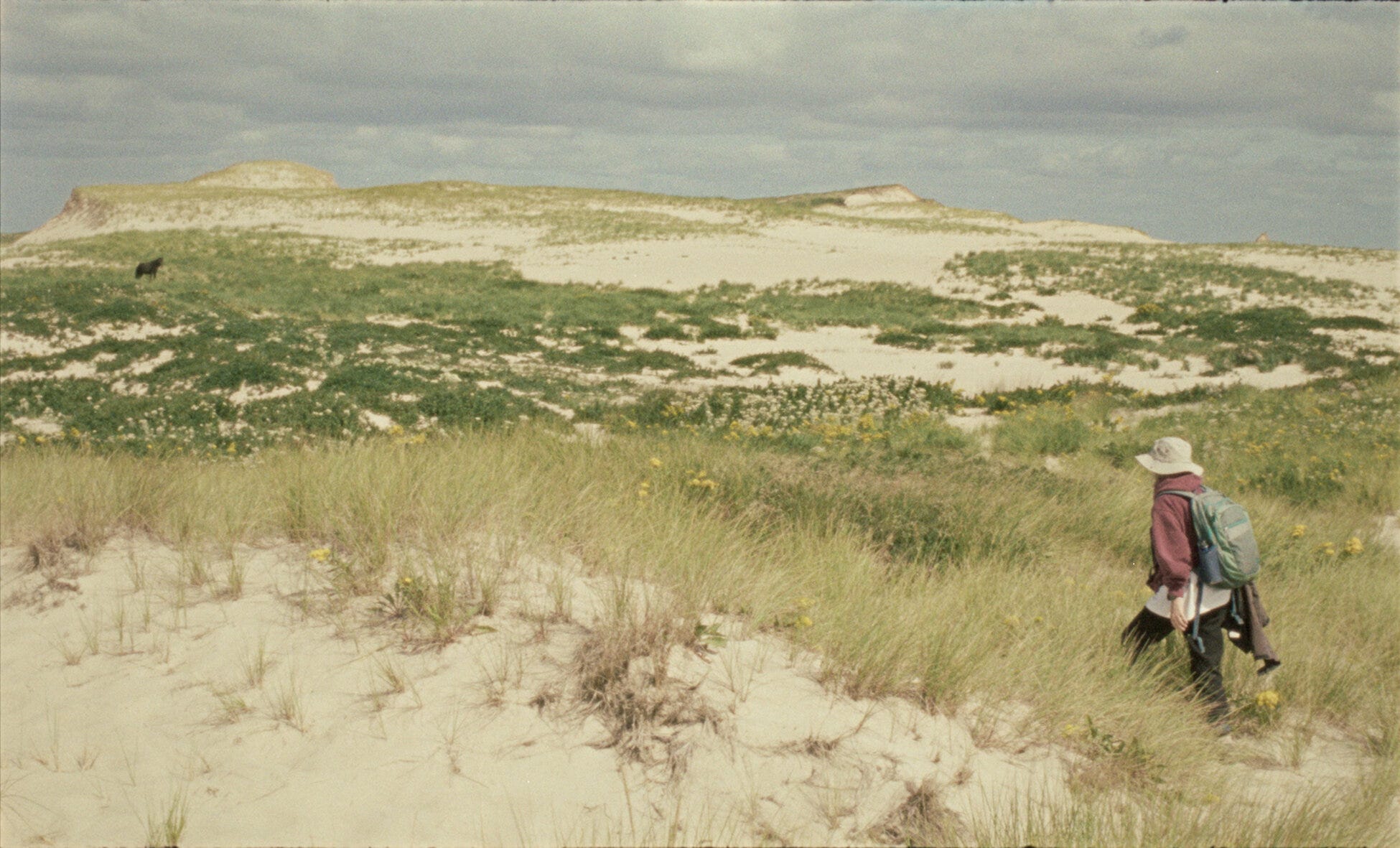
Jacquelyn Mills’s arresting documentary in one long, riveting contemplation on nature, loneliness, and commitment. The film depicts Sable Island a harsh stretch of land 100 miles off the coast of Nova Scotia as it follows the island’s only resident, Zoe Lucas who’s been there since the early 1970s studying the niche ecosystem where only horses, seals and insects thrive. The use of archival footage (Jacques Cousteau makes a visit via helicopter) and Lucas still going about her business in the now (cataloging the horses and tracking plastic pollution around the globe) is woven together as a medication that invites you onto the island in an observant, intimate way.
8. 20 Days in Mariupol
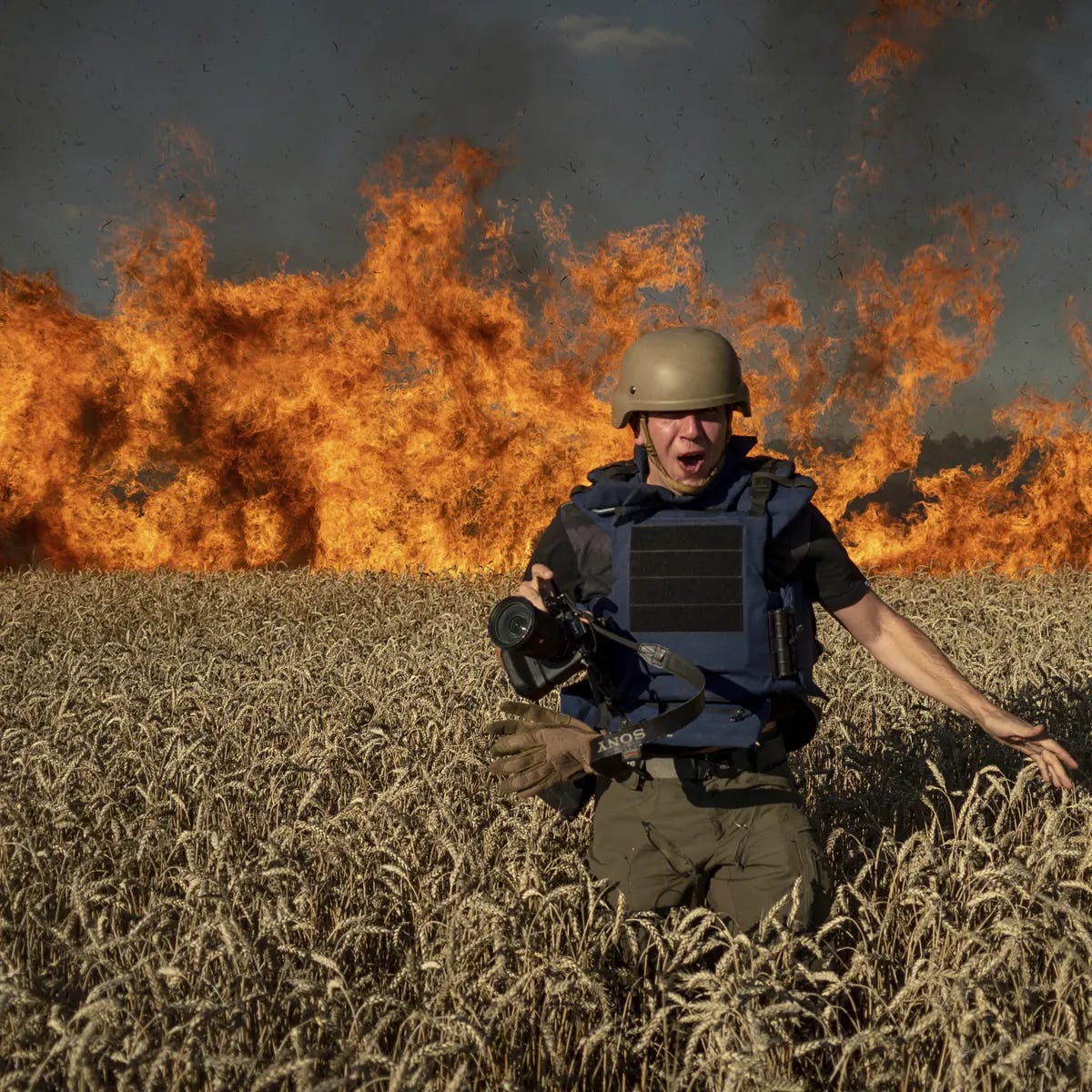
When Russia invaded the Ukraine in February of 2021 Associated Press video journalist Mstyslav Chernov was imbedded at a hospital in the port city of Mariupol. What Chernov endures and witnesses is the early part of the siege where residents trying to go about their daily lives are caught up in something they can’t quite comprehend. As Chernov weaves his way around the city with his crew it becomes evident too that he must leave, but most venues have been shut down. It’s a harrowing boots on the ground view into the wanton incursion that still pervades today.
9. Menus-Plaisirs – Les Troisgros
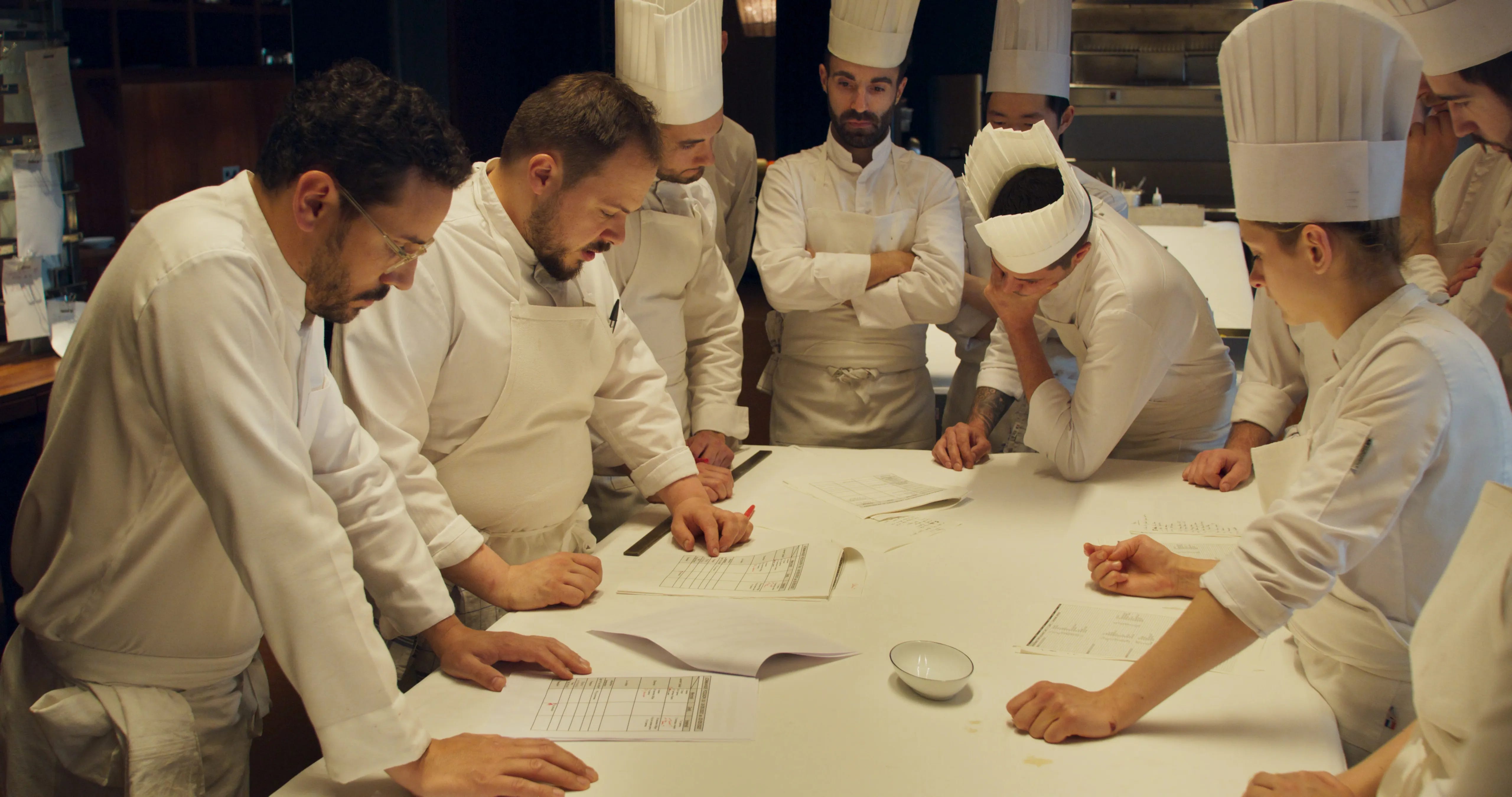
Loosely translated “The Menu” and nothing to do with last year’s elite dinner party turned torture fest. At the young age of 90, local documentarian Fred Wiseman (“Titicut Follies”) shows no signs of slowing down with this lens turn on Troisgros family, who run the Michelin 3-star restaurant La Maison Troisgros in Central France. At four hours, the running time may give you pause, but Wiseman, a master of fly-on-the-wall observation, captures all the right moments, head chefs planning meals, the quality control selection of ingredients and the ballet of orchestration in the kitchen when it’s showtime. Reality TV cooking show this is not, it’s authentically more real, there’s no stitched together narrative for pomp and hype, just careful attention, arduous repetition, the hard work and the dish assembly collaborations that bring a world class meal to mouths expectant diners’ palates.
10. Taste of Things
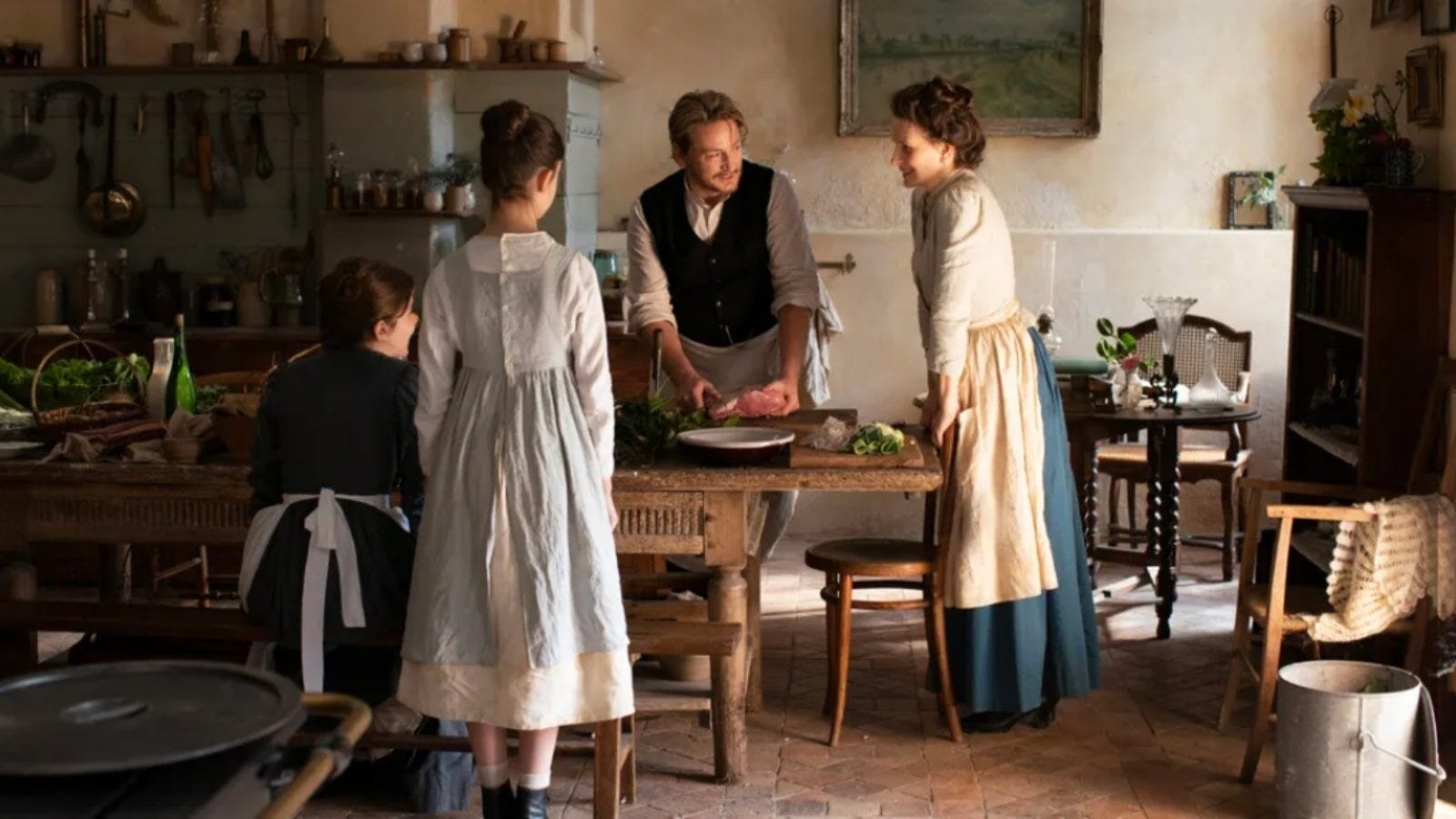
Keeping with all things culinary is this visually scrumptious feast from Tran Anh Hung (“Scent of Green Papaya,” “Cyclo”), a keen observer of human longing, subtle sensualities and social restraints, which tells the tale of a cook Eugenie (the ever sublime Juliette Binoche) 20 years in the service of tacit gourmand Dodin (Benoît Magimel, on the mark here and also strong in “Pacification” that also came out this year). Based on the popular French novel “The Passionate Epicure” by Marcel Rouff, the culinary doings take place at a French chateau in the late 19th century as Eugenie and her small staff, with close oversight from Dodin prepare lavish and complex meals for Dodin’s coterie of friends. The long takes of food preparation are so stunning and in-the-moment, you can almost taste what you are seeing. It’s also impressive that the two-decade relationship between Eugenie and Dodin is conveyed in full through furtive glances and short exchanges as one peers through billows of steam rising from a pot or they carefully tresses a bird. Food hasn’t been this sensual or used as a narrative vehicle so completely since the “Babette’s Feast” (1987).
Close and in the hunt: Yorgos Lanthimos’s feminine, sexual spin on Frankenstein, “Poor Things,” Celine Song’s haunting tale of longing in “Past Lives,” the killer tandem of Juliane Moore and Natalie Portman in Todd Haynes’s “May December,” the creepy vacation excursion “Infinity Pool” from Brandon Cronenberg, son of horror auteur, David, the witty and endearing animation feature about a dog and his ‘bot, “Robot Dreams,” single mother, life balance nightmares in “Full Time,” Zac Ephron transforming himself into a WWE bruiser in Sean Durkin’s wrestling bio-pic, “Iron Claw,” “The Pigeon Tunnel,” Errol Morri’s intimate look into the surprising back story of David Cornwell: aka famed spy novelist John le Carré, the always excellent Mads Mikkelsen battling for land rights in “The Promised Land,” and Wim Wenders (“Wings of Desire”) helming “Perfect Day” the current Japanese entry for Best International Feature.


 For What it's Worth