Triples tennis, lacking in rules


Luca Guadagnino knows how to stoke the erotic and push the boundaries of moral comfort (and then some) while delving into complex, fully formed souls living preternatural existences on the fringe of society. Take “I Am Love” (2009), in which Tilda Swinton played a well-to-do wife having an affair with her cook, or Timothée Chalamet as a fine young cannibal in “Bones and All” (2022) or even Guadagnino’s Oscar winner “Call Me by Your Name” (it won Best Screenplay and Chalamet and the film were nominated) that made him an international talent. They’re all rooted in viscerally deep carnal connections.
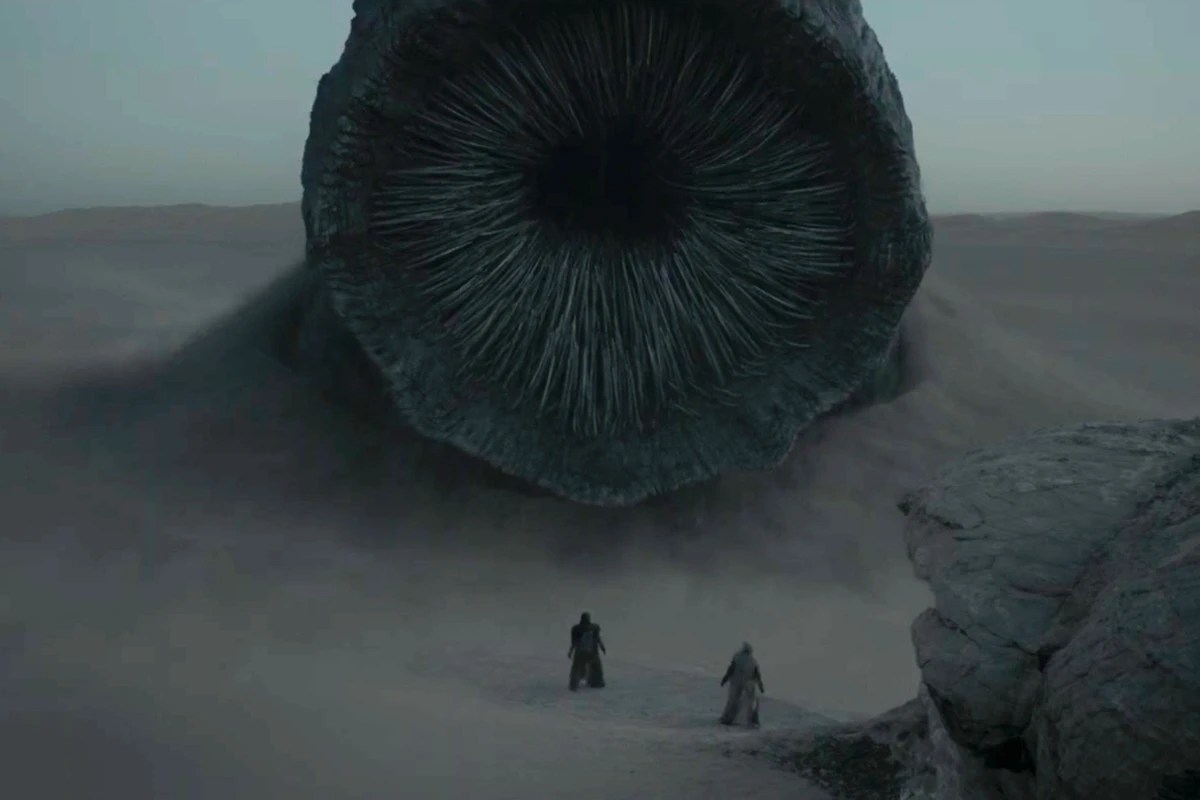
His latest, a fierce, fast passion play, hops into the ranks of pro tennis at the level just below Serena and Federer superstardom. You’re immediately wowed by bristling chemistry between its three wholesome leads, the raffish Josh O’Connor, also now on the screen in Alice Rohrwacher’s “La Chimera,” Mike Faist, who broke through as Riff in Steven Spielberg’s “West Side Story” (2021) and Zendaya, currently ruling the desert in “Dune: Part Two.” O’Connor and Faist play Patrick Zweig and Art Donaldson, besties since the age of 12 and more than pretty good with a racket. The flashbacks to their teenage doubles matches are showcases in cocky bravado that spill over into the after-parties that are all about netting members of the opposite sex. Now, however, the two are not so close. Art’s looking to play in the U.S. Open. He’s got a slam within his reach, but a recent slide has his confidence shaken and his game off, so his wife-coach Tashi (Zendaya) decides to have him play in a warmup tournament in nearby New Rochelle. It’s B-league, sponsored by a local tire outlet, but also draws Patrick, who lives pretty much hand to mouth sleeping in his car at tourneys. They haven’t seen each other in nearly 13 years, since Art won the hand of Tashi – who had been dating Patrick.
In rewinds (there’s a bevy of ’em, but with the help of Trent Reznor and Atticus Ross’ electric score and some slick, attentive costuming, it’s done pretty seamlessly) we learn that Tashi – then Tashi Duncan – was the next big thing in tennis, a Naomi or Coco heading to Stanford before owning the world. A knee injury changes all that. The three initially meet at a tourney where Tashi is the big draw. At the trophy awards ceremony, both lads jockey for her favor and invite her back to their stylish hotel room for a beer. Ultimately the evening turns into a three-way makeout session, with Tashi subtly sliding out of the triple tongue tickle, which proves to be an eye-popping realization for Art and Patrick and emblematic of Tashi being perpetually one step ahead and pulling the strings.
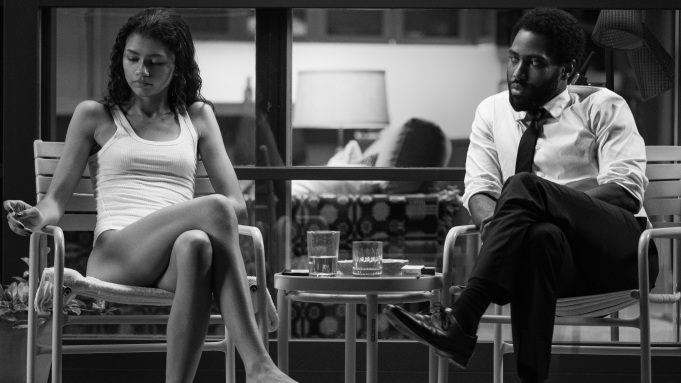
As energetic and comely as our gamers are in the reignited love triangle, there are reasons for pause. Namely their stoic, unbridled sense of self interest and lack of emotional connection or fealty; Art and Tashi have a young daughter in a hotel room she scoots out on to have illicit meetups with Patrick. It’s like a 150 mph ace serve, awesome to behold but hollow, if that’s all the match is: Pretty but cold, not the intoxicating grit of a hard-fought Connors-McEnroe marathon hanging on every stroke, antic and bead of sweat. That happens in the on-court sequences, which are viscerally and kinetically staged, but not off-court. The fault is not on the performers so much as on the script by Justin Kuritzkes, which has zing and zip but not depth. In execution it’s not far from Zendaya’s 2021 outing “Malcolm and Marie,” in which Sam Levinson’s framing of a marriage pushed to the edge is more cool conceit than credible lived experience. How “Challengers” ends, there’s no true match point. That may sit well with those smitten by the film’s postured aesthetics, but others searching for something more reflective will likely be left at the midcourt line, tennis’ version of no man’s land.


 For What it's Worth