‘Sorry, Baby’ (2025)
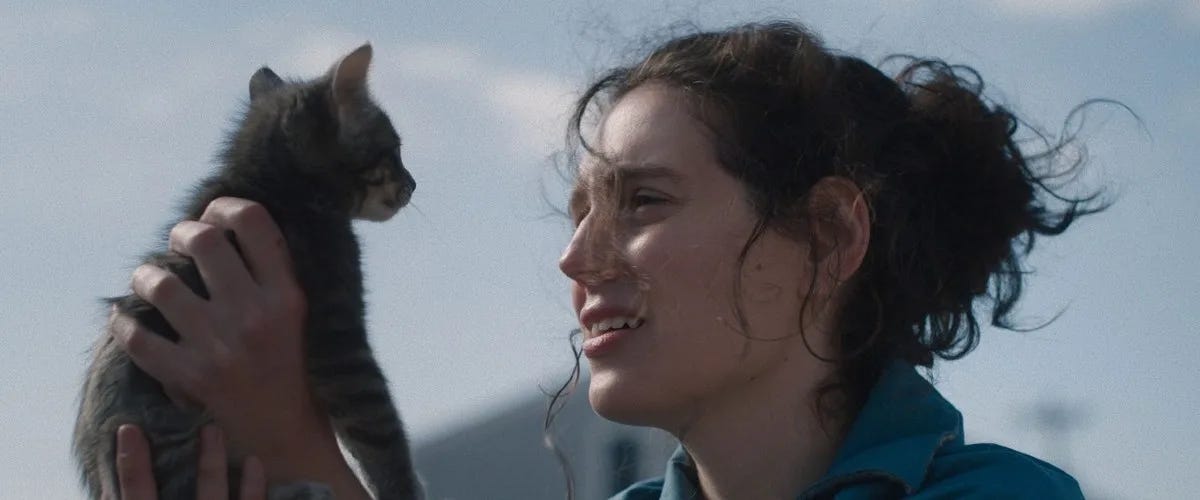

Eva Victor’s Ipswich-shot tale of sisterly bonds and trauma survival is on the big screen in the Boston area only at the Coolidge Corner Theatre, but is now online for a theater-run sticker price, down from an initial $20. The intimate affair focuses on the relationship between Agnes (Victor) and Lydie (Naomi Ackie, “Mickey 17”), grad school besties at the same small fictional New England college – called Fairpoint – where Agnes hopes to spin her adjunct-lecturer gig into a full-time faculty position. (“Lolita” is her thing, and also an arc that leans into bigger plot developments.) Lydie, a New Yorker and expectant parent with her partner (the fiery E.R. Fightmaster), is crashing with Agnes in her humble but quaint New England abode while visiting the campus for a workshop. (The child in Lydie’s belly is the baby of the title). Their conversations are rich and revealing; you could think of “Sorry, Baby” as “My Dinner with Andre” (1981) if directed by Miranda July. The pair’s reunion and academic pursuits take an unsettling shift at Agnes’ review session with her advising professor (Louis Cancelmi), a man who appears kind, astute and intellectually attentive. The meeting gets moved from his office to his house, and though we never see what transpires inside, we know from the time-lapse lens trained judiciously on the stoop that Agnes is there from midday until well into the evening. When she finally stumbles out, she is disoriented and clearly traumatized. Back home, it doesn’t take much for Lydie to know what happened. Both moments are conceived and shot by Victor with subtlety and an emotional precision that resonates profoundly through the rest of the film as the bigger wheels of the college administration looking into Agnes’ complaint and Agnes reporting for jury duty victimize her over and over again. Overall, though, the film is less about putting power-wielding predators on trial and more about the power of sisterhood, quiet compassion and the courage to persevere. Excellent in a pointed yet small role as a sandwich shop owner is John Carroll Lynch (“Fargo”). So too is Lucas Hedges, no stranger to the North Shore (“Manchester by the Sea”), who pops in now and then as Agnes’ far-flung neighbor and occasional hookup. If you’re thinking Victor must be an ingrained local, stop right there; they were born in Paris and raised in California, shooting here for our renowned collegiate backdrop. “Sorry, Baby” marks Victor’s directorial debut. It’s a competent and impressive one that should have many awaiting their sophomore effort.
‘Sanatorium Under the Sign of the Hourglass’ (2024)
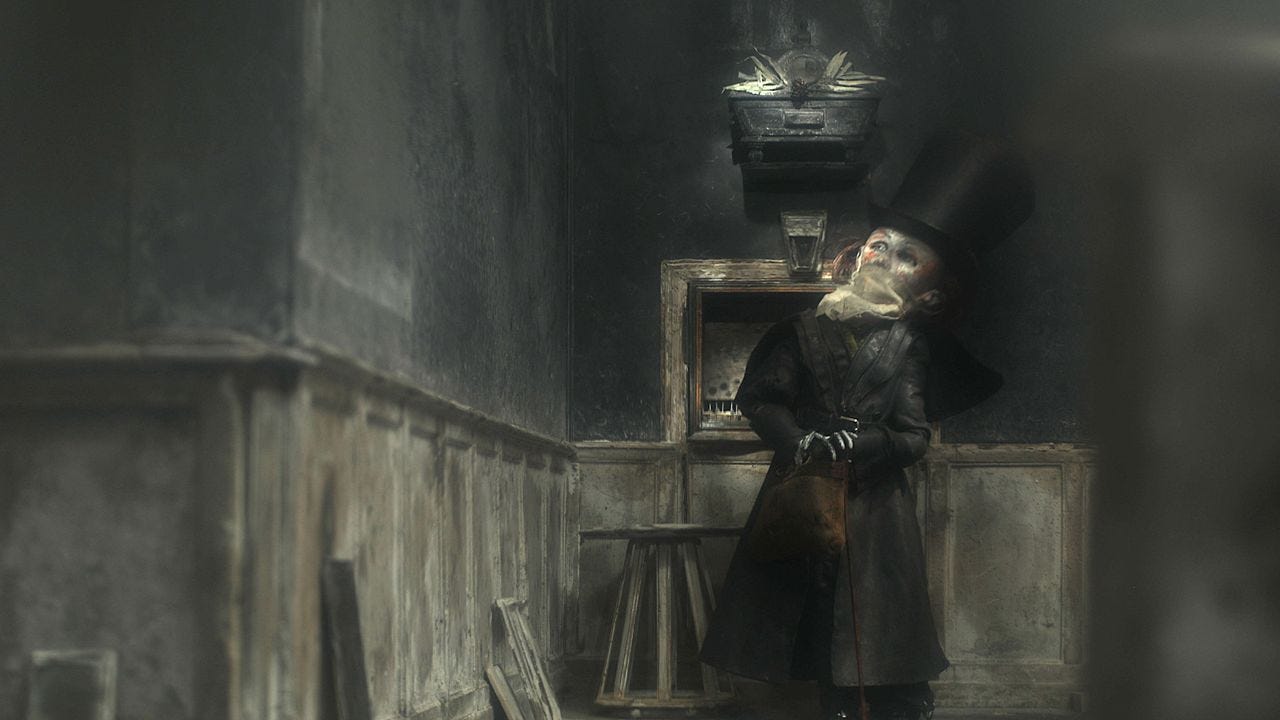

The first feature from the Brothers Quay in 20 years delivers the trippy, eerie goods that one would expect from the filmmaking twins known for the precision of their macabre, stop-motion puppetry and intricate sets that often evoke Kafka and Grand Guignol. A blend of live action and stop-motion animation, the dark gothic tale told in seven chapters has Bram Stoker trappings but is based on a Bruno Schulz story – as many of Quay endeavors are. It follows a man named Josef on a train en route to a sanatorium in the Carpathian mountains, where his father is ailing. Time and space inside the asylum’s never-ending maze of hallways fold inward as dreams and reality merge, conflate and separate. Some of the imagery is grimly provocative and other times daringly erotic – there’s a topless burlesque performer leading a parade of depraved businessmen slithering on their bellies, and plenty of naughty keyhole peeping. “Sanatorium Under the Sign” is surreal and provocative, to be sure, but the heavy reliance on black-and-white photography and uneven interweaving of animation and live action pulls the viewer out the experience more than Quay projects such as the infallible “Streets of Crocodiles” (1986, also based on a Schulz story). The orchestration to Timothy Nelson’s viscerally haunting score and editing is uncanny, but not enough to raise the Brothers Quay’s already high bar.
‘Caught Stealing’ (2025)
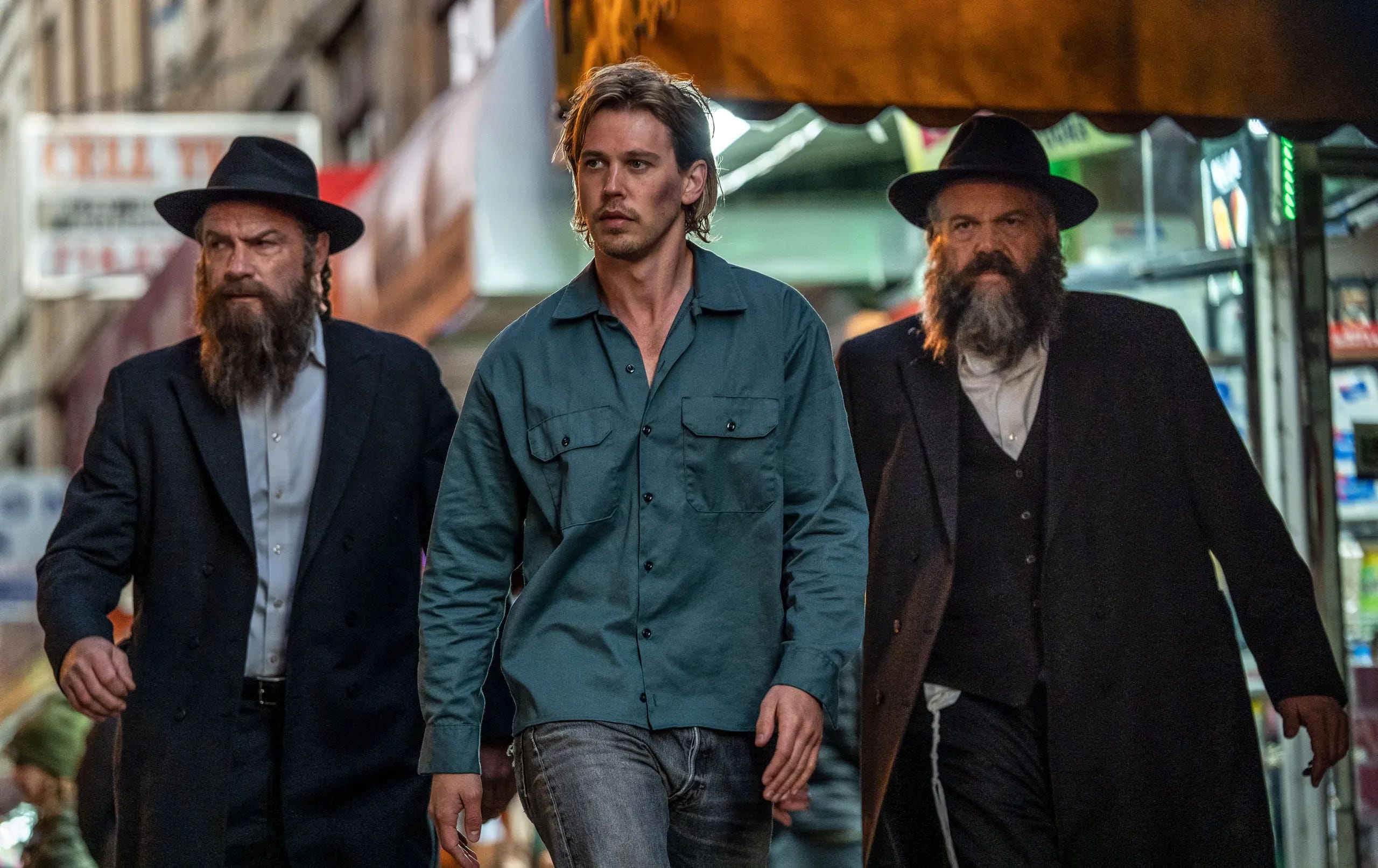

Harvard grad Darren Aronofsky has had a mercurial career behind the lens, to say the least. He slid into view in 1998 with the lo-fi mathematical sci-fi thriller “Pi” and knocked it out of the park with “Requiem for a Dream” (2000), “The Wrestler” (2008) and “Black Swan” (2010), but since then, his labors have been curious wanderings and strange changeups – take “Noah” (2014), the J-Law passion project “Mother!” (2017) or “The Whale” (2022) starring a puffed-up Brendan Fraser. “Caught Stealing” continues that streak, with an exemplary cast in great gritty NYC dustups that are also over the top and make little sense. We’ve got the handsome hunk Hank (Austin Butler, “Elvis”), a could-have-been major league baseball phenom who had a bad car crash that messed up his knee and his life; his compassionate, take-no-shit girlfriend (Zoe Kravitz); and Russ (Matt Smith, “Doctor Who”) a full-on punk with a bad attitude and a cat that bites (folks at The Brattle, note this for future feline film fests). It’s 1990-something in the film – I’ll say 98, because that’s when “Pi” came out and aspects of Jewish lore and tradition also find their way in here – and punk rock is still the rage; cellphones are flips without pix. Russ needs to go home to England to look after his ailing father. He leaves the cat with Hank, and the next thing you know the Russian mafia is giving Hank a beatdown, thinking he knows the whereabouts of Russ’ key and whatever it grants access to: cash, drugs, it doesn’t much matter. Two Hasidic Jewish assassins (Vincent D’Onofrio and Liev Schreiber) are on Hank’s tail too, and there’s the cop on the case (Regina King) who’s a bit of a wild card. The script, by Charlie Hudson from his novel, has some goofy gangster trappings, but no character to bite into. Even more unrecognizable than D’Onofrio and Schreiber as the goons after the goy is Griffin Dunne of “After Hours” (1985) as the hippie biker owner of a bar that Hank works at.
 For What it's Worth
Leave a comment