Nearly four-fifths of city’s streets turn 20 mph with installation of 660 signs come November

Beginning in November, the city will begin to reduce speed limits on nearly 80 percent of streets in Cambridge to 20 mph from the statewide 25 mph. The move comes as part of the city’s commitment to its Vision Zero strategy to reduce road deaths.
If a 5 mph reduction seems insignificant, a study from the AAA Foundation for Traffic Safety showed that pedestrians are almost half as likely to be killed or seriously injured if struck by a car traveling 25 mph versus a car traveling 30 mph.
The city enacted the measure in January when looking to expand areas designated as “safety zones,” which had been reserved primarily for roads passing by schools and senior centers. The rollout will see 660 “Safety Zone” signs erected starting in East Cambridge and spreading west over a loose three-month period. The map will be updated to reflect progress as the project moves along.
“We’ve heard concerns about speeding from people throughout the Cambridge community,” said Joseph Barr, director of the city’s Traffic, Parking & Transportation Department. “Reducing the speed limit is an important step toward addressing those concerns. This change will also inform the way that we design our streets and help support our ongoing traffic calming efforts.”

Bicyclists, who have testified to feeling at risk from sharing roads with speeding cars, embraced the announcement. “Changing to the lower speed limit is critical,” said Steve Bercu, a Cambridge resident and member of the board of directors of the Boston Bicyclist Union, “in that it impacts the design speed of all projects going forward.” Nate Fillmore, of the Cambridge Bicycle Safety Group, was more direct on the matter of design: “This change needs to be followed up on with citywide changes to the built environment that reflect the new speed, including narrower lanes, raised crosswalks and protected bicycle lanes on major streets wherever possible.”
One city councillor backing the initiative, Quinton Zondervan, hailed the move. “This will make our city much safer for vulnerable road users, allowing more people to walk and bike, leading to less pollution and a healthier community,” Zondervan said.
Addressing concerns of residents discussed on area listservs, vice mayor Jan Devereux added, “Of course, we will need enforcement to put teeth into this desire to slow down drivers – the lack of speed enforcement is another complaint I hear often. Automated enforcement by camera could help, and the council is on record in support of [a bill] pending on Beacon Hill.” Matters of privacy have always been a concern with camera use enforcement, though it’s the primary mechanism in place for cars without toll transponders on the Massachusetts Turnpike.
The big difference between the reduction to 25 mph from 30 mph made optional statewide a few years ago and this city reduction to 20 mph is that signs are needed to mark the deviation from the statewide default.
Enforcement, the city said, would be data driven as it always has been. “When in doubt, go 20 mph,” said the communication from the city.



 We catch up with the Kims first, living in a shabby basement apartment where they fold pizza boxes for a buck and scam Wi-Fi from those above. They live hand to mouth until the enterprising daughter of the clan, Ki-jung (So-dam Park, sassy and excellent) lands a job as an art therapy tutor to the Parks’ young, eccentric (and demanding) son, who was traumatized in first grade by something emerging from the lowest level of the Parks’ sleekly palatial, very Scandinavian home. A host of opportunities emerge. Ki-taek’s older brother is ensconced tutoring the Park’s daughter. The mother supplants the Parks’ longtime housekeeper. And what if the patriarch of the Kims could get a job as the Parks’ driver? Neat idea, but they already have a chauffeur. The resolution is a pair of soiled panties left in the back of the Benz for Madame Park, quite OCD and repressed, to get her gloved mitts on.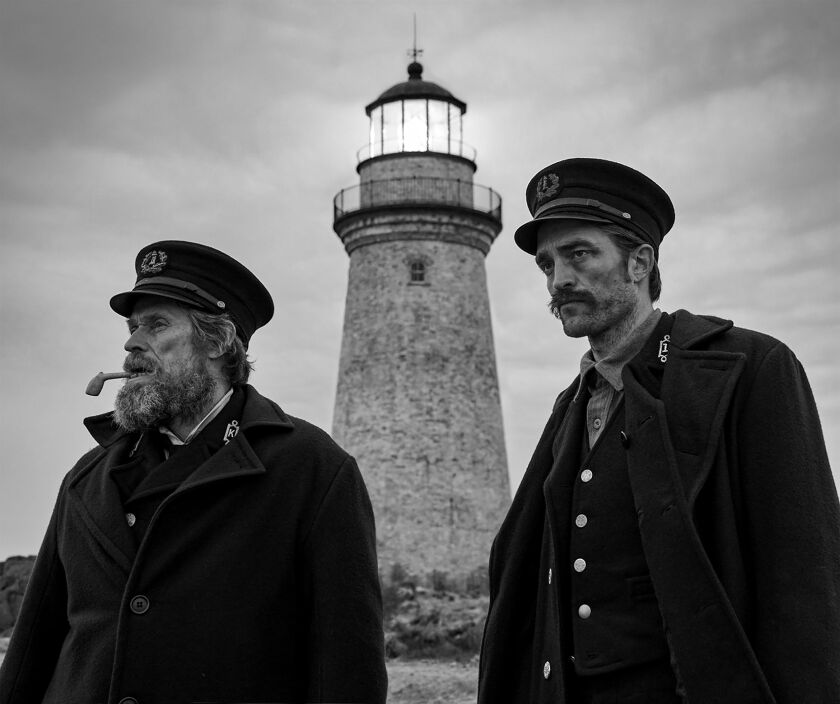
 The narrative the ambience hangs from isn’t quite as sure, but what’s to worry when you have Willem DaFoe and Robert Pattinson? The setup, based on writings by Melville and sea-obsessed others of the era, has two men keeping the flame on a remote isle somewhere far off the New England coast. It’s circa 1890, so there are no cell towers; there’s also no Morse code from the island should something go wrong. The pair are dropped off on the rock for a four-week shift. Dafoe’s Thomas is a salty old tar, Pattinson’s wide-eyed Ephraim the newbie in his charge. The order of things gets laid out early on: Thomas does the all the attending to light, which is kept under tight lock and key, as well as the cooking, while Ephraim pretty much does the backbreaking rest – scrubbing the floors, hauling heavy loads of coal across jagged rock outcroppings, emptying the piss pots and painting the structure from a rickety harness that would make any OSHA official cringe.







 For What it's Worth